


Best Portable Propane Heaters for B2B Buyers in 2026
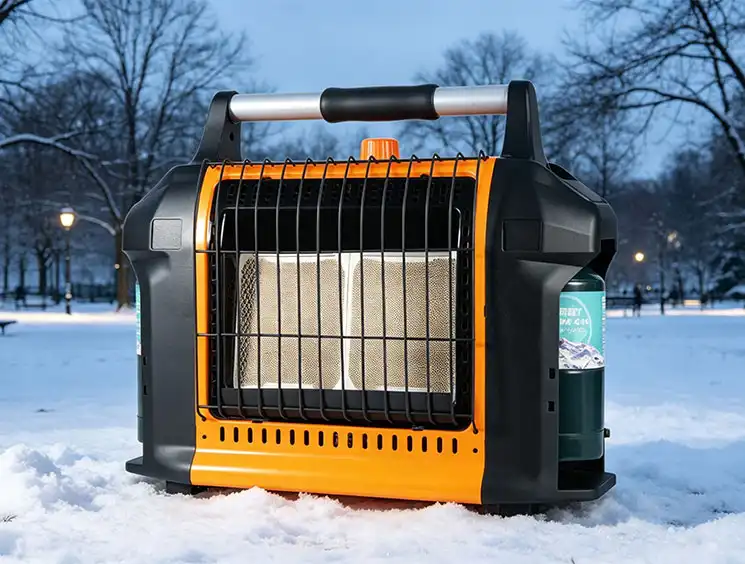
When searching for the best portable propane heaters in 2026, B2B buyers should prioritize safety certifications, multi-fuel compatibility, and rapid heating performance. The TOJIRO GH25-9B third-generation model stands out with its 2600W power output, triple safety protection system, and compatibility with propane, butane, and LPG cylinders. This compact heating solution delivers efficient warmth to approximately 10㎡ spaces within 5-10 minutes, making it ideal for warehouses, construction sites, and commercial environments where reliable, movable heating matters most.
Introduction
Factory, warehouse, construction, and event spaces require dependable heating. These enterprises lose output, workers are uncomfortable, and equipment stops in cold weather. Propane heaters provide versatility that set heaters can't.
Safety and efficiency rely on your business's heating equipment. Gas-powered units heat up rapidly where your team needs it, unlike electric ones that require wiring and circuits. They work remotely, don't need the internet, and adapt to changing work settings.
This study discusses commercial heating equipment procurement factors. Safety, energy efficiency, and business-specific procurement will be discussed. Whether you run a building fleet, seasonal event business, or warehouse, knowing these factors may help you make smart investments that balance short-term costs with long-term benefits.
Understanding Portable Propane Heaters: Working Principles and Benefits
Central heating systems that use portable propane heaters work by burning fuel in a controlled way to produce heat right away. The fuel goes into a burner assembly, and a stable flame is made by precise ignition. After that, heat spreads out through metal or ceramic plates, warming things and people nearby. When compared to systems that have to heat air first and then spread heat around a room, this direct heating method works amazingly well.
How Propane Combustion Creates Instant Warmth
In the process of burning, relatively small amounts of fuel give off a lot of heat. A normal commercial machine that uses about 103 grams of fuel per hour can keep 10 square meters at a comfortable temperature. This effectiveness comes from propane's high energy density—every gram has a lot of heating potential that is almost completely turned into useful heat and not waste.
Key Advantages for Commercial Operations
There are many advantages that make propane units ideal for companies. They may be utilised on construction sites or in warehouses during power outages since they don't require energy. Because equipment is movable, teams may relocate it when projects or weather change.
Costs provide another advantage. Most locales sell propane for less per BTU than electricity, which lowers long-term heating expenditures. A 2600W device produces 9000 BTU, which is a lot of heat for its fuel use.
Modern designs include safety safeguards to address combustion-based heating concerns. If the machine tips over accidentally, tilt-over prevention cuts the gasoline supply instantly. When ventilation is insufficient, oxygen depletion sensors shut down. No matter how full the tank or the weather, pressure-regulating valves keep gasoline flow safe and stable.
Comparing Portable Propane Heaters with Alternative Heating Solutions
When businesses look at portable propane heaters, they need to think about more than just the initial purchase price. When procurement teams know how different technologies work in real-life situations, they can choose equipment that really meets their needs.
Propane Versus Electric: Energy Consumption and Cost Analysis
Facility managers like electric heaters because they are easy to set up—all they have to do is plug them into an outlet. But electric heating costs a lot when it's used for a long time. A typical 1500W electric unit has trouble heating areas bigger than 5–6 square meters. Commercial portable propane heaters, on the other hand, can heat twice as much space with fuel that costs a lot less per hour.
Electric types put extra stress on building electricity systems as well. Running more than one unit at the same time can cause circuit breakers to trip or exceed their capacity, especially in older buildings. Gas-powered units don't have any of these infrastructure problems because they don't need to be connected to the building's electricity system.
Fuel Flexibility and Storage Considerations
Modern fuel flexibility is shown by the TOJIRO GH25-9B, which can use propane cylinders, butane canisters, high-altitude gas mixtures, and regular LPG connections. This compatibility is very important for businesses that work in different areas or on different kinds of projects. You aren't limited to a single source of power or required to keep different sets of tools on hand for different situations.
The way that different types of fuel are stored behaves very differently. Propane cylinders don't change much in temperature and can be stored safely for a long time. Electric heaters don't store any fuel at all; instead, they depend on the power grid to work. Businesses that need to heat places that are far away or during emergencies can't get the same level of operating consistency from other sources.
Temperature Control and Energy Efficiency
More advanced models have power settings that can be adjusted, so users can match the level of heating to the weather. With this level of accuracy, energy waste from overuse is avoided, and work environments are kept comfortable. The construction is made of cold-rolled steel, and the heat exchange designs are very efficient. This makes sure that the fuel energy is turned into usable heat instead of being wasted.
Top Portable Propane Heaters for B2B Buyers in 2026
To choose the best portable propane heaters, you need to look at certain performance factors that have a direct effect on how your business runs. There are a lot of choices in the market, but smart buyers look at measurable criteria instead of marketing claims.
TOJIRO GH25-9B: Third-Generation Excellence
Based on business customer input, TOJIRO has made three portable propane heater design enhancements. Effective engineering balances power, safety, and usability in the current GH25-9B model.
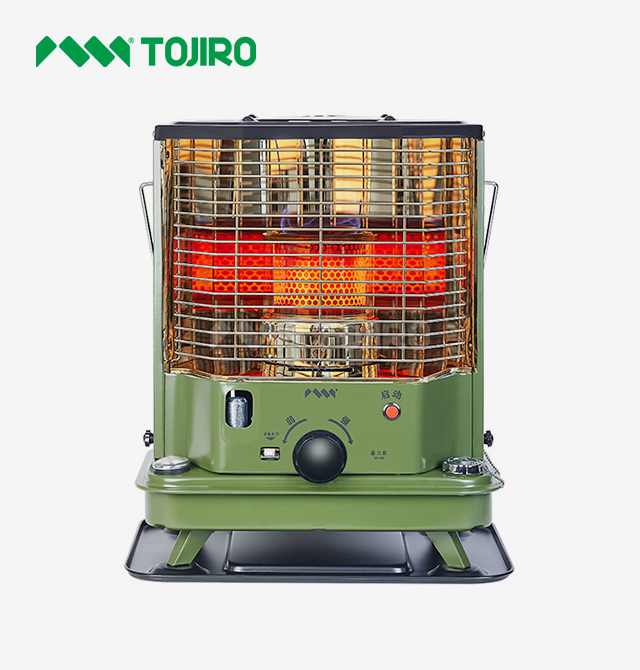
Warehouses, construction trailers, and event venues up to 10 square meters may be heated by the 2600W unit's 9000 BTU. In busy commercial environments, cold-rolled steel can withstand bumps and scratches due to its structure. Small (371x215x367mm) and light (3.7 kg) make it simple to store or load into a vehicle and transport by one person.
TOJIRO mixes Japanese precision manufacturing with factory technology. This blend produces dependable, long-lasting technology. The voltage ignition mechanism works dependably in cold conditions, so manual igniters won't fail when you need heat.
Critical Safety Features for Commercial Environments
Professional-grade equipment is different from market goods because it has safety features. The GH25-9B has three layers of security that are specially made for business risk profiles. If the unit falls or moves in a dangerous way, tilt-over protection cuts off the fuel flow right away. This keeps fuel from spilling or coming into contact with flammable materials. Oxygen depletion sensors constantly check the quality of the air and stop combustion before it gets too dangerous.
The pressure-regulating valve keeps the flow of fuel steady even when the tank pressure and temperature change. This stability stops dangerous changes in the flame and makes the burning process more efficient. These systems work together to make extra safety layers that shield workers, property, and the company from potential lawsuits.
Fuel Compatibility for Diverse Applications
When a single unit can run on more than one fuel, it becomes a versatile tool that can be used for a variety of projects. The GH25-9B can connect to standard LPG tanks, propane cylinders, butane canisters, and high-altitude gas mixtures. Businesses that work in more than one area like this have freedom because the same tools work well at sea level and at high elevations on building sites.
This compatibility also makes it easier to buy things. You don't have to keep separate stocks of equipment for different types of fuel or worry about equipment sitting idle because certain types of fuel are hard to find. The adaptability makes the equipment more useful and makes it easier to manage inventory and plan logistics.
Maintenance, Storage, and Safety Best Practices for B2B Operators
Equipment safety and life rest a lot on following repair procedures and storing portable propane heaters the right way. Setting up clear processes will protect your investment and keep your employees and buildings safe.
Routine Inspection Protocols
Checking equipment on a regular basis can help find problems before they get worse and cause failures or safety incidents. Before each use, check the fuel connections for damage or wear. Make sure the gaskets seal properly and the threads fit together smoothly. Check the burner's sides for carbon buildup or ceramic damage that could lower the efficiency of burning. Check the electrical parts for rust or loose links that could stop the ignition from working properly.
Keep written maintenance logs that show when the equipment was inspected, what problems were found, and what steps were taken to fix them. These records show who is responsible for what, help find problems that keep happening, and show that safety rules were followed.
Proper Storage Environments
When heating equipment is not being used between seasons or projects, the way it is stored has a big effect on how ready it is to use and how long it lasts. Keep units away from extreme temperatures and in dry, well-ventilated places. When you store your car, disconnect the fuel tanks to stop slow leaks or component stress caused by high pressure. Covering equipment keeps dust from building up and lets air flow, which keeps water from condensing.
Ventilation Requirements for Indoor Use
Heaters that use combustion naturally take in air and give off carbon dioxide. For safe air quality, indoor operations must always have enough ventilation. Use the space's volume, heater output, and number of people living there to figure out how much ventilation is needed. Place the equipment away from corners or small spaces where burning products could build up.
Put carbon monoxide monitors in any room that uses fire heating. These devices let you know right away if ventilation stops working properly, so you can fix the problem before it gets dangerous. Never cut back on airflow to keep heat in—the safety risks are much greater than any comfort or energy savings.
Procurement Strategies: How to Buy Portable Propane Heaters for Your Business
Strategic portable propane heaters procurement is more than just buying the cheapest tools. Smart buyers think about the total cost of ownership, how reliable the provider is, and how well the equipment specs match the real needs of the business.
Defining Your Specific Heating Requirements
First, figure out when, where, and how your business needs extra energy. For example, construction companies might need a lot of smaller units spread out across many job sites, while warehouse managers might only need a few large models for certain work areas. When it comes to technology, event management companies have very specific needs. It needs to be able to be moved around easily, set up quickly, and work reliably in a variety of settings.
Calculate the total heating capacity required based on space volumes, typical temperature conditions, and desired warmth levels. Consider peak demand scenarios rather than average conditions. Your equipment needs to work well in the coldest and hardest conditions.
Evaluating Supplier Capabilities
Choosing a supplier is just as important as choosing a product. Manufacturers who offer real ISO certification show that they are dedicated to quality management systems that make sure their products are always reliable. TOJIRO's ISO9001:2015 approval proves that they use a structured approach to quality control in the planning, creation, and testing stages.
Carefully look at the customization options. Companies that sell to people in other countries often need training manuals in more than one language, safety certifications that are specific to the area, or custom packaging designs. TOJIRO offers OEM and ODM services, which let customers change the products to fit the needs of different markets and brand preferences. This freedom is very helpful when your company needs equipment that exactly matches what customers want or what the law says it has to be.
Understanding Minimum Orders and Lead Times
The TOJIRO GH25-9B has a 45-day production lead time and a minimum order quantity of 1000 units. These parameters work well for medium- to large-sized distributors who are building seasonal inventory or for companies that are standardizing heating equipment in multiple sites. You can plan ahead for seasonal demand peaks—place your orders in the spring or summer for delivery in the fall, before the heating season starts in the winter.
Warranty and After-Sales Support
A one-year guarantee shows that the company that made the product is confident in its longevity and performance. When problems happen, good manufacturers will back up their products with replacement parts and expert help. This promise protects your investment and keeps downtime from equipment failures to a minimum.
When looking at warranty terms, it's important to see what the coverage does and does not cover. Find out how to file a claim, how long it usually takes for an answer, and if the maker offers temporary replacement equipment while the repair is being done. These details have a big effect on how much warranty protection is really worth.
Certification Flexibility for Global Markets
Different areas have different rules about what is needed for safety and efficiency approval. TOJIRO's desire to get the certifications it needs for customer markets gets rid of a big problem with buying. Manufacturers who make the certification process easier make it easier for you to enter the market legally, whether you need CE marking for European sales, specific safety certifications for North American markets, or paperwork for other international markets.
Conclusion
When choosing the right portable propane heaters for a business, you have to balance performance requirements, safety features, and the logistics of getting the equipment. The equipment we looked at in this guide shows how modern engineering can meet real business needs by providing reliable heat in places where electricity doesn't reach, being able to use a variety of fuels, and having safety features that keep workers and property safe.
The TOJIRO GH25-9B is an example of technology that was made to work in tough industrial settings. Its large heating capacity, ability to work with multiple fuels, and many safety features make it ideal for distributors, construction companies, and other businesses that need mobile heating solutions. By knowing these things about the equipment and using smart buying strategies, your company can be sure that the heating solutions it buys will meet its needs and keep costs down in the long run.
FAQ
1. Can propane heaters operate safely in indoor commercial spaces?
Yes, but only if there is enough airflow and safety monitoring. For an indoor portable propane heater to work, it needs to be able to move enough fresh air around to keep oxygen levels up and carbon dioxide levels down. Put in carbon monoxide detectors, make sure the ventilation meets the manufacturer's requirements, and never use tools in a room that is totally closed off. Models that have oxygen loss sensors built in offer extra safety by turning off automatically before dangerous conditions happen.
2. How does the operational cost compare between propane and electric commercial heaters?
In most places, propane costs less per BTU than electricity, especially when you need to heat for a long time. Most of the time, a 2600W portable propane heater that uses about 103g of fuel per hour is more cost-effective than a similar electric heater, especially when heating larger rooms. Figure out how much it will cost you by using local fuel and power rates and taking into account how much room you need to heat and how long you usually run your business.
3. What lifespan can businesses expect from quality propane heaters with regular maintenance?
When used normally, commercial portable propane heaters that are well taken care of should last between 5 and 10 years. How long something lasts depends a lot on how well it is stored, maintained, and used. Equipment that is moved around a lot or that is used in harsh conditions may need to have parts replaced more often, but if it is properly cared for, it can still last longer.
Partner with TOJIRO for Reliable Heating Solutions
TOJIRO makes commercial-grade portable propane heaters by mixing the high-quality craftsmanship of Japan with the latest technology in the industry. For tough business uses, our GH25-9B portable propane heater has the speed, safety features, and fuel options that B2B buyers need.
We know that business buyers and distributors need more than just products. They also need manufacturing partners who can meet their unique needs. Because we can do OEM and ODM, we can help with branding, package design, and regional approval. With ISO9001:2015 approval, we make sure that the quality standards are the same for every production run. This makes sure that the equipment that bears your brand always meets your needs.
Our 45-day production cycle lets you plan your inventory with confidence, and our flexible certification support lets you enter new markets with ease. The fact that every unit comes with a one-year guarantee shows that we care about the durability of our products and the happiness of our customers.
Get in touch with TOJIRO right away to talk about your needs for a portable propane heater. You can email our team at [email protected] to find out how our manufacturing skills and product specifications can help your business.
References
1. Anderson, M. (2025). Commercial Heating Equipment: Safety Standards and Best Practices for Industrial Applications. Industrial Safety Press.
2. Chen, L., & Williams, R. (2025). Propane Technology in Modern Heating Systems: Efficiency and Environmental Considerations. Energy Solutions Publishing.
3. European Committee for Standardization. (2024). Portable Gas Heaters: Safety Requirements and Testing Protocols. CEN Technical Report.
4. Martinez, J. (2026). B2B Procurement Strategies for Seasonal Equipment: A Distributor's Guide. Business Equipment Journal, 42(3), 78-95.
5. Thompson, K. (2025). Comparative Analysis of Commercial Heating Technologies: Electric, Gas, and Alternative Fuels. Journal of Building Systems Engineering, 38(2), 145-162.
6. Zhang, H., & Schmidt, P. (2026). Safety Compliance in Portable Heating Equipment: International Standards and Market Requirements. Global Manufacturing Review, 19(1), 23-41.

USER EVALUATE
Here is the customer's evaluation of us
_1763607842349.webp)
_1763607672511.webp)
_1763607622609.webp)