


Portable Propane Heaters: Key Benefits for Commercial Use
When businesses face the challenge of maintaining comfortable work environments in cold seasons or remote locations, portable propane heaters emerge as a practical solution. These compact, fuel-efficient heating units deliver reliable warmth across construction sites, warehouses, outdoor events, and temporary facilities. Operating on propane gas stored in refillable tanks, they combine mobility with powerful heat output, offering commercial operations the flexibility to adapt heating strategies to changing spatial requirements and weather conditions.
Understanding Portable Propane Heaters for Commercial Use
How Propane Gas Heaters Work
Heating devices that use propane work by burning liquefied petroleum gas in a controlled way. The process starts when pressurized propane runs through a regulator valve from the connected tank and mixes with oxygen before being set on fire. Depending on how the unit is built, this chemical process can produce direct or convective heat. Radiant models heat things and people directly with infrared waves, while convective systems move heated air around rooms that are closed off or mostly closed off. It is very efficient at burning this fuel; about 99% of the energy in propane is turned into heat that can be used.
Types Suitable for Business Environments
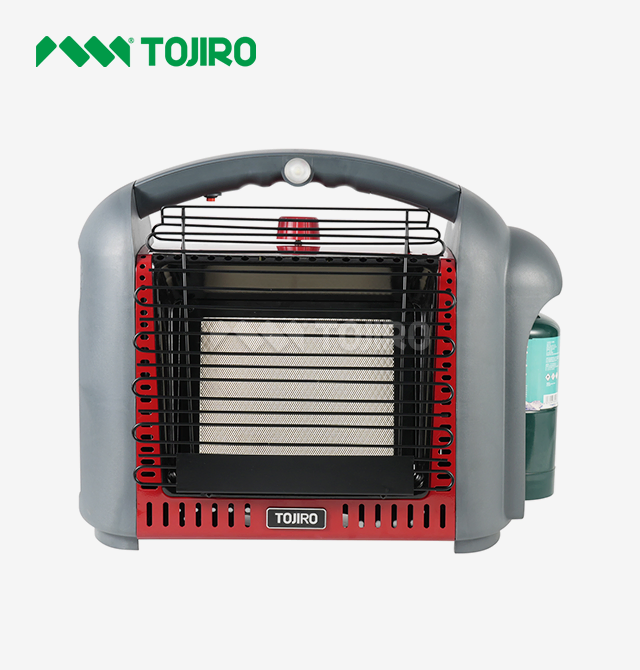
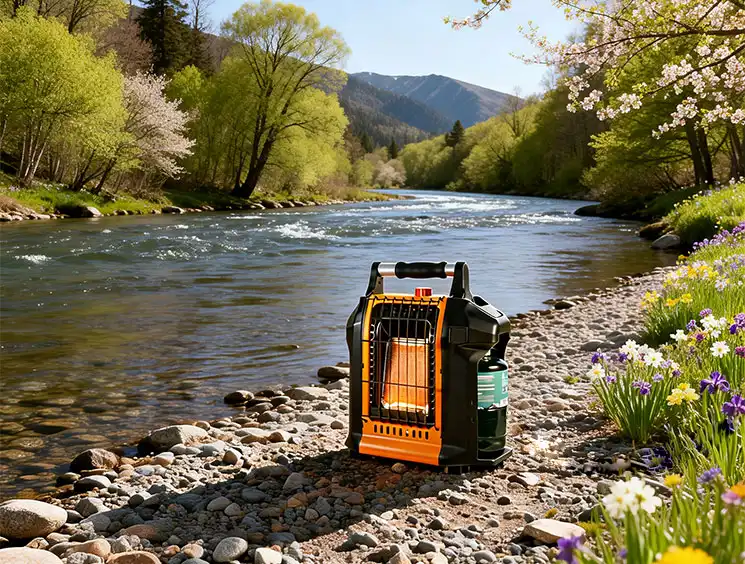
For commercial uses, there are three main types of heaters that are usually needed. Cabinet-style units are good for workshops and loading docks because they have built-in propane storage spaces and vertical heating surfaces. Forced-air systems in torpedo heaters make them very good for big buildings and construction sites because they produce a lot of BTUs. Even though they are smaller, camping-style heaters that are compact work well in security posts, food stands, and equipment shelters. Each type meets different operational needs based on safety rules, coverage area, and portability needs.
Calculating the Right Heat Output
Figuring out the right heater size keeps energy from going to waste and makes sure there is enough warmth. For normal insulation, 25 to 30 BTUs per square foot are used in most calculations. For 400-square-foot warehouses, units that deliver 10,000 to 12,000 BTU are needed. The TOJIRO GH25-9B model produces 2,600W, which is about 8,900 BTU, and heats up to 10 square meters effectively. This makes it good for smaller commercial areas, guard stations, or focused heating in larger buildings where workers gather.
Critical Safety Mechanisms
Modern portable propane heaters have a number of safety features that meet industrial safety standards. When units fall below safe angles, automatic tip-over cutoff valves cut off the fuel supply. This keeps fires from starting on uneven ground. Oxygen depletion sensors check the quality of the air around you and turn off the machine automatically when the oxygen level drops below safe levels. This is important for semi-enclosed workspaces. Pressure control valves keep the flow of gas steady even when the temperature changes. This lowers the chance of flame irregularities or dangerous pressure buildup.
Core Benefits of Portable Propane Heaters in Commercial Settings
Businesses in a wide range of fields continue to choose propane-powered heating systems for reasons other than their basic functionality. The benefits include operational flexibility, cost savings, long-lasting equipment, and caring for the environment.
Unmatched Mobility and Adaptability
Portable propane heaters can be moved wherever the job calls for them, unlike fixed heating systems that need to be installed permanently. As the project goes on, the workers move units from one floor to another. Event planners move heaters around based on how people move through the space. Instead of heating the whole building, warehouse managers focus the heat on areas where people are working. This freedom in space cuts down on lost energy and keeps workers comfortable. The self-contained design—the fuel tank is built into the base—means it doesn't need to be connected to the power grid, so it can be used to heat places that don't have access to electricity.
Cost Advantages Over Electric Systems
When comparing operating costs, propane heating is always the better choice for businesses. In most places, the cost of propane per BTU is still much less than the cost of electricity. When you buy gas in bulk for business use, a heater that uses only 103 grams per hour, like TOJIRO's GH25-9B, means that you don't have to spend much on fuel every day. When compared to connected electric systems, which need professional electricians and building changes, installation costs go away completely. Low maintenance costs are achieved by using simple mechanical designs with fewer electronic parts that can go wrong.
Durability in Demanding Conditions
In business settings, equipment has to deal with dust, moisture, extreme temperatures, and rough handling. These problems can't be solved by poor portable propane heaters made of cold-rolled steel and industrial-grade plastics. Professional units have stronger burner assemblies, fuel lines that don't rust, and housings that can handle being hit. This strong construction cuts down on downtime caused by broken equipment, which is very important when heating directly affects productivity. Portable propane heaters that are well taken care of usually last between 10 and 15 years in business settings.
Environmental and Operational Benefits
When propane is burned, it releases fewer particles into the air than diesel-powered heaters, which helps keep the air cleaner at work. Since there are no electrical resistance heating elements, there is no electromagnetic interference that could damage sensitive electronics in technical facilities. When compared to forced-air electric systems, portable propane heaters make very little noise, which helps keep conversation clear at work where teamwork is important. These practical and environmental benefits are in line with today's workplace standards, which put a lot of emphasis on the health and efficiency of workers.
Choosing the Best Portable Propane Heater for Your Business
Propane Versus Electric: Making the Right Choice
Price isn't the only thing that affects a decision. Propane systems work best in places where power isn't stable, outside, or when a high BTU output is needed with little infrastructure. Electric heaters work well in rooms that are always warm and have a lot of electrical power. Choices depend on the availability of fuel. Areas with well-established propane distribution networks tend to favor gas systems, while sites in cities that already have electrical service may choose electric options. But businesses that follow emergency plans are becoming more aware of propane's benefits during power outages, when stored fuel keeps heating systems running.
Essential Features for Commercial Applications
Professional-grade units have settings that make them easier to use and safer. Adjustable thermostats keep things from getting too hot and save fuel by cycling the heat output to match the temperature outside. Electronic ignition systems that run on batteries, like TOJIRO's voltage ignition, which needs two AA batteries, get rid of the need for matches or lighters. This makes starting the engine easier and safer. Multiple fuel compatibility—accepting normal propane canisters, high-altitude formulations, butane, and LPG connections—allows for more purchasing options and makes planning easier when working in areas where fuel supply changes with the seasons.
Evaluating Supplier Reliability and Product Quality
Before committing to bulk orders, commercial buyers check the credentials of the manufacturer. ISO approval shows that a company follows international standards for quality management, which ensures that the way they make things is always the same. Transparency is shown by the fact that full technical specifications are available, including gas consumption rates, heating coverage area, ignition methods, and material composition. Businesses can brand heaters to match their company character or meet the needs of a specific market thanks to flexible OEM/ODM customization options that are flexible. Production lead times are very important. Manufacturers with 45-day turnarounds can plan their seasonal inventory while keeping order minimums at a reasonable 1,000 units.
Procurement Guide for Commercial Buyers
Strategic Bulk Purchasing Approaches
When you buy portable propane heaters in bulk, you can get big cost savings. When a business orders 1,000 or more units, it can usually get 15 to 25 percent off the price compared to ordering fewer. Setting up yearly supply deals with manufacturers keeps prices stable when the market changes, and it also ensures that production runs smoothly during times of high demand. More and more purchasing managers want tiered pricing structures, which means that orders of 1,000, 2,500, and 5,000 units are charged different amounts. This helps them plan their budgets and make the best use of their inventory. Combining orders from different sites or planning purchases with partners in the same business gives you more negotiating power.
Vetting Supplier Credentials and Capabilities
Due diligence keeps you safe from bad goods and companies you can't trust. Ask for proof that the product meets the safety standards needed for your market, such as CE marking for European sales, DOT approval for North American gas tanks, or other requirements that are specific to your area. Check the manufacturing capability by looking at information about the facility, the production line, and recommendations from past clients. When suppliers offer full certification support, which includes helping with regulatory approvals specific to a market, it makes it easier for distributors to comply when they move into new areas. A supplier's commitment to long-term relationships is shown by clear lines of communication, such as dedicated account managers and technical support teams.
Warranty and After-Sales Considerations
Investing in commercial equipment needs to be protected against breaking down too soon. While standard one-year warranties that cover manufacturing defects are a good starting point for peace of mind, some premium suppliers offer longer warranties that show they are more confident in the product's durability. Make it clear in the warranty what the terms are for parts that are meant to be replaced (igniters, seals, regulators) and parts that are meant to be structural (burner assemblies, housings). Long-term running costs are greatly affected by the supply of spare parts. Suppliers who keep replacement parts in stock make repairs go quickly, reducing machine downtime. How quickly operational problems are fixed depends on how easy it is to get technical support, whether it's over the phone, through online troubleshooting tools, or by setting up on-site service.
Best Practices for Operating and Maintaining Commercial Propane Heaters
Routine Safety Inspections and Maintenance
Consistent checking procedures keep things safe and make tools last longer. Before each day's work, you should make sure the fuel connection is solid, check the hoses for cracks or wear, make sure the tip-over protection works, and test the ignition systems. As part of regular monthly maintenance, the burner surfaces are cleaned to get rid of dust that gets in the way of good burning, the regulator valves are checked to make sure they work right, and structural parts are checked for damage or rust. Professional servicing once a year, which includes taking the whole system apart, cleaning it inside and out, and replacing any parts that are broken, keeps it working at its best and following safety rules for as long as it's in use.
Proper Fuel Handling and Storage
Safe propane management lowers the risks in the workplace. Keep tanks in well-ventilated outdoor areas away from sources of ignition and stand them straight to stop liquid propane from leaking out. Follow the first-in, first-out rule when rotating stock to make sure that older cylinders are used before newer ones. When connecting cylinders to heaters, make sure the gaskets are intact and that the threads are compatible. Tighten the connections firmly without over-torquing, as this could damage the fittings. When not in use for a long time, disconnect fuel sources so that any leftover gas can burn off before the system is turned off completely. This keeps the fuel system from breaking down and ensures a clean restart.
Training Personnel for Safe Operation
Human factors have a big effect on records of machine safety. Structured training programs should teach operators about how combustion works, the risks of carbon monoxide, and how to handle an emergency. Stress the "three feet from heat" rule and make sure there is enough space between heaters and things that can catch fire. Show the right way to turn on and off your equipment, including TOJIRO's suggestion to close the cylinder valves before turning off the burner controls so that the fuel lines can clear. Name someone to be in charge of keeping an eye on the equipment at each work site. This will make sure that maintenance rules are followed and safe working practices are followed.
Conclusion
Commercial heating problems need answers that balance safety, efficiency, and performance. Portable propane heaters meet these needs because they can be moved around easily, are cost-effective to run, and provide steady warmth in a variety of work settings. Strategic procurement, which stresses good construction, complete safety features, and a supplier's dependability, makes sure that heating investments last for a long time. Businesses can count on these versatile heating tools to help them be productive no matter the weather or where they are located as long as they follow the right repair procedures and train their operators properly. With their combination of better technology and more useful design, propane heaters are still the best choice for commercial heating needs.
FAQ
1. Can propane heaters be safely used indoors for commercial purposes?
Some portable propane heaters are rated for use inside and have oxygen depletion sensors and low-emission burner technology. Before working inside, you should always check the manufacturer's instructions and the building rules in your area. Even with approved units, there must still be enough air. Models that can only be used outside don't have the safety sensors they need and should never be used inside because of the carbon monoxide risks.
2. How do I determine the correct heater size for a 1,000 square foot warehouse?
For standard insulation, use 25 to 30 BTUs per square foot when doing the math. About 25,000 to 30,000 BTUs are needed for a place that is 1,000 square feet. A single big heater is often less effective at spreading heat than several smaller ones. When making calculations, you should think about the ceiling height, the quality of the insulation, and how people usually live in a house. Talking to heating professionals will make sure that the specifications you get are right for your building.
3. What service intervals should commercial operations follow?
Visual checks every day before each use show no obvious problems. Check the fuel connections, the state of the burner, and the safety devices once a month. Set up professional servicing once a year to do a full evaluation of the system and replace any worn-out parts. High-use areas that are used for eight hours or more every day may need skilled care more often to keep up with performance and safety standards over longer periods of time.
Partner with TOJIRO for Your Commercial Heating Needs
TOJIRO combines traditional Japanese craftsmanship with modern industrial manufacturing to make portable propane heaters that are reliable and meet quality standards around the world. Our GH25-9B model has a heating capacity of 2,600W and three safety features: tip-over shutoff, oxygen depletion monitoring, and pressure regulation. These features were designed to work best in commercial settings. As your reliable gas heater provider, we have ISO certification to back up our quality management systems, 45-day production processes to help you plan your yearly purchases, and full OEM/ODM customization options. Our one-year guarantee and specialized technical support team will make sure that your heating investment works reliably even in busy businesses. Contact TOJIRO right away at [email protected] to talk about big discounts, help with certification, and unique specs that fit your exact business needs.
References
1. National Propane Gas Association. (2022). Propane Heating Equipment Standards and Safety Guidelines for Commercial Applications. Washington, DC: NPGA Publications.
2. Henderson, M., & Richardson, J. (2021). Industrial Heating Solutions: Comparative Analysis of Fuel Types and Operational Efficiency. Journal of Commercial Building Systems, 45(3), 112-128.
3. European Committee for Standardization. (2023). EN 449:2023 - Specification for Dedicated LPG Appliances: Portable Heating Appliances. Brussels: CEN Publications.
4. Carter, R. D. (2022). Workplace Safety Management: Combustion Appliance Protocols in Commercial Environments. New York: Industrial Safety Press.
5. Thompson, L., & Wu, S. (2023). Cost-Benefit Analysis of Commercial Heating Technologies: Electric vs. Gas Systems. Energy Economics Review, 38(2), 89-104.
6. American Society of Heating, Refrigerating and Air-Conditioning Engineers. (2021). ASHRAE Handbook—HVAC Applications, Chapter 31: Industrial and Commercial Heating Equipment. Atlanta: ASHRAE Publications.

USER EVALUATE
Here is the customer's evaluation of us
_1763619738116.webp)