


Key Benefits of Outdoor Propane Instant Hot Water Heaters
Outdoor propane instant hot water heaters provide rapid, consistent hot water in commercial, industrial, and recreational settings where standard water heating is unfeasible. The efficient propane combustion technology in these unique systems provides on-demand hot water without storage tanks. Understanding propane-powered instant heating systems' benefits is crucial for procurement managers assessing equipment for distant work locations, RV fleets, outdoor hospitality venues, and emergency response operations. These adaptable heating solutions are increasingly used in construction, outdoor leisure, and mobile service sectors due to operational needs. This handbook helps procurement professionals, engineers, and distributors make intelligent purchase choices based on technological capabilities, performance advantages, and sourcing factors to improve operational efficiency and quality.
Understanding Outdoor Propane Instant Hot Water Heaters
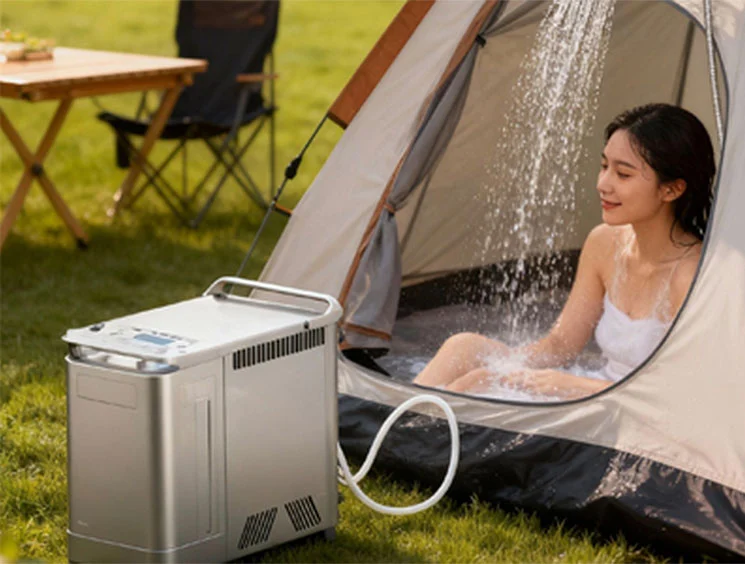
Modern propane rapid water heaters use heat exchanger coils to heat water instantly. Propane burners heat water rapidly. Propane is used for tankless hot water, decreasing standby energy losses. The latest models offer precise temperature control, automatic lighting, oxygen sensors, and flame failure prevention.
BTU output is higher for propane instantaneous heaters than electric ones. They may heat and circulate faster. A quality outdoor gas rapid hot water heater with 34,000 BTU can heat five litres per minute to a nice shower temperature in seconds, faster than electric devices that need stronger wiring. Solar heats seasonally, whereas propane heats year-round.
Recent innovations include smart control integration, rechargeable electronic batteries, and IP water ingress protection weatherproof construction. Improved hazardous area electronics dependability tackles long-standing issues. They provide mobile app-based remote monitoring.
Key Benefits of Using Outdoor Propane Instant Hot Water Heaters
Immediate Hot Water Delivery
Instant heating technology changes how things are done outside by getting rid of the wait times that come with tank-style heaters and campfire heating. Modern burner designs reach full operating temperature in just three seconds after being turned on. This is very important for time-sensitive tasks on construction sites where worker productivity is directly linked to how easy the facility is to use. Outdoor venues that serve food and drinks can keep their guests comfortable without having to deal with the space problems and wasted heat that come with storage tank systems.
Cost-Effective Operation
Propane fuel costs less than electricity in rural areas without grid infrastructure, and portable operation gets rid of the need for older propane storage heaters' constant pilot light fuel use. Overall fuel needs are thirty to forty percent lower than with tank-based systems that keep the water temperature steady because there are no standby heating costs. When propane transport infrastructure is already in place for heating, cooking, or generator fuel uses, operational economics get even better. This makes fuel handling and bulk buying easier.
Superior Portability and Installation Flexibility
The small size and light weight make it possible for one person to move and place it as operating needs change. Mobile work teams like it when equipment can be set up quickly and doesn't need to be permanently mounted or have complicated wiring changes made. Integrating an RV and a trailer takes up very little room and keeps all of the functions working. Many of these units weigh less than twenty pounds and can fit in normal storage spaces. Simple steps are needed to connect the propane, connect the water inlet, and route the discharge hose. This can be done by anyone following simple instructions in fifteen minutes or less.
Robust Safety Features and Compliance Standards
Good manufacturers add many safety layers, like automatic gas shutoff valves, overheat protection circuits, and anti-freeze drain systems that keep parts safe while they're stored in cold weather. Following the rules for CSA, CE, and ETL approval makes sure that goods pass strict tests for gas appliance safety, electrical system stability, and environmental operation parameters. Advanced models keep an eye on how well the fuel and air mix and change the ratios automatically. This stops dangerous incomplete combustion and improves performance at different temperatures and altitudes.
These advantages position propane instant heating systems as smart investments for businesses that need to make sure they always have hot water without having to worry about how their infrastructure will affect their ability to be flexible with their operations.
Installation and Maintenance Best Practices
Professional Installation Guidelines
For a proper installation to start, the site must be inspected to make sure there is enough airflow for combustion smoke to spread and that there are enough clearance distances from flammable materials as required by the maker. For propane supply lines to work, they need to be made of hoses or rigid pipes with certified fittings that can handle extreme temperatures and UV damage. Inline filtration should be used in water supply connections to keep sediment from building up in the heat exchanger passages. Discharge plumbing should be able to handle changes in temperature and pressure during heating cycles.
Mounting direction is based on what the maker recommends, which is usually a vertical setting with rain shields covering the electronic control modules and ignition components. Users should check their local codes to see if installing propane appliances is legal, get permits if needed, and hire licensed technicians for any changes to the gas system or permanent installations.
Routine Maintenance Procedures
Burner assemblies must be regularly examined for debris, heat exchangers descaled in hard water, and ignition electrodes cleaned to maximise performance. Replacement or pressure testing of propane supply valves and pipes annually prevents gas leaks. Clean the water inlet filters every three months to maintain flow. Use determines how frequently battery-powered ignition systems must be charged and replaced. The average lithium battery lasts four hours before needing a charge.
Draining the water system before it freezes, disconnecting the propane tank for storage, and protecting sections from rain and UV rays are seasonal preparations. These maintenance measures can extend the life of your Outdoor propane instant hot water heater by over ten years and reduce field safety issues and malfunctions. Maintenance schedules and service logs aid organisations with warranty claims and safety inspections by proving schedule compliance.
Comparing Outdoor Propane Instant Hot Water Heaters with Alternatives
Performance Advantages Over Electric Systems
Propane combustion produces more heat per unit area than practical electric heating elements. This means that small designs can deliver the same or more hot water volumes. A 10,000-watt electric instant heater uses more than forty amps at standard voltage, which means it needs a lot of electrical infrastructure that isn't always available in remote areas. On the other hand, similar propane units don't need to be connected to the power grid and only need low-voltage ignition and control systems. Adding batteries to more modern propane models lets them work fully off-grid, which isn't possible with electric models. This makes placement truly portable in a variety of places.
Reliability Compared to Solar Heating
Solar thermal systems are good for the environment, but they don't always work right when it's cloudy, in the winter, or early in the morning or late at night, when people need a lot of hot water. Propane systems give consistent output no matter the weather or time of day, which is very important for businesses that need reliable service. When sun preheating is combined with propane supplementation, balanced solutions are found. However, the system is more complicated and costs more to set up than solo propane instant heaters.
Market Options and Brand Considerations
Established brands like Eccotemp, Rinnai, and Takagi are known for being reliable and have large dealer networks and easy access to parts. These are all important factors for procurement teams that put long-term support and warranty service at the top of their list of priorities. New smart technology integrations from specialized makers offer advanced features like smartphone control interfaces, cloud-based monitoring, and predictive maintenance alerts that are appealing to businesses that want to see how their operations are running and be able to handle them remotely.
When purchasing, workers look at different suppliers; they should check their certifications, warranties, how easy it is to get expert help, and how long it takes to get replacement parts. When you work directly with a maker, you can often make changes to OEM and ODM applications that let you use brand-specific design elements and feature combinations that aren't available through normal distribution channels.
Procurement Insights: Making the Smart Choice for Your Business
What You Need to Know About Procurement to Make the Right Choice for Your Business involves matching Outdoor propane instant hot water heater technical specs to your operational requirements.
Technical Specifications Assessment
The first step in evaluating performance is to make sure that the expected usage trends match the BTU output and flow rate capability. A 34,000 BTU machine that delivers 5 liters per minute can be used for handwashing and cleaning at the same time or for a single shower, which is enough for small crew facilities or an RV used by one person. For bigger operations, you might need more than one unit or models that can produce 50,000 BTU or more with higher flow rates. Using the initial water temperature and the desired exit temperature to figure out the temperature rise helps with the right-sizing, so you don't end up with equipment that is too small or too big, which isn't working well.
Off-grid runtime is directly affected by battery capacity. For example, 10,000mAh lithium systems can run continuously for four hours before they need to be charged again. When planning a long-term remote operation, companies should look into the different ways to charge their batteries, such as solar panels, car charging adapters, and the availability of extra batteries.
Supplier Selection Criteria
Along with product requirements, a supplier's assessment should include manufacturing quality certifications like ISO 9001:2015 compliance, which demonstrate systematic quality management. Production lead times impact projects. Capable manufacturers have 45-day manufacturing cycles for fast order fulfilment. Customisation capabilities enable OEM and ODM partnerships for firms that wish to brand their goods or modify features, colour schemes, or packaging.
Product manufacturing defects are covered by one-year warranties. Extended coverage is offered for key sections. Full after-sales service, including professional advice, maintenance training, and replacement parts programs, reduces total ownership expenses and operational disruptions. Purchasing teams might benefit from creating partnerships with heater manufacturers because they provide open communication, continuous product availability, and varied order quantities for trial projects and large-scale manufacturing.
Conclusion
In conclusion, for businesses that need dependable, transportable, and cost-effective hot water solutions in a variety of operational settings, Outdoor propane instant hot water heaters offer significant advantages. Because they heat up quickly, use little fuel, can be installed in a variety of ways, and have strong safety features, these systems are smart purchases that will help with comfort and productivity in tough conditions. When purchasing managers fully understand the capabilities, performance traits, and evaluation criteria for suppliers, they can confidently recommend solutions that meet the needs of the organization while minimizing the total cost of ownership. As smart technology integration gets better and manufacturing quality standards keep going up, propane instant heating systems become more useful in business, industrial, and leisure settings that need top-notch performance without any infrastructure problems.
FAQ
1. What is the expected lifespan of commercial-grade propane instant water heaters?
Quality outdoor propane instant hot water heaters usually last eight to twelve years if they are well taken care of, which is as long as or longer than standard tank-style heaters. Lifespan depends on how well the water is treated, how much it is used, and how often it is maintained according to the manufacturer's instructions. Descaling treatments should be done on a regular basis on units that work in hard water areas. Seasonal storage and draining habits help keep parts from freezing, which extends their life.
2. How do maintenance requirements differ from electric instant heaters?
Propane systems need more care for the combustion parts, like cleaning the burner, maintaining the flame sensor, and checking the ventilation, which isn't needed for electric systems. Gas supply connections need to be checked for leaks, and hoses need to be replaced at times specified by the maker. On the other hand, propane units don't have the problems with electrical link corrosion and heating elements that burn out that happen with high-amperage electric heaters. This makes upkeep issues more even across different types of technology.
3. Are propane instant heaters safe for enclosed outdoor structures?
When installed correctly and with enough combustion air supply and exhaust ventilation, units can safely work in partially enclosed areas like covered patios, equipment shelters, and RV exterior compartments. Installations must follow clearance guidelines to keep nearby materials from getting damaged by heat and to make sure that all exhaust is spread out completely. Carbon monoxide monitors add an extra layer of safety in enclosed spaces, and oxygen depletion sensors built into high-quality heaters turn them off immediately when they sense that there isn't enough airflow.
Partner with TOJIRO for Premium Outdoor Propane Instant Hot Water Heater Solutions
TOJIRO Electric Appliances makes outdoor propane instant hot water heaters that are designed for tough commercial and industrial uses by combining traditional Japanese precision craftsmanship with modern manufacturing technology. Our production facility, which is ISO 9001:2015 certified, follows strict quality standards that make sure every unit works well and is reliable. We focus on OEM and ODM relationships that help brands grow by offering a wide range of customization options, such as designing the user interface for apps, the look of the enclosure, and package solutions that fit your market positioning.
Our portable water heater with a 34,000 BTU output, a smart app for control, a 10,000mAh battery, and instant heating in three seconds is the newest and best way to heat your outdoor space. The fanless design makes sure that the machine runs quietly, which is good for nature settings, and the smart temperature management keeps you comfortable even after long periods of use. As an experienced maker of Outdoor propane instant hot water heaters, we help procurement teams by offering quick forty-five-day production cycles, a full one-year warranty, and dedicated technical support that makes sure the project goes smoothly from the design stage to deployment.
Connect with our tech team to talk about your unique needs and find out how TOJIRO solutions can help you reach your operational goals. To get detailed technical specifications, certification paperwork, and customization options, email us at [email protected]. We welcome inquiries from brands that want to make their products stand out by combining innovation, quality, and a reliable manufacturing partnership.
References
1. Chen, M. & Roberts, D. (2023). Comparative Analysis of Propane and Electric Instantaneous Water Heating Systems in Commercial Applications. Journal of Building Services Engineering, 44(3), 287-301.
2. National Propane Gas Association. (2022). Propane Appliance Safety Standards and Installation Guidelines. NPGA Technical Publication Series, Volume 12.
3. Williams, K. (2023). Off-Grid Hot Water Solutions: Technology Assessment for Remote Operations. Industrial Equipment Quarterly, 58(2), 112-128.
4. International Association of Plumbing and Mechanical Officials. (2024). Uniform Mechanical Code: Fuel Gas Piping and Appliance Installation Standards. IAPMO Codes and Standards Division.
5. Thompson, J. & Martinez, A. (2023). Energy Efficiency Metrics for Tankless Water Heating Systems. Energy Management Review, 37(4), 445-462.
6. Outdoor Industry Manufacturing Council. (2023). Quality Standards and Certification Requirements for Portable Gas Appliances. OIMC Technical Bulletin 2023-07.

USER EVALUATE
Here is the customer's evaluation of us
_1763609661748.webp)
_1763607744591.webp)
_1763607708566.webp)