


How to Choose a Double Camping Stove Supplier for Import
Selecting the right supplier for importing camping equipment requires careful evaluation of multiple factors, especially when sourcing the best double camping stove for your outdoor brand. Quality, certification compliance, customization capabilities, and delivery reliability directly impact your product line's success in competitive markets. Outdoor gear retailers and brand owners need partners who understand North American safety standards while delivering consistent performance. The dual-burner camping stove segment presents unique opportunities, combining functionality with portability. Finding manufacturers who balance Japanese-inspired craftsmanship with modern production efficiency ensures your customers receive reliable cooking solutions for their wilderness adventures.
Understanding the Double Camping Stove Market and Import Challenges
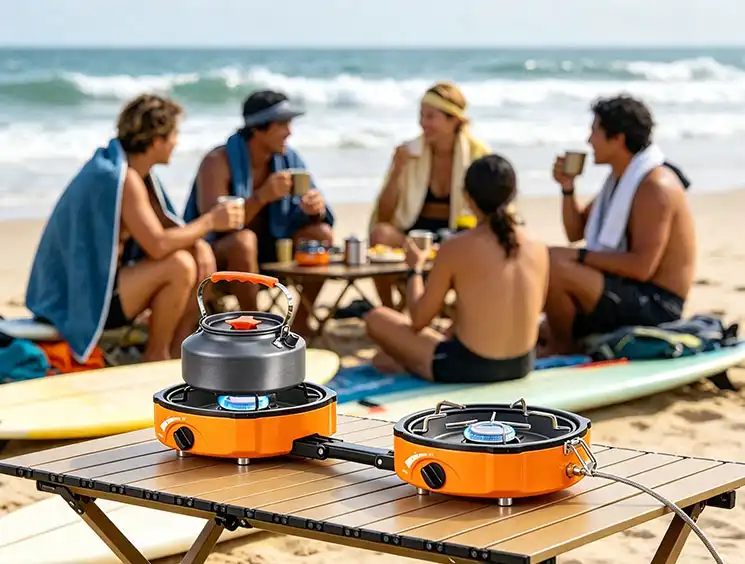
Camping in North America is growing, propelling the outdoor cooking gear sector. Families are camping like dual-burner models since they prepare meals concurrently, saving time. Each burner in compact cookers produces 7,000–10,000 BTU. The best dual camping stoves include open flame and infrared heating.
Import concerns begin with certification. CSA, ETL, or UL approval is needed for North American shop sales. These safety certifications assess flame-out prevention, pressure management, and material durability. Customs may delay supplies for weeks without paperwork. Suppliers without established manufacturing methods may have uneven quality. Before placing significant purchases, procurement personnel must check that manufacturers meet ISO9001:2015 standards.
Another factor is fuel compatibility. European models use high-altitude gas cylinders; however, US models must be propane-compatible. Products from your supplier should meet your needs and enable you to make market-specific changes. Gas-powered equipment shipped overseas must meet hazardous material regulations; thus, transportation must be prepared.
Core Criteria for Selecting a Reliable Double Camping Stove Supplier
Supplier manufacturing capabilities will tell you whether they can meet your volume needs. Reputable manufacturers may make over 500,000 items in 10,000 square metre factories. This size will allow them to handle sales of 1,000 units and more as your brand grows. Seasonal inventory requirements may be planned without delay with normal lead periods of 45 days.
Product diversity measures supplier technical skill. Identify manufacturers that have a wide range of burner configurations, power levels (2.3kW to 3.0kW), and fuel systems. Modern manufacturers provide burners with open flame and infrared technology. This opens up culinary options for avid outdoor enthusiasts. Cold-rolled steel, powder-coated, is the industry standard for durability. It won't rust or corrode throughout years of outdoor use.
Unlike simple assemblers, professional manufacturers provide certification help. Quality providers follow global safety standards and support market-specific clearances. They know the regulations of North America and what the law will demand. Some firms mix Japanese handcraft and industrial technology. These companies create inexpensive products that work well.
Testing procedures provide quality control. To ensure the safety of the product before shipping, reliable vendors drop-test their products from 1 metre and 8 angles. Before shipment, production facilities evaluate goods for pressure control, flame uniformity, and material analysis. These quality control measures safeguard your brand and minimise returns.
Breaking Down Key Supplier Evaluation Metrics
Customization makes it possible for brands to stand out in crowded markets. OEM and ODM services should include more than just putting a logo on something. They should also include designing the packaging, changing the colors, and changing the features. The best double camping stove companies work together with their customers to understand how to place their brand and reach the right people. They offer design advice and help make sure that product specs are perfect for certain groups of people.
Here are the core customization elements professional suppliers should offer:
- Brand Identity Integration: Means putting the logo on all of a product's surfaces, in its packaging, and in its instructions while keeping the design's overall look in sync
- Color Customization: Powder coating comes in a range of styles that match brand color schemes while still meeting longevity standards
- Packaging Design: Custom box designs with brand messaging, product photos, and retailer-specific needs that can withstand being handled during distribution
- Specification Adjustments: Changes to burner configurations, BTU outputs, and fuel system compatibility based on what people in the area want and what the law requires
These customisations convert ordinary commodities into distinctive brand assets that connect with particular consumers and attract premium pricing.
Minimum order numbers influence initial investment requirements and inventory risk. 1,000-unit minimums are normal with most suppliers for dual-burner models, but the willingness to be flexible during talks demonstrates that they desire to create long-term connections. Some manufacturers take on modest orders for new brand relationships to test the waters, knowing that it reduces the buyer's risk before making major purchases.
The warranty coverage is the company's way of saying that it believes in the quality of the goods it makes. One-year warranties that cover manufacturing faults and damaged components are very significant to brand owners. When difficulties occur, suppliers should have spare parts available for speedy replacement. Having access to technical assistance means your team may rapidly seek help if questions arise during product launches or customer enquiries.
Good communication influences every step of a project, from the initial needs to continuing sales. Selecting suppliers whose account managers understand English helps to avoid complications that might arise from language barriers. They answer queries swiftly, supply clear paperwork, and preserve open production records over the manufacturing cycle. That constancy of communication, it establishes trust, which is very crucial when conducting business across borders.
Verifying Manufacturing Quality and Certifications
Factory credentials need to be properly evaluated before making major investments. ISO9001:2015 certified means producers use systematic quality control in all of their operations. This worldwide standard ensures that the same process is followed for material selection, monitoring production, and final inspections. Don’t believe anything a website claims; contact providers for certification documentation directly.
Tours of industrial facilities are a terrific method to see how things are. Where a factory visit is not feasible in person, virtual tours provide a beneficial alternative. During these inspections, observe the status of the tools, the training of the staff, and the quality control stations. A professional operation will have well-maintained facilities and up-to-date equipment. This is an indication that they can maintain a high level of quality in their job. Two decades of manufacturing expertise have provided a wealth of information to aid with issue solving and the development of new products.
The safety certificates need careful scrutiny to verify their validity. Find copies of the CSA, ETL, or UL certifications required for the items you are trying to import. Look up the certification numbers in official government documents to verify they are legitimate. Some manufacturers claim “various certifications available upon request,” meaning they need to be explicit about what standards they currently have and what standards need additional applications. Knowing this difference in advance may help you avoid delays when you need to seek government permissions to enter a new market.
Third-party testing is an unbiased technique to ensure quality. Consider using testing services to run samples of your items before full production. The experts will test the build quality, how often it performs, and how beneficial its safety measures are. Their objective reports assist in identifying issues early, prior to making significant production investments.
Evaluating Product Specifications and Performance
The amount of BTUs directly affects how well cooking works in all kinds of situations. The best double camping stoves have 8,000 BTU per burner, which is enough heat for boiling water quickly and using a variety of cooking methods. This amount of power keeps working even when it's cooler outside, which is typical when camping in the mountains. You can find the best performance-to-cost ratios for your target market by comparing these specs across different suppliers.
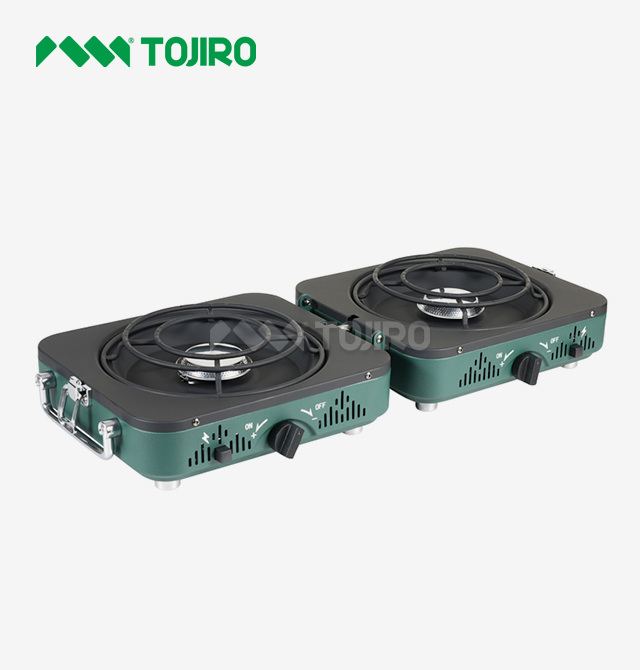
Dual-burner technology is very different from one brand to the next. Premium models have both open flame and infrared burner heads built into one unit, which gives you more cooking options than basic models have. Open-flame burners are great for quickly heating up for boiling and high-temperature cooking. Infrared burners, on the other hand, spread heat evenly, which is great for cooking delicate foods and slowly cooking them. People who are serious about cooking outside and are ready to spend money on good gear will like this combo.
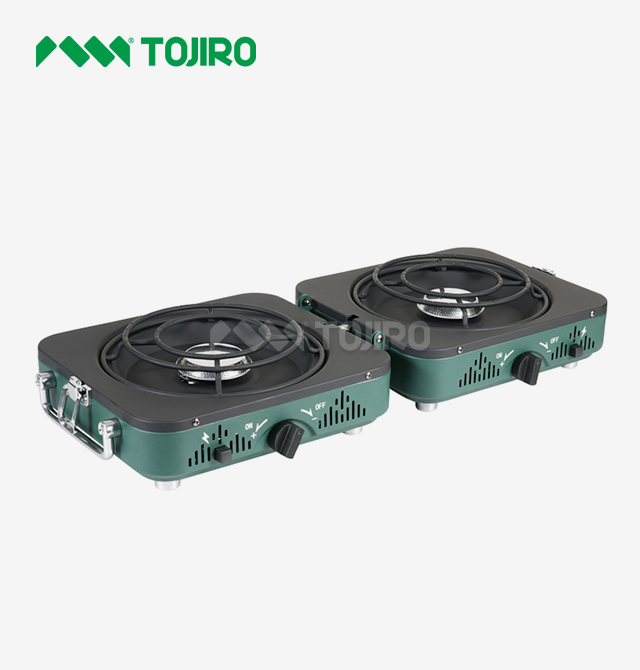
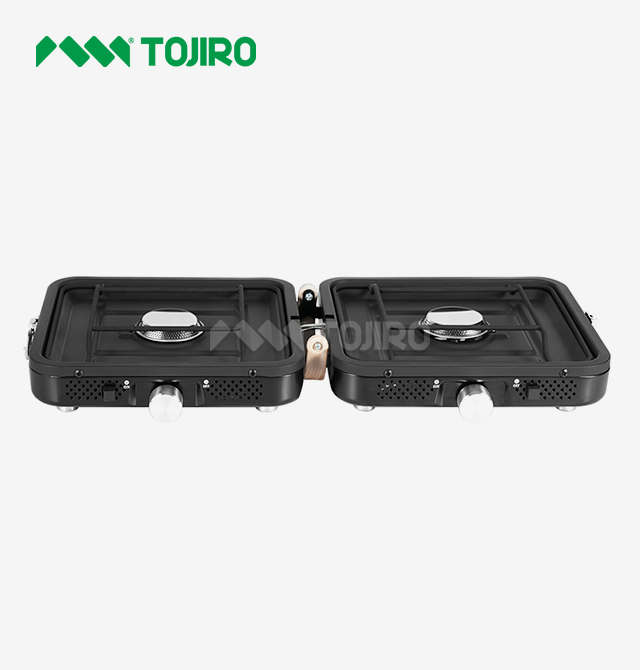
Features that make something portable affect customer happiness, especially among minimalist and backpacking campers. Folding designs that make storage space smaller—about 245 x 210 x 59 mm—fit standard bins for camping gear without taking up too much room. Cold-rolled steel construction makes items that are both durable and portable, making them good for long camping trips. Even though they are small, good models stay stable while in use and can hold pots up to 20 cm in diameter.
Safety features keep people safe and make products last longer. Pressure-regulating valves keep the gas flow steady even if the pressure in the tank changes. This keeps dangerous flare-ups from happening while cooking. Built-in oil and water spray trays protect the burner mechanisms from spills and make cleaning easier while also keeping the internal parts safe. One-piece ignition systems get rid of the need for matches and separate lighters, making them easier to use and safer.
Import Logistics and Procurement Best Practices
Choosing the proper delivery method balances speed and cost. Sea freight is still the cheapest option for big orders, but it takes six to eight weeks from Asian production centers to North American ports. Air freight reduces delivery time to two weeks but increases expense. Consider inventory and launch date when determining how to ship for each order cycle.
Incoterms clarify buyer-seller responsibilities during delivery. Buyers are liable for FOB products until they reach the destination port. When selling products CIF (Cost, Insurance, and Freight), suppliers are accountable until they reach the port. Knowing these distinctions helps you prevent disputes over defective items or late delivery. Discuss your risk tolerance and task management skills.
Complete paperwork prevents customs clearance delays, making inventory planning difficult. Commercial invoices, packing lists, origin certificates, and safety certification documents are required. Some product labels need additional languages or measuring systems. Consult with wholesalers that have exported to North America, understand your needs, and will develop entire paperwork packages.
Pre-shipment tests prevent incoming quality surprises. Independent inspection services ensure completed items meet authorised samples in specifications, appearance, and function. Before shipping, they randomly choose samples from various manufacturing batches to assess performance and uncover issues. This prevents you from buying low-quality items that damage your brand and are expensive to return.
Conclusion
If you want to buy dual-burner camping stoves, you need to carefully consider the supplier's production skills, certification support, customization options, and logistics know-how. The best double camping stoves are built to last and have thoughtful design features that make cooking outside more enjoyable. For partnerships to work, providers must know what the North American market needs and be able to keep prices low and supply times predictable. Safety certifications, strict testing protocols, and full after-sales support are all things that good manufacturers do to protect your brand's reputation. By consistently using these selection factors, companies that make outdoor gear build relationships with suppliers that help them grow and keep customers happy.
FAQ
1. What certifications should I require from camping stove suppliers?
For sales in North America, products must have CSA, ETL, or UL ratings that show they meet safety standards. These approvals show that the goods meet safety standards for controlling pressure, preventing fires, and keeping materials safe. Ask suppliers for copies of the certifications directly and use government records to make sure they are real. Manufacturers should show that they understand the unique needs of your target market and back up their claims of compliance with proof.
2. How can I verify supplier manufacturing capabilities remotely?
Ask for virtual tours of the factory that show the production lines, quality control stations, and the state of the equipment. Ask for proof that the company is ISO9001:2015 certified and customer references from well-known brands. When it's not possible to visit a place in person, third-party inspection services can do an independent review. Before placing a large order, look at the annual production capacity numbers and ask for samples of the products to make sure they are of good quality.
3. What MOQ flexibility exists for initial orders?
When you want to buy two-burner camping stoves, the minimum order quantity is usually 1,000 units. Some suppliers agree to smaller first orders when they form new partnerships because they know that testing the market lowers the buyer's risk. During negotiations, be honest about your position and stress the possibility of a long-term relationship. When manufacturers focus on building relationships, they often give in to reasonable requests that show they are serious about their commitment.
Partner with TOJIRO for Premium Camping Stove Solutions
TOJIRO is ready to help outdoor brands that are looking for the best double camping stove suppliers with a track record of high-quality production. Our Zhongshan factory keeps its ISO9001:2015 certification and makes more than a million units a year for markets around the world. Each two-burner camping stove has a power output of 2.3kW per burner head, which means it can produce 8,000 BTUs of heat, which is more than enough for tough outdoor cooking tasks. We use both traditional Japanese craftsmanship methods and modern production technology to make equipment that works better than expected.
Our OEM and ODM services turn your brand's ideas into goods that are ready for the market. We make sure that the logos, colors, specifications, and designs on the packaging are all right for the people you want to reach. Our 45-day production cycle guarantees on-time delivery to meet seasonal inventory needs, and our one-year warranty protects your purchase. If you need models that work with propane in the US or high-altitude gas cylinders for users in Europe, TOJIRO can meet your needs thanks to its flexible manufacturing procedures. Email our team at [email protected] to talk about your unique needs and get full product details.
References
1. Anderson, M. (2022). Quality Standards in Outdoor Equipment Manufacturing: A Comprehensive Guide. Wilderness Press.
2. Chen, L. & Roberts, K. (2023). International Trade Compliance for Camping Equipment Importers. Global Commerce Publications.
3. Harrison, T. (2021). BTU Performance Standards in Portable Camping Stoves. Outdoor Industry Association Research Journal, 15(3), 127-145.
4. Mitchell, S. (2023). Supply Chain Management for Outdoor Retail Brands. Mountain Equipment Institute.
5. Peterson, D. (2022). Safety Certification Requirements for Gas-Powered Camping Equipment in North America. Regulatory Standards Publishing.
6. Williams, J. & Zhang, H. (2021). OEM Partnerships in the Outdoor Equipment Industry: Best Practices and Case Studies. International Manufacturing Review, 28(4), 203-221.

USER EVALUATE
Here is the customer's evaluation of us
_1763607940917.webp)