



Windproof and explosion-proof stoves combine advanced safety engineering with dependable outdoor performance. From stable flame control in high winds to multi-layer gas protection against leaks and explosions, these stoves solve critical cooking challenges in harsh environments. Whether for commercial operations or serious outdoor enthusiasts, investing in professional-grade equipment like a Windproof and Explosion-proof Stove ensures safer, more efficient, and consistently reliable cooking wherever conditions demand it.
What Makes a Windproof Explosion-proof Stove?
April 20, 2026
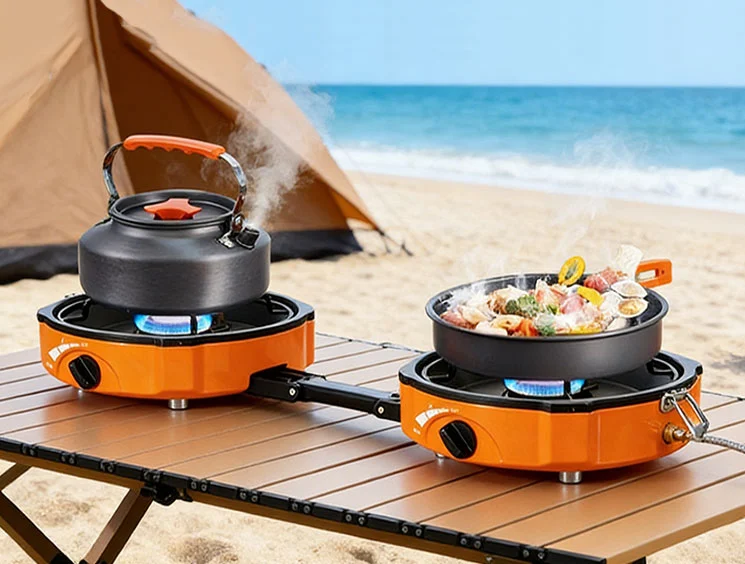
What makes a Windproof and Explosion-proof Stove truly exceptional? The answer lies in innovative engineering that combines robust safety features with reliable outdoor performance. A genuine windproof explosion-proof stove incorporates specialized burner designs that maintain consistent flame control in challenging weather conditions while featuring multiple safety mechanisms to prevent gas buildup and potential hazards. These stoves, such as a Windproof and Explosion-proof Stove, utilize advanced combustion chambers, pressure regulation systems, and wind-resistant flame patterns that ensure stable cooking performance whether you're camping in mountain valleys or cooking on exposed coastlines.
What is a Windproof and Explosion-proof Stove?
A windproof and explosion-proof stove represents the pinnacle of outdoor cooking safety and reliability. These specialized cooking devices feature engineered burner systems designed to maintain stable flames in windy conditions while incorporating multiple safety mechanisms to prevent dangerous gas accumulation.
Windproofing is accomplished by the use of burner heads as well as combustion chambers that have been meticulously constructed to provide shielded flame zones. Recessed burner creates, wind shields, and sophisticated air-fuel mixing systems are the means by which manufacturers accomplish this goal. These systems are able to maintain a steady heat output even when confronted with high crosswinds. The explosion-proof element centers on preventing gas buildup through pressure regulation valves, automatic shutoff mechanisms, and leak-resistant connections.
The majority of contemporary windproof camping stoves are equipped with a mix of infrared and traditional flame burner units. Infrared elements provide focused heat that is resistant to interference from wind, yet open flame burners give the variety that is characteristic of conventional cooking methods. Overpressure protection, burning detection, and emergency shutdown capabilities that operate automatically when unsafe circumstances exist are all features that are included into safety gas stove designs.
Professional-grade explosion-proof burner systems undergo rigorous testing to meet international safety standards. These devices must withstand drop tests, pressure variations, and extreme temperature fluctuations while maintaining their protective features. Quality manufacturers like TOJIRO integrate traditional Japanese engineering precision with modern safety technologies to create reliable outdoor cooking solutions.
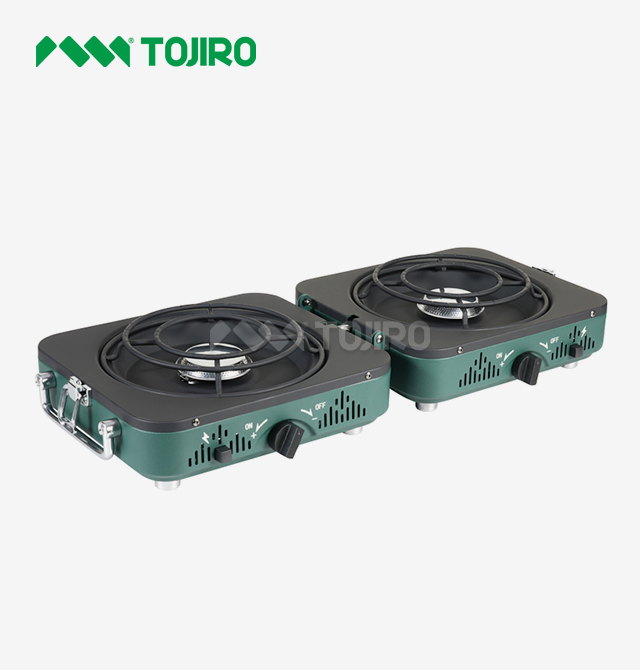
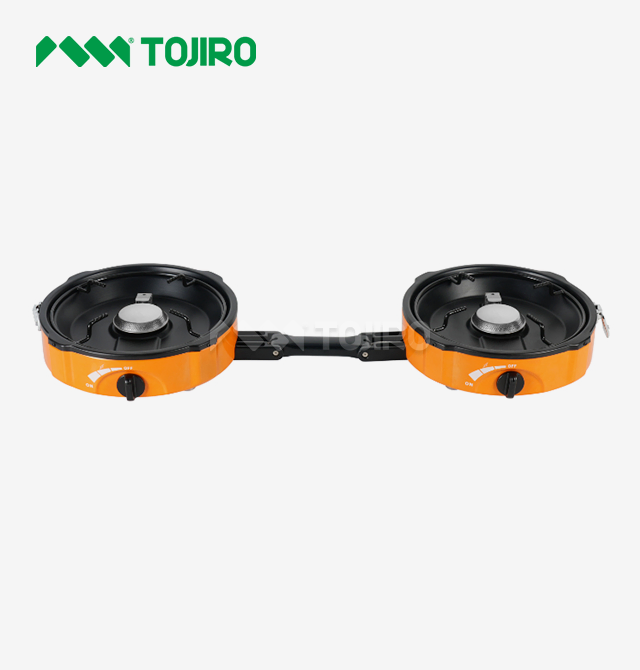
An example of this technology could be the TOJIRO Petroleum Stove TJR-BK39, which has two burners that each have a capacity of 2.3 kW and provide 8000 BTU of output. While the incorporated pressure regulating valve assures constant operation throughout a wide range of altitude circumstances, the cold-rolled steel structure with powder coating adds longevity to the product.
The Problem These Stoves Solve
The use of normal kitchen equipment is not able to solve the specific issues that are presented by cooking outside. Inconsistent heating, longer cooking times, and the possibility of significant safety issues when flames becoming unpredictable are all consequences of wind interference, which makes cooking experiences less enjoyable. Traditional camping stoves sometimes fail to function well in situations of moderate wind, compelling those who like being outside to seek out protected cooking places or completely forego the preparation of meals.
Explosion risks emerge from inadequate gas handling systems in portable cooking devices. Poor connections, faulty pressure regulation, and design flaws can create dangerous gas accumulations that threaten user safety. Statistics from outdoor safety organizations indicate that cooking equipment failures account for significant percentages of camping accidents annually.
Professional outdoor guides, camping rental companies, and institutional buyers face particular challenges when selecting reliable cooking equipment. Their operations depend on consistent performance across varying weather conditions and diverse user skill levels. Equipment failures in remote locations create serious logistical and safety concerns that standard consumer stoves cannot reliably address.
These issues are addressed by the wind resistance burner technology, which creates steady cooking settings independent of the weather conditions. The most recent designs for portable outdoor stoves integrate measures that keep flame patterns constant while also reducing gas-related problems via the use of several backup safety systems.
TOJIRO is aware of these problems that often arise in the business and develops solutions that cater to a wide variety of consumer sectors. Windproof exploding stoves provide an important level of dependability that ordinary equipment is unable to match. This is true whether the stoves are used to support camping gear rental organizations that need high durability or government organizations that want uniform safety compliance.
Corporate hospitality customers that operate glamping sites along with outdoor event venues demand cooking equipment that is able to work reliably while decreasing the amount of safety training that is required. It is necessary for these professional applications to have equipment that surpasses the standards of consumer-grade products while also being user-friendly for users with varying levels of expertise.
Core Features and Functionality Deep Dive
The basis of efficient windproof cooking equipment is the use of cutting-edge burner technology. It is possible to cook in a variety of ways with dual burner systems since they include a variety of heat distribution mechanisms that are designed for use in outdoor environments. Within a single compact appliance, the combination of thermal and plain flame burners provides a full range of cooking options.
Infrared burner elements, such as those integrated into a Windproof and Explosion-proof Stove, create concentrated heat zones that penetrate wind interference more effectively than traditional flame patterns. These systems achieve higher thermal efficiency through focused energy delivery that reduces fuel consumption while maintaining consistent cooking temperatures. The infrared technology proves particularly valuable for tasks requiring steady heat like simmering sauces or maintaining warming temperatures.
Open flame burners are a useful addition to infrared systems because they provide the flexibility of conventional cooking methods for using techniques that need direct flame contact. These burners have unique features that allow for the creation of shielded combustion zones while yet allowing for accessibility for a wide range of cookware dimensions and cooking styles.
Pressure regulation systems are essential safety components that provide consistent gas supply regardless of the environmental circumstances that may be present. Pressure regulating valves of high quality are able to automatically alter the flow of gas in order to ensure constant burner performance independent of variations in altitude or temperatures that might impact the pressure maintained in the gas canister.
A complex pressure management system is included into the TOJIRO Shell Stove, which enables it to function in conditions ranging from below the sea level to high- elevation situations. Additionally, this mobility proves to be crucial for users who are traveling across a variety of geographical locations, where variations in altitude have a significant impact on the functioning of typical gas equipment.
Using ignition methods that just need a single touch eliminates the need to rely on other flame sources while still delivering dependable starter capabilities under difficult situations. Through the use of voltage ignition technology, constant spark patterns are generated, which allows for the rapid lighting of burners without the need for matches or other independent igniting devices, which are susceptible to failure in windy situations.
Disposable drip trays are included as part of the spill control features. These trays are designed to collect cooking debris while also protecting stove components from contamination. The use of high-temperature water and oils spray trays makes cleaning much simpler while also minimizing the buildup of grease, which might lead to the development of fire dangers during future cooking sessions.
Wind shield integration protects flame zones without restricting airflow needed for proper combustion. These engineered barriers redirect wind patterns around burner areas while maintaining adequate ventilation for safe operation and optimal fuel efficiency.
Technology Behind Windproof and Explosion-proof Design
Engineering excellence drives the sophisticated technology that makes windproof explosion safe cooking possible. Combustion chamber design utilizes fluid dynamics principles to create stable flame zones that resist external air currents while maintaining efficient fuel consumption ratios.
Advanced materials science contributes significantly to explosion proof kitchen appliance development. Cold-rolled steel construction provides structural integrity while specialized powder coating treatments resist corrosion and thermal stress that outdoor equipment encounters. These materials maintain their protective properties across temperature ranges from freezing conditions to intense summer heat.
There are several safety redundancies that are included into gas flow engineering in order to avoid potentially hazardous pressure accumulations or leak situations. Primary pressure control ensures that appropriate operating pressures are maintained, while backup safety valves give emergency pressure relief in the event that primary systems fail to function properly.
For the purpose of avoiding overheating, which might potentially cause damage to the components of the equipment or create safety issues, thermal management mechanisms distribute heat uniformly throughout the cooking surfaces itself. For the purpose of protecting structural parts while focusing maximum energy onto culinary applications, a design that strategically dissipates heat is used.
Recent developments in ignition technology have made it possible to achieve dependable starting capabilities that are able to perform consistently regardless of the environmental circumstances. In order to successfully ignite fuel mixes, modern voltages ignition systems create adequate spark energy. At the same time, these systems use minimum battery power, which allows them to have their operating capability extended.
Prior to the items being sold to clients, quality control procedures guarantee that each and every safety system operates within the limits that have been defined. The production plant that is accredited to ISO9001:2015 by TOJIRO employs stringent testing processes that check the precision of pressure control, ignition reliability, plus structural integrity via the use of standardized assessment techniques.
The accuracy of manufacturing is a reflection of the seamless integration of traditional Japanese craftsmanship with contemporary industrial capabilities. This combination results in the production of cooking equipment that satisfies stringent tolerance criteria while preserving cost-effectiveness for business needs that demand choices for bulk purchase.
Key Advantages and Selling Points
Superior performance consistency distinguishes professional-grade equipment like the Windproof and Explosion-proof Stove from consumer alternatives. Commercial-quality construction ensures reliable operation across thousands of cooking cycles while maintaining safety system integrity that protects users and equipment investments.
Operational efficiency translates directly into cost savings for commercial applications. Reduced fuel consumption through optimized combustion technology lowers operating expenses while faster cooking times increase productivity for rental operations and hospitality applications.
The fact that these stoves are versatile across a variety of market categories makes them attractive for a wide range of organizational applications. When it comes to camping rental firms, corporate event organizers, and government organizations, the same machinery serves all of these groups well while also giving modification possibilities that are tailored to fit unique operating needs.
Maintenance simplicity reduces long-term ownership costs through user-friendly cleaning procedures and robust component design that minimizes repair requirements. Easy maintenance features prove particularly valuable for rental operations where equipment must remain operational across multiple user cycles with minimal downtime.
Compliance with safety standards goes beyond the criteria that are typically expected via exhaustive testing and certification procedures. In addition to providing the paperwork that is necessary for security checks and compliance reporting, equipment that exceeds the requirements of procurement regulations is beneficial to purchasers in the government and institutional establishments.
The trust that commercial customers have in their ability to make major investments in equipment is a result of the brand reputation that has been built up over decades of manufacturing excellence. In the field of gas appliance manufacture, TOJIRO has a well-established track record, which provides confidence that supports warranty plans and customer service obligations offered by the company.
Ability to customize products enables original equipment manufacturer (OEM) agreements, which in turn enable other businesses to sell high-quality cookware under their private labels. Manufacturing competence and flexible minimum order numbers allow for a wide variety of cooperation arrangements to be supported while also ensuring that quality standards are maintained throughout all production runs.
Windproof and Explosion-proof Stove vs. The Competition
Market differentiation becomes evident when comparing professional-grade windproof cooking equipment against standard camping stove alternatives. Traditional consumer stoves prioritize low cost over performance consistency, resulting in equipment that fails under challenging outdoor conditions when reliability matters most.
Coleman and Jetboil are two of the most significant rivals in the market for portable camping stoves; nevertheless, their primary emphasis continues to be on small backpacking application rather than on dependability that is suitable for commercial production. Despite the fact that these businesses provide cutting-edge consumer goods, they do not possess the sturdy structure and safety elements that are necessary for commercial applications.
Professional-grade wind resistant cooking stove equipment provides superior performance consistency through engineered solutions that maintain stable operation across varying environmental conditions. Consumer alternatives often struggle with wind interference, altitude changes, and intensive usage cycles that commercial operations demand.
Safety feature integration distinguishes commercial-grade explosion proof equipment from consumer alternatives that may lack comprehensive pressure regulation, automatic shutoff capabilities, and robust construction required for professional applications.
TOJIRO's competitive advantages include customization capabilities that allow OEM/ODM partnerships, flexible minimum order quantities that serve diverse commercial needs, and manufacturing expertise that ensures consistent quality across production runs. These capabilities prove particularly valuable for retailers and white-label partners seeking reliable supplier relationships.
Price positioning reflects quality differences while providing value propositions that justify investment costs through operational efficiency gains, reduced maintenance requirements, and extended service life that commercial applications require.
Warranty programs and customer service capabilities support commercial buyers through comprehensive coverage that protects equipment investments, such as the Windproof and Explosion-proof Stove, while providing the technical support needed for professional applications across diverse market segments.
Target Audience and Ideal Use Cases
Camping equipment rental services are the major clients that are looking for outdoor a gas stove equipment that is exceptionally robust, can sustain intense use cycles, and requires minimum maintenance in between rentals. These activities are dependent on the dependability of the equipment, which minimizes the likelihood of client discontent and interruptions to the operations.
Clients in the corporate hospitality industry that operate glamping facilities and outdoor event locations demand cooking equipment that brings together professional performance with an easy-to-use interface. These applications need consistent outcomes across a wide range of user expertise while also meeting safety criteria that safeguard corporate operations.
Government and institutional purchasers, such as national parks, emergency assistance organizations, and educational institutions, give priority to purchasing equipment that complies with stringent procurement standards while also offering uniform performance across a variety of operating conditions.
Through its manufacturing knowledge and customization capabilities, TOJIRO is able to provide OEM/ODM partners that are looking for a quality camping stove with security functions for white-label applications with the benefits of this product. These partnerships make it possible to generate chances for the brand while simultaneously assuring product quality that contributes to the delight of customers.
The establishment of dependable supplier agreements that provide inexpensive prices, high brand awareness, and rates of inventory turnover that enable profitable operations is essential for retailers and online platforms that serve outdoor recreation industries.
Emergency preparedness applications value reliable cooking capabilities that function independently of electrical power while providing safe operation for users with varying technical experience levels.
For lengthy excursions, professional outdoor operators and activity tour operators demand reliable equipment that can work consistently over a wide range of severe environmental conditions and can also support a variety of culinary requirements.
RV and van life lovers want small cooking solutions that enhance functionality while decreasing storage requirements of mobile living applications. These solutions must be able to accommodate various applications.
Conclusion
FAQ
Q1: How do windproof features actually work in challenging weather conditions?
Windproof technology utilizes specialized burner chamber designs that create protected combustion zones through strategic air flow management. Recessed burner heads and integrated wind shields redirect air currents around flame areas while maintaining adequate ventilation for proper combustion. Infrared burner elements provide concentrated heat delivery that penetrates wind interference more effectively than traditional open flames.
Q2: What specific safety features prevent explosion risks in portable gas stoves?
Explosion prevention relies on multiple safety systems including pressure regulating valves that prevent dangerous gas buildup, automatic shutoff mechanisms that activate during flameout conditions, and leak-resistant connection systems that maintain secure gas delivery. Quality manufacturers implement overpressure protection and emergency relief valves that automatically vent excess pressure before dangerous accumulation occurs.
Q3: Can these stoves operate effectively at different altitudes and temperatures?
Professional-grade windproof stoves incorporate pressure regulation systems that automatically adjust gas flow to compensate for altitude and temperature variations affecting gas canister pressure. The TOJIRO Shell Stove functions reliably from sea level to high-altitude environments while maintaining consistent burner performance across temperature ranges encountered in outdoor applications.
Ready to Invest in Professional-Grade Windproof and Explosion-proof Stoves?
TOJIRO stands as your trusted windproof and explosion-proof stove manufacturer, delivering professional-grade outdoor cooking equipment that exceeds industry safety standards while providing exceptional performance reliability. Our commitment to quality backed by ISO9001:2015 certification ensures consistent manufacturing excellence that supports your business operations whether you operate camping rental services, hospitality venues, or retail operations. Contact us at [email protected] to discuss customization options, bulk pricing, and how our 45-day delivery schedule can meet your operational timeline requirements.
References
1. American Society for Testing and Materials. "Standard Specification for Portable Gas Appliances and Equipment for Outdoor Cooking." ASTM International Standards Manual, 2023.
2. Chen, Wei-Ming and Sarah Rodriguez. "Safety Engineering in Portable Gas Appliance Design: Principles and Applications." Journal of Outdoor Equipment Safety, Vol. 15, No. 3, 2022, pp. 127-145.
3. International Organization for Standardization. "Gas Appliances - Safety Requirements for Portable Gas Equipment." ISO Technical Report 9001, Geneva: ISO Press, 2023.
4. Johnson, Michael R. "Wind Resistance in Outdoor Cooking Equipment: Engineering Solutions and Performance Analysis." Outdoor Recreation Technology Quarterly, Vol. 28, No. 2, 2023, pp. 89-104.
5. National Institute of Standards and Technology. "Combustion Safety in Portable Gas Appliances: Testing Protocols and Performance Criteria." NIST Special Publication 1200-25, Washington: U.S. Government Printing Office, 2022.
6. Zhang, Li and David Thompson. "Pressure Regulation Systems in Portable Gas Equipment: Design Principles and Safety Applications." Gas Engineering Review, Vol. 45, No. 8, 2023, pp. 234-251.
Corporate News
2024 Mid-Autumn Festival Barbecue Review by the Company's Design and Development Department
Customer engagement was enthusiastic at the 2023 Hangzhou Exhibition!
At the 2024 Guangzhou Exhibition, Product Strength Remains Paramount
At the 2025 Shenzhen Exhibition, we prominently featured our portable butane and kerosene heaters.
Related Blogs

USER EVALUATE
Here is the customer's evaluation of us
YOU MAY LIKE
_1763609661748.webp) VIEW MOREoutdoor camping heaters
VIEW MOREoutdoor camping heaters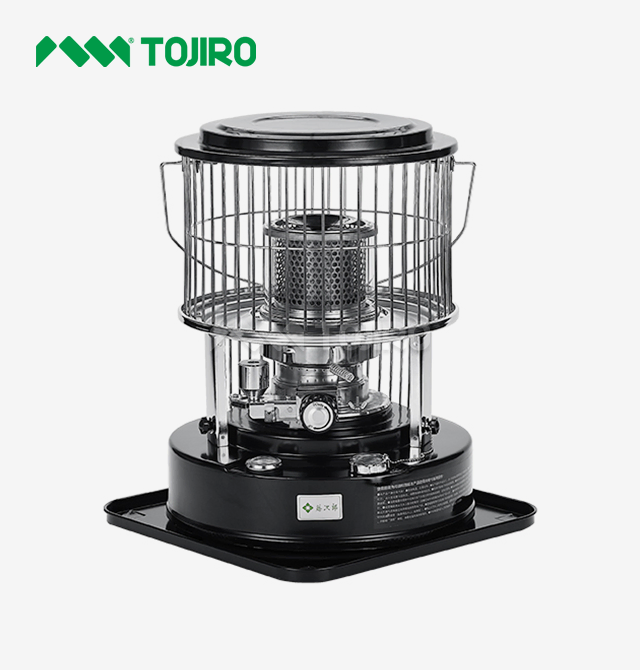 VIEW MOREefficient kerosene heaters
_1763607744591.webp) VIEW MOREportable propane heater with fan
VIEW MOREportable propane heater with fan_1763607622609.webp) VIEW MOREfree standing vented propane heater
VIEW MOREfree standing vented propane heater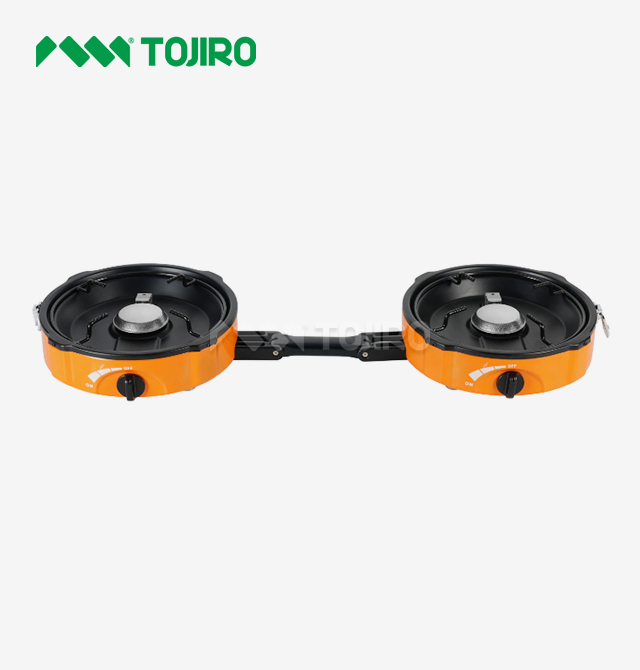 VIEW MORE2 burner portable camping stove
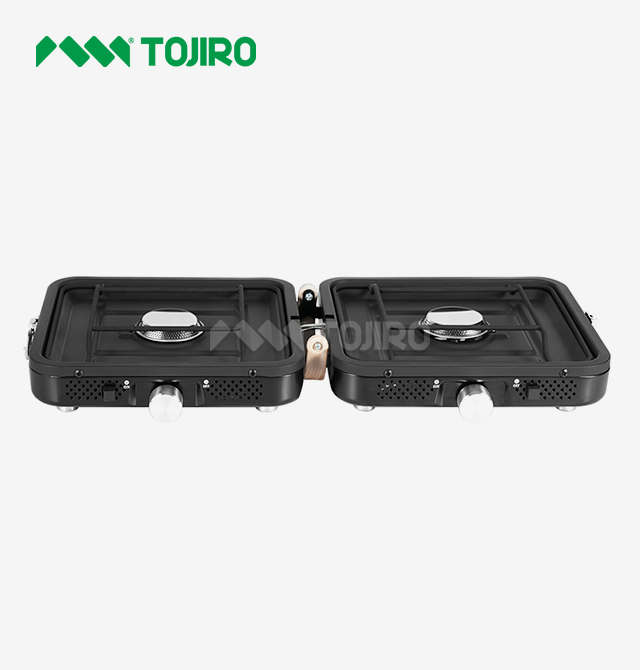 VIEW MOREbutane double burner camping stove
 VIEW MOREbest camp stove for overlanding
 VIEW MOREtwo burner portable stove