



Are Portable Propane Heaters Safe for Tents and RV Camping?
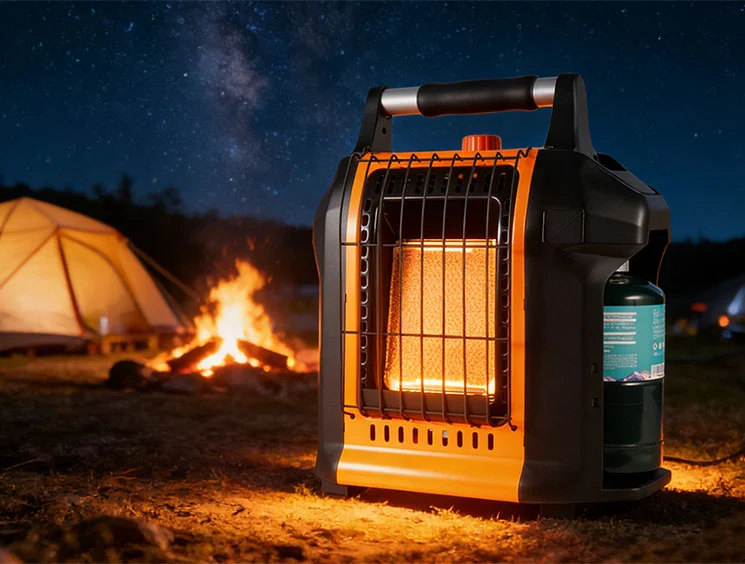
Portable propane heaters can be used safely in tents and RVs when they are used properly and safety precautions are taken. These heaters are great for keeping you warm and making life easier for people who like being outside, but they need to be placed correctly and used according to specific rules. Modern gas heaters have improved safety features to reduce risks, such as monitors that turn them off automatically when oxygen levels drop. Knowing how to use things correctly and picking good gear will help you have a safe and comfortable camping trip without lowering safety standards.
Understanding Portable Propane Heaters and Their Safety
Learn about portable propane heaters and how safe they are. Heating units that run on gas use controlled burning of propane fuel to make indirect heat for camping areas. These small devices can turn cold places into warm ones in minutes, which makes them very useful for both outdoor activities and business uses.
How Propane Heating Technology Works?
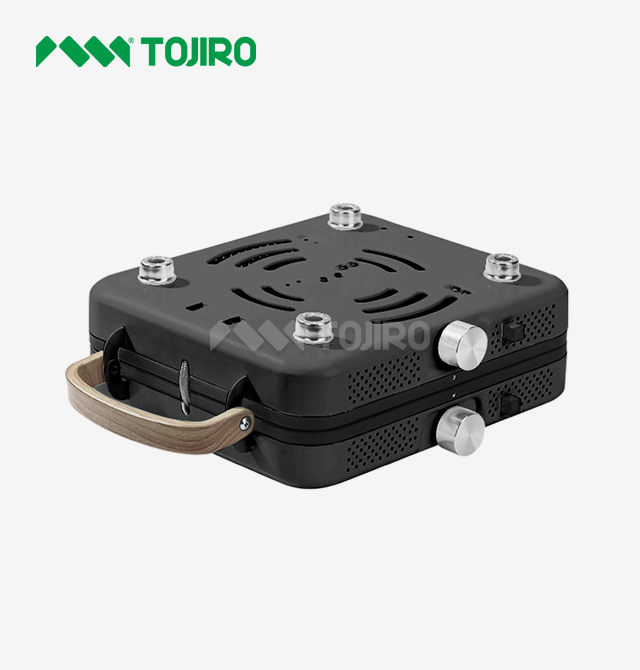
Complex combustion tanks in modern camping heaters burn propane gas efficiently and evenly distribute heat. The TOJIRO GH25-9B Third Generation model exemplifies this technology with 2600W power and 9000 BTU capacity. It heats 10 square meters well. Precision-engineered cold-rolled steel and voltage firing mechanisms make this high-tech equipment durable and effective. Pressure-controlled valves bring propane into the combustion area, starting the heating process. Internal elements provide full fuel combustion while minimizing harmful emissions. Quality units employ heat exchanges to convert fuel energy into heat with low loss. Professional models heat rooms in 5–10 minutes after turning on.
Essential Safety Features in Modern Units
Many modern portable propane heaters contain safety measures to keep users safe. When oxygen levels drop below safe levels, oxygen depletion sensors cease gas flow immediately. This prevents small-area carbon monoxide buildup. If the unit falls or becomes unstable, tip-over safety switches shut it off, eliminating fire hazards. Pressure control valves maintain gasoline flow despite tank pressure variations. This stabilizes heat production and prevents pressure buildup. Built-in flame guards prevent direct contact with hot sources and improve airflow. Good manufacturers provide these safety features as standard, not as optional extras.
Certification Standards and Compliance Requirements
Heating equipment with safety certifications has been evaluated and determined to satisfy high criteria by respectable parties. UL listing implies it fulfills US electrical and fire safety regulations, while CSA accreditation means it meets Canadian safety standards. Products with the CE mark fulfill EU safety, health, and environmental protection standards. Professional purchasing managers should examine certification before buying commercial heating equipment. Certified units are tested for electrical safety, gas leak prevention, fuel efficiency, and structural integrity. These licenses provide legal protection and insurance coverage for regulated businesses.
Comparing Portable Propane Heaters to Electric Alternatives for Camping
In order to choose the right heating technology, you need to know how each system works and what its real limits are. Each way of heating has its own benefits that rely on the situation and the needs of the application.
Power Independence and Operational Flexibility
Camping in isolated regions without power is ideal for propane heating systems. Electric heaters can't operate in remote areas, but portable propane heaters can. The TOJIRO model works with propane tanks, high-altitude canisters, butane containers, and LPG systems, making it versatile for camping. Electric lighting need a shore power hookup, generator, or battery system with suitable storage. Since electric heaters deplete batteries rapidly, it's crucial to watch power usage on lengthy camping excursions. Propane units tell you how much fuel you consume every hour, which helps you plan a journey.
Heat Output and Distribution Characteristics
Gas heating systems usually generate more BTUs than electric ones of the same size. Radiant heat from propane systems heats areas better than convection heating. This method is ideal for drafty or partially closed spaces where electric heaters struggle to maintain warmth. Digital heaters and power settings provide precise electric heating element management. However, they lose more heat than they create in cold weather, making them less helpful. Propane systems are safe for winter camping since they run regardless of temperature.
Cost Analysis and Long-Term Economics
Comparing running costs relies on fuel prices and utilization. Businesses can budget effectively since propane fuel prices are consistent. When you use a generator or purchase energy at higher camping rates, heating with electricity might be expensive. While electric heaters are cheaper to install, gas systems last longer. TOJIRO gas heaters are durable due to their sturdy construction and replaceable parts. Maintenance will be minimal with careful care, lowering ownership costs over time.
Common Issues with Portable Propane Heaters and How to Address Them?
In tough field situations, even heated equipment that was well thought out can have trouble working. By learning about common issues and how to fix them, users can keep their heaters safe and working well during long camping trips.
Ignition and Flame Control Problems
Dirty igniters, dead batteries, and water in electrical equipment create ignition issues. Regularly monitoring and cleaning ignition systems prevents most starting issues. Industrial voltage ignition devices perform dependably when maintained. LED light and starting system users should carry additional AA batteries and replace them before camping each season. Variable flame patterns indicate fuel system or combustion chamber issues. Most flame control issues may be resolved by cleaning fuel injectors and combustion tanks per manufacturer's recommendations. When internal parts wear out or can't be repaired, expert aid is required.
Fuel System Leaks and Connections
Proper connections prevent harmful and wasteful gas leaks. Make sure all links are visually checked for broken seals, loose fittings, and corrosion before use. Tests with soap solution reveal minor leaks that aren't visible. Leaks must be addressed immediately before using portable propane heaters. Connection connectors let you utilize various gasoline cylinders, but they also increase risk. Excellent adapters offer perfect fitting and durable seal materials that remain in place after several connections. Replace connecting hardware as instructed by the manufacturer to prevent unexpected malfunctions.
Performance Degradation and Efficiency Loss
Poor heat production may indicate a blocked fuel system or damaged internal parts. Regularly cleaning air intakes and combustion tanks optimizes engine performance. Dust and other debris obstruct airflow and reduce combustion efficiency, especially in sandy or dusty camping settings. Protective coverings prolong storage life and keep items clean. Carbon development on heat exchanger surfaces reduces heat transmission and may be dangerous. Annual professional cleaning and inspection ensures machine safety and manufacturer warranty. Quality units like the TOJIRO model contain easy-to-reach parts that make maintenance simpler without tools.
Procurement Insights: Selecting the Right Portable Propane Heater for Your Business
Strategic buying choices require technical specifications, supplier skills, and long-term support needs to all be carefully looked at. Professional buyers have to weigh the original costs against measures of operational success and dependability.
Technical Specifications and Performance Metrics
Heat production and room coverage are shown by power output values. The TOJIRO GH25-9B's 2600W output and 9000 BTU rate can heat most RV interiors and large camping tents up to 10 square meters. Aircraft fuel consumption specifications enable realistic cost estimations and long-distance travel planning. Construction materials greatly affect durability and longevity. Cold-rolled steel parts withstand corrosion and mechanical damage better than lighter ones. Vehicle specifications need plastic components to endure high temperatures and collisions. Weight considerations balance portability and structural stability.
Supplier Evaluation and Quality Assurance
Name and field expertise of the producer indicate product quality and support. TOJIRO uses traditional Japanese craftsmanship and current industrial technologies to manufacture accurate, innovative goods. ISO standards demonstrate commitment to quality management and continuous development. Lead times and manufacturing capabilities impact product planning and customer service. The 45-day TOJIRO manufacturing cycle lets them swiftly complete orders without sacrificing quality. Minimum order quantity of 1000 units meets wholesalers' needs and bulk buy costs. ODM/OEM customization allows private labeling and market differentiation.
Warranty Coverage and After-Sales Support
Customers trust the product's reliability and cheaper ownership costs with full guarantee assurance. The one-year warranty from TOJIRO indicates their confidence in their goods. Warranty terms should cover both manufacturing defects and normal wear & tear to minimize unexpected service visits. For businesses where equipment issues impair operations, technical support is crucial. Providers should provide detailed repair, maintenance, and operating instructions in the correct languages. Access to replacement parts and repair shops ensures the product works as long as it is made.
Best Practices for Using Portable Propane Heaters in Camping Environments
Safe and successful operation requires following set procedures that cover things like placement, ventilation, and tracking. These steps keep people safe while also making heating work better and tools last longer.
Ventilation Requirements and Air Quality Management
Plenty of airflow keeps the burning air supply running and prevents CO buildup. One square inch of ventilation holes per 1000 BTU of portable propane heater output is required. The TOJIRO 9000 BTU machine requires nine square inches of steady airflow in the heated region. Cross-ventilation via facing holes moves air better than single ventilation sites. To maximize natural convection currents, fresh air intakes should be at floor level and exhaust air exits near roof level. Mechanical ventilation fans may aid airflow in difficult settings, but they should never replace ventilation apertures.
Placement Guidelines and Clearance Requirements
Keep objects away from combustible materials and stable to prevent toppling over for safe placement. Three feet is enough distance to keep safe near textile walls, mattresses, and camping gear. Stable, flat surfaces prevent accidental movement and ensure heating airflow. Indoor usage requires carbon monoxide monitoring and emergency shutoffs. Heaters should be placed away from high-traffic areas to avoid accidental contact. The TOJIRO unit's 371x215x367mm dimension fits in most RVs while fulfilling space restrictions.
Operational Monitoring and Emergency Procedures
Continuous tracking throughout operation allows speedy issue resolution. Users should be alert for odd scents, flame patterns, or equipment malfunctions. Carbon monoxide monitors detect harmful gas levels before symptoms appear. Emergency shutdown should be automated for all users. Emergency gas shutoff at the cylinder valve stops fuel flow immediately. Burn off gasoline in supply lines before transporting or storing equipment. If carbon monoxide indicators occur, all holes must be drilled and the space evacuated for emergency ventilation.
Conclusion
When used according to safety rules, portable propane heaters are a safe and effective way to heat up tents and RVs while camping. Modern units have advanced safety features like oxygen depletion monitors and automatic shutdown systems that lower the risks of operation. Making sure there is enough air flow, putting it in the right place, and maintaining it regularly will keep it safe to use and keep you warm during outdoor activities. When it comes to safety, speed, and durability, the best equipment comes from well-known makers. This is true for both personal and business use.
FAQ
1. Are portable propane heaters safe to use inside tents?
Quality portable propane heaters that are meant to be used inside can safely work in tents as long as they have enough air flow and safety rules are followed. Units must have sensors that turn them off automatically when air levels drop. Enough airflow keeps carbon monoxide from building up and keeps the burning process going with fresh air. Never put heaters that are only meant to be used outside inside.
2. What safety certifications should I look for when purchasing propane heaters?
Check for CSA, UL, or CE approvals, which show that the product meets well-known safety standards. These licenses show that the heater has been through strict tests to make sure it is safe for electricity, doesn't leak gas, and is built to last. Certified units protect users legally and make sure that business apps follow insurance rules.
3. How much ventilation do I need when using propane heaters in RVs?
For RVs, the minimum amount of air flow needed is one square inch for every 1000 BTU of heater power. Cross-ventilation through holes that face each other is the best way to move air around. As an extra safety step, put in carbon monoxide monitors. For safe operation, the TOJIRO 9000 BTU type needs a fixed air flow opening of at least nine square inches.
Partner with TOJIRO for Premium Portable Propane Heating Solutions
TOJIRO is a top company that makes portable propane heaters by blending traditional Japanese artistry with the latest technology in the business world. Our GH25-9B Third Generation model has a 2600W power output and a lot of safety features, such as oxygen depletion monitors and tip-over protection. It performs very well. Following the ISO standard guarantees consistent quality, and our ODM/OEM skills give customers the freedom to make changes to meet their specific needs. Experience the advantages of working with a reliable provider that offers reasonable prices, a one-year warranty, and 45-day production wait times can be very helpful. Our committed team helps retailers, rental companies, and institutional buyers with all of their technical needs and creates unique buying solutions for them. Contact our specialists at [email protected] to discover how TOJIRO portable propane heaters can enhance your product offerings and customer satisfaction.
References
1. National Fire Protection Association. "Standard for Recreational Vehicles." NFPA 1192-2018. National Fire Protection Association, 2018.
2. American Gas Association. "Safety Guidelines for Portable Gas Appliances in Recreational Applications." Technical Bulletin 2019-03. American Gas Association, 2019.
3. Consumer Product Safety Commission. "Carbon Monoxide Poisoning Prevention Guidelines for Camping Equipment." CPSC Publication 5010. U.S. Consumer Product Safety Commission, 2020.
4. Canadian Standards Association. "Portable Camping Equipment - Safety Requirements and Testing Methods." CSA Z240.9-2017. Canadian Standards Association, 2017.
5. Recreational Vehicle Industry Association. "RV Safety and Fire Prevention Standards for Portable Heating Appliances." RVIA Technical Manual Section 8.4. Recreation Vehicle Industry Association, 2021.
6. International Organization for Standardization. "Portable Gas Appliances - Safety Specifications for Outdoor Recreation Use." ISO 28460:2018. International Organization for Standardization, 2018.

USER EVALUATE
Here is the customer's evaluation of us
_1763607842349.webp)
_1763607881538.webp)
_1763607708566.webp)
_1763606665399.webp)