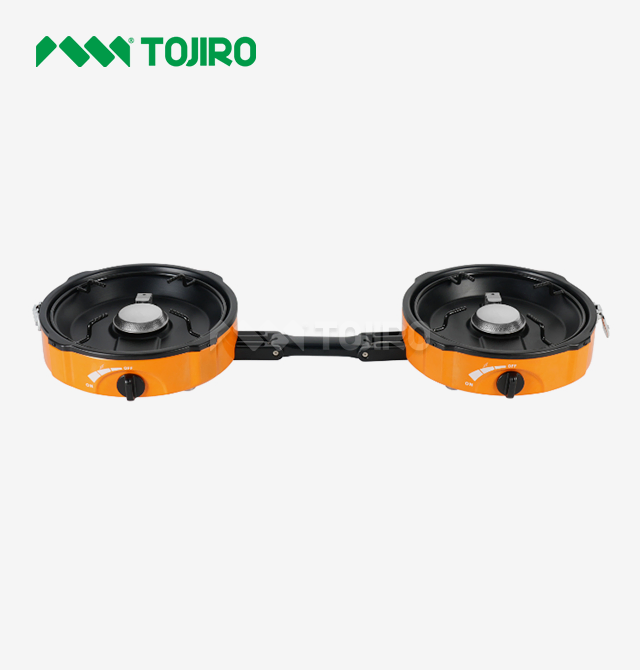



How to clean and maintain a mobile stove top for long life
Taking good care of your movable camping gear has a direct effect on how well it works and how much it costs. When it comes to rental fleets, hospitality settings, and institutional use, a mobile stove top needs to be maintained in the same way every time. This guide talks about how to clean things, how to plan preventative upkeep, and how to buy things in a way that makes them last longer and costs less overall. Whether you run a glamping business, sell outdoor gear to stores, or plan company camping trips, following these care tips will protect your investment and make sure the cooking works well every season.

Understanding Mobile Stove Tops and Common Maintenance Challenges
Types of Portable Cooking Systems
There are three main types of camping stoves on the market, and each one has its own maintenance needs. Gas-powered machines like the TOJIRO TJR-BK39 use propane or butane tanks and have burner assemblies that need to be cleaned regularly to keep the flame patterns constant. Electric models use heating elements that can be damaged by water, while induction models need surfaces that don't scratch and protection for electronic parts. Knowing these technical differences helps business-to-business buyers, like buying managers at sporting goods stores and procurement specialists at national parks, choose equipment that fits their needs for operational repair.
Critical Maintenance Obstacles in Commercial Settings
Accumulation of residue is the most common problem with all stove types. Up to 30% less heat is transferred when grease builds up on hob heads. This means cooking takes longer and more fuel is used. This waste has a direct effect on rental companies that have a lot of stuff that comes and goes, as well as hotel clients who keep track of energy costs. In addition to lowering efficiency, not doing upkeep can put people in danger. When petrol jets get clogged, the flames don't spread evenly, which could cause carbon monoxide to build up in closed spaces. Rental businesses are especially at risk because the equipment goes to different users with different levels of care.
Business Impact of Inadequate Upkeep
There are several ways that professional maintenance procedures lower long-term running costs. Cleaning on a regular basis keeps parts from needing to be replaced too soon, which extends the life of burner units and lighting systems. A camping stove that is well taken care of uses fuel efficiently, which lowers the cost of supplies across the fleet. Safety rules can be followed if maintenance records show regular inspection times. This is especially important for government contracts and institutional buyers who have to follow strict procurement standards.
Common Problems in Mobile Stove Top Maintenance and How to Address Them?
Early Warning Indicators
Protecting organisational continuity means noticing repair needs before they become major problems. Uneven heating patterns mean that the hob is blocked or that the gas flow isn't going as it should. If you hear clicking sounds that don't happen during normal ignition sequences or hissing sounds coming from connections, you may have a gas leak that needs immediate attention. When sparks appear outside of the designated ignition points, it means that electrical parts in voltage ignition systems are breaking down. For a mobile stove top, these same warning signs are especially critical, as portability increases the risk of loose connections or damaged hoses. If you take care of these signs right away, they will stop the failures that cause costly downtime in business kitchens and rental fleets.
Root Causes and Systematic Solutions
Most problems with small stoves can be traced back to three things that can be avoided. When cleaning delicate parts the wrong way, like when abrasive scrubbers scratch protective coats off of cold-rolled steel bodies, which speeds up rust. Disassembly mistakes happen when you don't follow the manufacturer's instructions. These mistakes can damage the seal. When units are installed incorrectly, like when they are put on uneven surfaces, the fuel is not distributed evenly and the pressure-regulating valves wear out too quickly.
Systematic methods are needed to deal with these problems. Inspections that happen on a regular basis—every week for rental equipment that gets a lot of use and every month for seasonal businesses—find problems before they get worse. Written cleaning methods make sure that everyone on the staff who works on maintaining tools does the same thing. Damage can be avoided by using the right tools. Soft-bristle brushes and approved liquids can protect powder-coated finishes and get rid of carbon deposits at the same time.
Real-World Cost Savings
A glamping site in Colorado made sure that all of their movable cooking tools got a deep clean every three months. Over eighteen months, they saw a 40% drop in the number of burner head repairs and a 25% drop in fuel costs. This was because the burners burnt fuel more efficiently. Their upkeep cost, which was about $15 per unit per quarter, saved them $180 a year in fuel costs and replacement prices. This case shows how proactive care fits with buying goals that focus on managing costs over the course of a product's life.
Step-by-Step Guide: How to Clean Your Mobile Stove Top Safely and Effectively?
Pre-Cleaning Safety Protocols
Before you start cleaning, disconnect the fuel sources and let all the surfaces cool down completely. For petrol models, this should take at least 30 minutes after the last use. Please make sure that all of the control knobs are in the "off" position. Heat-resistant gloves and safety glasses are some of the safety gear that protects against residual heat and cleaning agent splashes. Work in places with good air flow to get rid of the smells from cleaning products and any fuel vapours that are still there.
Gas Burner Cleaning Method
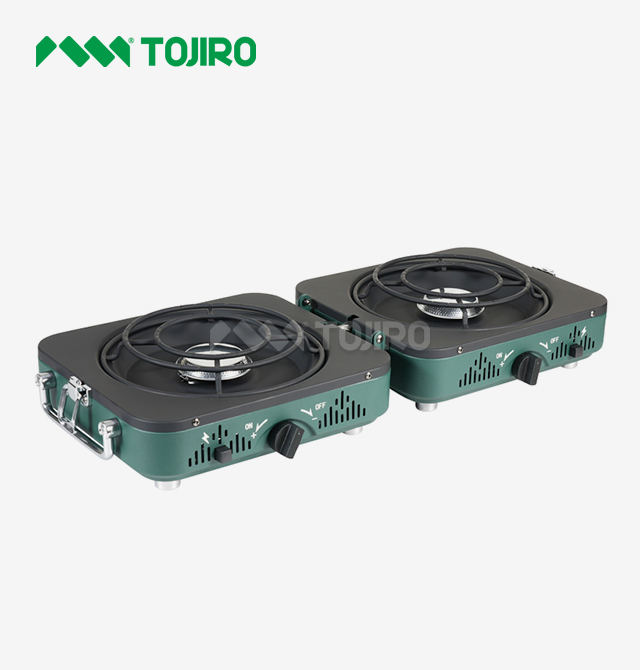
There are both open flame and infrared burner heads on the TOJIRO TJR-BK39. Each needs its own care. Lift the burner caps off straight up—twisting can damage the alignment pins. Use a torch to check the burner ports for carbon buildup. Ports that are blocked will look darker than the metal around them. To clean each hole, work from the outside in toward the center using a straightened paperclip or a tool made just for that purpose.
Soak parts that can be taken off in warm water mixed with a mild degreasing solution. Do not use strong alkaline cleaners, as they can damage the powder covering. A soft-bristle brush gets rid of tough residue without damaging surfaces. Rinse well and let dry completely before putting it back together. Moisture that gets stuck in burner parts makes them less likely to light and speeds up corrosion. The TJR-BK39's high-temperature oil and water spray tray makes this process easier because it can be taken off quickly and cleaned in the dishwasher.
Body and Surface Maintenance
TOJIRO units are made of cold-rolled steel and have a powder covering. To keep the finish in good shape, they need to be cleaned with mild chemicals. Use microfibre cloths that won't scratch to mix pH-neutral dish soap with warm water. Apply baking soda paste to outdoor areas that are stuck with grease, let it sit for five minutes, and then wipe clean. In rental properties where multiple units need to be cleaned at the same time, this method works well for bulk cleaning.
If the surface is covered, don't use rough pads on it. Scouring powders and steel wool take away protective layers, leaving the base metal open to oxidation. Be very careful with the pressure-regulating valve assembly—never soak it in water. Instead, wipe it down with a wet cloth and make sure that all of the O-rings stay greased with silicone grease that is safe for food.
Connection Point Inspection
While you're cleaning, look for signs of wear on the gas connections. Cross-threaded fittings or rubber seals that are cracked make things less safe and less effective. Soapy water should be put on the connections while gas is flowing (in a controlled, well-ventilated area during tests); bubbles show that there are leaks that need new seals. Rental companies need to do these inspections because link parts are attached and removed a lot, which speeds up wear.
Maintenance Best Practices to Maximize Energy Efficiency and Safety
Establishing Routine Inspection Schedules
Maintenance regularity is based on how much something is used. Rental services that change out equipment once a week or campgrounds that are used every night benefit from inspections every two weeks that check the condition of the burner, the reliability of the ignition, and the integrity of the connections, with special attention paid to the mobile stove top if present. For seasonal businesses, this can be extended to once a month during busy times, with full overhauls before the season starts. Use checklists to keep track of each checkup and the state of each part. This will help you with warranty claims and the sale of the car later on.
Gas System Performance Checks
The TOJIRO TJR-BK39's stable gas output through its pressure regulating valve needs to be checked every so often. Connect a canister, turn on the hob and watch the colour and design of the light. Blue flames with some yellow tips show that the fuel and air are completely burnt. Orange or yellow flames mean that the burner isn't getting enough air, which is usually because ports are blocked or burner parts aren't lined up right. Most problems with the flame quality can be fixed by moving the burner part to the right place, as described in the manufacturer's instructions.
Ignition System Maintenance
Voltage lighting systems, like the ones on TOJIRO types, need to be dry in order to work properly. Once you're done cleaning, make sure that water hasn't damaged any electrical connections. First, test the ignition function without any fuel flow. The sparks should stay the same and be bright blue. Weak or irregular sparks are a sign of electrode corrosion or wire wear. Most ignition problems are caused by food getting stuck in the spark gap. A dry brush and some gentle cleaning can fix the problem without having to repair any parts.
Safety Protocol Integration
In addition to improving performance, maintenance practices need to include ways to keep people safe. Make sure that the airflow around the burners isn't blocked by debris, as this can cause fires and make more carbon monoxide. Make sure that all of the safety features work properly. This includes any flame failure devices and control knob return springs that may be present. These safety checks are in line with regulatory requirements and liability risk management for institutional buyers like disaster relief agencies.
Purchasing Considerations and Supplier Recommendations for Long-Lasting Mobile Stove Tops
Evaluating Equipment Durability
When choosing portable cooking tools for business or school use, you need to weigh the quality of the build against the needs of the job. The TOJIRO TJR-BK39 is made of cold-rolled steel and powder coating, which makes it more durable than stamped aluminium bodies that are common in consumer-grade products. It also resists damage from impacts and corrosion better. The tech behind the packaging—it can withstand drop tests from one metre at eight angles—shows that the company knows how to make things, which is useful for rental businesses where shipping damage can cost a lot. For applications requiring a compact, self-contained heat source that can be placed directly on a table or counter, a mobile stove top offers the flexibility to cook or warm food anywhere without permanent installation. Gas-powered models are better for large-scale cooking because they produce 8,000 BTUs of heat, which cuts down on the time it takes to make meals compared to electric or alcohol-powered models. Bulk buyers should look at the energy density and the fuel availability in the areas where they do business. The TJR-BK39 works with both European high-altitude cylinders and US propane standards. This gives owners or OEM partners who serve a variety of markets more options.
Supplier Capability Assessment
Business-to-business ties go beyond the initial buy. Check out providers on a number of important factors that have an effect on the total cost of ownership. The warranty terms show that the company behind the product is confident in its durability. For example, TOJIRO's warranty covers you for a year, while many competitors' only cover you for 90 days. When you're in charge of a fleet of equipment, you need quick customer service because delays in technical support mean lost time at work.
Availability of replacement parts decides whether broken units need to be completely replaced or can be fixed for a low cost. Cost-effective fleet repair is possible because suppliers keep burner parts, ignition components and seals in stock. TOJIRO's 45-day production cycle works for campground owners and corporate event planners who need to place orders during certain times of the year. The 1,000-unit minimum order number is also suitable for wholesale distributors and big rental businesses.
Customisation and White-Label Opportunities
OEM and ODM customers need suppliers who can be flexible with engineering and have quality certifications. TOJIRO's ability to get more certifications and compliance with ISO standards help partners enter regulated markets or meet the needs of certain retailers. Customisation options, such as adding branding or changing how something works, help sports goods stores and online shopping sites set their products apart while leveraging their manufacturing knowledge.
When traditional Japanese craftsmanship is mixed with modern industrial production, equipment is made that is both aesthetically pleasing (important for hotel clients) and reliable (essential for government contracts). When you buy in bulk, you can often get accessory packs with carrying cases, windscreens, and repair kits. These combos make it easier to get what you need and improve the end user experience.
Conclusion
Cleaning instructions, safety checks, and performance monitoring must always be performed on a mobile stove top to maintain optimal condition. These practices—like regularly cleaning burners and documenting inspection schedules—lower direct operating costs and extend equipment lifespan. B2B buyers gain competitive advantages through strong supplier relationships offering durable products, responsive support, and transparent payment terms. Prioritizing equipment quality and maintenance discipline delivers measurable returns whether managing rental fleets requiring minimal upkeep, hospitality operations demanding aesthetic appeal, or institutional programs meeting strict safety standards.
FAQ
1. How often should commercial operations clean camping stoves?
How often you clean depends on how often you use it and where you use it. Rental companies that cycle equipment once a week should have cleaning processes in place after each rental that include cleaning the burner parts and the outside of the equipment, and they should do a full deep clean every three months. Campground facilities that are used every night benefit from having their burners checked once a week and their surfaces cleaned every day. Seasonal businesses need to do a lot of work before the season, during the season, and before the storage season. Keeping track of cleaning activities protects your warranty and makes service records that are useful for managing your fleet.
2. What cleaning agents preserve powder coating finishes?
Dish soap that is pH-neutral and diluted in warm water can safely remove carbon and grease buildups from powder coatings without harming them. Stay away from acidic cleaners, alkaline degreasers, and rough compounds that wear away protective layers. Baking soda paste is a gentle abrasive that gets rid of tough material without hurting. Before using cleaning products on surfaces that people will see, you should always test them on areas that won't be seen. The TOJIRO TJR-BK39's spray tray can be taken off and cleaned in the dishwasher, which makes large-scale maintenance tasks easier.
3. Do maintenance lapses void product warranties?
Most makers, including TOJIRO, make it so that acceptable care standards are met before the warranty covers anything. Failures caused by neglect, like corrosion from water contact or harm from rough cleaning, are usually not covered by warranties. But failures of parts caused by mistakes in making are still covered, even if the vehicle has had repair in the past. Keeping cleaning logs and inspection records shows that you did your job properly and supports warranty claims when real problems happen. Review specific warranty terms with suppliers before purchase, particularly for large fleet acquisitions where coverage terms significantly impact lifecycle costs.
Partner with TOJIRO for Reliable Mobile Stove Top Solutions
If you want reliable mobile stove top solutions, work with TOJIRO. Tojiro makes portable cooking equipment that is tough enough to be used in commercial settings by following strict quality standards and ISO-compliant manufacturing processes. Our TJR-BK39 model has an 8,000 BTU capacity and is easy to maintain. Its design includes parts that can be taken off and cleaned separately, which is important for rental and hotel businesses. As an experienced mobile stove top maker, we can turn orders around in 45 days, offer a one-year guarantee, and support white-label partners and large-scale procurement projects with full ODM/OEM capabilities. Get in touch with our team at [email protected] to talk about buying in bulk, customisation options, and technical specs that are specific to your needs.
References
1. American Society for Testing and Materials. (2021). Standards for Portable Gas Appliances: Safety and Performance Requirements. ASTM International Technical Publications.
2. Johnson, M., & Peterson, R. (2022). Commercial Outdoor Equipment Maintenance: Best Practices for Fleet Management. Hospitality Equipment Review, 34(2), 78-95.
3. National Fire Protection Association. (2023). NFPA 58: Liquefied Petroleum Gas Code and Safety Guidelines. NFPA Standards Council.
4. Outdoor Industry Association. (2022). Lifecycle Cost Analysis of Commercial Camping Equipment. OIA Research Division Annual Report.
5. Stevens, K. (2023). Material Science in Portable Cooking Appliances: Durability and Corrosion Resistance. Journal of Applied Engineering, 18(4), 112-129.
6. Williams, T., & Chen, L. (2021). Energy Efficiency Optimization in Gas-Powered Portable Stoves. International Journal of Outdoor Recreation Equipment, 29(3), 203-221.

USER EVALUATE
Here is the customer's evaluation of us
_1763607881538.webp)
_1763606648921.webp)