



Best Outdoor Kitchen 2 Burner Stove for Commercial Buyers
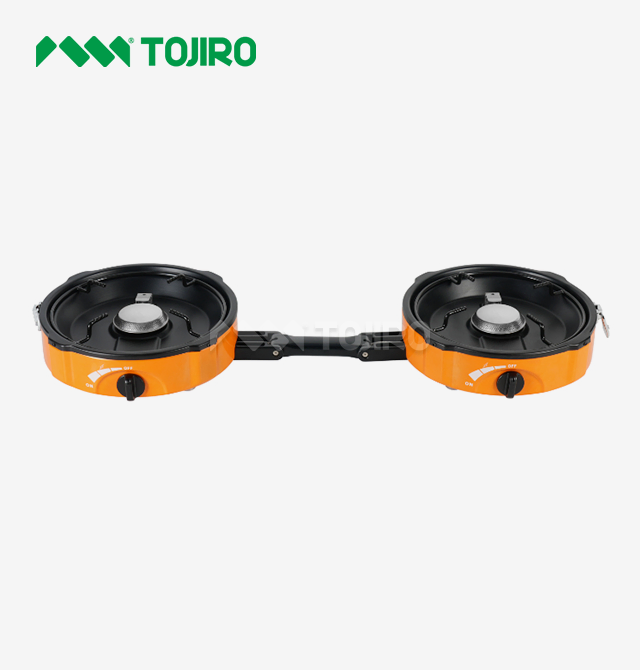
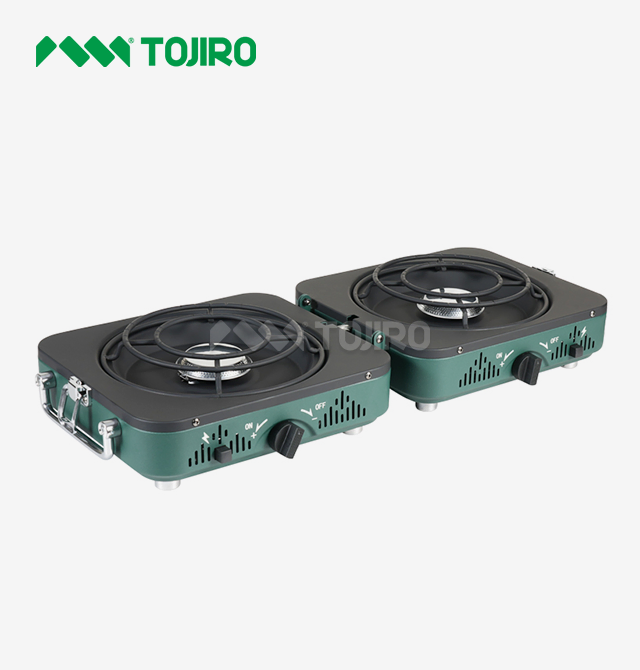
Procurement managers seeking the finest outdoor kitchen 2-burner stove for commercial use look for dependability, power output, and supplier trustworthiness. Dual hob technology delivers even heat, generally around 8000 BTU per hob, enabling the preparation of many meals simultaneously, decreasing service times during busy hours. Our cold-rolled steel is powder-coated for quality construction; it is weather-resistant and durable in outdoor applications. Suppliers that understand the certification criteria, customisation possibilities, and delivery dates that match seasonal demand changes in the hotel and outdoor catering sectors provide an advantage to commercial purchasers.
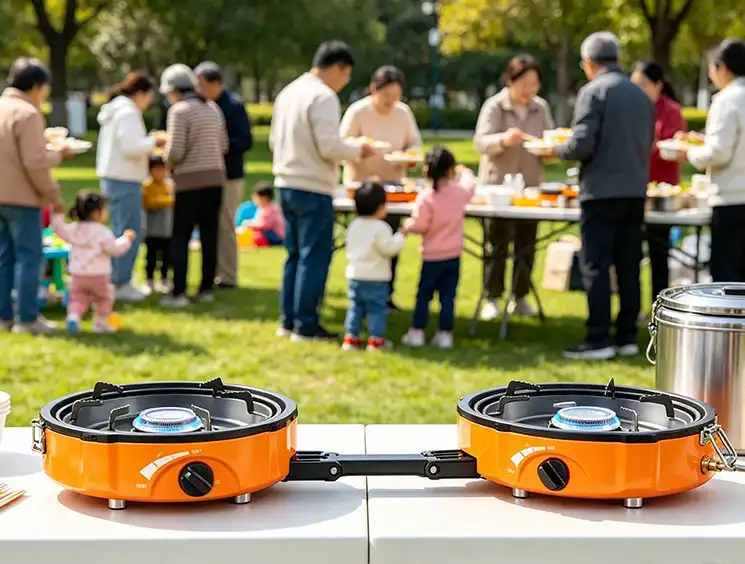
Understanding the Commercial Value of Outdoor Kitchen 2 Burner Stoves
Commercial outdoor cooking operations demand equipment that balances performance with operational efficiency. A well-designed outdoor cooking system with dual burners transforms how restaurants, catering services, and hospitality venues approach their outdoor culinary offerings.
Optimizing Kitchen Space and Workflow
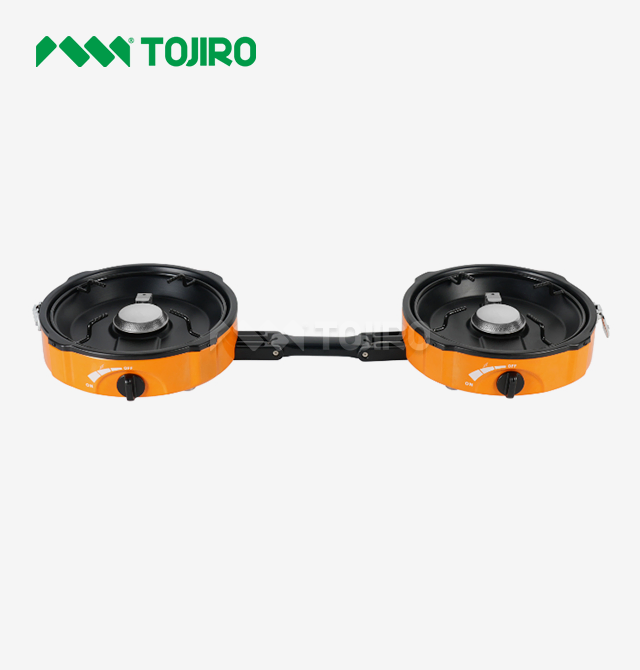
“Many commercial kitchens have space constraints. The little twin-burner stove has two distinct cooking zones that don’t take up much counter space. The setup enables cooks to boil sauces on one hob and sear meats on the other, making for a more efficient workflow during peak service hours. Good quality commercial stoves are folded for easy travel between catering venues. Typically measuring roughly 245×210×59mm they open out to provide enough cooking surface for commercial-sized pans.
Energy Efficiency and Cost-Effectiveness
Commercial burners that use propane are more energy efficient than electric ones when used outdoors. Each 2.3kW (8000 BTU) hob has instant heating capabilities, yet precise temperature control. This energy profile will lower fuel use for long cooking times and therefore the operating expenses. Companies that operate in high and low elevation areas want pressure regulating valves that keep a steady output even when the altitude varies or the ambient temperature fluctuates.
Durability Standards for Commercial Environments
Commercial outdoor cooking equipment must withstand the tough environment of severe temperatures, dampness, and constant movement. The steel structure is cold-rolled and powder-coated to withstand corrosion and retain structural integrity over seasons of intensive usage. Integrated into professional-range stoves, the high-heat oil and water drop pan helps minimise grease build-up, lowering fire dangers and simplifying clean-up between services. Dropping test equipment from 1 metre at 8 angles shows the rugged engineering necessary for business applications where equipment handling may not always be kind.
How to Choose the Best Outdoor Kitchen 2 Burner Stove for Commercial Needs
Selecting appropriate cooking equipment requires systematic evaluation of your operational requirements against available supplier offerings.
Assessing Material Quality and Construction
The material makeup will have a direct effect on equipment life and maintenance. Stainless steel burner heads are more corrosion-resistant than brass, especially in coastal areas where salt air speeds up degradation. Cold-rolled steel furnace bodies are stronger than thin-gauge products and hold heavy cookware without warping. Copper valve bodies provide good thermal conductivity and corrosion resistance to provide dependable fuel flow regulation for thousands of cycles. When comparing vendors, obtain exact requirements for material grades and finish treatments, since ambiguous statements are typically an indication of lesser quality components.
Fuel Compatibility and Certification Requirements
Regional rules govern fuel norms and safety certificates. In Europe, commercial outdoor kitchen 2-burner stove equipment must be CE certified. In North America, the activities usually need propane systems that fulfil DOT cylinder specifications. Ensure your supplier can provide the essential papers to avoid expensive delays at import clearance. Dual fuel compatibility offers operational flexibility to organisations servicing different regional markets and/or considering growth, with support for European high-altitude cylinders and US propane standards.
Warranty Coverage and Supplier Reliability
The one-year full guarantee is proof of the manufacturer’s trust in the durability of the product. Warranty periods may vary greatly; some cover simply manufacturing flaws, others include replacement of components and labour charges. Check with your supplier on the availability of replacement parts. A three-month wait for burner parts might cramp your business during your busiest season. Suppliers who manufacture to ISO9001:2015 standards often have tighter quality controls, which reduce failure rates and warranty claims.
Production Capacity and Lead Times
Seasonal demand surges need to be planned for. “Production takes 45 days after an order is confirmed to deliver the goods. Procurement managers need to forecast requirements three months ahead, including shipping and customs clearance. Established firms may accommodate minimum order numbers of 1000 units, but this may not be a viable option for startups trying out new market niches. If you talk about flexible MOQ agreements at the first discussions, you may create partnerships more corresponding to the way of company development.
These selection criteria provide a systematic framework for assessing prospective providers. Those that focus on these criteria in the procurement process see fewer equipment breakdowns, less interruption to operations, and better connections with manufacturers that can support long-term growth aspirations.
Installation and Maintenance: Ensuring Long-Term Efficiency and Safety
Proper installation and regular maintenance extend equipment lifespan while protecting staff and customers from safety hazards.
Installation Best Practices
Commercial outdoor cooking facilities should meet local fire standards and ventilation criteria. Set your multi-burner stove on a firm, level surface that can hold the weight of equipment and cookware while in use. Maintain minimal clearances from combustibles, usually 24 inches from the sides and 36 inches above. When connecting propane cylinders, check all fittings for damage before assembly and use soapy water solutions to identify leaks after connection. Warning: Do not use the device in enclosed or interior areas, where there is a danger of lethal carbon monoxide build-up.
Routine Maintenance Protocols
Maintenance programs, once established, prevent deterioration of performance. Eliminate hob heads after 40 hours of operation and clean with a wire brush to eliminate carbon deposits that block gas flow and cause uneven flames. Inspect the pressure regulating valve quarterly for evidence of wear or corrosion; replace components that reveal cracks or deformity. The one-touch ignition system calls for regular inspections of the electrode alignment, since misaligned electrodes do not produce sparks consistently, and personnel are required to utilise manual igniting procedures, which heighten safety hazards.
Safety Protocols and Emergency Response
Train all personnel on correct propane handling techniques before using the outdoor kitchen 2-burner stove equipment. Always shut the cylinder valves while the equipment is not in use to avoid leakage during storage or transit. Provide suitable fire suppression equipment in cooking areas – fire extinguishers rated for flammable liquid fires (Class B). Develop explicit emergency protocols, including evacuation routes and planned assembly sites. Hold quarterly safety exercises so each member of the team knows how to respond to a gas leak, equipment fire, or a cylinder valve failure.
Exploring Market Options: Portable vs Built-In and Accessory Solutions
Commercial buyers face strategic decisions regarding equipment portability and customization potential.
Portable Versus Built-In Configurations
Portable twin-burner stoves are ideal for catering enterprises where equipment has to be moved between locations often. The folding mechanism allows for quick setup – often less than 30 seconds – so workers may begin cooking as soon as they arrive. This mobility comes with trade-offs in cooking surface area compared to built-in systems. Permanent outdoor kitchen designs often have built-in settings that provide improved stability and a professional look, creating a more enjoyable dining experience. However, built-in systems cannot be moved to accommodate seasonal equipment changes or special events.
Essential Accessories for Commercial Applications
Wind shields are very effective in exposed places at improving fuel economy by shielding the flames from air currents that cause uneven heating and fuel consumption. Grill attachments provide variety to cooking by allowing enterprises to serve char-grilled specialities without investing in additional equipment. Prep spaces next to cooking surfaces allow for item staging that reduces the distance chefs must walk during service—a little thing that adds up to big efficiency improvements during peak times.
OEM Customization Opportunities
Private labelling turns supplier equipment into branded assets that complement your market positioning. Panel design customisation, colour choice, and brand positioning provide unique equipment that signals quality to clients. This packaging customisation enhances brand recognition from the time customers unpack the equipment. For those of you who need full ODM services, such suppliers may help you build custom burner configurations, control positions, and accessory integrations to meet your particular operating needs. If you are talking about customisation, clarify the conditions of intellectual property ownership (design patents should usually be transferred to the commissioning party for proprietary configurations).
Trusted Brands and Supplier Insights for B2B Procurement
Establishing relationships with reliable manufacturers underpins successful commercial operations.
Evaluating Manufacturing Credentials
TOJIRO Electric Appliances is a manufacturing company with ten years of experience specialising in outdoor cooking equipment and has gotten ISO9001:2015 certification. They are capable of quality control on big-volume manufacturing runs of over a million pieces per year from a facility of 10,000 square meters. The scale illustrates current supply chains and component sourcing agreements that circumvent manufacturing delays. “When you’re vetting suppliers, ask to tour their facilities or see detailed documentation about how they produce their products. Companies that are confident in what they do will be open and transparent.
Understanding Japanese Craftsmanship Integration
The traditional Japanese manufacturing philosophy is one of constant development and an extraordinary attention to detail. You see this in things like precisely manufactured pressure-regulating valves that provide constant output throughout a range of situations or powder coating treatments that have uniform coverage to avoid premature corrosion. One innovation is adding infrared burner technology to standard open-flame burners. This is based on an awareness of different cooking methods. Heritage workmanship combined with contemporary engineering means equipment that functions dependably in tough commercial situations.
Bulk Procurement Advantages
If you know of a demand or you have more than one location for your company, buying in bulk might save you a lot of money. Minimum order numbers of 1000 units seem intimidating at first; however, when you break that down across seasonal inventory demands or different venue locations, the per-unit cost becomes much lower. Many suppliers may be receptive to special price arrangements for repeat transactions, enabling budget stability and easier financial planning. The 45-day manufacturing cycle is a benefit when included in yearly procurement calendars to ensure that inventory is available before peak operation seasons.
Logistics and After-Sales Support
International purchase adds complications with shipping arrangements, customs clearance, and replacement part availability. Veteran providers can explain the paperwork involved with importing and recommend the best shipping options that will save you money without sacrificing delivery time. When equipment faults arise, having after-sales assistance available is the difference between a little annoyance and an operational crisis. English-speaking technical support teams: Ensure your supplier has English-speaking technical support teams so you can efficiently and fully resolve operational questions without language barriers generating confusion.
Conclusion
When choosing the best outdoor kitchen 2-burner stove for commercial use, you need to take into account technical details, operational needs, and what suppliers can provide. What you get is performance, with 2.3kW per burner and a heavy-duty cold-rolled steel design. And protection for your investment, with extensive warranties and prompt technical assistance. Procurement managers who target material quality, certification compliance, and supplier manufacturing qualifications build relationships that support long-term operational success. The equipment is designed to endure the rigours of demanding commercial settings and provide constant performance over thousands of service cycles, drawing on Japanese craftsmanship traditions and current manufacturing capabilities.
FAQ
1. Which fuel type offers better efficiency for commercial outdoor cooking?
Propane provides superior heat output per unit volume compared to natural gas, making it ideal for outdoor applications where utility connections are impractical. Propane also maintains consistent pressure across temperature variations, ensuring reliable performance during early morning or late evening services when ambient temperatures fluctuate significantly.
2. How often should commercial outdoor cooking equipment undergo maintenance inspections?
Schedule comprehensive inspections every 40 operating hours or monthly during peak seasons, whichever occurs sooner. These inspections should include burner head cleaning, pressure regulator evaluation, ignition system testing, and leak detection across all fuel connections. Annual professional servicing by certified technicians ensures compliance with safety regulations and extends equipment lifespan.
3. Can dual-burner stoves be customized for specific outdoor kitchen layouts?
Comprehensive OEM services enable extensive customization, including panel design modifications, control placement adjustments, color selection, and logo integration. Suppliers with ODM capabilities can develop unique configurations addressing specific spatial constraints or functional requirements. Discussing customization early in procurement conversations ensures technical feasibility and establishes clear intellectual property ownership terms.
Partner with TOJIRO for Your Outdoor Cooking Equipment Needs
TOJIRO stands ready to support your commercial outdoor cooking equipment requirements with proven manufacturing excellence spanning a decade of specialized production. Our outdoor kitchen 2-burner stove supplier capabilities include comprehensive OEM customization, ISO9001:2015 certified manufacturing processes, and responsive technical support in English. The 45-day production cycle accommodates seasonal demand planning, while our one-year warranty demonstrates confidence in product durability. We invite procurement managers to contact us at [email protected] for detailed specifications, volume pricing discussions, and customization consultations tailored to your operational requirements.
References
1. Anderson, M. (2022). Commercial Outdoor Kitchen Design and Equipment Selection. Hospitality Foodservice Press.
2. Chen, L., & Martinez, R. (2023). Propane Safety Standards for Commercial Cooking Applications. Journal of Commercial Kitchen Management, 15(3), 44-59.
3. European Committee for Standardization. (2021). Safety Requirements for Outdoor Cooking Appliances: CE Certification Guidelines.
4. Johnson, K. (2023). Material Science in Commercial Cooking Equipment: Corrosion Resistance and Durability Factors. International Journal of Foodservice Technology, 28(2), 112-128.
5. National Fire Protection Association. (2022). NFPA 58: Liquefied Petroleum Gas Code - Commercial Applications.
6. Williams, S., & Thompson, D. (2023). Supply Chain Management for Hospitality Equipment Procurement. Commercial Kitchen Quarterly, 19(4), 67-82.

USER EVALUATE
Here is the customer's evaluation of us
_1763606648921.webp)
_1763606665399.webp)