



How to Grill Fish on the BBQ
When you know how to do it right and have the right tools, grilling fish on the BBQ is pretty easy. A portable fish grill gives business owners freedom and reliable results, whether they're feeding guests at glamping sites, catering outdoor events, or renting out gear. Setting your grill to 400–450°F, seasoning and oiling the fish, and cooking it for about 8–10 minutes per inch of thickness are the steps. Using special tools like TOJIRO's 2.3kW dual-burner system makes sure that the heat is spread evenly and stops problems like burning and uneven cooking that can lower the quality of the service.
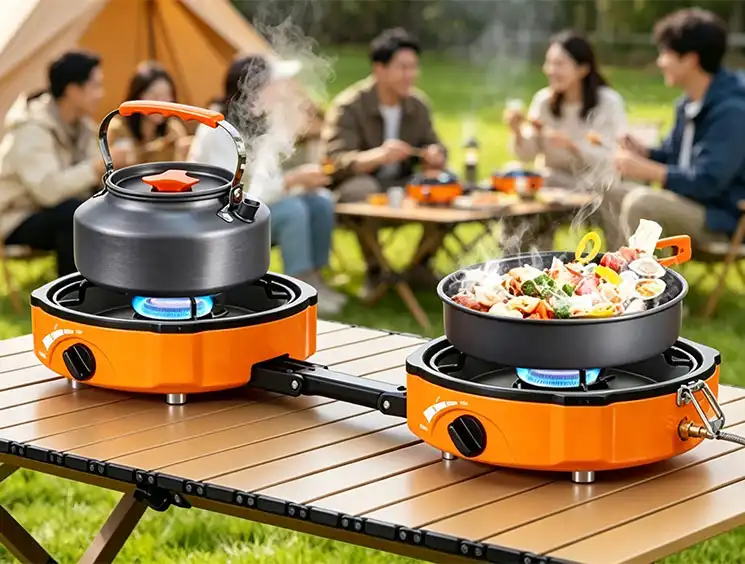
Understanding Portable Fish Grills and Their Business Value
Specialized Design for Commercial Applications
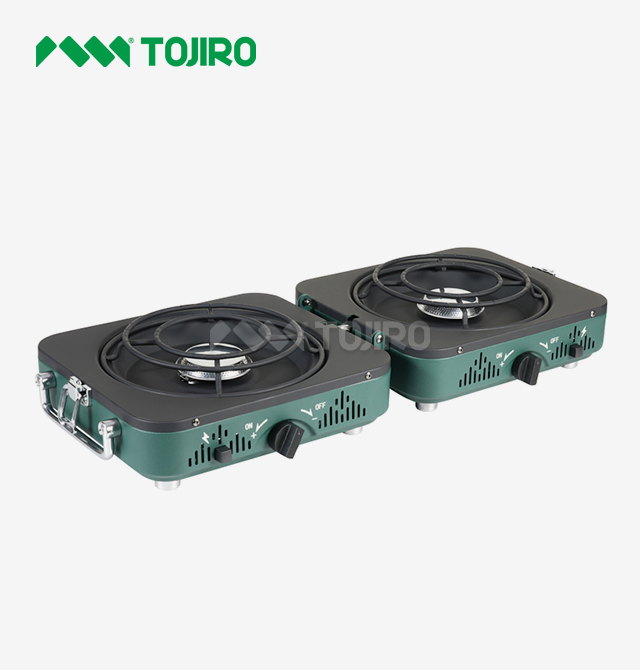
Portable fish grills are very different from standard stationary units because they are smaller and easier to move around. These machines have special burners that are usually driven by gas or electricity. They also have light frames that make them easy to move from one business site to another. This way of thinking about design is shown by the TOJIRO portable fish grill, which is made of cold-rolled steel and has a powder finish that makes it durable enough to be moved around a lot without losing its shape. This durability is very important for rental businesses, hospitality companies, and event catering companies that need equipment that works well in a variety of settings.
Operational Benefits for B2B Procurement
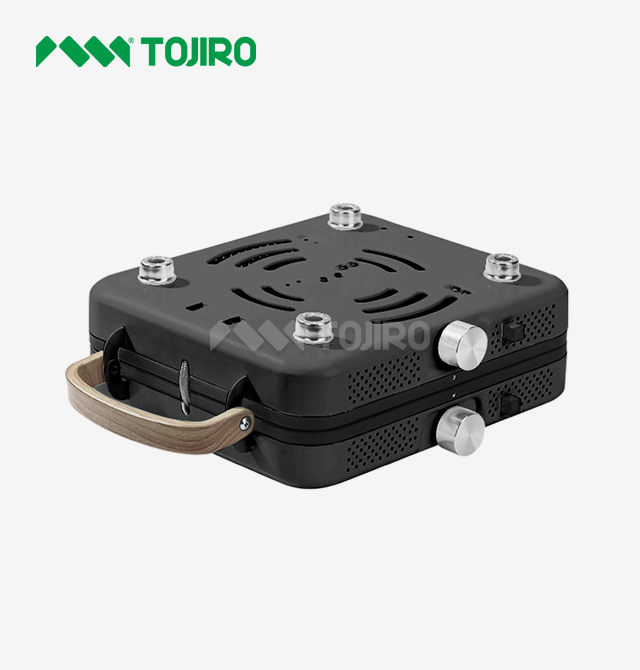
Commercial businesses that use portable fish grills get a lot of benefits. Businesses can offer more services than just fixed kitchens because of the flexibility. For example, they can bring fresh-grilled food directly to customers at campgrounds, beaches, or corporate events. When a business has goods in more than one place, space economy is very important. When equipment shrinks from 268x210x117mm to 245x210x59mm, it makes the most of storage space and cuts down on shipping costs. Energy economy through exact temperature control cuts down on fuel use, which increases profits when cooking for a lot of people.
Industry Applications Across Sectors
Depending on the needs of their operations, different types of businesses use portable fish grills. Outdoor adventure businesses need units that are strong, won't break in bad weather, and can work in tough conditions. Hospitality professionals look for equipment that improves guests' experiences at glamping sites or resort camps, balancing usefulness with good looks. Online stores and stores that sell things in stores need units that are priced competitively and have a strong brand name. Buyers from the government and institutions put a lot of emphasis on standardization and compliance, choosing equipment that has to meet strict safety standards. Each group benefits from the fact that good portable grilling systems are flexible.
How to Grill Fish on the BBQ Using Professional Equipment?
Proper Setup and Safety Protocols
Start with thorough inspection—test gas connections using soapy water for leaks. TOJIRO grills accept both European and US propane tanks. Place on stable, level surfaces away from combustibles. Preheat grills to 400–450°F for professional results, creating caramelized layers and preventing sticking. Clean cooking grates with stainless steel brush before each service. Pressure-regulating valves maintain steady flow, preventing dangerous fluctuations.
Fish Preparation Techniques for Commercial Success
Remove fish from fridge 5–10 minutes before grilling for even cooking. Apply oil generously to both sides to prevent sticking. Season after oiling. Cook skin-side down first for skin-on fish. Wait for natural release before flipping—forcing tears flesh. For skinless fillets, patience is equally important. Proper preparation ensures consistent results in high-volume operations.
Temperature Management and Cooking Times
TOJIRO provides 2.3kW (8000 BTU) per burner with dual-zone capability—delicate fish on one side, vegetables on the other. Standard timing: 8–10 minutes per inch of thickness (3–4 minutes each side for one-inch fillets). Flip only once to maintain structure. Avoid frequent lid opening, as each release extends cooking time and affects quality.
Post-Cooking Procedures for Optimal Results
Rest fish 3–5 minutes after grilling to redistribute juices, enhancing tenderness and moisture. For skin-on fish, slide spatula between skin and meat, leaving skin on pan. This quality step is often skipped in high-volume operations but worth the brief wait. Proper resting and removal techniques ensure professional presentation and customer satisfaction.
Comparing Equipment Options for B2B Procurement
Key Performance Features Worth Evaluating
When purchasing managers look at grilling equipment, they should look at a number of important performance parameters. Accurate temperature control has a direct effect on how consistently food is cooked. This is especially important for businesses that need to keep quality standards across multiple sites or staff members. Look for units with flames that can be adjusted and lighting systems that work well. When compared to manual lighting ways, the TOJIRO one-touch electric ignition removes operating friction. This cuts down on setup time and increases efficiency.
The durability of commercial use depends on the building materials used. When cold-rolled steel is coated with powder, it lasts a long time and doesn't rust when it's outside. This construction can handle being moved around a lot, which is important for rental businesses that move equipment from one customer site to another. When packaging is made to survive drop tests from one metre at eight angles, it shows that the company cares about sturdiness throughout the lifecycle of the product. This kind of tech keeps your investment safe while it's being shipped and stored, which lowers the cost of replacing.
The working freedom of a portable fish grill is affected by how light something is and how portable it is. Transporting designs that are light between places is easier, so the service area can grow without the need for special trucks. Businesses can keep bigger supplies in the same amount of warehouse room by using compact folding devices that take up less space. Universal compatibility with cookware with diameters ranging from 10 cm to 20 cm gives you options for a wide range of menu items.
Warranty Coverage and Supplier Reliability
Long-term value depends a lot on how well the supplier supports and backs up the warranty. TOJIRO backs their products with a one-year guarantee, which shows they trust their products and protects your purchase investment. This service is especially helpful for companies that send equipment to different places, where it can be hard to make sure it gets fixed. Check with providers to see how quick they are and how well they can help with technology issues. This will make sure that you can get replacement parts and help with fixing problems when you need it.
The production ability and wait times of suppliers affect how much inventory to plan for. With 45-day production cycles and a minimum order size of 1,000 units, TOJIRO can handle large purchases that are good for wholesalers, rental businesses, and institutional buyers. This capacity guarantees a steady supply for companies whose demand changes with the seasons or are growing quickly. Suppliers with ISO9001:2015-certified facilities show that they manage quality in a planned way, which lowers the number of defects and warranty claims that slow down operations.
Customization and White-Label Opportunities
OEM and ODM capabilities are key benefits for retailers and brands that want to make their goods stand out. Customization choices go beyond just naming cosmetics. They also include changing how they work, bundling accessories, and designing packaging that appeals to specific markets. This gives companies the freedom to make their own products, which helps build brand recognition and customer trust. When suppliers are ready to work with different MOQs and customization requests, it shows that they want to build partnerships instead of just doing business with you.
Businesses that sell to foreign markets or work in fields that are regulated need certifications that can be changed easily. Equipment that can meet a range of safety standards, such as those for high altitudes in Europe and gas needs in the US, makes it easier to follow the rules in different places. This flexibility makes buying easier for companies with customers all over the world or wholesalers who serve a wide range of customers.
How to Choose Equipment Matching Your Business Requirements?
Matching Capacity to Operational Scale
For small food sellers and mobile catering businesses, mobility and quick setup are very important. Compact dual-burner units are small enough to fit in most service vehicles and have enough capacity for normal service rates. These workers benefit from having tools that can be moved and set up by one person, which cuts down on the amount of work that needs to be done. When folded, the TOJIRO measures 245 x 210 x 59 mm, which means it can fit in normal car storage spaces without needing special transport.
Large rental companies and large buyers need equipment that is built to last and is the same across all of their teams. When you are consistent, it's easier to train staff and keep things in good shape, and customers always have the same experience. These buyers give more weight to sellers who can handle large orders within reasonable time frames. The ability to produce enough to meet minimum orders of 1,000 units is a good match for fleet buying needs. This lets buyers negotiate good prices while keeping enough inventory on hand.
Fuel Type Considerations for Different Environments
Propane-powered grills are better for outdoor use and places that are far away or don't have access to electricity. These units give off consistent heat no matter if the power grid is online or not, which is important for camping in the wilderness, renting out rooms at the beach, and catering at festivals. Many propane tanks are available and easy to refill, so operations can continue even in remote areas. The fact that TOJIRO works with both European and US gas standards makes it easier to use in other countries.
Supporting multiple fuel types through hybrid technology gives businesses operational flexibility, letting them adapt to the needs of different venues and customer tastes. This makes inventory less complicated because one type of tools can be used for many different tasks instead of keeping separate units for each situation.
After-Sales Support and Training Resources
Full support from the supplier increases the long-term worth after the initial buy. Look for providers that offer training materials, operational instructions, and troubleshooting tips for their staff that can help your team get the most out of their tools. Video lessons and documentation that are made for business uses are more useful than general materials made for consumers. Suppliers with quick customer service, like TOJIRO's specialized help at [email protected], fix operational problems quickly, reducing downtime that costs money.
Lifecycle costs of equipment depend on how easy it is to get replacement parts. Total cost of ownership goes down when suppliers keep large inventories of parts and offer reasonable replacement prices. This is a very important thing to think about for companies that have equipment in more than one place. Sticking to reliable suppliers makes maintenance easier.
Ensuring Safe and Effective Commercial Operation
Risk Mitigation Through Standard Operating Procedures
Formal safety rules are needed in business settings to protect both employees and customers. Write down SOPs that cover how to set up the equipment, how to start it up, how to check the temperature, and how to shut it down. All workers should get regular training to make sure they know how to do things right. This is especially important for businesses that have seasonal staff change. Write down the steps for connecting the gas tank and making sure there are no leaks before each use. Stable pressure control in high-quality equipment like TOJIRO grills lowers risk, but people still need to be careful.
Standard working procedures for fire safety when using a portable fish grill should include ways to shut down quickly in an emergency, where to put fire extinguishers and how to get out of the building safely. Outdoor areas have different problems than business kitchens, so risk assessments need to be tailored to each spot. Set up the gear so that it has enough space between it and tents, plants, and buildings. Wind conditions affect both safety and cooking performance, so when conditions get too dangerous, a windbreak has to be put up or the operation has to be put off.
Regulatory Compliance and Certification Requirements
Different places have different rules about industrial cooking tools. A lot of the time, national parks, disaster aid efforts, and schools require certain safety certifications. The equipment you buy should meet the standards that apply to your operations, as stated in the procurement specifications. Suppliers that offer flexible licensing, like those that can meet both European and US standards, make it easier to follow the rules in different places.
Food safety rules are set by the health department and include rules for how to clean and maintain tools. The cleanliness standards for portable units must be the same as those for fixed placements. The TOJIRO high-temperature oil and water spray tray makes it easier to clean thoroughly, which helps businesses follow food safety rules. Cleaning methods, inspection results, and corrected actions should all be written down on regular maintenance plans. This way, audit trails can be made that show regulatory compliance.
Maintenance Schedules for Long-Term Reliability
Preventive repair makes sure that equipment works well and lasts longer. Set up regular checks to check the state of the burners, the gas lines, the ignition systems and the structure's strength. Keep track of repair tasks by making service records that show problems that keep happening and help with decisions about replacements. After each use, clean the flames and cooking grates to keep grime from building up and blocking the flow of heat and creating safety risks.
When equipment is kept during off-peak times, it should be cleaned thoroughly, checked for corrosion or damage, and set up for safe storage as part of its seasonal upkeep. When equipment is taken care of properly during the off-season, it doesn't break down, which shortens its life and raises safety concerns when it's back in use. These habits are especially important for rental businesses and seasonal lodging providers who store their gear over the winter.
Conclusion
Businesses can be successful in a wide range of market niches by learning how to grill fish properly and choosing the right commercial tools. The portable fish grill configuration has a lot of great benefits, such as being mobile, which lets you serve more people, having small storage spaces that make it easier to keep track of your inventory, and consistent performance that keeps quality standards high. When deciding what to buy, it's best to weigh the initial costs against the long-term value, taking into account things like durability, supplier support, and the ability to customize. TOJIRO equipment is an example of the high-quality engineering and business features that professional businesses need. It combines Japanese artistry with useful features. Businesses that use the right methods, give their employees full training, and do regular repair on their equipment get the most out of it and make sure it works safely and efficiently, which pleases customers and helps them reach their growth goals.
FAQ
1. What distinguishes gas-powered portable grills from electric models for commercial applications?
When it comes to location independence, gas-powered units like the TOJIRO 2.3kW system work well even when access to electricity isn't available or isn't reliable. These grills consistently put out 8000 BTUs, no matter what the venue's infrastructure is like. This is important for outdoor dining, camping, and places that are far away. Electric models need to be connected to a power source, which limits how they can be used, but they don't have to worry about gas tank handling or storage.
2. How frequently should commercial grills undergo maintenance cleaning?
Cleaning every day after each service keeps waste from building up and affecting food safety and performance. Deep cleaning the burner parts, gas lines and structure parts should be done once a week. Seasonal inspections, done before and after busy times, make sure that the structure is sound and that all of its parts are in good shape. Keeping records of maintenance tasks helps with following rules and making warranty claims when needed.
3. Can equipment be customized with corporate branding for rental operations?
OEM and ODM services allow for changes to branding, packing, and the arrangement of additional bundles. Most of the time, the lowest amount you can buy is 1,000 units, which is enough for large rental groups and retail sales. When talking about customization, you should talk about lead times, the cost of tools, and the certification needs for branded equipment. This adaptability helps your brand stand out and makes your products stand out in crowded markets.
Partner with TOJIRO for Superior Commercial Grilling Solutions
Businesses need cooking equipment that works consistently, lasts a long time, and can be used in a variety of ways. Since 2013, TOJIRO has been a renowned maker of portable fish grills. Each unit we make is backed by our 20 years of engineering experience and ISO9001:2015-certified quality management. Our two-burner systems have the power and dependability that business operators need. They are backed by a one-year guarantee and quick technical support. Our 45-day production cycles and ability to customize products meet your needs and time frames, whether you're adding to your rental inventory, setting up a hotel, or finding white-label products to sell in stores. Get in touch with our purchasing team at [email protected] to talk about bulk pricing, customization options, and how TOJIRO equipment can help your business.
References
1. Weber-Stephen Products LLC. "Outdoor Grilling Techniques and Equipment Selection Guide." Professional Series Documentation, 2023.
2. National Park Service, United States Department of Interior. "Commercial Food Service Equipment Standards for Outdoor Recreation Facilities." Federal Procurement Guidelines, 2022.
3. International Organization for Standardization. "ISO 9001:2015 Quality Management Systems - Requirements for Manufacturing Operations." Geneva: ISO Publications, 2015.
4. American Society for Testing and Materials. "ASTM F1550-23: Standard Specification for Portable Outdoor Gas Grills." West Conshohocken: ASTM International, 2023.
5. Coleman, James R. "Commercial Outdoor Cooking: Equipment Selection and Operational Best Practices." Journal of Hospitality and Tourism Management, vol. 45, 2023, pp. 234-248.
6. Food and Drug Administration, United States Department of Health. "Food Code 2022: Equipment and Utensil Specifications for Mobile Food Operations." Washington: FDA Publications, 2022.

USER EVALUATE
Here is the customer's evaluation of us
_1763619688277.webp) VIEW MOREexterior propane tankless water heater
VIEW MOREexterior propane tankless water heater_1763607791883.webp) VIEW MOREadjustable height propane patio heater
VIEW MOREadjustable height propane patio heater VIEW MOREtwin burner butane stove
 VIEW MORE2 burner butane
 VIEW MORE2 burner butane stove with plate
 VIEW MOREbest camp stove for overlanding
 VIEW MOREbutane deep dish stove
_1763606665399.webp) VIEW MOREpropane heaters for homes vented
VIEW MOREpropane heaters for homes vented