


How to clean and maintain a portable double camping stove
If you take good care of your camping stove, it can go from being just a cooking tool to a valuable business asset. To keep working well after hundreds of cooking sessions, a portable double camping stove needs to be cleaned and serviced regularly. Knowing the right way to maintain equipment lowers costs, makes it last longer, and makes sure safety rules are followed. These are all very important for rental companies, business buyers, and institutional buyers who manage large stockpiles. This guide gives you useful cleaning and repair tips for business settings where the reliability of your tools has a direct effect on your bottom line.
Understanding Portable Double Camping Stoves and Their Maintenance Needs
What Makes Dual Burner Systems Unique
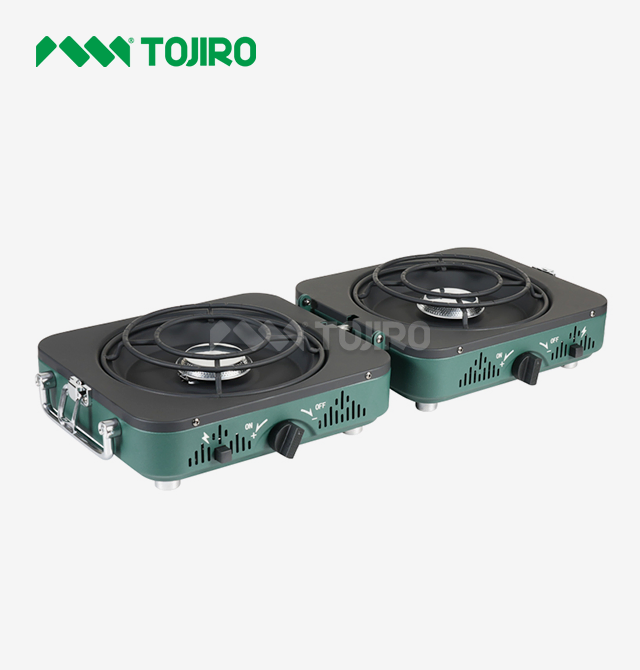
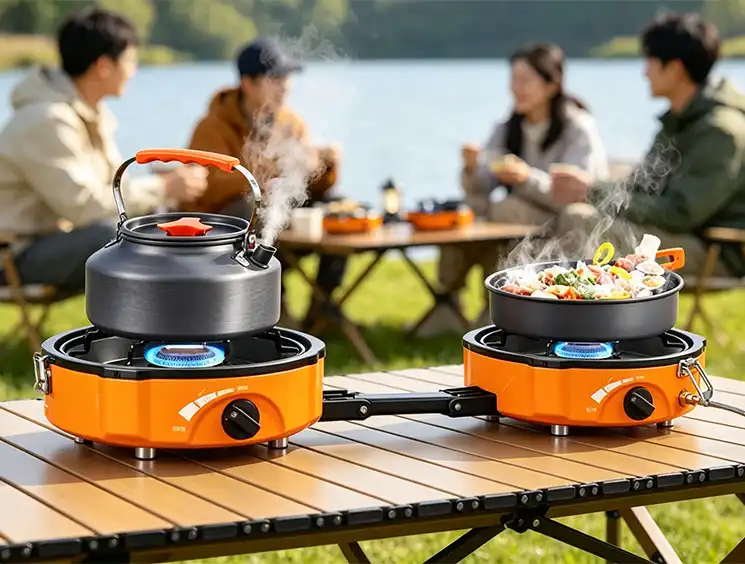
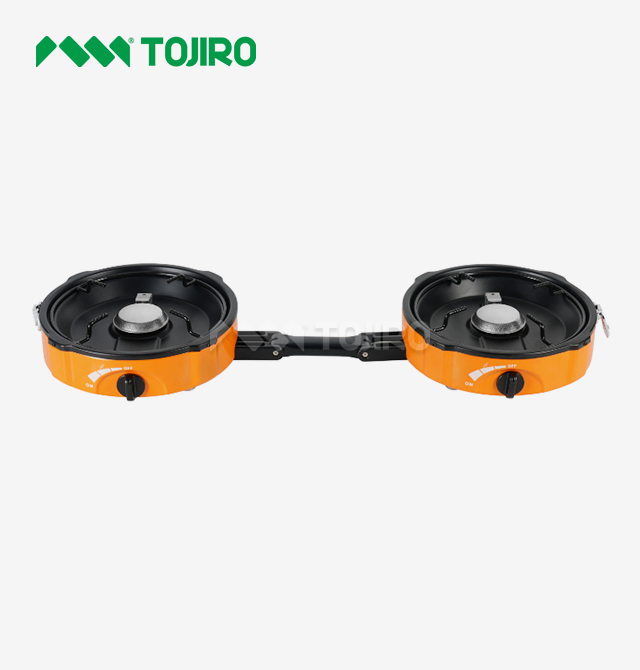
Portable double camping stoves are basically different from single-burner units because they can cook two things at the same time and use separate fuel delivery methods. This way of thinking about design is shown by the TOJIRO Shell Stove, which has two separate 2.3kW heaters that each put out 8,000 BTU. In this setup, workers can make multiple dishes at the same time, which greatly increases throughput during busy times. The cold-rolled steel structure and powder finish make it very durable, and the heat stays evenly distributed between the two cooking areas.
Critical Components Requiring Regular Attention
Every portable double camping stove has a number of parts that need to be maintained. Both open flame and infrared burner heads build up fuel waste that blocks gas flow and makes warmth less effective. The pressure-regulating valve keeps the flow steady, but it needs to be checked every so often to find signs of wear. No matter if they are electronic or motorised, ignition systems need to be cleaned in order to work properly. Debris or dust growth can block the fuel lines that connect canisters to burners. When figuring out the total cost of ownership, knowing about these parts helps buying teams guess how much upkeep will cost.
Why B2B Buyers Must Prioritize Maintenance Planning
For commercial purposes, equipment is used in ways that are very different from how most people use it. Stoves rented out go through different users several times a week, so each person brings their own set of dealing and cleaning standards. During busy times, glamping sites run their equipment nonstop, which speeds up the wear and tear on seals and valves. For high-stakes events where equipment failure could hurt the company's image, corporate event planners need to know that the equipment will work. Because of these tough conditions, proactive upkeep is not a choice; it is necessary to protect the value of investments and keep operations running.
Step-by-Step Guide to Cleaning Your Portable Double Camping Stove
Pre-Cleaning Safety Preparations
Before cleaning can happen, safety rules must be followed for a portable double camping stove. Let the cooker cool down all the way—at least 30 minutes after the last use—before you touch any of its parts. Take out the propane or butane tanks and make sure the valves are fully closed to disconnect the fuel source. Do this work in well-ventilated rooms that are away from sources of fire. Setting up specific cleaning areas makes work easier for businesses that have more than one unit and want to keep safety standards high. These steps should be written down in operations guides so that everyone on staff follows the same rules.
Essential Cleaning Tools and Solutions
To clean a cooker well, you need tools that are made for that type of material. Soft-bristle brushes get rid of carbon buildup from burner heads without scratching powder-coated surfaces. Microfibre cloths soak up cleaners without leaving behind lint. When grease builds up in hard-to-remove places, mild degreasing agents made for kitchen appliances work well without harming metal finishes. The compressed air canister cleans the fuel supply holes without adding any water. To get to places where dust builds up, you can use toothpicks or thin wire tools. To cut down on cleaning downtime, procurement managers should keep these materials and spare parts on hand.
Burner Head Disassembly and Cleaning
To start, remove both burner heads as directed by the maker. Burner parts can be taken off of the TOJIRO Shell Stove without using any tools, which cuts down on repair time. Check each hob for carbon buildup around the flame ports. These are small holes that let gas flow smoothly but can get clogged easily. To gently get rid of deposits you can see, dip soft brushes in warm washing water. Soak parts in a degreasing solution for 15 to 20 minutes before you scrub to get rid of tough residue. Rinse well with clean water and let dry completely before putting it back together. This methodical approach stops damage from wetness and makes sure the flame is spread out evenly.
Fuel Line and Connection Point Maintenance
Check the places where the fuel lines join for debris that could damage the seals. Clean cloths should be used to wipe down threaded surfaces to get rid of dust and old ink. Check the O-rings and seals for cracks or marks that show they need to be replaced. To clean the pressure-regulating valve case without taking it apart, use compressed air to blow out the inside passageways. Thermal cycling at these connection points wears down the sealing compounds over time. This is why frequent inspection is especially important for high-volume industrial uses where gas leaks can put the business at risk of serious liability.
Final Assembly and Function Testing
After cleaning each part, put the cooker back together by going backwards through the order of removal. Make sure the burner heads are in the right place and that the ignite electrodes are lined up correctly with the gas ports. Reconnect the fuel sources and use soapy water on all the connection points to look for leaks. Bubbling means gas is leaving and needs to be fixed right away. Test both burners at different output levels to make sure the flames are always the same. Record when cleaning tasks are finished for inventory keeping systems. This is especially helpful for rental businesses that need to keep service history records.
Effective Maintenance Tips to Prolong Your Stove's Lifespan
Establishing Routine Inspection Schedules
Structured repair schedules that match the level of use are good for businesses using a portable double camping stove. Rental companies should check the equipment for harm and do some simple cleaning every time a customer returns it. For commercial buildings that use stoves during certain times of the year, they need to be serviced before those times. This includes checking all of the parts and replacing any worn-out ones. Institutional buyers who are in charge of big stocks can set up rotating maintenance so that every three months, different parts of the inventory get a lot of attention. This keeps the whole fleet running. These methodical methods find problems as they start to form before they become major problems during key usage times.
Storage Protocols for Long-Term Equipment Protection
Corrosion and component damage can be avoided by storing things correctly when they are not in use. Before putting stoves away for the winter, clean them very well to get rid of any fuel leftovers or food bits that could attract bugs and water. Keep the units in climate-controlled spaces where the temperature stays between 50°F and 80°F and the relative humidity stays below 60%. Stoves should be raised off of concrete floors that let groundwater into metal parts. In big storage situations, make sure there is enough space between units to let air flow. These steps are especially important for seasonal businesses that don't use their tools for long amounts of time.
Identifying Common Performance Issues Early
By spotting early warning signs, catastrophic mistakes can be avoided. Uneven flame spread means that the burner ports are blocked and need to be cleaned right away. Problems starting a fire could mean that the spark parts are worn out or that water is getting into the electrical circuits. If you see yellow or orange flames instead of blue ones, it means that the fuel is contaminated or that the air flow is too limited to finish burning. Odours that aren't like propane smells normally mean that there are fuel leaks that need to be fixed right away. By teaching staff to recognise these signs, problems can be fixed quickly, which keeps tools working and safety standards high.
Replacement Parts and Supplier Support
Maintenance downtime can be cut down by building ties with trusted parts suppliers. TOJIRO has a wide range of parts available and uses ISO9001:2015-certified production methods to make sure the quality of all of its parts is always the same. Burner heads, ignition systems, pressure regulators, and seal sets are just a few of the important extra parts that procurement teams should keep on hand. Because of the 45-day production cycle for bulk sales, yearly demand spikes need to be planned for ahead of time. The one-year guarantee gives business buyers extra protection, but regular upkeep lowers the number of warranty claims and extends the life of the equipment beyond the covered periods.
Fuel Types and Their Maintenance Implications
Propane Characteristics for Commercial Applications
Propane is still the most popular fuel for a portable double camping stove in business settings. Its high energy density means that it gives off the same amount of heat even when the temperature outside changes. This is especially important for activities that take place in different conditions. The TOJIRO Shell Stove can hold propane tanks that are the usual size in the US and meet DOT safety and durability standards. Compared to liquid fuels, propane burns cleanly, leaving behind few carbon deposits that make upkeep easier. Local fire codes must be followed when storing and dealing large amounts of propane. This makes institutional sellers pay extra attention to paperwork and safety rules.
Butane Applications and Maintenance Considerations
Butane has benefits in some business situations, even though it doesn't work as well in cold weather. High-altitude butane cartridges that keep the vapour pressure steady in mountainous areas are often used in European activities. Compared to liquid fuels, the fuel's clean burning means that the burner head doesn't need to be cleaned as often. Butane can't work below 32°F because it has a lower boiling point. This means it can't be used for emergency preparations or winter camping. Rental companies with customers all over the world can use equipment that can run on both types of fuel, which gives them more operating freedom in a wide range of markets.
Fuel Residue Patterns and Cleaning Frequency
Different fuels leave behind different types of waste, which changes when upkeep needs to be done. Propane doesn't leave behind many deposits when it's working properly, but when burner ports get blocked, carbon can build up from incomplete burning. In a maintenance cycle, decreasing performance means that the system needs to be cleaned before it gets completely clogged. Liquid fuels leave behind heavier leftovers that need to be cleaned up more often, but they are more reliable in cold weather for school users who support outdoor education programs all year. When buying teams understand these trends, they can figure out the real costs of running a business, which includes the labour needed for maintenance tasks.
Safety Protocols for Bulk Fuel Management
Businesses that store large amounts of fuel are required by law to do things that go beyond what consumers want. Propane holding places must have enough air flow to keep gas concentrations below levels that could cause an explosion, as required by OSHA rules. Cylinder cleaning rules find rust or damage that means units need to be taken out of service. Staff training programs that cover how to handle fuel safely lower the risk of being sued for bad connections or leak responses. These rules about following the rules add extra work that procurement teams have to think about when they calculate the total cost of buying tools.
Choosing the Right Portable Double Camping Stove for Your Business Needs
Material Durability and Total Cost of Ownership
In business settings, the durability of a portable double camping stove is largely determined by the materials used in its construction. The TOJIRO Shell Stove is made of cold-rolled steel that has been coated with a powder that is specially made to last in the outdoors. When mixed together, these materials don't rust in damp places and keep their shape even after being heated and cooled many times. The powder coating can handle the rough handling that paint finishes get during shipping and storage. Drop tests from one metre and eight different directions prove that the packing design protects the equipment while it's being shipped and while it's being used in the field. These qualities of longevity mean that they need to be replaced less often, which directly improves the return on investment for buying a lot of tools.
Burner Design Impact on Maintenance Requirements
The way a hob is set up affects both how well it cooks and how hard it is to maintain. Portable double camping stoves with both open flame and infrared elements give you more ways to cook while making cleaning more difficult. Open flame burners get layers around the ports that can be seen, which makes checking easy. On the other hand, infrared elements need special cleaning methods to keep the ceramic surfaces in good shape. The TOJIRO design lets you remove the entire burner without using any special tools. This cuts down on the cost of repair labour for businesses that manage big fleets of equipment. This serviceable design theory is different from sealed systems that need service at the plant. This is important to keep in mind for operations that are far away and don't have easy access to maker help.
Evaluating Supplier Capabilities for Commercial Buyers
Selecting a supplier involves more than just choosing a product. It also involves looking at the supplier's manufacturing ability and support system. TOJIRO's 10,000-square-meter factory in Zhongshan makes more than a million units a year, which is a big enough scale for large institutional orders. The minimum order number of 1,000 units is in line with what government agencies or big rental businesses need when they buy in bulk. The 45-day wait time lets you plan your holiday inventory, and the ODM/OEM customisation feature works for white-label partners and unique need situations. When looking at possible providers, these operating factors are just as important as product features.
Certification Requirements and Compliance Documentation
More and more, B2B procurement methods need detailed compliance paperwork. The ISO9001:2015 certification from TOJIRO proves that their quality control methods meet international standards. Being able to get different licenses lets tools be used in places with different rules and regulations. In Europe, products may need to be marked with the CE mark, while in North America, they need to be approved by UL or CSA. Knowing what licenses are available during the initial purchase process keeps you from having to pay a lot of money for expensive repairs or replacements to get compliance. Institutional buyers who run operations in multiple countries and at multiple sites value sellers who can provide full paperwork packages that can work in a variety of regulatory settings.
Conclusion
Cleaning and maintaining a portable double camping stove in a planned way turns purchases into long-term assets that can be used. The steps described here are a good mix of being careful and being useful and efficient for business uses. Maintaining cleanliness stops equipment from losing its effectiveness and makes it last longer than usual. With proactive upkeep, problems are found early on, before they get worse and cause expensive fails or safety risks. The right choice of fuel and store rules make sure that the system works the same way in all kinds of working conditions. All of these practices work together to lower the total cost of ownership while still meeting the needs of business operations for dependability. Structured repair programs put in place by procurement teams protect investments in equipment and keep operations running during peak usage times.
FAQ
1.How often should commercial operations clean dual burner camping stoves?
How often you clean a portable double camping stove depends directly on how much you use it. Rental businesses should do basic cleaning every time a customer leaves, which is usually once a week during busy times. When corporate buildings use tools for monthly events, they need to be cleaned very well after each use. Institutional programs that are used every day do better with a deep clean once a week and a quick wipe-down after each session. Keep an eye on the quality of the flames as performance signs. Uneven flames or trouble starting a fire mean that cleaning needs to be done right away, no matter when the planned maintenance is.
2.What storage conditions best preserve equipment during off-seasons?
Keeping the temperature between 50 and 80°F and the humidity below 60% in climate-controlled spaces stops rusting over long periods of time. Before putting equipment away, clean it very well to get rid of all fuel leftovers and food bits. Store boxes that are raised off of concrete floors and have enough space between them to let air flow. For extra moisture protection, put a thin layer of food-safe oil on metal surfaces. Keep track of when and where things are stored so that inventory management systems can keep track of when to rotate tools.
3.Can different fuel types damage burner components over time?
When equipment is working right, quality fuels that meet area standards rarely hurt parts. Problems can happen when fuel is contaminated, connections aren't made properly and dirt can get in, or equipment is used outside of what is suggested. Thermal cycling can damage O-rings and seals, no matter what kind of fuel they are used with. Follow the manufacturer's instructions for the fuel types that will work. For example, the TOJIRO Shell Stove can use both US-standard propane and European high-altitude gas cartridges that are made to work with its fuel system.
Partner with TOJIRO for Reliable Camping Stove Solutions
TOJIRO makes a portable double camping stove that meets strict business requirements by combining traditional Japanese accuracy with modern manufacturing techniques. Our manufacturer has twenty years of experience making gas appliances. They make equipment that hire companies, institutional buyers and OEM partners in North America, Europe and Asia trust. The Shell Stove is made of cold-rolled steel, has two 2.3kW heaters, and can be maintained without any tools. These features show our dedication to working excellence. We offer ODM/OEM customisation, wait times of 45 days for orders of 1,000 units or more, and a guarantee that covers your business for a year. Get in touch with our purchasing team at [email protected] to talk about bulk prices, customisation options, and how our ISO9001:2015-certified production processes can give your business the dependability it needs. You can find full technical specs and application help at qstojiro.com.
References
1. Johnson, M. & Williams, R. (2021). Commercial Outdoor Cooking Equipment: Maintenance Best Practices for Rental Operations. Outdoor Industry Association Press.
2. Chen, L. (2022). "Fuel Type Selection and Performance Optimization in Portable Gas Stoves." Journal of Commercial Food Service Equipment, 18(3), 45-62.
3. Thompson, K. (2020). Total Cost of Ownership Analysis for Institutional Procurement: Camping and Field Equipment. Government Purchasing Institute.
4. Anderson, P. & Martinez, S. (2023). "Material Durability in High-Cycle Commercial Applications: Steel Alloy Performance Data." Materials Engineering Quarterly, 31(2), 112-128.
5. Davis, H. (2021). Safety Protocols for Bulk Fuel Management in Commercial Outdoor Recreation. National Safety Council Publications.
6. Wilson, T. & Brown, A. (2022). "Preventive Maintenance Scheduling Optimization for Rental Equipment Fleets." Business Operations Management Review, 14(4), 203-219.

USER EVALUATE
Here is the customer's evaluation of us
_1763619738116.webp)
_1763607672511.webp)
_1763606665399.webp)