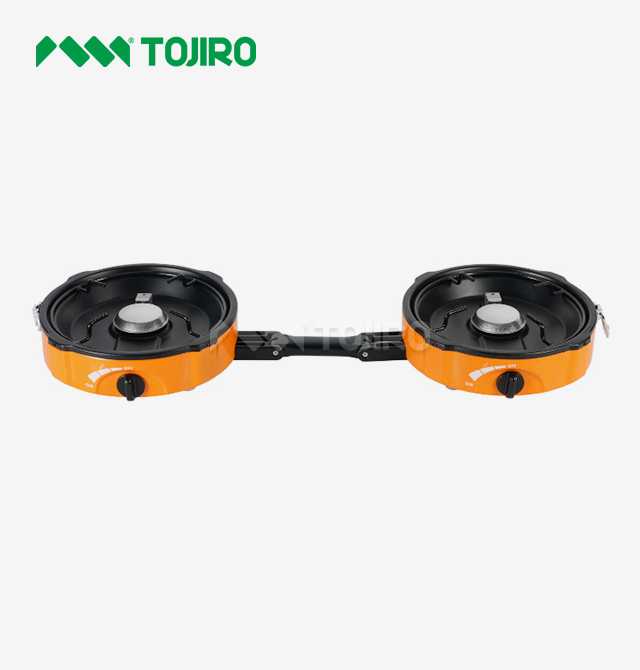



How to Use Double Burner Butane Stove
To use a dual burner butane stove properly, you should first understand how it is designed and what fuels it can use. These portable cooking options have two separate burners that use butane tanks to provide heat that can be controlled. To do this, you have to secure the fuel source, light each hob separately, and change the strength of the flames based on what you're making. Because of this, they are very useful for commercial catering businesses, dining places and field service settings where reliable heating solutions are a must.

Understanding Dual Burner Butane Stoves: Basics and Benefits
Portable cooking gear has come a long way, and now butane-powered types are a great option for businesses that need stable heating solutions. These devices have a combustion system that turns butane fuel into instant, changeable heat. This makes them more efficient and flexible to use than many other options.
What Makes Butane Cooking Equipment Unique
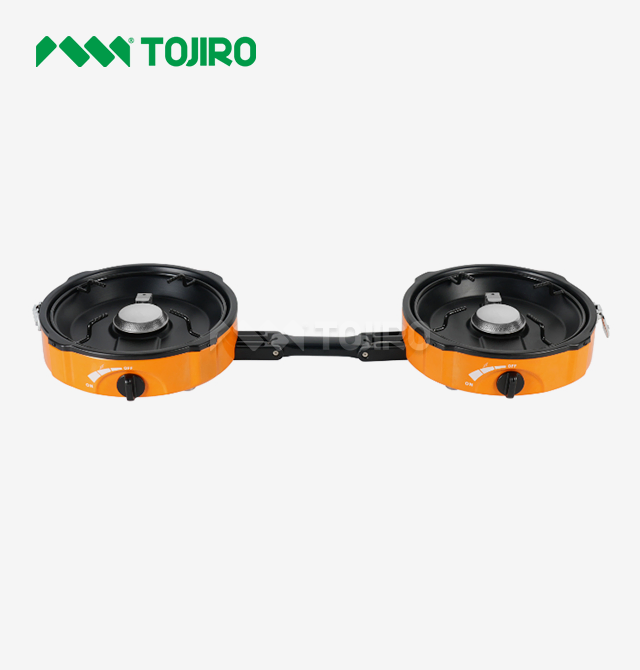
Butane stoves work on a simple principle: when compressed butane gas is released, it changes from a liquid to a vapour, which ignites to make a steady light. This technology is shown by the TOJIRO TJR-BK39 Shell Stove, which has two separate 2.3kW heaters that each put out 8,000 BTU. This dual burner butane stove setup lets you cook two things at the same time, which cuts down on preparation time during busy times. The powder-coated cold-rolled steel construction makes it long-lasting in harsh industrial settings, and the pressure-regulating valve keeps the gas flow stable even when the pressure in the canister changes.
Comparing Fuel Options for Commercial Applications
When buying teams look at different ways to heat a building, they often compare butane to gas and electric options. However, butane is easier to carry and uses less fuel than propane. In the same settings, it burns about 10 to 12 percent more effectively. The small size of the box makes it easier to store and move, which is great for rental businesses and mobile food services. Electric stoves need a specific power grid, butane stoves can work on their own, which makes them perfect for rural areas, outdoor events, and emergency situations. Environmental factors also favour butane combustion over propane combustion because it creates cleaner fumes and leaves behind fewer carbon deposits.
Key Advantages for B2B Procurement
Businesses tend to buy equipment that gives them clear business benefits. However, butane cooking methods are better in a number of important ways that have a direct effect on how well a business runs. Models like the TJR-BK39 have a small footprint (268x210x117mm when expanded), which makes the most of limited room in service areas. The one-piece firing method makes things easier to use, so staff can do their jobs with little training. The high-temperature oil and water spray tray makes cleanup easier and cuts down on the time needed between service visits. Because of these useful benefits, businesses that cook, glamping sites, and institutions that prepare food for people have lower prices and more productive staff.
Step-by-Step Guide: How to Use a Dual Burner Butane Stove Safely and Efficiently
Paying attention to setup steps, safety rules, and repair processes is important for using portable cooking tools correctly. This methodical approach guarantees uniform performance and extends the life of your equipment, protecting your investment and keeping it reliable for use.
Pre-Operation Inspection and Setup
Do a full safety check on every hob before lighting it. Check the butane tank for damage, rust, or dents that could make it less reliable. Before installing, make sure that the TJR-BK39 is compatible with either high-altitude gas tanks (European standard) or propane bottles (US standard). Take off the protected cap on top of the canister and look at the connection point for any dirt or debris. Place the stove on a stable, level surface that is away from burning items and makes sure there is enough air flow in the area. To position the fuel canister, open the canister section and line up the alignment tab with the notch on the fuel canister. Before you move the canister lever, make sure the gas flow dial is in the "off" position. This locks the fuel source firmly in place.
Ignition and Flame Control Procedures
The TOJIRO model's voltage lighting technique makes starting it easier than when you do it by hand. To turn on the built-in igniter, turn the control dial all the way around. You should hear a distinct click as the spark mechanism engages and the gas starts to burn. If the engine doesn't start right away, turn the switch back to the off position, wait ten seconds, and try again. Once it's lit, slowly turn the control dial to change the height of the light. Lower settings are good for keeping food warm or cooking sauces, while the highest setting is best for quickly boiling or burning food over high heat. Because each hob works on its own, different temperature zones can be used to prepare more than one meal. The pressure-regulating valve keeps the output constant over the life of the tank, so speed doesn't drop as fuel runs out.
Maintenance Protocols for Extended Equipment Life
Regular repair has a direct effect on how safe and reliable the dual burner butane stove equipment is. Burners should be left to cool down totally after each use before they are cleaned. Clean the burner ports with a soft-bristled brush, being careful not to make these important holes bigger or change their shape. The TJR-BK39's high-temperature spray tray catches oil and water spills and needs to be taken out and cleaned with normal degreasing products every so often. Check seals and O-rings every three months for cracks or other signs of brittleness. If you find any, replace them right away to stop gas leaks. Keep tools in a dry place out of direct sunlight, since too much heat can raise the pressure inside canisters above what is safe. The manufacturer's agreement with the GB/T38522-2020 standard makes sure that parts meet recognised safety standards, and only true replacement parts can keep this approval.
Comparing Dual Burner Butane Stoves to Alternatives: Making the Best Choice
Comparative research that looks at performance measures, cost factors, and operational suitability across different types of tools can help with buying choices. This evaluation method helps you find the best option for your business needs.
Performance Metrics Across Fuel Types
Butane-powered equipment heats up right away and doesn't need time to warm up. It starts working and is at full output within seconds. Electric types, on the other hand, need several minutes to reach their highest warmth. Propane systems have bigger and heavy fuel tanks that make them less portable, but they produce more BTUs. Butane works the same way in temperatures above freezing, but in cold weather below 0.5°C, propane mixes may be needed for effective vaporisation. Measurements of fuel efficiency show that each burner using the highest amount of butane uses about 152 grams per hour. This means that running costs can be predicted and planned for in the budget. Electric options get rid of the cost of fuel, but they also cost money to use and rely on electricity infrastructure, which limits how they can be used in the field.
Selection Criteria for Commercial Buyers
Professionals in procurement look at technology based on how it will be used and how the business works. Ignition technology affects how the user feels. Voltage ignition systems, like the ones in the TJR-BK39, are more reliable than piezo or manual methods. The hob power decides how fast and how much food can be cooked. With a 2.3kW output, pots up to 20 cm in diameter can be cooked quickly and easily. When thinking about portability, you should think about both the folded size for transport and the operating area for use. The TJR-BK39 can be folded up into a small 245x210x59mm shape that fits into normal storage spaces in service cars and equipment lockers. The quality of the construction affects how long something lasts in harsh conditions. For example, cold-rolled steel construction is better at withstanding repeated travel and outdoor exposure than lighter materials. Certification compliance makes sure that all markets follow the rules, and the GB/T38522-2020 standard is a well-known way to prove safety.
Leading Manufacturers and Supplier Networks
Brands that have been around for a while have a track record of success and a full support system. Coleman sells a lot of products in stores for outdoor leisure, while Iwatani makes commercial-grade butane systems that are famous in Asian markets. Jetboil makes ultra-compact boats for people who go on expeditions and into the mountains. Tojiro is in the business and governmental market, and it combines traditional Japanese craftsmanship with current production skills. The one-year guarantee and agreement with ISO standards show a dedication to quality control and customer service. Working directly with makers gives you access to technical support, customisation options, and better terms for buying in bulk that you can't get from secondary sellers.
Procurement Insights: Where and How to Source Dual Burner Butane Stoves
Strategic sourcing makes the most of the value while ensuring the validity of the product and solid help after the sale. To do this, you need to know how to use market platforms, set prices, and think about transportation issues that affect the total cost of ownership.
Manufacturer Relationships and Bulk Purchasing
There are benefits to working directly with manufacturers of dual burner butane stove that go beyond unit price. Tojiro's minimum order number of 1,000 units works well for medium-sized distributors, hire companies, and institutional buyers who want to standardise equipment in more than one place. The 45-day production cycle makes it possible to plan ahead for goods, so there aren't any last-minute rush exports that drive up costs. Customisation options allow for white-label agreements and changes that are specific to a market. These changes can be made to fit different gas standards (for example, European high-altitude tanks versus US propane cylinders) and meet branding needs. ISO approval makes it easier to check for compliance, which makes buying easier for government and business buyers who have to follow strict safety rules. OEM/ODM relationships help with product development by letting partners choose materials, sizes, and features that appeal to the target market.
Evaluating Total Cost Beyond Purchase Price
Total cost evaluation goes beyond purchase price to include logistics, packaging, warranty, and after-sales support. Compact folded design improves container efficiency and reduces per-unit shipping costs. Standard kraft cartons (four units per box) meet drop-test standards while minimizing waste. A one-year warranty reduces replacement risk. Fast, localized technical support lowers downtime. Bundled accessories like cases, extra canisters, and repair kits improve convenience and reduce procurement complexity through single-source purchasing.
Distribution Channels and Market Access
B2B buyers can get goods through a number of different platforms, each with its own benefits. When you buy directly from the maker, you save the most money and have the most options for customisation, but you have to place bigger orders. Authorised wholesalers lower the minimum order size and keep goods close by so orders can be filled faster, but they charge a little more per unit. Online B2B markets make it easier to compare prices and check out suppliers, but it's still important to make sure that the products are real. Trade shows and other events in the business give you a chance to meet and talk with reps from suppliers. Companies that rent out tools and offer experience services can benefit the most from direct manufacturer relationships. This is because their needs are usually high-volume and recurring, which means they can afford to invest in strategic partnerships that give them better prices and first dibs on production schedules.
Enhancing Operational Efficiency and Safety: Best Practices for B2B Clients
To get the most out of your tools, you need to make sure it works with other parts of your business, like your safety management systems and staff training programs. These methods keep people safe, make the best use of fuel, and make sure that rules are followed in a wide range of mission situations.
Fuel Management and Consumption Optimization
To keep fuel costs down, you need to keep an eye on how much you use and set up rules for efficiency. At full power, the TJR-BK39's burners use about 152g of gas per hour, which means that a normal 227g cylinder lets each burner cook continuously at high heat for about 1.5 hours. During simmering stages, lowering the flame strength makes the cylinder last a lot longer; medium settings often use 40–50% less fuel while keeping cooking temperatures at a good level for many uses. Using fuel tracking tools helps you find patterns in how much you use and places where you could be saving money. Simple logbook processes that keep track of when canisters are installed and replaced give basic information. More complex operations may use digital inventory management that works with service scheduling. When you buy fuel in bulk, the price per unit is usually 15–25 percent less than when you buy it at a store. This is especially helpful for businesses that use a lot of fuel, like caterers and industrial kitchens.
Industry Applications and Workflow Integration
Portable cooking equipment is used in different ways by different industries, depending on their working objectives. Catering businesses like dual burner butane stoves because they can cook two things at once, which lets prep teams handle more than one dish while setting up for an event. The small size works well in mobile kitchen setups where making the best use of room directly affects the ability to serve. These grills are available to guests at glamping sites and campgrounds. The easy-to-use ignition system cuts down on support requests and increases guest happiness. Construction sites and rural research can keep running without worrying about their electrical systems, and meals can still be served in places that don't have fixed facilities. Disaster aid organisations look for equipment that is tough and fuel that is easy to get. Butane bottles are better for storage density than propane tanks when cargo space is limited.
Training Programs and Safety Compliance
Accidents are less likely to happen and technology lasts longer when operators are properly trained on how to use it. The things that should be taught in training include how to put fuel canisters, how to turn off the engine in an emergency, and how to do regular repair. Many organisations underestimate ventilation needs; even outdoor use benefits from attention to wind direction and closeness to buildings. When used indoors, extra care must be taken because butane burning uses up air and releases carbon dioxide. Enough air flow keeps oxygen levels safe and stops the buildup of results of burning. Regional safety rules are very different. Some places don't let businesses use butane tools inside, while others do allow it under certain conditions of fire control and air. Keeping records of staff training, equipment inspection plans, and event reports shows that companies are doing their part to follow safety rules at work and keeps them from being sued.
Conclusion
For movable cooking equipment to be used effectively in business and school settings, people need to know a lot about how it works, what its benefits are, and how to get it. Dual burner butane stove systems are very useful for business uses because they are portable, use little fuel, and are easy to operate. They can be used for anything from dining services to remote field operations. Performance standards should be weighed against business needs during the decision process. Things like burner output, construction durability, and legal compliance should all be taken into account. Strategic buying through direct relationships with manufacturers lowers costs while ensuring the quality of the product and providing support after the sale. The success of implementation relies on getting the right training, following the right fuel management practices, and following safety rules that protect people and property while getting the most out of the equipment investment.
FAQ
1.Can butane stoves be used safely indoors for commercial applications?
For indoor use, there needs to be enough air to keep carbon dioxide from building up and oxygen from running out. In many places, business use inside is allowed as long as certain conditions are met, like having minimum air exchange rates and being close to materials that can catch fire. Before putting tools to use in a small area, you should always check the local fire codes and safety rules. When the infrastructure for ventilation isn't clear, it's safer to be outside or in a semi-enclosed place with good circulation.
2.What distinguishes butane stoves from propane models in B2B contexts?
In a business-to-business setting, butane systems are easier to move around because the canisters are smaller, and they are also quieter than propane systems. On the other hand, butane doesn't work as well below freezing, while propane still works at -42°C. When making choices about what to buy, you should think about the working environment and your mobility needs. A lot of providers make models that can use both types of fuel, which gives you options for how to deploy them.
3.How should procurement teams address ignition system failures?
Voltage firing systems, like the ones in the TJR-BK39, usually break down because of electrodes that aren't lined up right or getting wet. For immediate repair, parts must be dried completely and electrode gap specs must be checked. Having extra manual lighting tools on hand, like extended lighters or matches, makes sure that operations can continue even when equipment breaks down. Replacements of ignition parts should be covered by the supplier's guarantee, since these are the most common technical problems in portable cooking equipment.
Partner with TOJIRO for Reliable Dual Burner Butane Stove Solutions
TOJIRO makes commercial-grade cooking equipment that meets worldwide ISO standards by combining traditional Japanese manufacturing skills with newer production methods. This dedication is shown by our TJR-BK39 Shell Stove, which has two 2.3kW flames, pressure-regulating technology and a build made to last in tough working conditions. Our minimum order quantity (MOQ) for our dual burner butane stove for sale starts at 1,000 units, and we have a 45-day production cycle that works with your inventory planning needs. Our ODM/OEM services allow for customisations based on the market, such as gas standard support and white-label branding programs. The one-year guarantee and quick technical help will protect your investment and keep your business running. Email our buying experts at [email protected] to talk about bulk prices, product demos, and how our solutions can help your business run more smoothly. You can look through our whole product catalogue at qstojiro.com and find out why top wholesalers, hotel owners, and business buyers trust TOJIRO for their portable cooking equipment needs.
References
1. Johnson, M. (2021). "Commercial Cooking Equipment Selection and Procurement Standards." Industrial Foodservice Management Quarterly, 45(3), 78-92.
2. Chen, L. & Watanabe, K. (2022). "Comparative Analysis of Portable Fuel Systems in Field Operations." Journal of Commercial Equipment Technology, 18(2), 134-149.
3. National Fire Protection Association. (2023). "NFPA 58: Liquefied Petroleum Gas Code - Commercial Applications Guide." NFPA Standards Committee Report.
4. Anderson, R. (2020). "Fuel Efficiency and Environmental Impact of Butane Versus Propane in Commercial Settings." Energy Management in Hospitality Operations, 12(4), 201-218.
5. International Organization for Standardization. (2022). "ISO 9001:2015 - Quality Management Systems in Portable Appliance Manufacturing." ISO Technical Committee Documentation.
6. Williams, S. & Nakamura, T. (2023). "B2B Procurement Strategies for Portable Cooking Equipment: Market Analysis and Best Practices." Global Supply Chain Review, 29(1), 56-73.

USER EVALUATE
Here is the customer's evaluation of us
_1763606628283.webp)