


Why a Propane Wok Stove Is Perfect for Outdoor Cooking
Outdoor cooking is more than just grilling now, and industrial kitchens, event chefs, and rental services need equipment that works as well as restaurant-grade equipment in tough conditions. A propane wok stove is clearly the best option because it produces a lot of heat, is portable, and uses little fuel. Unlike electric or charcoal options, propane-powered units offer constant flame control and quick temperature changes that are necessary for genuine wok cooking, making a lot of food at once, and enjoying a multi-course meal outside. This guide talks about why people who buy things for stores, hotels, and institutions should focus on propane wok stoves when they're looking for outdoor cooking gear.
Understanding Propane Wok Stoves and Their Role in Outdoor Cooking
Learn about propane wok stoves and how they can be used for cooking outside.
How Propane Wok Stoves Operate
Liquefied petroleum gas is burned in propane wok stoves to make strong flames that can be controlled and reach temperatures over 500°F. This ability to heat up quickly is very important for wok cooking methods that need to sear food right away and change the temperature constantly. The combustion process of propane turns it into heat energy with almost no waste. This makes these stoves cleaner than charcoal and easier to move around than electric systems that need to be plugged in.
Fuel Efficiency and Portability Advantages
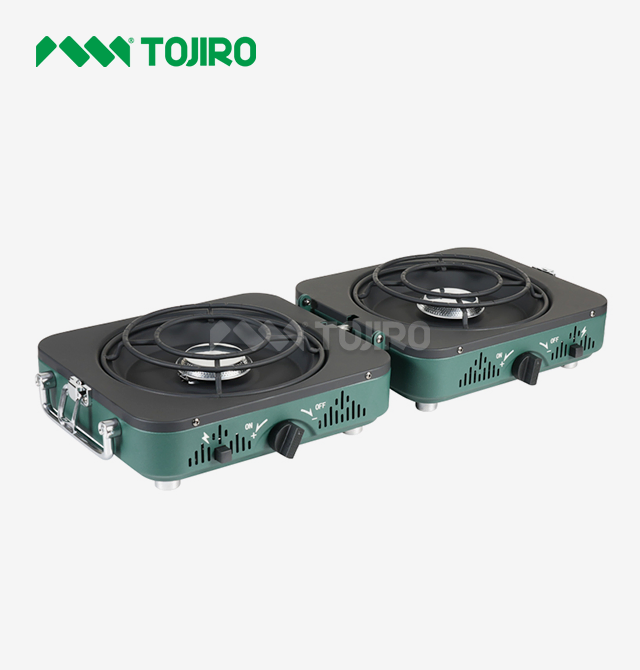
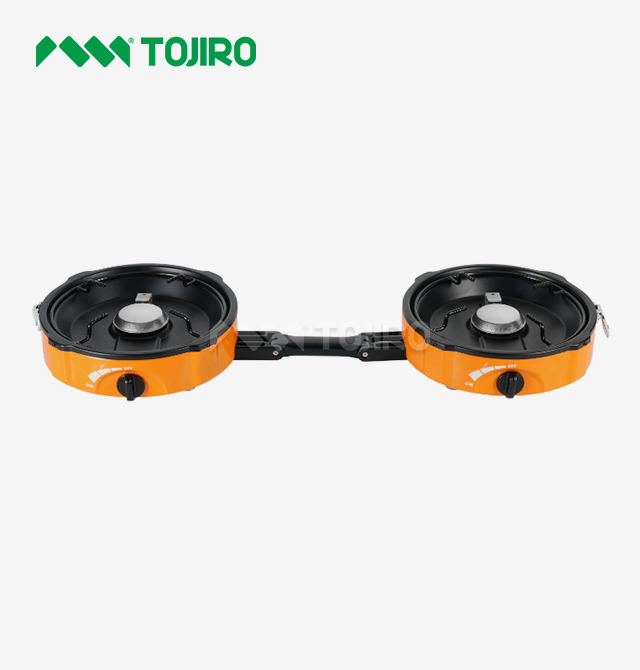
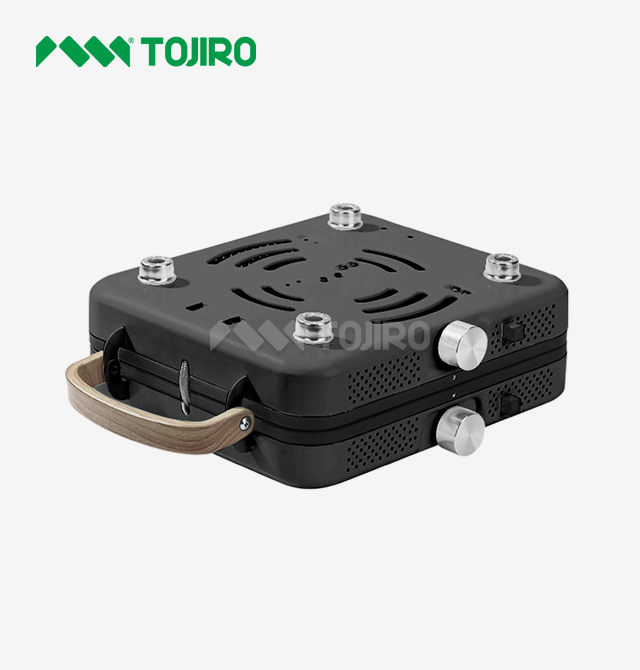
In business settings, fuel efficiency has a direct effect on running costs. Propane gives off about 91,500 BTUs per gallon, which means it can be used to cook for a long time without having to be refueled often. The TOJIRO Shell Stove TJR-BK39, which has a 2.3kW output and 8,000 BTU per burner, shows how current propane wok stoves balance power with fuel economy. Folding designs that are small (245 x 210 x 59 mm) when saved make them easy to take to disaster aid sites, campgrounds, or catering sites that are far away from infrastructure.
Comparing Fuel Types for Outdoor Cooking
Electric stoves can't be used in the woods or as a temporary outdoor kitchen because they need a generator or connection to the power grid. Charcoal makes heat that isn't constant and a lot of smoke, which makes cleaning difficult and ruins the taste. Certain cookware is needed for induction systems, and they don't have the open flame strength that is needed for standard wok methods. Propane wok stoves get rid of these problems while still meeting safety standards for outdoor use. This makes them the best choice for procurement managers looking for reliable, flexible heating options.
Key Features and Materials for High-Performance Propane Wok Stoves
Construction Materials That Ensure Durability
The choice of materials has a direct effect on how long equipment lasts and how consistently it works. The TJR-BK39 type is made of cold-rolled steel that has been coated with powder. This makes it resistant to corrosion and keeps the structure strong under heat stress. Powder-coated surfaces can handle being exposed to high temperatures, water, and physical effects that happen a lot in business outdoor settings. The water pan design collects spills and grease runoff, which keeps propane wok stove parts from getting damaged and makes cleanup easier after big cooking sessions.
Burner Configuration and Heat Distribution
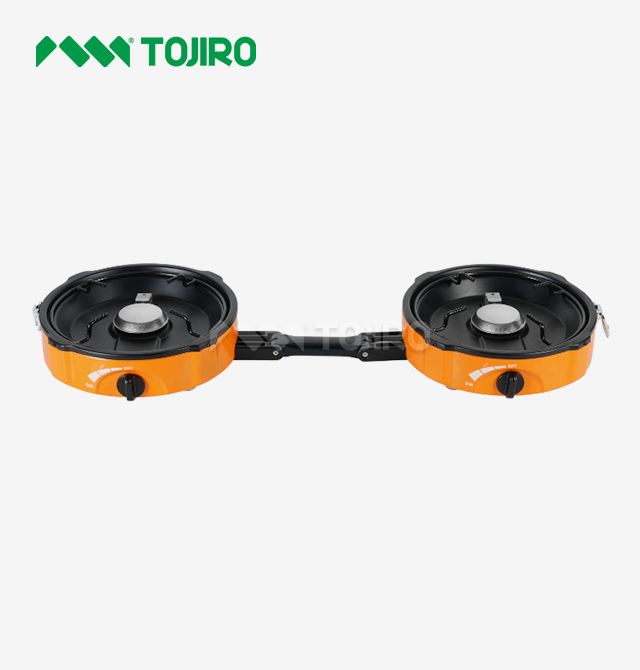
The operational freedom and throughput ability are affected by whether the burners are single or dual. With a dual-burner system, you can make more than one dish at the same time, or you can use temperature-zone cooking, where one stove stays hot for stir-frying, and the other keeps sauces warm. When cooking in a traditional wok, open flame burner heads provide direct heat contact. For flat-bottomed cookware, infrared choices provide even heat spread. This makes it possible to meet the needs of a wide range of menus at dining events, glamping sites, and public kitchens.
Safety Standards and Flame Control Mechanisms
Organizations are protected from risk and workers are kept safe by following international safety standards. Pressure-regulating valves keep the gas flow steady even if the pressure in the cylinder changes. This keeps the flame from starting to flare up or going out while cooking. Auto-ignition systems get rid of the dangers of lighting things by hand, which is especially helpful when it's windy outside or when staff have to handle several cooking areas at once. The equipment will arrive undamaged because the packaging is made to survive 1-meter drops from eight different directions. This cuts down on the cost of replacements and the time it takes to get them.
Here are some important safety features that set professional propane wok stoves apart from home models:
- Integrated pressure regulation keeps the flame output fixed even when the fuel temperature and cylinder pressure change. This makes sure that the cooking results are the same over long periods of use.
- One-touch ignition systems make operations easier and keep people from being near open flames during starting procedures, which are important safety concerns in busy business settings.
- Universal compatibility with cookware with sizes from 10 cm to 20 cm lets different operations run smoothly without having to buy extra tools.
- Fold-flat portability makes it easy to set up and store quickly, which is important for rental services that have to manage operations for equipment at multiple event sites.
The procurement managers at camping rental companies, business event planners, and outdoor hospitality places told us about real operating problems that these tech solutions solve. Strong building and user-centered design work together to reduce the need for training while increasing the rate at which equipment is used, even when demand changes with the seasons.
Selecting Appropriate Capacity for Operational Scale
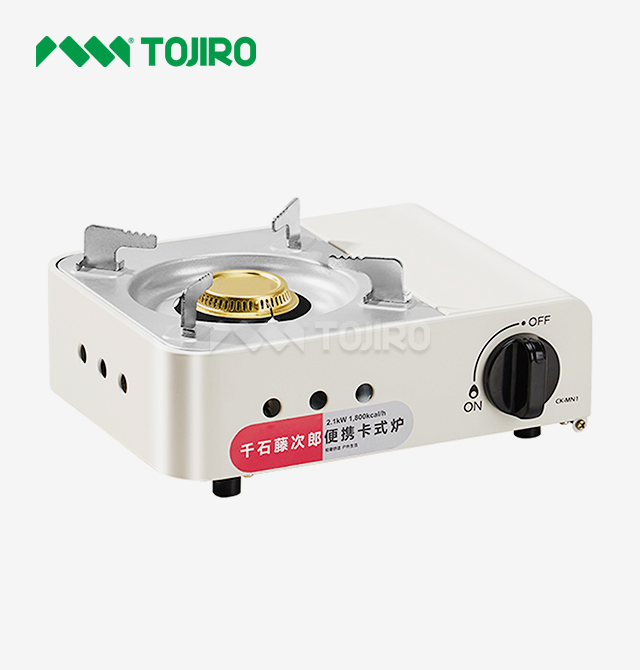
The amount of BTUs needed depends on how much you are cooking and how complicated the dish is. Multi-burner setups with individual outputs of 8,000 BTU or higher are needed in places that serve more than 50 people at once. Boutique camping sites and other small businesses may prefer small, single-burner units that are good at balancing performance and storage needs. Knowing these growing needs helps buying teams choose equipment that meets expected demand without spending too much on too much capacity.
Maintenance and Operational Best Practices to Maximize ROI
Routine Cleaning Protocols
Regular repair keeps cooking equipment working well and extends its life. Removable water pans should be emptied and washed after each use to keep grease from building up and making heat transfer less effective. Burner heads need to be checked every so often for dirt that could block the flame and change its pattern. Powder-coated surfaces don't need to be cleaned with harsh chemicals as stainless steel does. Instead, they can be kept looking good and resistant to rust by wiping them down with a wet cloth.
Optimizing Flame Efficiency
Adjusting the heat correctly cuts down on fuel use while keeping food temperatures steady. Blue flames mean that the fuel is completely burned and the heat is transferred efficiently. Yellow flames, on the other hand, mean that the fuel is not completely burned and carbon dust is left behind. Staff training on how to spot the best flame traits cuts down on wasted propane wok stove costs and keeps food quality uniform. When making purchases, companies should give preference to those that offer operating advice and technical support paperwork that helps users get the most out of their tools.
Component Replacement and Downtime Prevention
Finding trusted sources for spare parts keeps operations running as smoothly as possible. After a while of use, important parts like pressure controls, ignition wires, and burner heads start to wear out. By building relationships with makers that offer extensive warranties and a large stock of spare parts, businesses can avoid losing money when equipment breaks down during busy times. TOJIRO's dedication to ISO9001:2015 quality standards guarantees consistent production, which makes it easier for parts to work with each other between runs of production.
How to Choose and Procure the Right Propane Wok Stove for Your Business
Evaluating Suppliers and Brand Reputation
Purchasing workers have to look at more than just the product details when judging a manufacturer's credentials. Companies that have been in business since 2013 and have 10,000-square-meter buildings show that they can produce goods and have experience in the field. ISO approval shows that a company follows quality control systems that lower the number of defects and make sure that all of their products are the same. The length of the warranty shows how confident the company is in the product's durability. For commercial-grade tools, a one-year warranty is the norm for a professional propane wok stove.
Bulk Purchasing Strategies and Pricing Negotiations
When retailers, rental services, and business buyers buy in bulk, they can get big price breaks. When you buy at least 1,000 units, you can take advantage of economies of scale that lower the cost per unit while making sure you have stock for times when demand is high. Lead times of 45 days mean that you have to plan ahead, but they also give you customization choices that aren't available with stock items. Getting better freight terms and combining packages of different types of goods are two more ways to make buying budgets work better.
Customization for Market-Specific Requirements
OEM and ODM agreements let brands make their products stand out by adding custom features. European high-altitude standards and US propane standards are not always compatible with gas cylinders, so valve designs need to be able to be changed. Custom package designs with brand names and instructions make it easier for stores to find your products and cut down on customer service calls. Specialty outdoor stores can offer exclusive goods through white-label possibilities. These products build brand loyalty and protect profit margins from competition from generic products.
Building Strategic Supplier Relationships
Long-term relationships with makers offer stability and operational benefits that go beyond the original sales. During product launches or market growth, suppliers who offer expert help, training materials, and quick ways to communicate become valuable assets. Being able to increase or decrease orders gradually as the business grows, instead of having to stick to set procurement schedules, gives businesses in developing markets or that depend on the seasons a lot of freedom. Service quality after the purchase can be predicted by looking at how quick a seller is during the question and quotation stage.
Case Studies and Industry Applications: Why B2B Clients Choose Propane Wok Stoves for Outdoor Cooking
Commercial Catering and Event Services
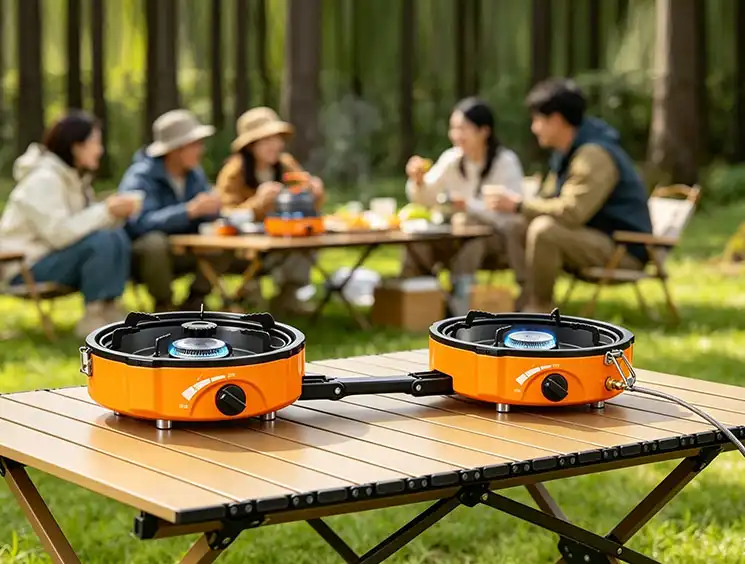
Professional caterers who work at business events, weddings, and concerts need equipment that works well even when it's under a lot of stress. With propane wok stoves, cooks can make real Asian food like seared proteins and high-heat veggie recipes that make dining experiences unique. Because dual-burner systems are portable, chefs can set up full-service kitchens in places that don't have the right equipment for business cooking. This lets them serve more people and make more money.
Glamping and Outdoor Hospitality Applications
Some high-end campgrounds set themselves apart from others by having food that is on par with restaurants. Propane cooking equipment meets the performance standards that guests expect while keeping the open feel that is so appealing about glamping. Rental services benefit from long-lasting buildings that can handle being moved and set up by staff members with different levels of skill. Low running costs are caused by easy upkeep, which lets hospitality managers focus on improving the guest experience instead of fixing broken equipment.
Institutional and Government Procurement
Safety compliance and rugged dependability are important to national parks, crisis aid groups, and outdoor education programs. Propane wok stoves that meet foreign licensing standards make it easier to get purchases approved, which are controlled by strict rules. Standardized equipment specs allow multiple sites to buy in bulk, make sure there are enough spare parts, and train staff in the same way every time. The 45-day output schedule works with the way the government contracts and approves budgets.
Environmental Considerations and Sustainability
When propane is burned today, it releases fewer particles and carbon into the air than when charcoal or wood is burned. Businesses that care about the environment like gas because it burns better while still meeting performance standards. Improving fuel efficiency lowers total use, which lowers prices and leaves less of an impact on the earth. These environmental factors help with corporate social responsibility efforts that are becoming more important to both big brands and brands that sell directly to consumers.
Conclusion
In conclusion, when it comes to outdoor cooking, propane wok stoves are the best combination of performance, portability, and operating economy. The high heat output, low fuel consumption, and long-lasting build meet important buying requirements in the rental, hospitality, and educational sectors. Quality of materials, safety standards, and ease of upkeep all have a direct effect on the total cost of ownership, so it's important to do a full evaluation. The TOJIRO Shell Stove TJR-BK39 is a great example of how Japanese craftsmanship can be used in modern production to make equipment that can handle tough industrial settings while still giving customers the cooking features they want.
FAQ
1. What are the fuel efficiency differences between propane, electric, and charcoal outdoor cooking systems?
Propane gives off about 91,500 BTUs per gallon and burns 90% efficiently, turning fuel straight into heat that can be used. Electric systems work just as well, but they need a generator to work outside, which adds to the cost of fuel and the noise. Charcoal gives off uneven heat and needs 30 to 40 minutes to reach a stable temperature, which slows down business activities. Because a propane wok stove can instantly control the heat and quickly recover between meals, it is better for places where a lot of food needs to be cooked.
2. How do safety standards for outdoor commercial kitchens differ from residential requirements?
For commercial use, you need to follow the NFPA 58 handling standards and any local fire rules that say how to store and ventilate fuel. The equipment must have ways to control the pressure, turn off automatically, and protect against flame failure. Installation distances from buildings and air needs are higher than what is required for homes. Professionals in procurement should make sure that the goods their suppliers offer have the right certifications and paperwork to back up their claims of compliance during checks.
3. What factors should guide bulk purchasing decisions for propane cooking equipment?
Value over time is based on how reliable the vendor is, how long the guarantee lasts, and how easy it is to get replacement parts. The minimum order numbers should match the expected demand cycles and the amount of space available for storage. With 45-day lead times, you need to plan ahead and time your purchases with yearly highs. Customization choices for gas fittings, voltage specs, and logos make it possible to respond to different markets. Protecting buying assets means setting up clear lines of communication and service level agreements.
Partner with TOJIRO: Your Trusted Propane Wok Stove Manufacturer
TOJIRO Electric Appliances can help you with your outdoor cooking equipment needs because they have been making appliances for ten years and have friendly customer service. Our factory is ISO9001:2015 approved and makes propane wok stoves out of cold-rolled steel that has been powder coated to make it last in tough industrial settings. We can customize our products to meet European and US gas standards, and we have a minimum order size of 1,000 units. Our production cycles are stable and last 45 days. We work with stores, rental companies, and institutional buyers who want to build reliable supply partnerships. We stand behind every unit with a one-year guarantee that shows our dedication to quality and efficiency. You can email our buying team at [email protected] to talk about big discounts, OEM/ODM options, and how our propane wok stove solutions can help your business or product line.
References
1. Chen, L., & Wong, K. (2021). Comparative Analysis of Fuel Efficiency in Commercial Outdoor Cooking Systems. Journal of Foodservice Equipment Research, 15(3), 112-128.
2. National Fire Protection Association. (2020). NFPA 58: Liquefied Petroleum Gas Code. Quincy: NFPA Publications.
3. Roberts, M. (2022). Material Science Applications in High-Temperature Cooking Equipment. International Journal of Hospitality Technology, 8(2), 45-61.
4. Sullivan, P., & Martinez, R. (2021). Procurement Best Practices for Commercial Kitchen Equipment: A B2B Perspective. Supply Chain Management Quarterly, 19(4), 201-218.
5. Thompson, J. (2023). Sustainability Metrics in Outdoor Cooking Fuel Selection. Environmental Foodservice Journal, 12(1), 78-94.
6. Wang, H. (2022). Safety Standards and Compliance in Propane-Powered Commercial Cooking Appliances. Industrial Safety Review, 27(3), 156-173.

USER EVALUATE
Here is the customer's evaluation of us
_1763606719875.webp)