



How to Choose the Right Propane Wok Stove
The BTU output, build quality, mobility, and provider reliability should be considered when choosing the finest propane wok stove. Buying professionals need equipment that can withstand high temperatures and meet safety and price requirements. Many options exist to make the greatest propane wok stove. The burner is powerful and composed of durable materials. This makes it suitable for rental stores and school kitchens. People may get the greatest tools for their money by creating connections with long-lasting, effective, and reliable suppliers when they recognise these basic selection considerations.
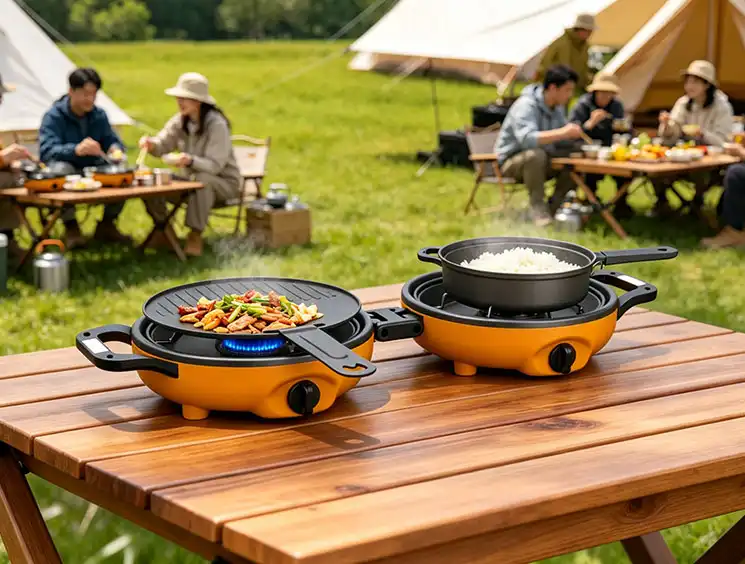
Understanding Propane Wok Stoves — Core Concepts and Benefits
Liquid petroleum gas is burned in controlled ways to make strong, variable heat in propane wok stoves. This fuel source is easy to light and burns hotter than most, which makes it great for grills and stir-frying, which require high temperatures. The burning process doesn't leave behind as much trash as solid fuels do. So there is less maintenance to do and a better place to work.
Powerful Heat Output and Precision Control
Heat capacity determines how fast and tasty propane burners cook meals. Industrial units with 8,000 BTU burners can swiftly change temperatures, making them ideal for propane wok stove cooking authentic Asian food. With this heat, workers can swiftly heat a number of materials for cooking. It saves time when things are full. Accuracy in temperature and pressure is crucial. Good units contain pressure-control valves to maintain gas flow even when fuel tank pressure changes. This helps kitchen staff manage delicate cooking operations.
Fuel Efficiency and Portability Advantages
Other fuels are less energy-efficient than propane wok stoves. The same amount of propane produces more useful heat. Efficiency reduces running expenses over time. This is especially advantageous for enterprises with many food locations or far-flung activities where gasoline delivery costs are important. Fuel is easy to move, another benefit. Gas delivery networks make propane tanks easy to find nationwide. Equipment works effectively without natural gas infrastructure. This flexibility is ideal for people who hire workers, conduct outside events, or buy businesses and need to cook elsewhere.
Safety Protocols and Maintenance Requirements
Handling things properly protects people and things. Airflow should be sufficient in propane wok stove systems to prevent gas buildup. Check connection points for leaks periodically and keep tanks away from fire dangers. Good equipment has automatic shut-off valves and flame failure protection. Clean the cooker to prevent carbon accumulation, inspect the gas lines for wear and test the starting systems as part of regular maintenance. Safety measures prolong tool life and reduce accidents. This impacts purchasing teams' total cost of ownership.
Key Factors to Consider When Choosing a Propane Wok Stove
You need to pay close attention to the technical details of the propane wok stove you want to buy and make sure they meet your needs. Certain types of businesses need certain kinds of tools. For instance, a company that hires people needs different tools than a professional kitchen that is already set up.
Technical Specifications and Burner Capacity
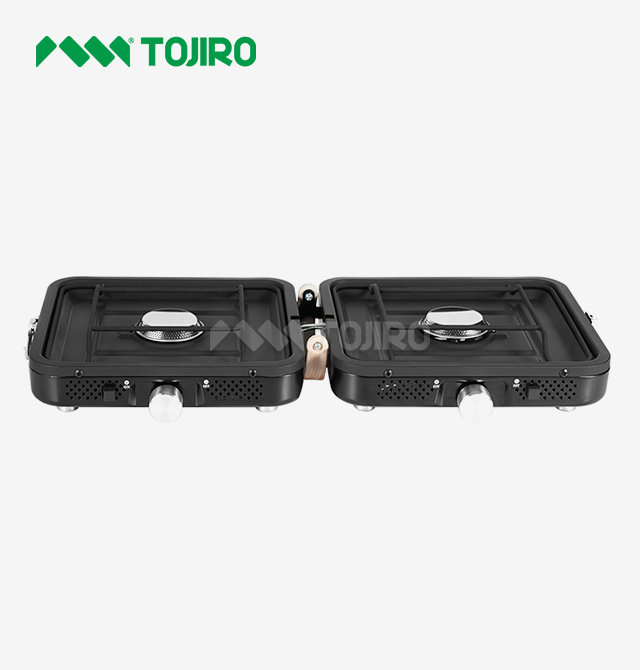
The BTU figure, which indicates heat output, is the best indicator of cooking equipment condition. Most propane wok stove applications, including cooking for one or a small party, require 8,000 BTU of heat. Dual-burner setups with 16,000 BTU are useful for enterprises that cook a lot of food. Different sizes are significant. Small folded sizes of 245x210x59mm make it easy for rental firms to transfer and store. Travel is less significant than work surface space for long-term use. Food cooks differently depending on the hob head. Open flame burners are great for skilled cooks to heat all sections of a meal. However, infrared burners are ideal for novices.
Portable Versus Fixed Installation Units
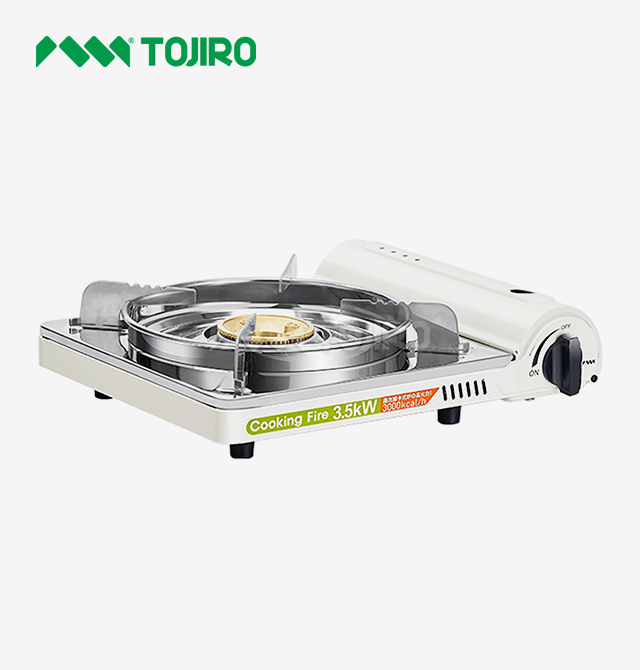
Businesses that transfer gear or work in transitory venues benefit from portable setups. These units usually have sturdy shipping boxes, foldable legs, and secure moving cases. A propane wok cooker like the TOJIRO Shell cooker TJR-BK39 can withstand eight one-meter drops. This makes sure that units arrive at job sites in one piece. Protection and compatibility with the existing cooking system are key for set setups. They usually have mounting clamps and electrical connections. Rental companies and outdoor activity businesses prefer portable types. However, fixed configurations are better for camps and places with stable features because they may be used continuously without storage between repairs.
Comparing Fuel Types: Propane, Natural Gas, and Electric Alternatives
Different power sources work differently due to their design. Propane wok stoves produce tremendous heat quickly and don't need a fixed utility, making them ideal for areas without natural gas. Natural gas costs less per BTU where the equipment is, but you can't take it. Electric types heat up slowly and don't always reach hot enough for wok cooking, but they may be safer in settings without open flames. People should consider where the fuel will be used, how much it will cost to run the equipment for the estimated lifespan, and whether certain cooking methods require different heat. Propane is readily available, which benefits global companies.
Safety Certifications and Manufacturer Warranties
The restrictions prevent corporations from being charged and ensure equipment operates properly. Companies selling to other nations seek vital permissions. ISO 9001:2015-approved companies plan quality at all manufacturing phases. Product-specific safety testing ensures tools are safe in normal and dangerous settings. Companies make promises because they know their products will last. One-year parts-and-labor warranties show that the corporation values product quality. Teams buying propane wok burners should require sellers to prove safety. They should also specify what the promise covers, such as service response time and part availability.
Evaluating Brands and Suppliers — Ensuring Quality and Reliability
The supplier you choose affects not only the purchase of the propane wok stove but also the ongoing success of the business by affecting the supply of parts, expert help, and new equipment. A buyer and a seller may deal with each other for years and go through many rounds of buying. Because of this, it's very important to check out the service.
Assessing Manufacturing Quality and Brand Reputation
Product longevity and reliability depend on how well it was constructed. Companies with their own buildings and a long history may maintain high standards better than those who subcontract. Tojiro Electric Appliances' 10,000-square-meter Zhongshan workshop only makes propane wok stoves. Production is closely monitored to maintain product quality. Traditional Japanese craftsmanship and current industrial technologies may create rapid, precise instruments like those made by experts. Cold-rolled steel with a better powder finish resists rust and machine damage better than thin-gauge, pushed-together materials used in cheap equipment. When comparing sellers, buyers should consider how the goods are created, the facilities, and quality control.
Distribution Networks and After-Sales Support
A propane wok stove's ability to get replacement parts rapidly indicates its performance. Supplies that stock critical parts and coordinate with other organisations to ship them reduce service downtime. Knowing orders will be filled within 45-day manufacturing rounds helps customers plan shelf replenishment. After-sales support goes beyond parts. It also involves problem-solving, expert guidance, and guarantee claims. Suppliers with excellent customer service and quick contact are useful for purchasers who manage a lot of tools or clients.
Client Testimonials and Performance Track Records
Marketing claims are less informative than real-world performance statistics. Customers give well-known propane wok stove suppliers feedback on several uses. This displays how equipment performs in various settings. Large sellers demand secure, reliable items, while rental companies want durable, easy-to-maintain items. Case studies and client examples help procurement teams locate vendors who fit their needs. Businesses that demonstrate successful installations demonstrate their confidence in their products and consumer satisfaction.
Procurement Strategy — How to Buy the Right Propane Wok Stove for Your Business
When you buy strategically, you compare the costs of quick purchases with the costs of long-term operations, delivery processes, and support services to choose the best propane wok stove for your business. The cheapest price isn't always the best deal because things break down quickly or service providers can't keep up with ongoing needs.
Price Analysis and Bulk Purchasing Benefits
Big transactions usually mean greater unit prices. This is beneficial for shops storing propane wok stoves, hire companies assembling equipment teams, and schools giving many buildings. For orders over 1,000 pieces, you can buy directly from the manufacturer without middlemen. People buying from abroad should consider the overall landing costs, which include shipping, setup, and customs fees. How a company is compensated affects its working capital needs. Higher unit prices may be acceptable if the company offers longer payment terms or later payments. Get precise pricing that include all charges to compare companies.
Shipping, Lead Times, and Installation Support
If you want a propane wok stove constructed, prepare ahead, especially if your firm is launching a new site or is busy over the holidays. Purchase schedules should include the time it takes to make, ship, clear customs, and deliver items. Packing affects how the product arrives to the buyer. Designs that can resist numerous one-meter drops protect freight from normal treatment. Installation and equipment use training are offered by some service providers. These services set up and train staff on equipment. More than tools, these services are useful. Make sure the shipping terms are explicit to avoid costly surprises and that equipment fits adequately.
After-Sales Service and Replacement Parts Availability
When a propane wok stove is useless, it must be fixed. Parts suppliers with clear guarantee terms and supply can help your business run smoothly. Buyers avoid premature part failure with a one-year guarantee. It indicates product manufacturer confidence. Buyers can estimate downtime risks by knowing how to submit a guarantee claim, how long providers take to respond, and if they offer loaner equipment during repairs. Instead of getting the least price, create partnerships with tool providers that can serve you for years.
Optimizing Use and Maintenance for Long-Term Performance
If you use and fix things the right way, your propane wok stove will last a lot longer and keep running well and safely. By making steps clear, you can be sure that everyone follows the same rules.
Daily Operation Best Practices
You must start your propane wok stove properly to maintain it safe. Before opening valves, gas workers should check all connecting points for safety. They should also test the kitchen's lights and airflow. Having enough space between pots and pans and heat prevents them from shattering. Good units contain pressure-regulating valves to maintain heat output, but personnel should watch the flames. Replace or clean the hob if the flames are yellow. After turning off the cooker, seal the gas taps and let the burners cool before moving or storing. Those who utilise technology won't harm it or others if they learn these essentials.
Cleaning Protocols and Preventive Maintenance
Regular cleaning improves appearance and function. Good propane wok stoves, like the TOJIRO, have an oil and water catch pan to contain spillage and make cleanup easy. After each usage, disassemble and wash these pieces to prevent grease buildup and fires or pests. Powder-coated surfaces are easy to clean with standard cleaners and avoid spots. Even after heavy use, they look professional. Burner parts must be carefully cleaned often to remove carbon deposits that restrict gas flow and reduce heat output. Gas lines should not break or deteriorate, and connections should be tight. The initial systems should be tested. These steps detect small issues before they break instruments.
Troubleshooting Common Issues
Workers can fix small issues without having to call pros when they know how to handle common propane wok stove issues. The batteries in electronic lighting systems often die or something gets in the way of the burner ports, making them not work. When the flames aren't even, it's likely that the burner heads are stuck and need to be cleaned. If the fuel tank pressure is low, valves may not be fully open, or gas may not run freely through dirty burner parts. Little heat may be made. A lot of issues can be fixed with simple fixes, but gas leaks, broken lines, or safety systems that don't work right need to be turned off right away and checked by a professional. By writing down common issues and how to fix them, you build up institutional knowledge that lowers the amount of time that your equipment fleet is down.
Conclusion
To pick the best propane wok stove, you should look at its technical specs, how good the seller is, and how much it will cost you in real life. Cold-rolled steel and powder finishing make equipment that lasts a long time and can handle the needs of industrial settings while still being movable for rental businesses and outdoor events. To be successful in buying, you need to choose companies who can show they know how to make things, keep their quality certifications up to date, and offer full after-sales support, such as guarantee coverage and wait times that are reasonable (about 45 days). There are organized evaluation processes that put long-term usefulness, safety compliance, and equipment dependability ahead of just lowering the initial purchase cost. These processes can help retailers, rental companies, institutional buyers, and OEM partners.
Frequently Asked Questions
1. What distinguishes propane wok burners from natural gas models?
Propane wok stoves are powered by LPG (liquefied petroleum gas) tanks that can be moved around. On the other hand, natural gas types link to fixed power lines. Because propane tanks can be used anywhere, this makes it great for outdoor events, rental businesses, and places that don't have natural gas service. If you live in an area with infrastructure, natural gas costs less per BTU, but you can't move it.
2. How often should commercial propane cooking equipment undergo maintenance?
The growth doesn't happen if you clean the propane wok stove cooking surfaces and catch pans every day. The link should be checked once a week to make sure it is still strong, and allowed tracking tools should be used to find gas leaks. The parts of the burner work best when they are cleaned thoroughly once a month. Once a year, safety systems are checked by professionals to make sure they work right and to find wear that needs to be changed before the systems break.
3. Can propane wok equipment be used safely indoors?
To use a propane wok stove inside, there needs to be enough air flow to keep gases and carbon monoxide from building up. The building rules in my area say that industrial kitchens need to have enough air flow and space for gas machines. The air flow is generally better outside and in partly closed places. Check the rules in your area and make sure there is enough air flow before using tools that burn fuel inside.
Partner with TOJIRO for Your Propane Wok Stove Requirements
TOJIRO, a trusted propane wok stove manufacturer, is the place to go for all of your propane wok stove needs. The high-quality goods that TOJIRO makes are a mix of traditional Japanese art and modern business skills. Our plant is certified by ISO 9001:2015 and makes high-quality cooking tools that meet safety standards around the world. We keep our prices low for big sales. People can get what they want quickly because the product is made in 45 days, and our full one-year promise shows that we trust it will last. Both ODM and OEM can be used to meet the specific needs of white-label partners, private companies, and one-of-a-kind uses. No matter what kind of business you have—a rental company, a shop, a place for fun, or an institution—we can help you find the right tools for your needs. Send an email to [email protected] to talk about your propane wok stove source needs, get full product information, or get price quotes for big orders. You can see all of our goods at qstojiro.com and find out how TOJIRO's factory know-how can help your business grow.
References
1. Anderson, M. (2021). Commercial Cooking Equipment: Selection and Procurement Strategies. Culinary Equipment Publishing.
2. Chen, L. & Rodriguez, P. (2022). "Fuel efficiency comparison in professional cooking appliances." Journal of Foodservice Technology, 18(3), 145-162.
3. Department of Energy. (2023). Propane Fuel Properties and Safety Guidelines. U.S. Government Printing Office.
4. Harrison, T. (2020). Industrial Kitchen Design and Equipment Standards. Professional Culinary Press.
5. Miller, K. (2023). "Maintenance protocols for commercial gas cooking equipment." Foodservice Equipment Reports, 41(2), 78-91.
6. National Fire Protection Association. (2022). NFPA 58: Liquefied Petroleum Gas Code. NFPA Publications.

USER EVALUATE
Here is the customer's evaluation of us
_1763606648921.webp)