



How to Choose a Twin Burner Butane Stove Camping
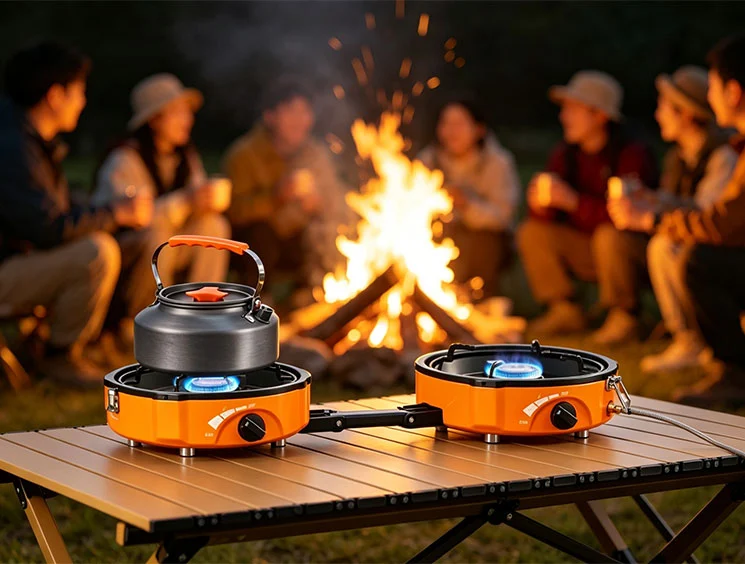
To pick the best twin burner butane stove, you need to carefully consider how much power it has, how long it will last, and what safety features it has. Business-to-business buyers should look for models with two 2.3kW burners that can work with both open flame and infrared, as well as ones that are made of cold-rolled steel and have powder coating on them. They should also look for models with effective pressure control systems. Some important things to think about are fuel compatibility (for example, European high-altitude canisters vs. US propane cylinders), certification requirements, bulk pricing, and manufacturer support, such as warranties and technical help, to make sure that the equipment works reliably in rental fleets, retail stores, and government buildings.
Introduction
As camping and adventure travel grow across North America, the market for outdoor cooking gear keeps changing. B2B procurement workers are under more and more pressure to find cooking options that are reliable, cost-effective, and meet a wide range of business needs. Buying managers at sporting goods stores, rental companies that serve glamping sites, corporate hospitality planners, and government procurement officers all have to deal with the same problems: balancing the cost of the initial investment with the cost of maintenance over time, making sure that safety rules are followed, and keeping prices low.
Portable twin burner butane stoves have become popular as flexible ways to deal with these problems. It's important to know the technical specs, performance traits, and supplier ties in order to make smart choices that increase customer happiness, lower maintenance costs, and increase inventory turnover. This guide looks at important selection criteria, comparative advantages, buying strategies, and operational best practices for business-to-business buyers who want to improve the outdoor cooking equipment they offer.
Understanding Twin Burner Butane Stoves and Their Key Benefits
What Makes Dual Burner Systems Essential for Professional Use?
Twin burner butane stoves featuring two independent cooking areas are more efficient than single burner units because they can do more with less. Rental businesses that cater to family camping trips like being able to make whole meals at once, like boiling water for drinks while cooking meat or vegetables. This two-in-one feature cuts down on the time it takes to make meals by a large amount, which leads to higher customer satisfaction scores that lead to return bookings and good reviews.
The engineers who made these systems made sure that the heat from both fires was spread out evenly. High-quality models always have an output rate of 2.3kW per burner, which equals about 8,000 BTU of heat supply. This power level can handle cookware from 10 cm pots to 20 cm pans, so you don't have to buy multiple stoves to meet your different cooking needs.
Operational Advantages for B2B Clients
The amount of fuel used has a direct effect on the costs of running a rental fleet or a hospitality service. Butane-powered systems are more efficient than liquid fuel alternatives, and they leave behind very little waste due to clean combustion. This means that upkeep will be done less often and it will cost less to clean the equipment.
Concerns about portability play a big role in buying choices. Most models with two burners weigh between 1.5 and 3 pounds and fold up to less than 12 x 10 inches. Businesses can get the most out of their warehouse space by using compact storage, which also makes planning for distributing goods to multiple operating sites easier. When equipment density goes up without losing usefulness, transportation costs go down by the same amount.
Environmental compliance issues are becoming more and more important in the procurement process. When butane is burnt, it produces fewer fumes than other fuels. This helps businesses meet their environmental obligations and government rules. Equipment that helps with environmental protection laws is especially helpful for groups that work in national parks or on government contracts.
Industry Applications Driving Demand
Outdoor catering relies on portable cooking equipment that works as well as restaurant-grade equipment in faraway places. The ability to use both infrared and open flame burners gives you more cooking choices than single-function units. Catering managers like that precise temperature control lets them offer a wide range of meals, from grilled ones to ones that are cooked.
OEM equipment makers looking for white-label options like being able to customise the products. With 45-day lead times and production runs that start at 1,000 units, you can test the market and plan your seasonal inventory. Manufacturing sites that follow ISO9001:2015 standards consistently produce quality that meets the needs of international approval. This makes it easier for resellers to get the paperwork they need to enter regulated markets.
Key Criteria to Consider When Choosing a Twin Burner Butane Stove
Defining Your Operational Requirements
The application setting has a big impact on the choice of twin burner butane stoves. Rental companies that serve weekend campers focus on making things last and being easy to use, while business event planners focus on making things look good and being quick to set up. When the government buys things for crisis aid, they have to be made of tough materials that meet strict safety standards. Figuring out the main use cases makes it clear which technical requirements should be given the most weight during the vendor review process.
The budget must find a balance between the unit cost, the expected lifespan, and the maintenance needs. Cheaper models that aren't made with good materials have secret costs that show up when they need to be fixed or replaced too soon. Figuring out the total cost of ownership over three to five years gives you a more accurate way to compare things than just the buying price.
Critical Performance Specifications
The running costs over the life of the tools are based on its burn rate efficiency. Quality pressure-regulating valves keep the gas flow steady no matter what the pressure is in the canister. This stops fuel waste from happening when the fuel doesn't burn all the way. Flare fluctuations in units that don't have proper control make cooking less effective and increase fuel use by 15–20% compared to well-engineered substitutes.
Regional factors that affect product management include fuel compatibility. In Europe, high-altitude gas cylinders are usually used, while in North America, companies need to be able to use propane cylinders. Choosing tools that can work with more than one fuel standard makes transportation easier for companies that do business in multiple countries or with a wide range of customers.
When buying things, safety certificates can't be thrown out. Businesses are at risk of liability and possible fines from regulators when their equipment doesn't have the right testing paperwork. Checking a manufacturer's certification skills while evaluating a vendor keeps business operations safe from compliance problems.
Design Elements Affecting User Experience
Wind resistance is what separates useful equipment from frustrating ones that don't work. Built-in windscreens and flame guards keep the burner working properly even when it's windy outside, which is common at beaches and campgrounds. When equipment works reliably despite problems in the environment, rental businesses get fewer complaints from customers.
The choice of materials has a direct effect on how long equipment lasts. The powder-coated cold-rolled steel construction keeps the steel from rusting when it comes in contact with water or when it is hit while being transported. The separate oil and water collection tray makes cleanup easier, which saves time between rental rounds and keeps residue from building up and lowering performance.
Professional-grade suppliers are different from commodity sellers because they offer warranties and help after the sale. One-year warranties that come with quick technical support help protect procurement investments and keep operations running smoothly. Setting clear support methods while negotiating the contract keeps things running smoothly when equipment breaks down during busy times.
Comparing Twin Burner Butane Stoves to Alternative Solutions
Butane Versus Propane Systems
The type of fuel you choose affects how operations run and how much twin burner butane stoves cost. Butane canisters are easier to move around than propane tanks because they are smaller, lighter, and less bulky. This benefit is especially helpful for companies that ship tools to remote areas or run mobile service teams where weight limits apply. Butane doesn't work well in cold weather, so operations in mountain areas or during the winter need to take that into account.
Propane systems work better in cold weather because they can keep the pressure and light output steady when the temperature drops below 40°F. The difference in fuel costs makes propane a better choice for large operations where cooking costs add up quickly. People who work in procurement for businesses that are open all year or that do business in cold climates weigh these cons against the benefits of portability.
Electric Alternatives and Their Limits
Battery-powered and electric cooking systems get rid of the need to transport fuel, which makes them a good choice for businesses that are close to reliable power sources. When a campground has electricity hookups at each spot, you can use an electric cooker without having to get more fuel. Sustainability projects that appeal to environmentally conscious customers include ones that are easy to maintain and produce no pollution.
Electric alternatives are not useful for activities in remote areas because of limited power supply. Battery capacity limits the amount of time that can be spent cooking, and the need for charging facilities makes activities more difficult in the field. Butane-powered dual burner systems are better for real outdoor uses that are far from electrical infrastructure because they are portable, ready to use right away, and can run for a long time.
Evaluating Leading Manufacturers
Campingaz has a strong foothold in the European market, and its established delivery networks help resellers run their businesses. Based on reviews of product dependability and responsive customer service, this brand is a good choice for companies that want to boost store sales by boosting brand awareness. Campingaz is in a mid-tier market area for quality-conscious customers because of its price-to-performance ratio.
Coleman controls the outdoor gear market in North America by working with a lot of big stores and doing a lot of advertising. Customers buy more of well-known brands, which is good for stores that carry those brands. Major sporting goods chains can get the large amounts of inventory they need by buying in bulk through well-known distribution channels.
Speciality companies like TOJIRO make professional-grade tools for demanding business uses by combining Japanese fine craftsmanship with modern production methods. Manufacturing sites that cover 10,000 square meters and ship more than a million pieces a year show that they can handle large B2B sales. The ISO9001:2015 certification makes sure that the quality stays the same from one production run to the next. This is very important for OEM partnerships and white-label programs that need uniform specs.
Best Practices for Using and Maintaining Twin Burner Butane Stoves
Safe Installation and Operation Protocols
When twin burner butane stoves are installed correctly, gas leaks don't happen, putting people in danger and hurting the reputation of the equipment. Training materials should stress how important it is to completely remove protective caps, line up the canister engagement tabs correctly, and make sure the connections are secure before trying to start the engine. Making visual guidance guides can help rental businesses by cutting down on customer misunderstanding and support calls.
The steps for starting a piezoelectric or manual system are different. Quality units with built-in ignitions don't need matches, which makes the user experience better and lowers the risk of harm. Telling people to keep bottles out of direct sunlight stops pressure from building up, which could cause the safety valve to release or dangerous warming conditions.
Maintenance Routines Extending Equipment Lifespan
Cleaning routines on a regular basis keep performance and look at their best, which is important for rental businesses. After each use, the oil collection tray should be taken out and cleaned. This keeps waste from building up, which can affect how heat is distributed and make cleaning harder for future users. Burner ports need to be checked and cleaned with a soft brush on a regular basis to get rid of dirt that is stopping gas flow and making flame patterns look uneven.
Verification of the pressure system stops performance loss and safety risks. By checking gaskets and O-rings every three months, you can find signs of wear before the seals fail. Replacement parts are available from manufacturers that support commercial operations, so when a part needs to be replaced, there is little downtime. Stocking common wear items within the company cuts down on the time that equipment is out of service, which affects the supply of goods.
Troubleshooting Common Performance Issues
Inconsistent flames usually mean that the fuel tank is empty or that there are problems with the pressure regulator. Teaching maintenance workers how to find the root causes cuts down on the cost of replacing parts that aren't needed and speeds up the repair process. By keeping detailed service logs that track performance problems across groups of equipment, you can find units that aren't working right and need to be thrown out before they cause major problems.
To work in cold weather, you need to know how butane reacts to changes in temperature. Using body heat or enclosed storage to warm the canisters up keeps the pressure high enough for safe ignition and long-term operation. Businesses that serve mountain areas or people who camp in the winter should think about models that work with propane or teach customers about the limitations of operating models in cold weather to avoid setting unrealistic performance goals.
Procuring Twin Burner Butane Stoves: Where and How to Buy?
Establishing Reliable Supplier Relationships
When you work directly with a twin burner butane stove maker, you can make changes that you can't make through a dealer. OEM agreements make it possible for private label plans to use white-label branding while keeping prices low. Starting at 1,000 units, the minimum order quantity (MOQ) lets new brands get into the market without having to commit to too much inventory. Lead times of 45 days help with planning for the seasons and making sure that promotional campaigns run at the right time.
Authorised distributor networks offer established logistics infrastructure that makes coordinating shipping and warehousing easier. Businesses that do business in more than one region can save money on freight costs and delivery times by working with distributors who offer regional fulfilment services. By checking to see if a dealer is an authorised one, you can avoid selling fake goods that hurt the brand's image and put you at risk of being sued.
Negotiating Bulk Purchase Terms
Volume pricing reduces per-unit costs with larger commitments. Procurement should model inventory turnover and demand to optimize order quantities. Multi-year supply agreements secure better pricing and capacity during peak production. Negotiating extended payment terms aligns with revenue cycles, lowering working capital needs. Supplier credit programs or third-party leasing offer alternatives for capital-intensive procurement projects.
Quality Verification and Compliance Documentation
Product sampling before full production runs lowers the chance that deviations from specifications will make customers unhappy. Drop tests from one-meter heights and eight different angles make sure that the packaging is strong enough to keep the equipment safe during shipping and handling. Before deploying their fleet, rental companies should do their own tests that mimic normal usage patterns to find any design flaws.
The paperwork needed for certification varies by market and use. When the government buys something, they often require strict safety standards and testing procedures. Making sure the manufacturer can certify their products during the vendor qualification process stops compliance problems that could delay order fulfilment or need expensive reengineering. Before choosing a supplier, you should ask for and check ISO certification, safety testing records, and material compliance papers.
Conclusion
Finding the right twin burner butane stoves means weighing technical specs, supplier capabilities, and total cost factors that are specific to your business. Quality equipment with strong construction, reliable pressure control, and many safety features is more valuable in the long run, even if it costs more at first. B2B buyers should focus on finding manufacturers that offer flexible customisation, quick technical support, and proven production capacity that can help their businesses grow. Successful buying strategies look at more than just the specs of a product. They also look at the whole web of suppliers to make sure that operations stay smooth and customers are happy.
FAQ
1.nHow long does a standard butane canister last during typical operation?
How long a burn lasts depends on how the hob is set and what you are making. A standard 227-gram butane canister gives each hob about 60 to 90 minutes of cooking time at its highest setting of 2.3kW. Simmering at lower heat levels makes the time last a lot longer, and it could even double the working time. Businesses should figure out how much fuel costs by looking at how often their customers use it and what they're making.
2. What safety features are essential for commercial outdoor cooking equipment?
No matter how much pressure changes in the canister, pressure-regulating valves keep the gas flow steady and stop dangerous flare-ups. When people use tools on uneven ground, it's important that the designs have a low center of gravity so that it doesn't tip over. Flame stability is maintained by wind-resistant burner guards at outdoor events where wind is common. One-piece ignition systems get rid of the need for matches, which lowers the risk of getting hurt by open flames.
3. Can these stoves perform reliably in cold weather conditions?
Butane doesn't work as well below 40°F because the vapour pressure drops, which makes the flame less powerful. Long-term use cools the canister, which lowers its performance even more until the ambient temperature rises again. Businesses that sell to people in cold climates should look into models that work with propane or teach their customers how to use heat methods to keep the canisters at the right temperature for consistent operation.
Partner with TOJIRO for Professional-Grade Twin Burner Butane Stove Supply
Work with TOJIRO to get professional-grade twin burner butane stoves through high-quality manufacturing. Our 10,000-square-meter factory follows strict ISO9001:2015 quality management standards and sends more than a million units to high-end markets in North America, Europe, Japan, and Korea every year. Each twin burner butane stove goes through a lot of tests to make sure it is safe, durable and reliable in the way your customers want it to work. Customisation options meet white-label needs, and the minimum order quantity (MOQ) can be as low as 1,000 units. Production rounds of 45 days are efficient and help with planning seasonal supplies. Our responsive technical support and one-year warranty protect your procurement investment and keep your business running. To talk about bulk prices for twin burner butane stove manufacturer agreements that give you a competitive edge in your market segments, email our business-to-business team at [email protected].
References
1. Anderson, M. (2022). Portable Cooking Equipment for Commercial Outdoor Applications. Outdoor Industry Press.
2. Chen, L. & Roberts, P. (2023). Fuel Efficiency Analysis in Portable Camping Stoves. Journal of Outdoor Equipment Engineering, 45(3), 112-128.
3. Martinez, R. (2021). B2B Procurement Strategies for Outdoor Recreation Equipment. Commercial Buyers Association.
4. Thompson, J. (2023). Safety Standards and Certification Requirements for Portable Gas Appliances. International Safety Council Publications.
5. Williams, K. (2022). Comparative Performance Testing of Butane and Propane Camping Stoves. Outdoor Gear Laboratory Technical Reports.
6. Zhang, H. (2023). Manufacturing Quality Control in Portable Cooking Equipment Production. Asian Industrial Standards Journal, 18(2), 67-82.

USER EVALUATE
Here is the customer's evaluation of us
_1763619688277.webp) VIEW MOREexterior propane tankless water heater
VIEW MOREexterior propane tankless water heater VIEW MOREpropane wok stove
_1763607842349.webp) VIEW MOREoutdoor standing propane heater
VIEW MOREoutdoor standing propane heater VIEW MOREhigh efficiency direct vent propane heater
_1763607672511.webp) VIEW MOREpropane standing patio heater
VIEW MOREpropane standing patio heater VIEW MOREpropane gas heaters for garage
 VIEW MORE8500 BTU kerosene heater
_1763606628283.webp) VIEW MOREportable propane heaters
VIEW MOREportable propane heaters