



Exterior Tankless Water Heaters 2026: Your Expert Guide
In 2026, choosing the right exterior propane tankless water heater means knowing how technologies are changing, how much energy is needed, and what the standards are for business dependability. These on-demand systems provide constant hot water without the need for storage tanks. This makes them perfect for rental businesses, hotels, government buildings, and retail stores. This guide looks at operational principles, efficiency measures, installation procedures, brand comparisons, and buying strategies for B2B buyers who want long-lasting, legal, and inexpensive outdoor heating solutions.

Understanding Exterior Propane Tankless Water Heaters
Operating Principles and Key Components
Water runs through tankless propane systems and heats rapidly. Unlike ordinary tank heaters, they don't waste energy while not in use. You turn on the hot water faucet and cold water flows via a heat exchanger. Gas valves glow to increase the temperature to your setting. Gas valve assembly, ignition system, heat exchanger coils, flow monitors, and temperature settings are the essential components. Outdoor units have waterproof coverings, frost protection, and air arrangements that satisfy safety regulations. Commercial versions typically have 150,000–199,000 BTU heating power. Portable devices like TOJIRO's 34,000 BTU unit are good for outdoor usage.
Differentiating Exterior Units from Indoor Models
Outdoor propane tankless water heaters offer unique design elements. The housing materials don't degrade in UV light, water, or -40°F to 140°F temperatures. Because burning gasses travel directly into the air, complex ventilation systems are unnecessary. This design reduces installation costs and enables you put it near camping showers, outdoor showers, or remote work sites. However, outdoor propane tankless water heaters require robust freeze prevention technology like electric heating elements or recycling modes to prevent pipes from breaking in winter.
Operational Challenges in Outdoor Environments
Weather directly impacts consistency. High winds may prevent pilot flames from burning and stopping hot water delivery. Manufacturers make non-blowing burners and closed tanks to address this. Temperature may delay or hasten propane vaporization. BTU production may decrease when gas pressure lowers in cold weather. Also necessary are altitude adjustments. Because the air is thinner at 2,000 feet, units must modify their orifices to burn better. Procurement teams should identify units tested in comparable climates.
Winter Performance and Winterization Strategies
Freezing temperatures are the worst for outdoor tankless systems. Frost may enlarge heat exchanger water, cracking copper coils and rendering them ineffective. All water must be drained, entrance and exit lines removed, and any leftover moisture blown out using compressed air to prepare for winter. Some contemporary models feature automated freeze prevention that activates the heating elements when the internal temperature approaches 32°F. Summer campsite rental firms should pay for winterization or acquire units with freeze modes to prevent costly spring repairs.
Key Benefits and Energy Efficiency Insights
Space-Saving Design and Continuous Hot Water Supply
For business settings with limited room, exterior propane tankless water heaters offer significant benefits. Traditional 50-gallon holding tanks take up 5–6 square feet of floor space. Tankless units, on the other hand, can be mounted on the outside of a building and take up only 2–3 square feet. This freeing up of inner room is useful for glamping sites, small hotels, and business vacation centers where every square foot brings in money. With constant hot water, you don't have to worry about running out of water during busy times. A unit that is the right size lets you take showers right after each other without the temperature dropping, which is very important for rental businesses that have a lot of people at once.
Energy Efficiency Metrics and Cost Savings
Energy Factor (EF) ratings indicate propane tankless system efficiency. Standard tank heaters get 0.60-0.70 EF, whereas good ones get 0.82–0.94. This saves 25–35% gasoline annually. ENERGY STAR accreditation generally covers electric and gas storage heaters, however many regions rebate propane tankless heaters that satisfy DOE efficiency criteria. The on-demand heating eliminates backup losses caused by tanks burning fuel constantly to maintain water temperature. These reductions offset the greater cost of procuring the equipment over a 15-year lifetime, particularly in commercial settings with heavy usage.
Comparing Exterior and Indoor Propane Models
Easy-to-install exterior varieties provide an advantage. B-vent or direct-vent systems must travel through walls or roofs for interior installations, increasing contractor costs by $800 to $1,500. Exterior units don't have these expenditures or air quality issues from burning leftovers. Maintenance work becomes easier since specialists may operate on outside units without entering inhabited buildings, which benefits hotel customers. Indoor units don't require weatherproof power connections for ignition systems and control panels, but outdoor units need. The site's constraints determine outdoor location when building alterations are impossible or too costly.
Installation and Maintenance Best Practices
Site Evaluation and Regulatory Compliance
A good installation begins with a comprehensive site inspection. Ensure the propane supply is nearby and that the gas pipes are the appropriate size for peak BTU demand, typically ¾-inch diameter for industrial versions. Most construction codes demand 12 inches between combustible items and 48 inches between windows or air intakes. Manufacturers recommend a water supply pressure of 20–80 PSI and filtration to prevent dirt buildup in heat exchangers. Not all systems require 120V AC for startup and settings. Commercial installations need authorized contractors who can follow local International Fuel Gas Code and National Fire Protection Association adjustments.
Step-by-Step Installation Protocol
First, use lag bolts rated for the unit's weight and vibrations to secure the mounting plate to a sound exterior wall. Start by connecting the cold water line to a stop valve and silt filter. Connect the hot water escape line. Install a pressure release valve that can manage system pressure. Install a propane supply line manual stop valve 5 feet from the heater. It should connect the tank or distribution pipe to the heater. Make all NEC Article 440 electrical connections and ground them. Remove air from gas lines before starting the engine. You may set the temperature sensor. 120°F is sufficient for handwashing, however 140°F is preferable for food service sanitizing.
Routine Maintenance Schedules and Fault Prevention
Maintenance prevents equipment breakdowns throughout the season. Make sure burner flames are the proper color every three months. Blue flames indicate full fuel combustion, whereas yellow flames indicate insufficient air mixing, which must be corrected. Clean or replace entry water filters monthly in high-sediment locations. Descale heat exchangers annually using vinegar or store-bought products. Calcium accumulation in hard water reduces efficiency by 20–30%, making this crucial. Check linkages for gas and tighten connections using a leak-finding solution. Lifting the switch by hand tests the temperature and pressure release valves. Keep track of all warranty repairs and prove compliance during safety assessments.
Safety Protocols for Commercial Settings
Safety standards for commercial systems exceed those for residences. Put carbon monoxide detectors within 15 feet of the unit, even outdoors, to alert people to exhaust backdrafts. Clear ignition shutdown methods prevent unqualified workers from operating equipment. Post multilingual emergency shutdown signs at gas supply switches. Teach building staff to recognize suspicious odors, flame patterns, and digital screen error codes. Maintain Class B (flammable liquid) fire extinguishers within 30 feet of gas equipment and easily accessible. These standards safeguard visitors and employees and reduce corporate risk.
Comparing Exterior Propane Tankless Water Heaters with Other Options
Propane versus Electric Tankless Systems
The business's cost and equipment availability determine whether to utilize propane or electric tankless technology. Electric units don't require fuel or maintenance, but they do need 240V connections with 100–150 amps for whole-facility usage. Changing the electrical service normally costs over $5,000. Mid-range propane systems can offer 5 to 8 gallons per minute, whereas electric systems can only provide 2 to 4 GPM. Fuel costs vary by region. Electricity costs $0.10–0.25 per kWh, while propane costs $2.50–$3.50 per gallon. In regions where electricity is costly or scarce, propane is cheaper and more efficient.
Performance Across Climate Zones
The weather has a big effect on how well tankless water heaters work. In northern areas where groundwater temperatures drop to 40°F in the winter, you need to either increase the BTU output or lower the flow rate to raise the temperature by 100°F. When the water temperature drops to 40°F, a unit that is designed for 8 GPM at 70°F may only be able to give 4 GPM. Southern operations have steady performance all year, with few changes during different seasons. When making a purchase order, the minimum predicted inlet temperatures should be taken into account, and units with enough capacity space should be chosen. The TOJIRO portable exterior propane tankless water heater is perfect for all seasons. Its 34,000 BTU output and 5-liter-per-minute flow rate make it perfect for camping from spring to fall, and the fact that it is portable means that it can be stored all winter without any damage from freezing.
Commercial Application Suitability
In different fields, different success characteristics are more important than others. Clients in the hospitality industry value artistic blending and quiet operation so as not to bother guests. The TOJIRO portable machine doesn't have a fan, so it doesn't make noise when it's working, which could ruin your outdoor eating or glamping experiences. Rental businesses need things that are tough enough to survive being moved and set up many times. Buildings that are tough enough to meet ISO9001:2015 standards ensure reliability for hundreds of rental rounds. Standardized specs and compliance paperwork are important to the government because they make the procurement process easier. Bid reviews are made easier when manufacturers provide thorough spec sheets, safety certifications, and compliance letters. OEM partners need to be able to customize products in a number of ways, such as by using their own branding, changing color schemes, and adapting packages for different markets.
Top Brands and Solutions for 2026
Leading Manufacturers and Their Innovations
Many well-known manufacturers of commercial tankless water heaters have outstanding building and service networks. Rinnai pioneered condensing technique to extract heat from exhaust fumes, resulting in energy factors over 0.94. Noritz builds commercial buildings using stainless steel heat exchangers that don't rust in coastal environments. A large variety of Rheem products for households and light businesses are extensively supplied in North America. Takagi produces several outdoor models with freeze- and wind-resistant combustion chambers. Navien is notable for its recycling pumps, which reduce hot water wait times.
TOJIRO is convenient for outdoor and mobile usage. With traditional Japanese precision and cutting-edge technology, the firm makes ISO9001:2015-certified equipment that satisfies global quality requirements. Over a decade of technological labor produced the portable external propane tankless water heater. It was designed for outdoor enthusiasts and enterprises that need to move it. TOJIRO's annual production of over a million units proves its ability to provide dependable supply chains and competitive pricing for major customers.
Evaluating Brand Reliability and Support Infrastructure
Buy well-known brands to preserve your investment. Review the guarantee. Reliable manufacturers warranty heat exchangers for 5–10 years and parts for 1–3 years. Tojiro provides one-year warranty and fast, experienced service. Check whether your parts are available. Famous brands have regional distribution centers that provide replacement parts within 24–48 hours, reducing downtime expenses. Check the networks of competent technicians; company-made diagnostic and calibration instruments need company-trained service providers. Repair crew training from brands reduces your dependence on other sources. Check reviews from companies using the same product or service. Government purchasers may learn from park services or institutional customers, and hotel operators could seek other hotels for input.
Procurement Strategies for B2B Buyers
Strategic buying lowers the total cost of ownership for Exterior propane tankless water heaters, which includes the price of the original purchase. When you buy a lot of something, you can get better prices. Stores that stock a lot of units or rental companies that equip whole campgrounds should negotiate discounts that reach 15 to 25 percent off list prices. OEM partnerships let you make changes. For example, white-label programs let sports goods stores brand equipment with their own names on it, which raises the value of the brand while using the manufacturer's knowledge. Set up service agreements with your favorite vendors that include yearly repair visits. Predictable service costs make budgeting easier and extend the life of your equipment. Look into your financing choices. Leasing tools let you spread out the costs over three to five years, which can help your cash flow for projects like growth.
Technological Features Enhancing Commercial Value
Tankless water heaters of today use smart technologies that make them more useful. The TOJIRO portable unit has a smartphone app control feature that lets you change the temperature and keep an eye on the system from afar. This way, glamping operators can warm up systems before guests arrive or change the temperature without having to go to each installation. Constant temperature systems keep precise setpoints even when flow rates change. This stops temperature changes that make guests unhappy. Battery backup starting systems keep things running when the power goes out, which is very important in remote areas where the power source isn't stable. Staff can find plumbing leaks with the help of flow rate sensors that pick up on strange trends of use. These features make the higher prices fair because they make guests happier and require less work.
Conclusion
Exterior propane tankless water heaters have a lot of great benefits that make them ideal for a wide range of business settings, from hotels and restaurants to government buildings. The technology blends continuous hot water supply, energy efficiency, and space savings with an ease of installation that isn't found in indoor systems. For buying to go well, climate factors, flow rate needs, and brand reliability must all be carefully considered. Give priority to makers that can show they have ISO approval, full warranties, and a support system that can respond quickly. Companies like TOJIRO can customize their products to meet specific operating needs and keep their prices low by manufacturing on a large scale. Their 45-day production cycles and ODM/OEM skills make this possible. Strategic relationships with reputable providers can turn water heating from a problem that needs to be fixed into a competitive benefit that helps the business grow and makes guests happy.
FAQ
1. How do exterior propane tankless water heaters perform in freezing temperatures?
Multiple freeze prevention systems are built into high-quality units. Electric heating elements turn on automatically when temperatures inside get close to freezing. This keeps heat exchangers from freezing over. Some types use recirculation modes to keep the temperature above freezing by moving small amounts of water through the device. For seasonal businesses, winterization is still very important. Draining all the water and purging the lines with compressed air guards against damage from freezing during rest times. Instead of just draining down, units that are sent to places that are always cold should have constant freeze protection.
2. What determines the lifespan of commercial tankless water heaters?
If maintained, it should last 15–20 years, compared to 8–12 years for tank-style heaters. Quality of water, consumption patterns, and regular maintenance impact lifespan. Water softeners extend equipment life because hard water accelerates scale accumulation, which requires more frequent removal. Heavy commercial usage wears things out quicker than infrequent home use. Annual expert maintenance is cost-effective for detecting tiny issues before they become serious ones. Copper-nickel or stainless steel heat exchangers protect manufacturers against corrosion better than copper. This makes the higher initial expenses worthwhile since heat exchangers last longer.
3, What should I consider when choosing an exterior propane tankless water heater in 2026?
In 2026, the most important things to look for in an outdoor gas portable water heater are how well it heats, how energy efficient it is, how easy it is to install, and what safety features it has. Modern models usually focus on providing fast hot water, being easy to place outside to save room inside, and being propane-efficient for use off-grid or in rural areas. It's also important to look at how long the system will last outside and whether it has smart features or easy-to-use settings that will make the experience better for the user.
Partner with TOJIRO for Your Exterior Propane Tankless Water Heater Supply
TOJIRO is ready to help retailers, rental companies, hotel owners, and big buyers who are looking for safe ways to heat water outside. Our portable exterior propane tankless water heater maker combines traditional Japanese artistry with modern engineering to make heaters that are 34,000 BTU, can be controlled by an app, and are very quiet, making them great for business outdoor use. The 45-day production cycle lets you quickly meet your inventory needs, and the ODM/OEM customization options make goods fit the needs of your brand. Our dedication to quality is shown by our ISO9001:2015 approval and full one-year guarantees. You can email our team at [email protected] for white-label options and custom solutions that will help you compete in the hospitality and outdoor entertainment markets.
References
1. American Society of Heating, Refrigerating and Air-Conditioning Engineers. (2023). ASHRAE Handbook: HVAC Applications, Chapter 50: Water Heating Systems. Atlanta: ASHRAE Publications.
2. U.S. Department of Energy. (2024). Energy Efficiency Standards for Residential Water Heaters: Technical Support Document. Washington: Office of Energy Efficiency and Renewable Energy.
3. National Fire Protection Association. (2024). NFPA 54: National Fuel Gas Code, 2024 Edition. Quincy: NFPA Standards Council.
4. International Code Council. (2024). International Fuel Gas Code Commentary, Chapter 6: Gas Piping Installations. Washington: ICC Publications.
5. Propane Education & Research Council. (2023). Commercial Propane Water Heating: Design and Installation Guide for Contractors. Washington: PERC Technical Standards Division.
6. Gas Technology Institute. (2023). Performance Analysis of Tankless Water Heaters in Commercial Applications: Field Study Results. Des Plaines: GTI Research Division.

USER EVALUATE
Here is the customer's evaluation of us
_1763619721954.webp) VIEW MOREoutdoor propane instant hot water heater
VIEW MOREoutdoor propane instant hot water heater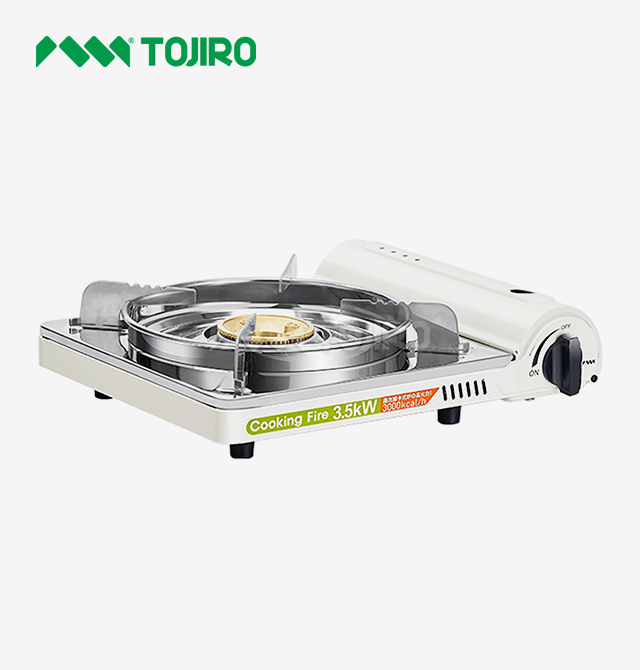 VIEW MOREOutdoor Butane Stove for Camping
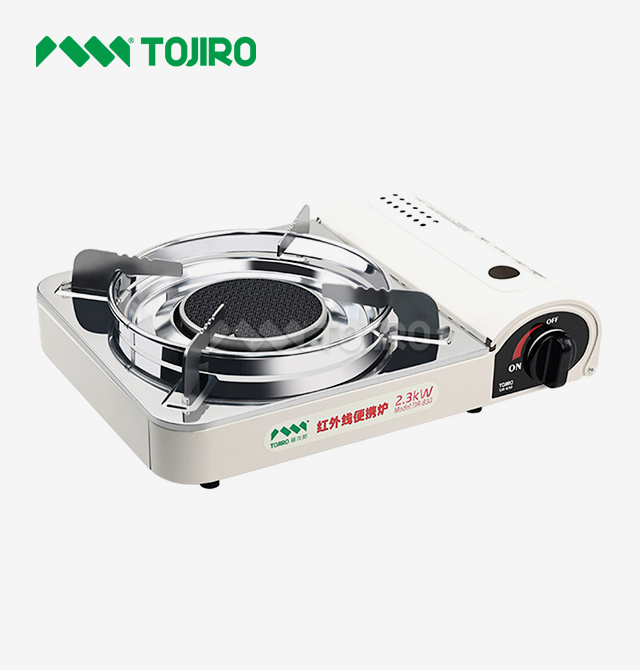 VIEW MOREsmall butane grill
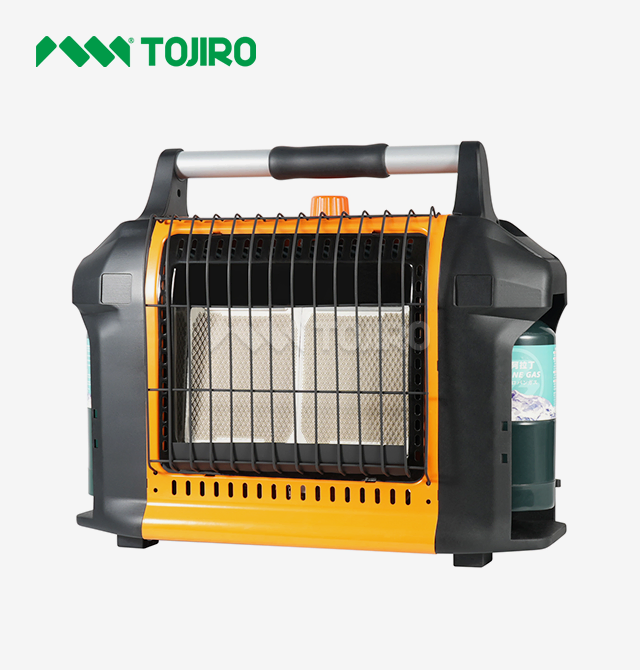 VIEW MOREpropane unit heater for garage
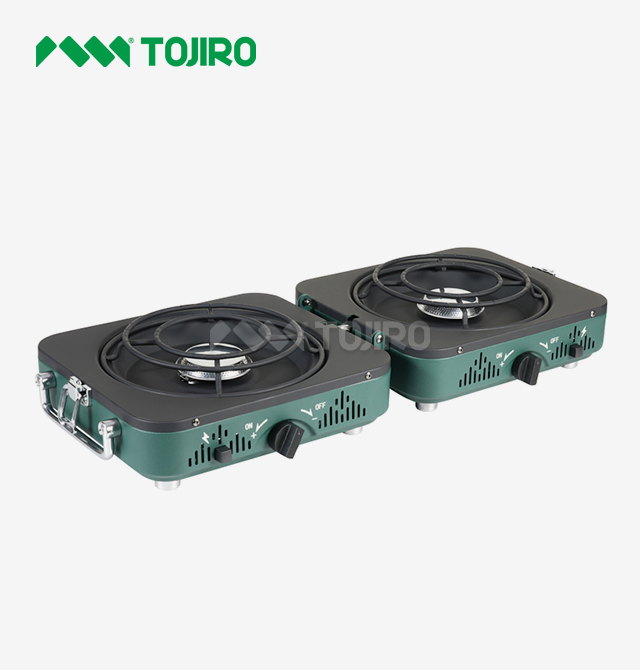 VIEW MOREbest camp stove for overlanding
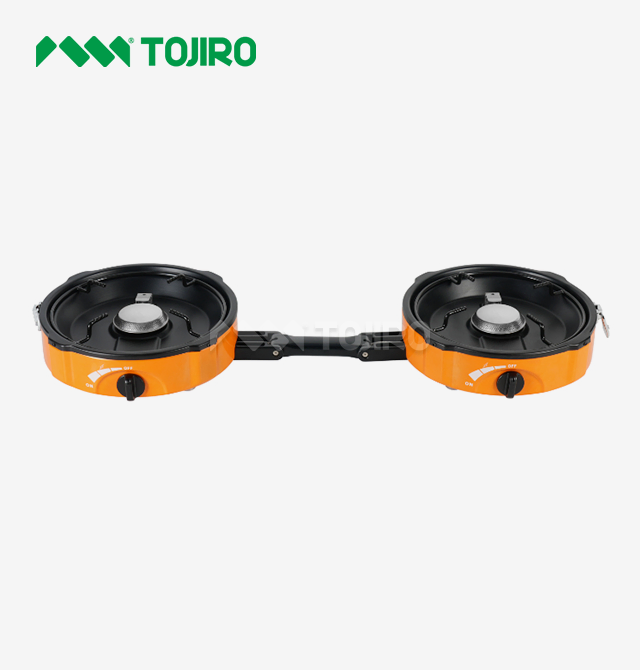 VIEW MOREbest double camping stove
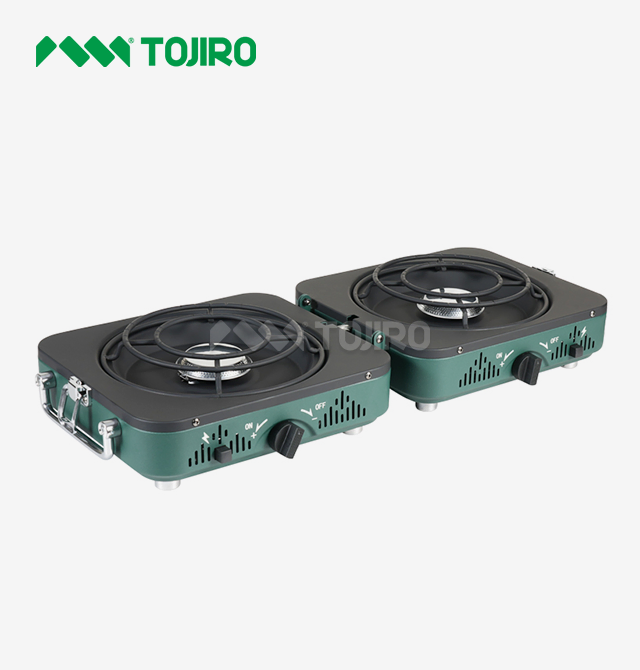 VIEW MOREdouble butane camping stove
_1763606665399.webp) VIEW MOREpropane heaters for homes vented
VIEW MOREpropane heaters for homes vented