


Can You Keep Your Water Heater Outside?
No doubt about it, you can keep your water heater outside. In fact, doing so has a lot of benefits for businesses. Modern exterior propane tankless water heaters are built to work reliably and provide hot water on demand, even in tough outdoor circumstances. It's not necessary to have room inside for these units to be installed, and they use a lot less energy than other units on the market. Outdoor gas water heating systems are now popular for companies that want flexible and affordable heating infrastructure as long as they are properly weatherproofed, have freeze protection systems, and follow local building codes.

Understanding Exterior Propane Tankless Water Heaters
The way businesses get hot water has changed a lot since exterior propane tankless water heaters came out. In contrast to standard storage tank systems, which keep a pool of heated water, these units heat water as it runs through them. This on-demand method gets rid of energy waste from backup and cuts costs by a large amount.
How Propane Tankless Systems Operate
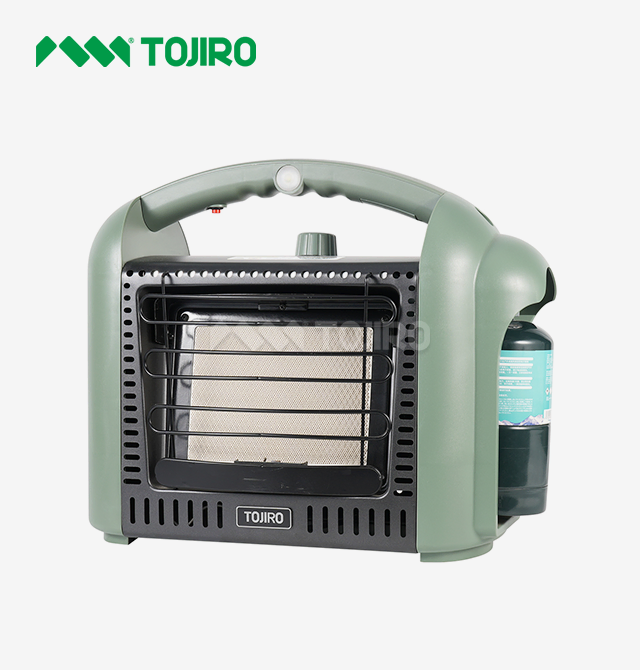
The system consists of a heat exchanger and burner. The flow monitor activates the propane burner when you turn on the hot water faucet. Cold water is swiftly heated by the heat exchanger. Heat from combustion is measured in British Thermal Units. For industrial application, BTUs vary from 150,000 to 199,000, although TOJIRO's portable unit can generate 34,000 BTUs for minor tasks.
Outdoor installations need good drainage. Direct vent designs draw outside air for burning and release exhaust gasses. This creates a sealed system independent of air quality. It is safe to use in enclosed outdoor spaces like equipment alcoves or waterproof cabinets due to its backdrafting-free construction.
Advantages Over Indoor and Electric Models
Buying and building managers choose outdoor gas systems for their distinct features. One of its main features is space savings. Remove water heating equipment from valuable interior space to optimize building infrastructure. Freeing up interior space is extremely useful for commercial kitchens, recreational facilities, and manufacturers.
Eliminating idle heat loss saves energy. Traditional tank heaters cycle on and off to maintain water temperature, requiring fuel even when not in use. Tankless technology consumes 30–40% less gas than standard systems since it only heats water when required. This efficacy reduces operational costs and environmental impact.
Strong cold-weather performance is another feature. Propane burns hotter than natural gas and works in the cold. Electric models struggle below 40°F groundwater, therefore larger units or many sites are required to satisfy demand. Propane systems are ideal for outdoor settings in a variety of weather conditions since they maintain flow rates and temperatures.
Commercial Application Benefits
Businesses considering outdoor water heating should consider their flexibility. The adaptable tankless technology allows for customized solutions. Add parallel units to improve capacity. This strategy allows for staged infrastructure construction and responds to seasonal demand without investing too much in capacity.
Outdoor equipment is easier to maintain. Equipment repairs may be done without interrupting work inside, reducing downtime and consumer impact. The lower size makes replacing parts and updating the system simpler as technology ages. Standard commercial equipment service plans include annual maintenance examinations of burner parts, heat exchangers, and safety devices.
Is It Safe and Practical to Keep Your Water Heater Outside?
When businesses think about installing an exterior propane tankless water heater, safety issues often come up. Modern engineering has fully handled these issues with improved safety features and building standards that are immune to weather. Knowing about these safety steps helps people who work in buying make smart choices about outdoor heating systems.
Built-In Safety Mechanisms
Modern outdoor gas heaters include several safety features. Freeze prevention devices activate promptly when temperatures approach dangerous levels. Electric heating elements, recirculation fans, and drain-down features prevent heat exchangers and water lines from freezing in certain systems. TOJIRO's portable water heater is designed to prevent temperature surges that might steam burn humans.
Another crucial aspect is the propane safety stop valve. These devices immediately cease gas flow if they detect a flame, insufficient airflow, or pressure changes. Oxygen depletion sensors monitor combustion and shut down the system if danger arises. Modern gas stoves feature backups for when the primary safety mechanisms fail.
Weather Resistance and Durability
Water heaters designed for outdoor use are available. Heat exchangers built of stainless steel don't rust in chemicals and water. Powder-coated aluminum or stainless steel shelves resist rain, snow, and UV radiation. Sealed electrical parts prevent dampness from damaging control systems or firing mechanisms.
Outdoor units normally have temperatures from -40°F to 140°F to meet North American severe weather. Ventilation systems keep water out and allow combustion air to circulate. Mounting solutions fulfill local building code criteria for outdoor installations by protecting equipment from wind and earthquakes.
Compliance and Code Requirements
Local building codes govern clearances, venting, gas connections, and support for outdoor water heaters. These guidelines ensure operating safety and property protection. Professional installation by skilled experts meets National Fuel Gas Code and manufacturer requirements.
Clearance standards usually specify distances from windows, doors, property boundaries, and flammables. Venting terminations must prevent exhaust gases from entering inhabited spaces or building air openings. Gas supply lines must have the proper size, maintain pressure, and detect leaks. Meeting these conditions during installation prevents costly adjustments and ensures long-term success.
Installation and Maintenance Guide for Exterior Propane Tankless Water Heaters
To install an exterior propane tankless water heater correctly, you need to plan ahead and have professional help. The efficiency and longevity of a system are affected by the site choice, the placement of equipment, and the links to utilities. Following well-known best practices keeps problems to a minimum and guarantees the best return on investment.
Site Selection Considerations
The optimal location balances safety, convenience of admission, and regulations. Position the device away from the weather and with adequate airflow for combustion. Equipment is best protected in alcoves, covered patios, or sheltered spaces. Avoid areas with standing water, dust, or acidic air that might accelerate part deterioration.
Being near to where hot water is utilized reduces delivery time and heat loss via pipes. Users are happy and spend less energy with shorter pipe lines. On-site maintenance requires space to access internal parts, replace parts, and perform diagnostics. Considering these demands during installation saves time and effort afterward.
Professional Installation Requirements
Gas-fired water heaters should only be installed by qualified specialists for safety. Qualified technicians size gas lines, determine pressure, and test for leaks. They ensure secure electrical lines and control system connections. Professional installers also ensure vents fulfill manufacturer and local code standards.
Installing an appliance starts with a firm, flat surface. A concrete pad or wall-mounted bracket system is typical. Gas supply lines connect with cleared and sealed connections. For water supply and exit lines, pipes and pressure relief valves must be the proper size. Electricity powers safety devices, control boards, and firing systems. After installing the system, specialists test all its operations, modify the settings for the location, and make sure it's safe before turning it on.
Routine Maintenance Protocols
Well-maintained outdoor propane water heaters last longer. Professional repair once a year should examine all burner parts, clean heat exchanger surfaces, and test the safety system. Technicians inspect venting systems for damage or obstructions, pressure release valves, and gas pressure throughout the operating range.
Operators should inspect for corrosion, bugs, and damage monthly. Cleaning debris from air openings keeps combustion working smoothly and safely. Making ensuring the freeze protection mechanism works prevents severe issues in winter. Maintaining detailed records helps with warranty claims and detects issues before they ruin equipment. TOJIRO's one-year, all-inclusive guarantee protects businesses' investments. ISO9001:2015 quality requirements are maintained throughout manufacture.
How to Choose the Right Exterior Propane Tankless Water Heater for Your Business
To choose the right exterior propane tankless water heater, you need to look at trends of demand, compare different technologies, and check out the skills of suppliers. Costs up front must be weighed against operating efficiency and dependability over the long term by businesses.
Sizing Based on Demand Requirements
The right size stops both not having enough capacity and wasting money by investing too much. Figure out the high hot water demand by thinking of situations where a lot of people are using it at the same time, like when shift changes happen, and multiple baths are running, kitchen equipment needs to be used while meals are being made, or cleaning tasks that use a lot of water. Each device has a flow rate that is measured in gallons per minute. When you add up all of these rates, you get the minimum capacity needs.
When figuring out the temperature change, the incoming water temperature and the ideal output temperature are both taken into account. In colder places, where groundwater is around 40°F, more BTUs are needed to get water to 120°F than in warmer places, where water may already be 60–70°F when it comes in. A TOJIRO movable type that delivers 5 liters per minute (about 1.3 gallons per minute) and 34,000 BTUs is good for places that need low flow rates, like handwashing stations, small kitchens, or temporary buildings.
Propane Versus Electric Comparisons
The choice of fuel source affects both the initial cost of the project and the continued costs of running it. In places where power costs more than propane, propane systems usually cost more up front but offer lower per-unit energy costs. Propane is better for heating than electricity for industrial uses—an electric tankless unit for homes rarely goes over 27,000 BTUs, but propane models can often give 150,000 BTUs or more for business needs.
Infrastructure issues are also important. Electric units need major changes to the electrical service. Usually, 200-amp panels or specialized lines are needed, which puts a lot of stress on the building's current systems. Installations that use propane only need gas lines and normal 120-volt electricity connections for the controls. This makes the operation easier and cheaper, especially for retrofits in older buildings.
Manufacturer Selection and Features
Manufacturers with a good reputation back up their products with full guarantees and helpful customer service. TOJIRO shows this commitment with a one-year guarantee, 45-day production processes, and the ability to customize products according to ODM/OEM requirements. Putting together traditional Japanese craftsmanship with modern industrial technology makes tools that are both reliable and new.
Some important things to look at are fanless designs that make the machine run very quietly, constant temperature systems that keep the temperature from changing in a way that could be dangerous, and smartphone apps that let you watch and change settings from afar. Portable types with a 10,000mAh battery can run continuously for up to four hours, making them useful for use in remote areas or emergency situations. Modern gas heaters have these features built in, but they are still built to last so they can be used in tough industrial settings.
Cost Considerations and Procurement Tips for Exterior Propane Tankless Water Heaters
The total cost of ownership is included in financial research along with the buying price. When comparing options, smart procurement managers look at things like installation costs, ongoing operating costs, upkeep needs, and how long the exterior propane tankless water heater is expected to last.
Upfront Investment Analysis
Beginner industrial tankless water heaters with 140,000 to 150,000 BTUs start at about $1,200 to $1,500. Commercial systems with high capacities cost more than $3,000 to $4,000 and can produce close to 200,000 BTUs. Prices for portable models for short-term use or mobile use range from $800 to $1,200, based on features and storage. Installation costs an extra $1,500 to $3,000, based on how the site needs to be prepared, how long the gas lines need to be extended, and how much work costs in the area.
If they don't come with the base unit, businesses should plan to spend money on extras like gas holding tanks, pressure controllers, and weatherproof enclosures. These parts can add anywhere from a few hundred to a few thousand dollars, based on the site's needs and the amount of power needed. Professional installation by qualified professionals makes sure that the product meets building codes and that the guarantee is valid, so the extra cost is well worth it.
Operational Expense Projections
How much propane is used depends on how it is used and the weather where it is used. At current market rates, a normal industrial kitchen that uses 500 gallons of hot water every day could use 10-15 gallons of exterior propane tankless water heater propane every week, which would mean that the fuel costs $150 to $250 per month. Electric water heaters can cost up to $400 to $600 a month for the same amount of use, so this shows how much gas systems save businesses.
Using less energy has a direct effect on these estimates. With tankless technology, there are no standby losses, which lose 10–20% of the energy that goes into a standard storage system. With on-demand heating, fuel is only used when hot water is actually used. This cuts down on waste and regular costs. For businesses that use a lot of tools, these savings add up to tens of thousands of dollars over the course of ten years.
Supplier Selection and Bulk Purchasing
Picking the right provider affects the availability of products, the level of professional help, and the satisfaction of long-term service. When you deal directly with makers, you can often get better prices and more customization options than when you go through a reseller. TOJIRO can make more than a million units a year, which makes sure that products are always available and that customers can get help quickly.
When you buy in bulk, you should talk about big savings, longer payment terms, and value-added services like help with installation, training for operators, and maintenance programs. Businesses that want to install software across multiple sites or improve big facilities use large order numbers to get better prices and full support packages. Getting in touch with dependable providers can save you time and money on purchases that will help you with current equipment needs and future growth plans.
Conclusion
Installing an outdoor water heater has a lot of benefits for businesses, including saving room, making operations more flexible, and using less energy. Modern exterior propane tankless water heater technology handles safety issues with a wide range of safety features while still performing reliably in a wide range of weather conditions. For implementations to go well, they need to be the right size, installed by professionals, and maintained regularly. They also need to be backed by reputable makers who offer quick service and a quality guarantee.
Businesses that are thinking about installing water heating systems should carefully look at what their customers want, compare the costs of different fuels in their area, and work with sellers who are dedicated to their long-term success. Outdoor gas systems are a smart choice for businesses that want long-lasting, low-cost hot water options because they use tried-and-true technology, are cost-effective, and are easy to run.
FAQ
1. Can propane water heaters withstand extreme cold temperatures?
Modern gas units that are used outside have freeze safety systems that turn on automatically when temperatures drop below certain levels. Stainless steel heat exchangers don't form ice, and drain-down features or recirculation fans keep harm from happening when it freezes for a long time. In colder areas, units that can work down to -40°F do a good job.
2. How do outdoor models compare to indoor installations?
Outdoor units don't need air, which can make setups inside more difficult. This frees up room inside that can be used for other things and makes upkeep easier. They are built to withstand the weather and have extra freeze protection that indoor types don't have. The performance is still about the same, though outdoor models often have bigger capacities that are good for business needs.
3. What maintenance intervals do manufacturers recommend?
Professional service once a year checks important parts like safety systems, burner units, and heat exchangers. Visual checks done by building staff once a month find problems before they become major problems. Seasonal plans for harsh weather, especially checking the freeze protection before winter, keep equipment from breaking down and make it last longer.
Partner with TOJIRO for Premium Outdoor Water Heating Solutions
TOJIRO supplies exterior propane tankless water heaters that are made to meet the needs of challenging work environments. Our high-quality manufacturing is based on Japanese craftsmanship and ISO9001:2015 quality standards. The equipment we make is stable and comes with a full one-year warranty. We can quickly meet your needs thanks to our 45-day production processes and wide range of ODM/OEM customization options.
Our portable water heater has a 10,000W heating power, a 34,000 BTU output, and can be controlled by a smartphone app. It can be used for a wide range of tasks, from rental businesses to workplace social events. Our technical support team makes sure that setups go smoothly and that the product works at its best, and bulk buying options offer great savings for deployments involving multiple units. To talk about your project needs with experienced makers dedicated to your operating success, contact TOJIRO today at [email protected].
References
1. American Society of Plumbing Engineers. Commercial Water Heating System Design Guidelines. 2021.
2. Department of Energy. Energy Efficiency Standards for Tankless Water Heaters. Federal Register, 2019.
3. National Fire Protection Association. NFPA 54: National Fuel Gas Code. 2021 Edition.
4. Propane Education & Research Council. Commercial Propane Water Heating Applications. 2020.
5. International Code Council. International Fuel Gas Code Requirements for Outdoor Appliance Installations. 2021.
6. Building Performance Institute. Best Practices for Tankless Water Heater Installations in Commercial Settings. 2022.

USER EVALUATE
Here is the customer's evaluation of us
_1763607672511.webp)
_1763606719875.webp)