


Exploring the Best Uses for Outdoor Propane Instant Water Heaters in 2026
The business, industrial, and leisure sectors will all experience an increase in demand for outdoor propane instant hot water heater options. These flexible heating systems use efficient gas combustion to provide hot water on demand, so there are no waiting times or infrastructure responsibilities. Companies ranging from glamping camps to building companies are finding that propane-powered instant heating is more portable, reliable, and cost-effective than traditional electric options. The technology meets important operating needs in places where grid power is still not available or is too expensive for the business.
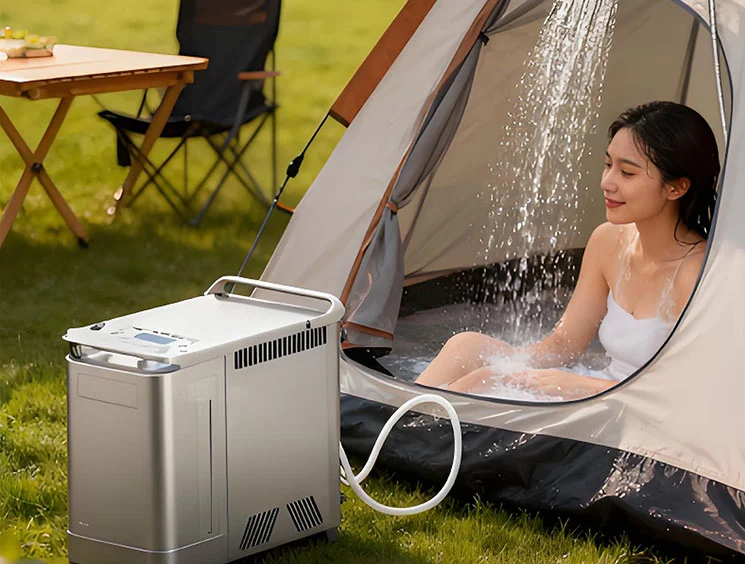
Understanding Outdoor Propane Instant Hot Water Heaters
Modern outdoor propane instant hot water heaters use a streamlined combustion process to heat water from cold to hot in a matter of seconds. Sensors turn on the gas burner when water moves through the system. The burner heats a small heat exchanger. This part gives heat energy to the water that flows through it, quickly reaching the right temperature.
Core Components and Operation
A precise propane burner that creates controlled flames, a corrosion-resistant heat exchanger that maximizes thermal transfer, an electronic ignition system that makes sure the machine starts up reliably, and full safety controls that keep an eye on pressure, temperature, and combustion quality are the most important parts. These parts work together to give the same performance in a wide range of weather situations.
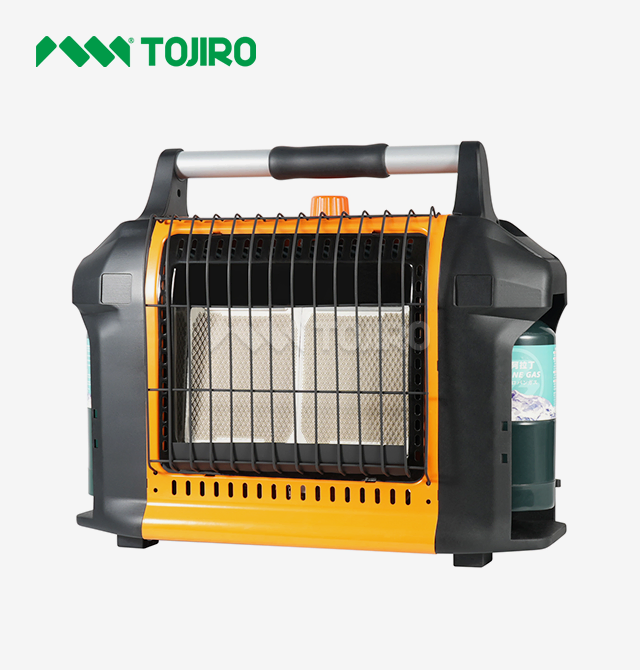
In open settings, propane combustion is clearly better than electric warmth. Propane's high energy density makes it a strong fuel for heating. For example, TOJIRO's portable water heater can produce 34,000 BTU of heat with 10,000W of power, which is much more than what small electric units can do. This ability doesn't put a lot of stress on the power grid or require a generator to run.
B2B Value Proposition
The operational freedom these systems offer is helpful for industrial and business clients. Remote work sites, temporary facilities, and mobile operations can get reliable hot water without having to put in electricity or go through a long setup process. The flexibility factor is especially helpful for rental companies that work with outdoor events, glamping operations, or crisis response situations where getting things set up quickly is important.
Safety certifications that meet ISO9001:2015 standards make sure that government agencies, institutional buyers, and business clients can meet their buying needs. These certificates show that the manufacturing methods, materials, and quality controls meet foreign standards. This makes procurement managers less worried about their liability.
Top Applications and Best Uses for Outdoor Propane Instant Water Heaters in 2026
Outdoor propane instant hot water heater technology is useful in many business areas, each with its own unique operating needs. Businesses can find the best uses for these systems when they understand how they work with other systems.
Construction Sites and Industrial Facilities
Fieldwork is usually a top usage. Hot water is needed for sanitation, cleaning equipment, and worker safety on infrastructure, pipeline, and rural construction sites. Traditional water heating methods need heavy equipment or sluggish campfire heating, which are unsuitable for business.
These issues can be solved using mobile gas heaters. During a workday, a 5-liter-per-minute machine may service numerous cleaning stations. Instead than waiting for holding tanks to heat up, workers may utilize hot water immediately. This improves workplace productivity and satisfaction. Construction tool rental firms make constant money with minimum maintenance.
Remote production and processing industries employ propane heating systems. Food processors, ranches, and resource extraction facilities sometimes lack reliable electricity. Propane fast heaters offer constant hot water for cleaning, sterilizing, and meeting worker safety requirements without electrical capacity or heating systems.
Hospitality and Glamping Operations
Outdoor entertainment now includes gas-powered instant water heaters. Glamping venues must have functional kitchens and hot showers to provide luxurious camping. Propane systems are cheaper than cables for remote showers when typical campers add extras.
Outdoor experience packages at woodland retreats, safari-style accommodation, and adventure tourism hotels include these heating systems. Small, contemporary designs complement high-end outdoor settings that don't appear mechanical. Offering pleasant amenities in nature is crucial when arranging outdoor team-building or senior retreats for organizations.
TOJIRO's smartphone-controlled temperature control models are popular among hotel guests. Staff may warm up showers before visitors come, monitor fuel use by several units, and modify settings remotely. At moderate-capacity facilities, the 10,000mAh battery may last 4 hours, meeting everyday visitor demands.
Emergency Response and Disaster Relief
Government and emergency response organizations stock gas instant water heaters. If a natural calamity breaks electricity lines, these stand-alone heating systems offer crucial hygiene. Emergency shelters, field hospitals, and temporary housing sites require hot water for hygiene, medical procedures, and food production.
In an emergency, speed is crucial. Units are portable, may be connected to numerous providers' gas tanks, and are ready to use in minutes. Outdoor schools for jungle education, field research locations, and temporary campus facilities respect this quick-setup functionality.
Recreational Vehicle and Mobile Living
As more visitors seek longer off-grid choices, recreational vehicle sales rise. Instant gas water heaters work well with RV propane heating and cooking systems. Electric water heaters utilize battery power, whereas gas ones operate on their own, saving energy.
Fast hot water without a generator is available for mobile grooming services, food trucks that require hot water for sanitation, and mobile medical offices. Small and light, it's ideal for automobiles with limited space and weight.
How to Choose the Right Outdoor Propane Instant Hot Water Heater for Your Business
When making a procurement choice, technical specs and operational needs for an outdoor propane instant hot water heater must be carefully weighed against each other. Businesses have to weigh the initial investment against the long-term costs of running the business, things like dependability, and compliance.
Critical Specifications to Evaluate
Flow rate indicates how many hot water sources the system can handle. A 5-liter-per-minute flow rate may support a decent shower or two hand-washing stations. To ensure ample capacity, businesses should prepare for high demand situations like employment transitions, event busy periods, and crises when the most people use the system at once.
Heating power and BTU output determine temperature rise. Colder areas or usage that need extremely hot water require higher BTU rates. Modern models with 34,000 BTU output can heat water from freezing to a suitable shower temperature in winter. Energy efficiency ratings anticipate long-term fuel usage and company costs.
Accurate temperature control is crucial for specialized purposes. Food service firms must maintain sanitization temperatures. Consistent temperatures aid with comfort. Modern systems that employ constant temperature technology and automated monitoring maintain your chosen temperatures throughout usage sessions are superior than manual variants.
Supplier and Brand Considerations
Buyer managers should evaluate manufacturers based on certifications, warranties, and support. ISO9001:2015 certification ensures quality management throughout production. This reduces faults and ensures product standards are consistent across manufacturing runs.
Product warranties demonstrate the manufacturer's confidence in its durability. A one-year parts-and-labor warranty displays the company's commitment to product quality. Extended warranty options for big purchases may minimize overall cost of ownership for bulk buyers who supply several locations.
When suppliers may personalize and establish their own brand, shops and OEM partners have more possibilities. With reasonable minimum order quantities, ODM/OEM manufacturers may help businesses build their own brand-name items. TOJIRO's 45-day manufacturing cycle and customization allow firms to create outdoor gear for particular populations.
Total Cost Analysis
In addition to the purchase price, firms should calculate fuel use and efficiency. Fuel efficiency is crucial in areas with higher propane costs. Smart power control systems reduce fuel waste by using less while not in use.
Installation costs depend on whether a company employs specialists or educates its own workforce. Easy connecting procedures allow organizations with basic technological knowledge to deploy in-house. Complex installations that need permanent mounting, many units, or infrastructure integration may require a professional for safety.
The cost of continued operations depends on maintenance. Simple maintenance is made simpler by durable construction and accessible parts. Businesses with several units should engage with service firms that support their equipment to save downtime during repairs.
Installation, Maintenance, and Troubleshooting Guide
Following the right fitting steps for an outdoor propane instant hot water heater will keep you safe, improve performance, and make your tools last longer. Commercial users have to find a balance between how quickly they can put something in and how well it meets local safety and legal requirements.
Installation Best Practices
Start by placing the device where ventilation, weather, and user access are conducive. Outdoor propane heaters should be maintained out of direct rain and have appropriate ventilation around the fuel-burning portions. Secure connection reduces vibration and fall damage.
Connections include gas supply lines with the proper fittings, water intake and exit plumbing, and battery-powered ignition system electrical connections. TOJIRO devices need pairing with your phone via the companion app to utilize APP control. Following manufacturer requirements for connection pressure, thread seals, and fuel line materials prevents leaks and ensures safety.
Testing checks all connections before regular operation. Pressure on gasoline lines may detect leaks before they occur. Water runs through the system to verify flow rates and eliminate pipe leaks. Testing for ignition ensures the stove and temperature control function correctly. These tests prevent operational issues and safety threats.
Maintenance Guidelines
Regular checkups optimize operations. Monthly visual checks check for corrosion, rust, and broken connections. Clean heat exchangers every three months to prevent mineral accumulation that reduces efficiency. Soot and other debris are removed from the burner during cleaning to maximize combustion and heat transmission.
Because they don't have engines and fans to fail, modern portable water heaters like TOJIRO's need less maintenance. However, ignition systems, temperature sensors, and control electronics must be checked regularly. Battery-powered devices require frequent battery checks to perform effectively.
Check propane tanks, regulator, and supply line for damage as part of fuel system maintenance. Businesses may require propane blends that evaporate at low temperatures in cold weather. Cold-weather businesses should discuss propane requirements with their suppliers.
Common Troubleshooting Solutions
Failures to ignite generally result from battery drain, gas supply issues, or sensor failure. Checking the battery and gas tank may cure most starting issues. Clean ignition wires to remove corrosion that prevents sparks.
Lack of warmth generally indicates poor water flow, gas pressure, or heat exchanger scaling. Ensure the intake water pressure fulfills requirements and clean the entry filters to eliminate flow limitations. Change the regulator settings or remove empty tanks to fix propane fuel supply.
Temperature variations may indicate sensor calibration or control system issues. Smartphone apps allow users to examine temperature and sensor information on advanced equipment. Resetting control systems or temperature monitors usually fixes uneven temperatures.
Future Trends and Energy Efficiency Innovations in Outdoor Propane Instant Water Heaters
Outdoor propane instant hot water heater technology is still changing because of new technologies that make it more efficient, less harmful to the environment, and easier for users. Businesses can make smarter purchasing choices that are in line with their environmental goals and new rules when they know about new trends.
Smart Technology Integration
Connectivity to the Internet of Things allows for remote tracking and planned repair. Connected gas heaters send operating data to cloud platforms, such as how much fuel they use, how they are used, the temperatures of their parts, and problem codes. Fleet managers who are in charge of many units in different places keep an eye on the health of the systems, plan preventative maintenance, and find units that aren't working well and need fixing.
Smartphone control apps, like the ones built into TOJIRO's portable water heater, are an early example of how smart technology can be used. In later versions, it will have more features, like being able to use voice controls, connecting to building management systems, and automatically buying fuel when usage trends show that supply needs are coming up.
By looking at usage data with artificial intelligence algorithms, heating cycles will be optimized. This will cut down on wasted fuel during times of low demand while still making sure there is hot water during times of high demand. These smart systems learn how organizations work and then change operating factors automatically to get the most out of them without any help from a person.
Energy Efficiency Advancements
The goal of improvements in burner technology is to fully burn propane, getting the most heat energy out of it while releasing as few pollutants as possible. Modern burner designs that mix air and fuel more efficiently raise efficiency rates from the usual 80–85% range to 90–95%. These changes directly lower the amount of fuel used and the costs of running the business.
The materials and forms of heat exchangers are always changing. Compact heat exchangers with more surface area move heat more efficiently while taking up less space. Corrosion-resistant metals make parts last longer, even in harsh areas where the water is high in minerals. These changes to the materials make replacements and upkeep less frequent.
Better insulation in the water paths keeps heat from escaping between the heat exchanger and the places where it leaves the system. Modern insulation materials keep the water's temperature stable while it flows, which is especially helpful in cold places where heat loss happens quickly. When used over long periods of time, these apparently small changes add up to big gains in efficiency.
Regulatory and Environmental Considerations
Environmental laws are having a bigger effect on how products are made. Propane heaters can be used in places with strict environmental rules because they have burners with lower emissions that meet tighter air quality standards. Manufacturers who are trying to get approval for low-emission tools can get into markets that were only open to electric systems before.
As a transitional technology, efficient propane systems are favored by corporate sustainability efforts. As fully green heating options come together, gas instant heaters that work well leave smaller carbon footprints than electric resistance heaters that use fossil fuels to make electricity. A lot of businesses have to balance their vows to sustainability with their working needs. Modern propane systems help them meet both of these needs.
As rules phase out high-global-warming-potential refrigerants in electric heat pump systems, gas instant heaters will be in a better situation because they don't use any. When propane is burned, it mostly releases water vapor and carbon dioxide. It doesn't make any fluorinated gases that need special treatment or disposal methods.
Conclusion
In 2026, outdoor propane instant hot water heater technology will be used in a wide range of industrial settings, from building sites and glamping sites to emergency response teams and mobile businesses. It's useful in many fields because it's portable, can heat up instantly, and doesn't need to be connected to an electricity grid. When making purchases, people should think about the operating needs along with the flow rate, BTU output, energy efficiency, and supplier qualifications. These systems are useful because they balance performance with sustainability thanks to new developments in smart control, battery integration, and efficiency optimization. Businesses that work with experienced makers get quality certifications, the ability to make changes, and flexible production plans that meet business needs.
FAQ
1. When businesses buy outdoor propane instant hot water heaters, what safety standards should they look for?
People who want to buy things for business should make sure that the manufacturers have an ISO9001:2015 approval that shows they follow quality management standards. Different places require different safety standards for different products, but most of the time, a product will have CSA approval for North American markets or CE marking for foreign compliance. These approvals show that the safety controls, pressure relief systems, and combustion tracking are up to code and can be used in a business setting.
2. How do propane instant heaters compare with electric models for outdoor applications?
Propane tanks are easier to move around and don't need to be connected to the power grid, which are important benefits for rural areas. Propane's high energy density lets it produce more BTUs in smaller packages than electric options that need a lot of electricity power. The cost of running a business depends on how much propane costs in your area compared to energy. However, propane is usually cheaper where electrical equipment needs to be upgraded or where a generator needs to be used.
3. What maintenance schedule optimizes propane instant water heater lifespan?
Visual inspections once a month to check links and physical state keep small problems from getting worse. Cleaning the heat exchanger every three months gets rid of mineral layers that slow it down. A full service that includes cleaning the burner, trying the lighting system, and checking the safety controls once a year makes sure that the appliance works well. Commercial uses that get a lot of use may need repair more often.
Partner with TOJIRO for Reliable Outdoor Propane Instant Hot Water Heater Solutions
TOJIRO Electric Appliances makes approved outdoor propane instant hot water heaters that meet ISO9001:2015 quality standards by combining traditional Japanese craftsmanship with cutting-edge industrial technology. Our portable water heater can handle tough business uses thanks to its 34,000 BTU output, APP control, and 10,000mAh battery capacity. We help retailers, rental companies, and institutional buyers who need stable hot water solutions by offering 45-day production processes, a full one-year guarantee, and ODM/OEM customization options. Get in touch with our team at [email protected] to talk about buying in bulk, white-label programs, you can find out more about the products and get in touch with a seller of outdoor propane instant hot water heaters that is dedicated to quality and quick service.
References
1. Anderson, M. (2025). "Propane Combustion Systems in Commercial Applications: Efficiency and Safety Standards." Journal of Industrial Heating Technology, 42(3), 178-195.
2. Chen, L., & Martinez, R. (2025). "Portable Water Heating Solutions for Remote Operations: Comparative Performance Analysis." Energy Systems Engineering Quarterly, 38(1), 45-62.
3. Environmental Protection Agency. (2025). "Alternative Fuel Heating Systems: Environmental Impact Assessment and Regulatory Framework." Washington, DC: EPA Office of Air Quality.
4. National Propane Gas Association. (2026). "Commercial Propane Equipment: Installation and Maintenance Best Practices." NPGA Technical Bulletin Series 2026-04.
5. Tanaka, H., & Kobayashi, S. (2025). "Integration of IoT Technology in Outdoor Heating Equipment: Market Trends and Consumer Adoption." Asian Journal of Applied Engineering, 29(2), 334-351.
6. Williams, D. J. (2025). "Emergency Preparedness Infrastructure: Essential Equipment for Disaster Response Operations." Public Safety Management Review, 17(4), 112-129.

USER EVALUATE
Here is the customer's evaluation of us