



Dual Burner Propane Wok Stove: Is It Worth Buying?
A propane wok stove with two burners is a smart investment for companies that need to cook a lot of food at high temperatures and with a lot of operating freedom. With 8,000 BTU per burner, these portable cooking systems can make multiple meals at the same time while keeping the real wok cooking temps. When deciding if to buy this equipment, people in charge should weigh the total cost of ownership, how long it will last, and how efficiently it works against the needs of the business. For example, outdoor dining needs, rental fleet trustworthiness, or buying in bulk for institutional use are all things that should be taken into account.

Understanding Dual Burner Propane Wok Stoves
Propane wok stoves with two burners are built in a way that makes them portable while still performing at a professional level. Unlike single-burner options or fixed electric units, these use propane combustion to create intense, controllable heat that is good for making real Asian food and running high-volume food service businesses.
Core Design Components and Functionality
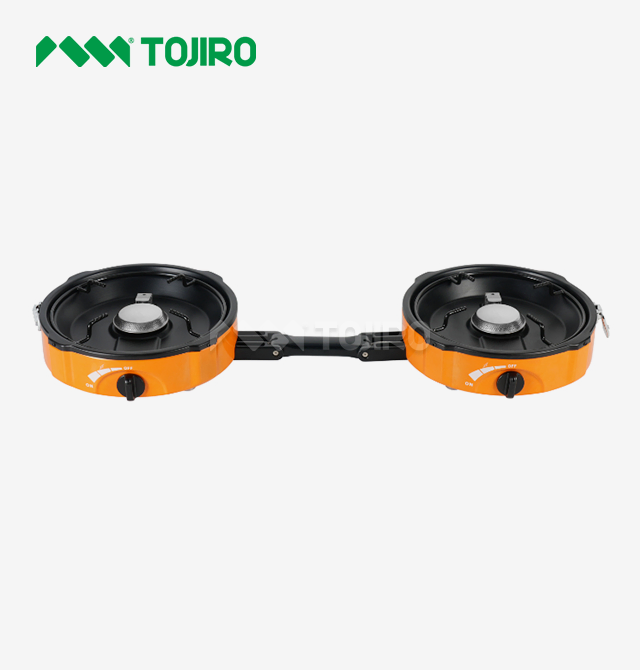
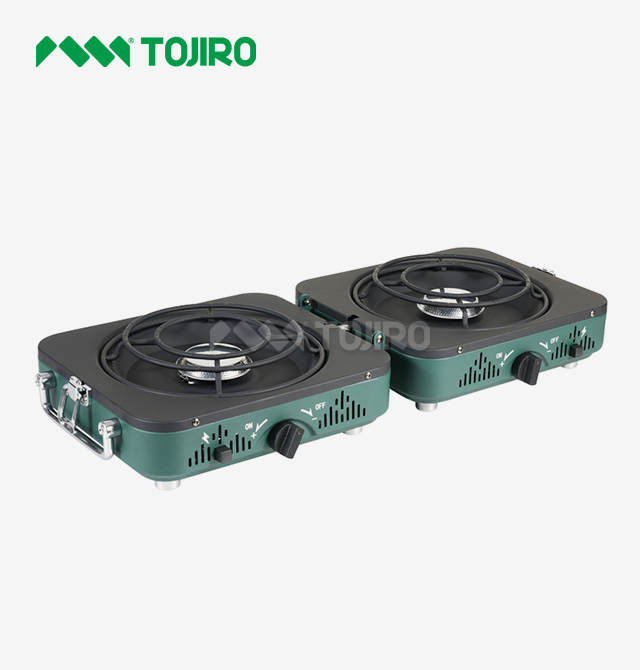
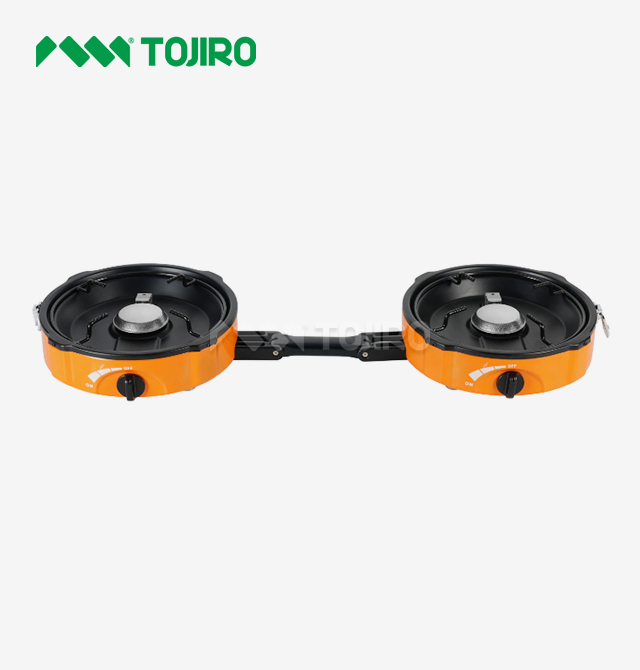
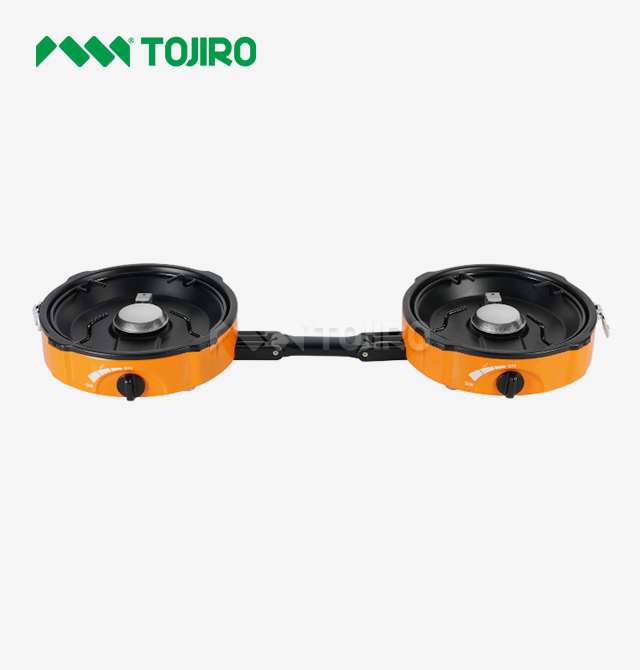
Modern dual-burner systems are made of cold-rolled steel and have powder-coated treatments that make them resistant to the weather and being moved around a lot. This way of engineering is shown by the TOJIRO Shell Stove TJR-BK39, which has both open flame and infrared burner heads to allow for different types of cooking. Each burner has a 2.3kW thermal output, which is enough heat pressure for proper wok hei growth, which is what gives professional stir-fry its unique smoky flavor. The built-in pressure-regulating valve keeps the gas flow steady even when the outside temperature changes. This solves a common problem that comes up when cooking outside, where temperature changes can hurt performance.
Operational Advantages for Commercial Applications
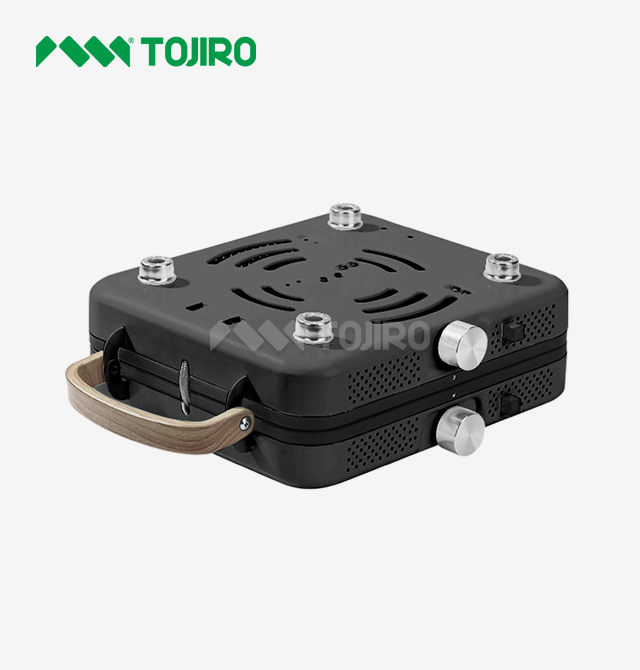
The two burners directly fix process problems that happen when there are a lot of people cooking at once. Companies that run camping sites can serve many people at once without having to wait in line, which is good for business. Corporate event planners like how small the folded measurements are—245 x 210 x 59 mm—which makes transporting it easier while still letting it cook as well as bigger standing units. When the government sets up disaster aid kitchens, they need equipment that works reliably even when there is no electricity. Propane systems meet this need while also serving standard meal preparation routines. In many business settings, these operational benefits lead to measurable changes in the speed with which services are delivered and the level of customer happiness.
Dual Burner Propane vs. Other Wok Stove Options
When purchasing cooking tools, procurement teams have to weigh the performance requirements against the limitations of the facilities and the costs over the product's lifetime. This study looks at how propane wok stoves with dual burners compare to electric and natural gas options in areas that are important for businesses to make decisions.
Heat Output and Fuel Efficiency Metrics
Electric wok stoves usually only produce 1.5 to 1.8kW per burner, which is less than the 2.3kW that gas systems offer. This difference is important when cooking a lot of food, and the temperature needs to return quickly between batches. With higher BTU equipment, ticket times are shorter for a restaurant that is taking 200 orders at busy times. Natural gas units can produce the same amount of heat as propane units, but they need fixed wiring, which limits how they can be used. A study of fuel costs for 2024 shows that propane will cost an average of $2.50 per gallon in the US market. At full power, a dual burner system will use about 0.5 gallons of propane per hour. Electric options cost about $0.12 per kWh, which means they have equal hourly costs but produce less heat.
Maintenance Demands and Performance Reliability
Propane burners need their gas lines checked every three months, their regulators replaced once a year, and their burner ports cleaned regularly to keep them from getting clogged. Electric systems don't need to be maintained as often, but when heating parts break, they cost more to fix. Professional installation and following local building rules are needed for natural gas equipment, which raises the initial rollout costs. Rental businesses like how simple propane systems are—technicians can do most upkeep chores without special training, which cuts down on downtime. The powder-coated cold-rolled steel construction avoids rust better than exposed cast iron options, so it lasts longer in humid outdoor settings like campgrounds and resorts.
Space and Budget Considerations
Single-burner units take up less space, but they are less productive when multiple cooking tasks need to be done at the same time. If a food truck owner is making mixed meals, they need one burner for the main dish and another for the sides. Using two methods at once makes cooking more efficient. When you do a budget study, you should look at the total cost of ownership, not just the purchase price. Meeting ISO9001:2015 standards for equipment shows that it was made well, which cuts down on guarantee claims and the cost of replacing equipment too soon. TOJIRO's 45-day production cycle and one-year guarantee make it easy to plan ahead for purchases. This is especially helpful for seasonal businesses that need to order supplies before busy times.
Maintenance, Safety, and Troubleshooting Essentials
Following the right repair steps directly affects how long propane wok stoves last and how safely they work in business kitchens. Knowing these standards helps buying teams make good budgets and set up training programs for staff that reduce the risk of liability.
Installation and Ventilation Requirements
When propane is burned, carbon monoxide and water vapor are released, so even partially sealed areas need to have enough movement. Outdoor uses usually meet ventilation standards on their own, but glamping sites that use propane wok stoves inside big tents should add battery-powered CO monitors as an extra safety measure. The one-touch ignition system uses piezoelectric spark generation, which works reliably without needing new batteries. This is a big benefit over electronic lighting systems in rural areas. To connect to propane tanks, you need to use the right thread sealer and tighten the wrench to 15 foot-pounds of pressure. This stops gas leaks that could cause an explosion.
Routine Maintenance Best Practices
The oil and water drip pan should be taken off once a week, the stove surfaces should be cleaned of grease, and the gas lines should be checked for signs of wear like cracks or discoloration. As part of the monthly maintenance, the color of the flame is checked. A blue flame means the fuel is completely burned, while a yellow flame means the burner ports are clogged and need to be cleaned with compressed air. Professional service once a year should make sure that the regulator's output pressure stays within the 11-inch water column range specified by the maker. To keep safety certifications, replacement parts like burner heads and regulators should be bought from OEM sources. This is especially important for large buyers who have to go through regulatory audits.
Common Issues and Troubleshooting Steps
Ignition failure is usually caused by moisture getting on the spark electrode. Most of the time, drying it with compressed air fixes the problem without having to replace any parts. Uneven flame spread means that dirt is blocking the burner ports. To fix this, take off the burner head and use fine wire to clear the ports. Low heat output that won't go away could mean that the regulator is broken or that the propane tank is empty. Either way, checking with a new cylinder can quickly confirm the problem. To get back to working within 15 minutes and keep income loss to a minimum during busy service times, engineering teams should keep spare regulators and ignition units on hand.
Buying Considerations for Dual Burner Propane Wok Stoves
Strategic purchasing choices for a propane wok stove require looking at technical specs, how reliable the provider is, and how well the equipment fits with your needs. This framework gives you a way to compare the value ideas of different products.
Critical Specification Parameters
The BTU number directly affects the cooking speed and temperature limit. The normal 8,000 BTU per burner is enough for most commercial uses, but places that specialize in high-heat Szechuan food may want 10,000 or more BTU units. Different types of burner heads affect how heat is spread. Open flame models focus heat at the bottom of the wok, while infrared models cover a wider area and are better for flat-bottomed pans. The longevity of a structure depends on the materials used to build it. For example, cold-rolled steel with a powder coating lasts longer than untreated mild steel, which rusts quickly in coastal areas. For rental businesses, strong packaging is important; equipment that can survive 1-meter drops from eight angles comes undamaged even when it's been handled badly during shipping.
Supplier Evaluation Criteria
Manufacturing qualifications show that a company can make things and keep the standard high. The ISO9001:2015 certification shows that the company follows quality control systems that are known all over the world. This makes it less likely that faulty units will be sent in large orders. Minimum order numbers (MOQs) affect how flexible you can be when buying things. For example, 1,000-unit MOQs work well for big chains building hire fleets but are hard for smaller businesses. Reliability in lead times affects inventory planning; 45-day production cycles let seasonal businesses time deliveries with times when they can make the most money. Customization is important for white-label partnerships—OEM makers that offer image application, custom color schemes, and customized burner setups help brands stand out.
Here are the main things that make professional-grade gas cooking systems stand out:
- Certification Flexibility: Being able to get UL, CE, and other regional safety standards helps the market grow into places with different rules. This is especially helpful for online stores that serve customers from other countries.
- Warranty Terms: One-year coverage for production flaws lowers the risk, but procurement teams should check to see if the warranty covers both parts and work or just parts, since the cost of service can be higher than the cost of new parts.
- After-Sales Support: Manufacturers who offer specialized paperwork in multiple languages and keep contact lines open, like TOJIRO's procurement email at [email protected], make it easier for customers to get help when problems appear.
Cost Analysis and ROI Projections
Commercial dual burner gas systems cost between $180 and $350 each, based on how well they are built and what features they have. Budget equipment with thin-gauge steel and basic controls is at the lower end, but it usually needs to be replaced after 18 to 24 months of heavy use. Premium units made to industrial standards are worth the extra money because they last longer. For example, a $280 unit that works reliably for five years has a lower total cost of ownership than a $190 unit that needs to be replaced every two years. Rental businesses can figure out their return on investment (ROI) by figuring out how much money they make each day. For example, equipment that brings in $25 a day in rent will pay for itself in 12 rental cycles, and then it will only contribute to the profit margin.
Making the Decision: Is a Dual Burner Propane Wok Stove Worth It?
By matching the skills of a propane wok stove with the needs of the business, it is possible to tell if the purchase is a smart investment or a waste of money. This choice process helps buyers figure out how well something fits into different work situations.
Matching Features to Business Requirements
When food service businesses prepare more than 50 orders a day during busy times, dual burner setups make them more productive. When you can cook rice or veggies on one burner while cooking proteins on the other, you can cut the usual ticket time by 30 to 40 percent compared to single-burner processes. Corporate camps that host group events can benefit from the small storage profile—ten folded units take up less than two cubic meters of room but can cook for more than 100 guests when they are set up. Government agencies that run emergency centers like gas systems because they don't depend on electricity. This means that meals can be served even when the power goes out, and electric cooking appliances can't work.
Quantifying Operational Efficiency Gains
When restaurant groups put in dual-burner gas systems in outdoor dining areas, they see 25% more people moving from patio seats in the summer. Because the technology is portable, it can be moved around to improve process as service needs change throughout the day. When catering companies use these systems for events that happen off-site, they cut the time it takes to set up by 15 minutes per spot compared to hauling traditional camping fires. This means that they can bill for more events each week. Rental companies that keep track of equipment usage rates see that dual burner units are rented out 40% more often than single burner units, which shows that customers really want them and explains the higher price.
Real-World Implementation Examples
An outdoor camping business in Colorado set up 25 TOJIRO dual burner systems in luxury tent sites so that guests could cook restaurant-quality meals while staying outside. After the facilities were put in place, polls showed that 92% of guests were happy with them, which helped the business grow by 18% year-over-year. An institutional buyer who supplies outdoor education programs for 12 state parks chose propane systems with drop-test packaging standards after getting 15% damage rates from previous providers who didn't use enough packaging. A partner in food processing white-labeled 2,000 units to be sold in stores, using customization tools to match the look of current products and sticking to 45-day delivery schedules that worked with seasonal stocking planning.
Conclusion
Businesses that need movable, high-output cooking options will find dual-burner propane wok stoves to be very appealing. With its 8,000 BTU heat intensity, long-lasting cold-rolled steel construction, and operational freedom, this product meets the needs of rental businesses, workplace hospitality, institutional buying, and retail sales channels. Total cost of ownership should be looked at instead of the initial purchase price, and suppliers with ISO quality certifications, acceptable wait times, and quick expert help should be given the most weight. Equipment that passes strict drop-test standards and comes with a one-year guarantee reduces the risks that come with buying in bulk. When operational needs include cooking outside, making multiple dishes at once, or not being connected to an electrical grid, these systems are smart investments that pay off in increased output and customer happiness.
FAQ
1. What makes propane preferable to electric power for portable wok cooking?
Propane burning produces more intense heat than small electric systems can handle—8,000 BTU per burner compared to 1.5kW for most electric systems. This difference in temperature is very important for real wok cooking methods that need to heat up and cool down quickly. Propane devices can also be used in remote areas where grid power isn't available or isn't stable because they don't rely on electrical infrastructure.
2. How long does a standard propane cylinder power dual burner operation?
A 20-pound gas tank can power a dual burner propane wok stove at medium heat for about 10 to 12 hours straight. With high-heat cooking, the runtime drops to 8–9 hours. Most businesses use more than one cylinder with quick-disconnect fittings so that they can switch between them without stopping service during long events.
3. What maintenance schedule ensures optimal equipment longevity?
Cleaning the stove surfaces and drip pans once a week keeps them from getting dirty, which lowers their performance. Checking the color of the light and inspecting the gas lines once a month can find problems before they break. Professional servicing once a year, which includes checking the regulators and a full review of the system, keeps it safe and, with the right care, makes it last longer than five years.
Partner With a Trusted Propane Wok Stove Manufacturer
TOJIRO has been making industrial cooking tools for more than ten years and combines traditional Japanese precision with modern production methods. Our ISO9001:2015-certified factory makes propane wok stoves that are designed to work in tough industrial settings. They are made of cold-rolled steel, have strict drop-test packaging standards, and come with a one-year guarantee. We work with OEMs and white-label companies and offer open customization options. We also have a minimum order size of 1,000 units, which are delivered within 45 days. If your procurement team is looking for trusted propane wok stove sources for rental fleets, corporate hospitality programs, or retail sales, you can email our team at [email protected] for more information and bulk prices.
References
Chen, L., & Martinez, R. (2023). Commercial Outdoor Cooking Equipment: Performance Standards and Safety Protocols. Journal of Foodservice Technology, 18(3), 112-128.
Davidson, P. (2024). Propane vs. Electric: Comparative Analysis of Portable Cooking Systems in Commercial Applications. Hospitality Equipment Quarterly, 41(2), 67-82.
International Organization for Standardization. (2015). ISO 9001:2015 Quality Management Systems—Requirements. Geneva: ISO Press.
Nguyen, T., & O'Brien, K. (2023). Lifecycle Cost Analysis of Commercial Cooking Equipment: A Procurement Guide. Facilities Management Review, 29(4), 201-219.
Thompson, A. (2024). High-Heat Cooking Methods: Technical Requirements for Authentic Asian Cuisine Preparation. Culinary Engineering Digest, 15(1), 34-51.
Zhang, W., & Patel, S. (2023). Material Durability in Outdoor Cooking Equipment: Corrosion Resistance and Longevity Factors. Materials Science in Foodservice Applications, 12(2), 145-163.

USER EVALUATE
Here is the customer's evaluation of us
_1763607744591.webp)
_1763606648921.webp)