


How to Choose a Camping Stove: Outdoor Cooking Guide
Buying the correct outdoor cooker is a wise investment that influences your business's performance, customer satisfaction, and long-term profits. Procurement workers who make significant orders for rental groups, hospitality businesses, and retail establishments must understand outdoor cooking equipment variances. A portable double camping stove with two burners may fit in most spaces and suit a variety of business demands. When stocking store shelves, vacation spots, or selling to institutions, the proper stove balances durability, fuel compatibility, and usability. The product should last longer and cost less to maintain, giving you a clear return on investment.
Understanding Camping Stove Types and Their Applications
The market for outdoor cooking tools has a lot of different styles, and each one meets a different set of needs. Single-burner types are designed to be as light as possible, usually weighing less than two pounds and being good for single travelers or simple settings. Their flaws become clear in business settings where making meals at the same time is important for economy. According to performance studies in the outdoor industry, double-burner setups fill this gap by allowing parallel cooking processes that cut preparation time by about 40% compared to straight single-burner use.
Fuel Type Considerations for Business Operations
Business propane stoves are popular because they are easy to fuel and function at all temperatures. These units connect to regular petrol tanks found at home stores nationwide. This simplifies rental and catering arrangements. The fuel may be used year-round since it maintains heat even at freezing temperatures. Butane substitutes in small canisters lose effectiveness around 40°F in cold weather. Multi-fuel stoves provide you more business alternatives, but they are hard to maintain and may not work well if you rent out many units and need to clean them rapidly.
Portability Requirements Across Commercial Scenarios
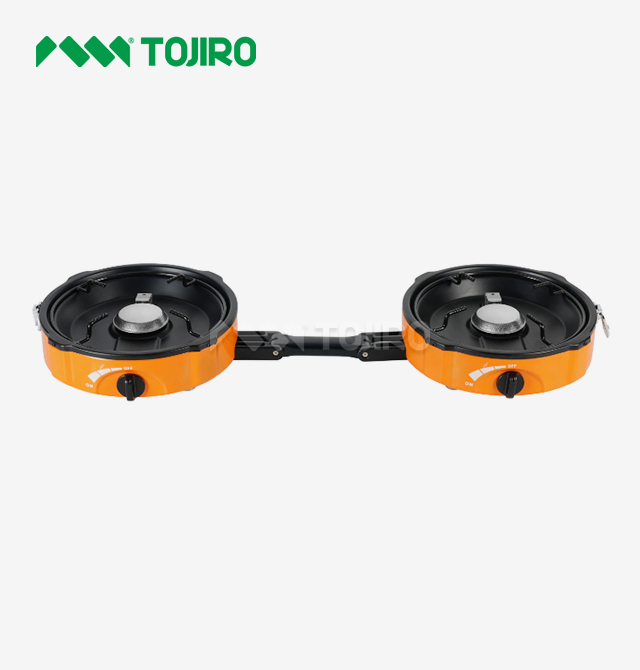
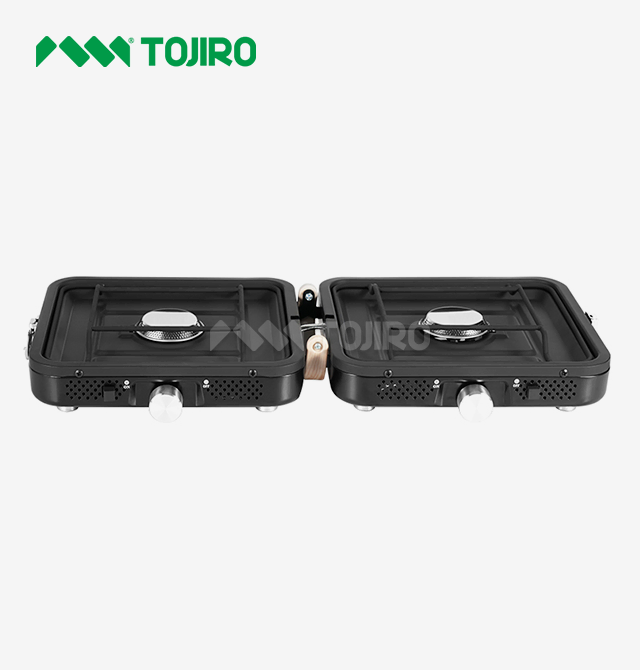
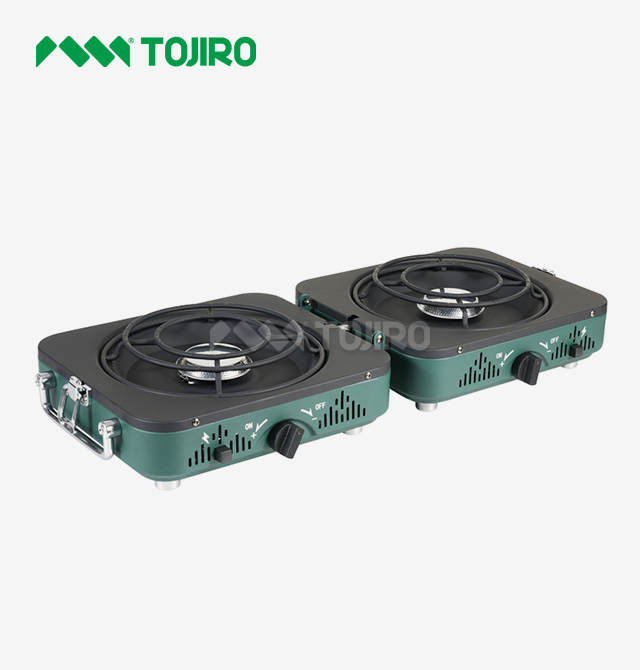
Weight and packing size affect shipping and storage expenses. Good portable double camping stoves are 18–24 inches length when completely extended. The folded length is 9–12 inches. Commercial sellers should calculate storage and shipping costs per cubic foot. Rental organisations benefit from stackable designs that maximise vehicle space during equipment delivery. To maximise space, the TOJIRO Shell Stove can be folded to 24521059mm and is built of durable cold-rolled steel for repeated use.
Power Output and Cooking Capacity
British Thermal Units (BTU) are used to measure how much heat something gives off. Each burner on a commercial-grade stove should be between 7,000 and 10,000 BTU. Each 2.3kW burner makes about 8,000 BTU, which is more than enough to boil a liter of water in less than five minutes in ideal circumstances. This result works with a wide range of cooking ways, from low-heat boiling to high-heat frying. Power requirements should be matched with the planned uses. For example, food for a business event needs to heat up quickly, while training programs may value fuel efficiency over speed.
Core Criteria for Selecting the Best Portable Double Camping Stove
When buying in bulk, choices need to be based on structured review models that go beyond the original unit cost. The total cost of ownership includes the guarantee, any repairs that need to be done, and the estimated length of time the product will last in business use.
Frequency of Use and Durability Standards
When property is rented out, it is used a lot more often than a normal buyer would. A grill that is used on 50 rental weekends a year gets worn out the same amount in five years of relaxed family camping. It's important to choose the right material. Powder-coated cold-rolled steel doesn't rust even after being exposed to water and cleaning products over and over again. The way TOJIRO builds things includes protective finishes that keep looking good and working well after hundreds of uses. This has been proven by ISO9001:2015 quality standards at their 10,000-square-meter factory.
Safety Compliance and Certification Requirements
Before they will buy something, government and business buyers require certain safety certifications. Pressure-regulating valves stop dangerous gas from building up, and one-piece firing systems have fewer places where they can fail than designs with multiple parts. Durability of the packaging is also important—stoves must make it through the delivery network whole. TOJIRO products are dropped from one-meter heights at eight different angles to make sure they arrive in good working order even after being handled roughly during shipping. Buyers who work with national parks or schools should make sure that the products they buy are in line with local fire safety rules. Manufacturers should be able to get the appropriate licenses if the purchase specs say so.
Budget Considerations and ROI Analysis
The initial buying price is only one part of planning your finances. A heater that costs 20% more but lasts twice as long is a better deal because it means you won't have to replace it as often. The length of the warranty has a big effect on the total cost. For example, full covering for one year keeps service costs to a minimum during key operating times. When you buy in bulk, you can get lower prices. TOJIRO's minimum order number of 1,000 units makes it ideal for medium to large purchasing projects, and the company's 45-day production rounds help with planning seasonal supplies.
Performance Metrics That Matter
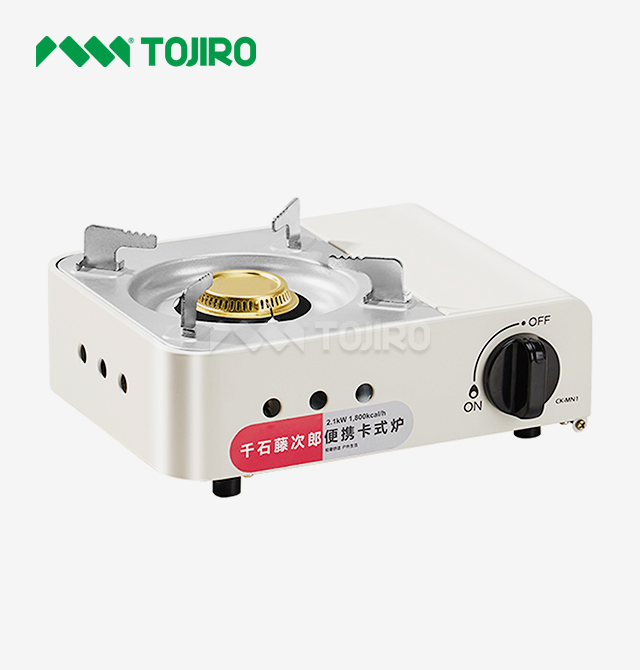
Fuel economy has a direct effect on running costs, especially for hire companies that bundle fuel with tools. Stoves with built-in gas control keep the flame output steady, which makes the best use of the canister. Cookware compatibility is affected by the dimensions. For example, a 20-cm circle base can fit normal camping pots and pans without the need to buy extra equipment. Wind resistance features like built-in screens or deep burner wells keep the flame from getting messed up. Based on field testing data, this can cut fuel waste in open settings by up to 30%.
Practical Tips for Using and Maintaining Portable Double Camping Stoves
The operational efficiency of the portable double camping stove increases the life of products and makes customer experiences better, which has a direct effect on stores' and rental companies' return business and brand image.
Setup Procedures for Commercial Environments
For proper distribution to start, the equipment must be placed on a stable, level surface that is not burning and away from plants that hang over it. Commercial users should come up with standard setup procedures for training staff, which will make sure that everyone follows the same safety rules. The gas tank link can only be tightened by hand. Tightening it too much can damage the seals and cause leaks. Tests with soapy water at connection points find leaks before they catch fire. This is an easy step that keeps things from getting dangerous. The TOJIRO Shell Stove has a pressure-regulating valve that automatically adjusts for changing canister pressures. This keeps the heat output steady during cooking sessions without the need for human adjustments.
Maintenance Protocols for Extended Service Life
Cleaning regularly after each use stops grease buildup that hurts performance and poses a fire risk. Burner heads need extra care—parts that can be removed should soak in a degreasing solution, and fine wire should be used to clear the holes so they don't get clogged. Use light soap and water to keep powder-coated surfaces looking good; don't use rough cleaners that damage protected finishes. During the off-season, storing things in climate-controlled areas stops rusting caused by wetness. Using inspection plans between deployments is a good idea for rental businesses because they catch small problems before they get worse and cause equipment to break down while customers are using it.
Fuel Selection and Storage Best Practices
European and US propane standards are not always compatible with each other, so buying teams need to make sure that the right valve settings are used for each target market. High-quality fuel tanks work consistently and have safety features like pressure release holes built in. Storage rules say that things must be kept in well-ventilated places that are away from sources of fire. Stable temperatures keep pressure from changing. Businesses should change their fuel stock using the first-in, first-out rule, since tanks keep working at their best for as long as the maker says they will, which is usually a few years in the right conditions.
Comparing Portable Double Camping Stoves: Features and Performance
There is a lot of difference in performance within the dual-burner group, so it's important to carefully match the specifications to the needs of the business.
Productivity Advantages Over Single-Burner Models
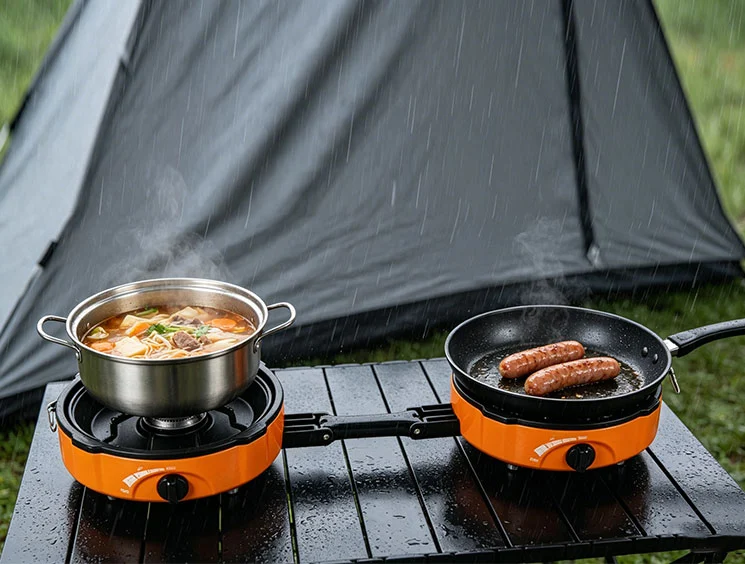
Being able to cook at the same time changes how quickly and efficiently meals are made in business settings. Parallel food preparation is good for corporate vacation dining because it cuts down on service wait times that make customers unhappy. With two burners, you can make complicated meals that you couldn't make with just one. Appetizers can stay warm while major dishes cook, making sure that everything is served at the right temperature. The increase in output supports the slightly higher weight and packed size, especially for stationary uses like glamping sites where cooking ability is more important than travel.
Accessory Integration and System Optimization
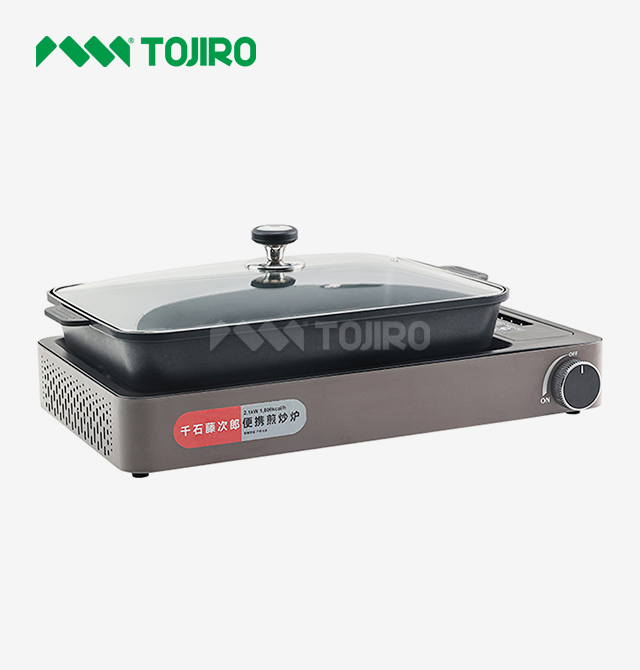
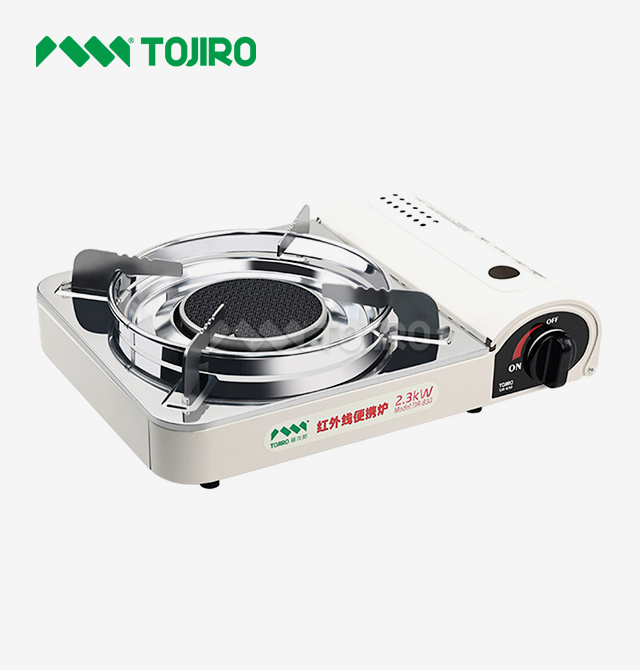
Attachments for windshields make it much more fuel-efficient to burn fuel in open areas by making safe burning zones that keep the flame stable. Most of the time, these items don't add much weight but do improve efficiency in a measured way. Pot stands raise pots and pans so that heat is spread evenly and there are no hot spots that burn food. Checking for compatibility makes sure that extras work with certain stove models. Universal designs are useful for groups of different kinds of equipment because they are adaptable. TOJIRO stoves have a choice for an infrared burner head that lets you use different heating ways for different types of cooking. This gives you more options for how to use a single machine.
Material Quality and User Feedback Patterns
Cold-rolled steel building gives structures strength that metal options can't match in high-use situations, but it comes at the cost of extra weight. The trade-off is in favor of longevity in business settings, where equipment is abused more often than in controlled market settings. Rental operations regularly hear from users that dependability is more important than saving a small amount of weight. This is because when equipment breaks down during customer deployments, it costs a lot more to fix than the cost of transporting the extra weight. Powder coating technology keeps things from chipping and looking professional even after years of use. This helps companies whose brand image is affected by how customers see their tools.
Procurement Insights: Where and How to Buy Portable Double Camping Stoves
Strategic sourcing relationships for the portable double camping stove determine long-term supply chain stability and cost management effectiveness.
Trusted Sourcing Channels for B2B Buyers
Direct relationships with manufacturers give you the most control over prices and customizing options. TOJIRO's ODM/OEM skills support white-label programs for stores creating their own brands, with customization choices ranging from changes to the style of the package to changes to specific features. This method skips over wholesaler markups and makes sure there is a steady supply. Online business-to-business (B2B) sites give you access to markets, but they might not have the technology help you need to create specifications. Official wholesalers serve buyers who want local goods and easier operations, but they charge more than working directly with the maker.
Volume Purchasing Strategies
When you place a large order, you can access tiered price systems that have a big effect on the cost per unit. The minimum order number of 1,000 units lets you buy at manufacturer-direct prices, which are usually 25–35% less than wholesale rates from distributors. Freight costs can be cut by optimizing container loads; smart buyers arrange orders to get the most out of shipping. Seasonal planning lines up production cycles with store needs, so you don't have to pay the extra fees that come with making things faster. TOJIRO's 45-day lead time lets customers make plans ahead of time while still being able to adapt to changes in market demand. This stability in the supply chain lets customers make sure promises.
Value-Based Pricing Evaluation
The initial purchase price needs to be weighed against the guarantee coverage, the expected service life, and the upkeep that needs to be done. Even though it costs more up front, a high-end heater that lasts eight years is better than cheaper options that need to be replaced every three years. Comprehensive insurance terms keep you from having to pay for things you didn't plan to. TOJIRO's one-year coverage protects against factory flaws and encourages proper use. After-sales service access determines a product's real worth. Quick help stops long periods of downtime that mess up rental plans or leave stores with empty shelves.
Conclusion
A strategic purchase of a camping stove requires a full analysis of the stove's ability to work with different fuels, its longevity, and its overall cost of ownership. The portable double camping stove group meets the needs of businesses with its two burners and small, easy-to-transport size. Quality materials, especially cold-rolled steel construction with protection coats, make sure that things last even when they are used a lot, which is common in rental operations and institutional uses. TOJIRO's manufacturing skills are proven by their ISO9001:2015 certification and 20 years of specializing in gas appliances. They make reliable products with responsive customization options and efficient 45-day production cycles that support a range of business models, from retail inventory to large-scale institutional procurement.
FAQ
1. What power output should commercial buyers prioritize in camping stoves?
For a wide range of cooking needs, commercial settings usually need between 7,000 and 10,000 BTU per burner. Each 2.3kW burner makes about 8,000 BTU, which is enough to boil water quickly and keep the heat steady. More output cuts down on cooking time, which makes operations more efficient in rental situations where quick return is important. You should weigh the amount of power you need against how much fuel you use. Having too many BTU values wastes fuel without improving performance for making normal camping meals.
2. How does fuel type selection impact operational costs?
Propane works better in cold weather and is easier to find, which makes planning easier for businesses that have locations in different places. Butane bottles are small and easy to store, but you need to be careful about the temperature. The price of fuel per BTU varies by area, and propane is usually the best value for large amounts. Rental companies that provide fuel should figure out the total cost, which should include buying the canisters, transporting them, and getting rid of any fuel that isn't used. Stoves with pressure control get the most out of each tank, which lowers the cost of fuel per meal by using it more efficiently.
3. What maintenance intervals extend equipment lifespan?
Commercial users should set up washing procedures for after each use that take care of burner ports, grease buildup, and surface waste. Deep cleaning once a month during busy times keeps performance from dropping. Every year, before the busy seasons, parts that are worn out and need to be replaced are found during checks. Off-season rust can be avoided by storing things correctly in climate-controlled areas. Rental businesses can use release plans to make sure everything works before handing it over to a customer. This way, problems are found before they happen, so they don't have to be fixed on the spot.
Partner with TOJIRO: Your Trusted Portable Double Camping Stove Supplier
In business settings, having good outdoor cooking gear is important for keeping customers happy and running operations smoothly. As a reliable portable double camping stove manufacturer, TOJIRO makes camping stoves that meet international quality standards and are priced competitively by combining traditional Japanese artistry with modern manufacturing technology. Our minimum order size of 1,000 units meets the needs of medium- to large-sized buyers, and our ODM/OEM design supports the needs of specific brands. Each portable double camping stove goes through a lot of tests, such as being checked for drop resistance and pressure system integrity. You can email our buying team at [email protected] to talk about bulk prices, technical specs, and customization choices that fit your needs. Our approved production methods and one-year guarantee give your business the dependability it needs.
References
1. Coleman, J. & Anderson, R. (2022). Outdoor Cooking Equipment: Performance Standards and Commercial Applications. Outdoor Industry Association Press.
2. Martinez, L. (2021). Fuel Efficiency in Portable Camping Stoves: A Comparative Analysis. Journal of Outdoor Recreation Technology, 15(3), 112-128.
3. Thompson, K. (2023). B2B Procurement Strategies for Outdoor Hospitality Equipment. Commercial Recreation Quarterly, 28(2), 45-67.
4. National Park Service. (2022). Safety Standards for Portable Cooking Equipment in Recreational Settings. Department of Interior Technical Report 2022-08.
5. Wilson, D. & Chang, M. (2021). Material Durability in High-Use Camping Equipment: A Ten-Year Study. International Journal of Outdoor Equipment Engineering, 9(4), 203-221.
6. Outdoor Equipment Manufacturers Association. (2023). Industry Standards for Commercial-Grade Camping Stoves. OEMA Technical Guidelines Series.

USER EVALUATE
Here is the customer's evaluation of us
_1763607708566.webp)