



The Things You should know About Outdoor Propane Instant Water Heaters
It's important to know about outdoor propane instant hot water heaters if your business needs reliable hot water options in remote or outdoor areas. These clever units heat up quickly and don't need big storage tanks, so they're great for camping, building sites, emergency services, and businesses that serve food and drink. In contrast to traditional systems, propane-powered quick heaters provide warmth on demand while still being fuel-efficient and flexible in how they are used. Whether you buy for institutional buyers, run rental equipment fleets, or manage rental equipment fleets. Knowing how these systems work and what makes them perform has a direct effect on your bottom line and customer happiness.
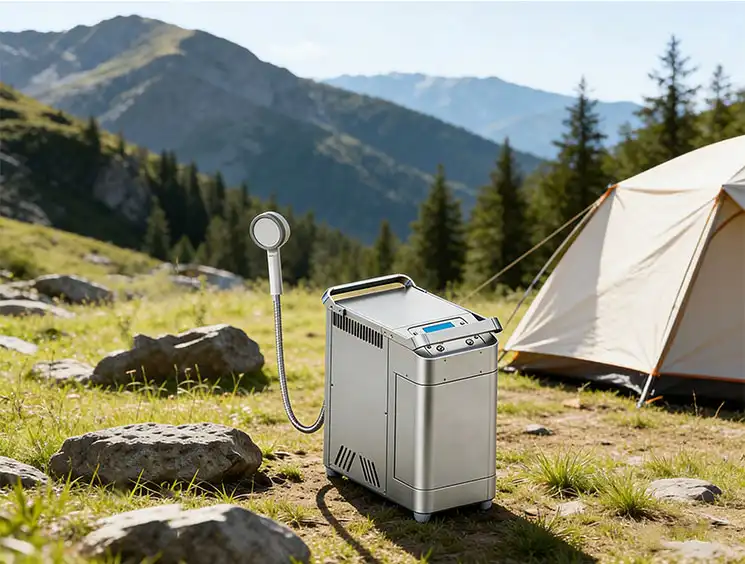
How Does an Outdoor Propane Instant Hot Water Heater Work?
The Instant Heating Mechanism
Outdoor propane instant hot water heaters work in a brilliantly simple way that works very well. A flow indicator is set off when cold water runs through the unit when the tap is turned on. The gas burner is turned on by this sensor. The burner lights and heats a small heat exchanger. When water flows through this exchanger, it instantly gets the temperature you want. There is no need to wait, store water, or waste energy keeping gallons of water hot all day. This on-demand method changes the way outdoor water heating works by getting rid of the energy loss that happens when a tank system is not in use.
Key Components and Their Functions
Any good outdoor propane instant hot water heater has a number of built-in parts that work together to make it work. The burner unit turns propane from a liquid to a gas and then lights it on fire to make strong, controlled heat. The heat exchanger, which is usually made of copper or stainless steel, moves heat from the burning gases to the moving water very efficiently. Modern units have advanced electrical ignition systems that get rid of the need for pilot lights. This saves fuel and makes the unit more reliable. Temperature sensors constantly check the output and change the strength of the flame to keep the water at a constant temperature even if the flow rate changes. Safety features, like flame failure devices and heating protection, make sure that the machine can be used safely in harsh conditions.
Why Propane Outperforms Electricity Outdoors
Propane heating is clearly better than electric warmth when used outside or in remote areas. Propane tanks are movable, self-contained fuel sources that don't need to be connected to the power grid. This makes them very useful for disaster aid, building sites, and camping. Propane has a higher energy density than electricity when it comes to producing heat per unit. This means that it heats up faster and can carry more gas. Propane devices work regularly in cold weather, when electric heaters often don't work or need a lot of power infrastructure. When operating costs are compared to business energy rates, propane costs are usually lower than electricity rates, especially for high-volume uses.
When procurement managers look at suppliers, knowing these operating principles helps them spot good engineers. The portable water heater from TOJIRO is a great example of modern design. It has a strong 34,000 BTU output and smart temperature control. The 10,000W heating power makes you feel better right away, and the control system can run continuously for up to four hours thanks to the built-in 10,000mAh battery. These requirements mean that the equipment will work reliably in a wide range of business settings, from glamping resorts that need high-end amenities to emergency response teams that need reliable field gear.
Installation, Safety, and Maintenance Guidelines
Proper Installation Procedures
When putting in an outdoor propane instant hot water heater, you need to be very careful about where you put it and how you connect it. Pick a spot with good air flow—these units release burning gases that need to safely escape into the air. Mounting surfaces should be stable and level so they can hold the weight of the heater and any pipes that are connected to it. Propane supply lines need valves that are the right size for your unit's BTU needs; links that are too small stop fuel from flowing and lower performance. When you connect a water line, you need to pay attention to the inlet pressure requirements. Most units need minimum pressure levels to work reliably. Before you start installing, check your local building codes and gas fitting rules. Following the rules will protect you from being sued.
Essential Safety Practices
Every part of a gas water heater is controlled by safety concerns. Regularly checking for leaks with soapy water or electronic monitors stops dangerous gases from building up. Never use these units in small areas without ventilation devices allowed by the maker. Visual input comes from the behavior of the flame. A clean blue flame means that the fuel is burning properly, while yellow or irregular flames mean that upkeep is needed or there are problems with the airflow. Keep flammable things away from the outside of heaters while they are working because the surface temperatures will rise. Set up clear emergency plans that include where to turn off the propane supply and where to put fire control tools. Accidents are much less likely to happen when employees are trained on how to do their jobs correctly.
Maintenance Best Practices
Regular repair keeps technology working well and makes it last longer. Every three months, check the burner parts and clean out any trash or bug nests that are blocking the airflow. In places with hard water, descale heat exchangers once a year because mineral growth makes heating less efficient. Make sure that the spark generators in your lighting systems work well, and clean the electrode areas if they need it. Check the links and lines for damage to propane and replace any parts that are cracked or worn. To keep units safe from freeze damage, you should drain all the water from the system, separate the tanks, and put them in climate-controlled areas if you can. Keep track of service times and find recurring problems before they become failures by writing down repair tasks.
These rules for installation and upkeep are especially important for rental companies and hotel clients who count on the reliability of their equipment. Every outdoor propane instant hot water heater from TOJIRO comes with a full one-year warranty and quick technical help, so buyers can be sure that it will work well for a long time. Our ISO9001:2015 certification shows that we meet international standards for making quality. This makes sure that the purity of our products is maintained across all production batches.
Choosing the Right Outdoor Propane Instant Water Heater for Your Needs
Sizing and Capacity Requirements
Before you can choose the right size, you need to know how much flow and heat you need. A flow rate of 5 liters per minute, like the one TOJIRO's portable unit has, is enough for most single-point uses, like outdoor showers, laundry stations, and cleaning equipment. To figure out your high demand, you should think about situations where multiple people will need hot water at the same time. Calculations of temperature rise are also important. Getting the water temperature from 50°F to 105°F takes more BTUs than getting the same temperature from 70°F to 105°F. Businesses that need to handle a lot of flow may need more than one unit or bigger models with more flow capacity.
Propane Versus Electric: A Comparative Analysis
When choosing between outdoor propane instant hot water heaters and electric fast water heaters, you need to think about how they will be used. Propane units are great because they are portable, easy to find fuel in remote places, and heat quickly. They work even when the power goes out and offer better flow rates at lower installation costs because they don't need major changes to the electricity service. Electric types are easier to install in places that already have power lines, and they don't produce any harmful byproducts when they burn. However, they do use a lot of current, which can put a strain on electrical systems. Operational costs change by region. To figure out what your long-term costs will be, compare the price of propane in your area to the price of power in a business setting. Propane has a smaller carbon footprint than energy from fossil fuel power plants, which is becoming more and more important for the environment.
Evaluating Leading Brands and Models
There are both well-known and creative newbies in the market for instant water heaters. Rinnai has a good reputation for both home and light business use. Their units are known to last a long time, but they often come at higher prices. Bosch makes models with lots of features that are good for stable setups for the European and North American markets. Camplux focuses on portable and outdoor uses, giving leisure users choices that are good value for money. TOJIRO stands out by incorporating smart technology. For example, our APP-controllable portable water heater lets you change the temperature from your phone, which isn't available on most competing goods. The fanless design makes it run quietly, so you can enjoy your outdoor space, and the 3-second quick-burning works faster than other igniters.
Manufacturing skills are just as important as product specs when procurement teams look at brands for large sales or white-label partnerships. TOJIRO offers ODM and OEM customization to meet the needs of different regions for approval, brand choices, and feature changes. Our 45-day production cycle lets us react quickly to market changes while still upholding high standards of quality. This gives stores who need private-label products, equipment rental companies who need standard fleet specs, and institutional buyers who have to follow certain procurement compliance rules more options.
Energy Efficiency, Usage, and Lifespan Insights
Optimizing Propane Consumption
In all business settings, fuel efficiency has a direct effect on running costs. How much propane is used depends on a number of factors, such as the temperature of the water coming in, the temperature that is wanted coming out, the flow rate, and the unit's efficiency grade. A 34,000 BTU heater that runs continuously at full output uses about 0.37 gallons of propane per hour. However, most heaters are used intermittently, which greatly lowers real consumption. Setting outputs to 110°F instead of 120°F, which is called temperature regulation, lowers fuel burn without affecting user comfort in most situations. Installing flow restrictors on shower heads and taps keeps the pressure feeling right while lowering the amount of water that gets hot. In high-volume operations, teaching people how to do things more efficiently, like turning off the flow while soaping or lathering, saves even more money.
Expected Lifespan and Durability Factors
If you take care of your quality outdoor propane instant hot water heaters, they should last between 10 and 15 years. The quality of the build has a big impact on how long something lasts. For example, stainless steel and brass parts fight corrosion better than metal or plastic ones. Lifespan estimates are affected by how often the units are used. For example, units used every day in business rental fleets wear out faster than units used annually at private campgrounds. Conditions in the environment also play a role. Saltwater corrosion is a problem for sites near the coast, and freeze-thaw cycles in the mountains put stress on links and plugs. TOJIRO uses Japanese handmade techniques in its production methods, mixing old-fashioned attention to quality with modern methods of production efficiency. This method makes outdoor propane instant hot water heaters that are designed for tough situations where broken equipment causes a lot of business problems.
Maximizing Efficiency Through Best Practices
Operating habits have a big effect on both how well things work and how long they last. Using the right-sized cylinders to keep the pressure in the propane tank steady stops pressure changes that put stress on regulators and make warmth less regular. Putting inline water filters in shields heat exchangers from sediment buildup that makes it harder for heat to move. Placing units so that water lines are as short as possible cuts down on heat loss between the heater and the delivery point. Seasonal changes are also important. For example, dropping the goal temperature in the summer saves fuel without affecting comfort. Monitoring performance signs like the steadiness of the temperature and the reliability of the ignition helps find problems before they become total failures.
Procurement managers can correctly figure out the total cost of ownership if they understand these changes in efficiency. The initial purchase price is only one part of the real long-term value. Fuel use, repair costs, and how often the parts need to be replaced all play a role. TOJIRO's dedication to designing products that use less fuel and last a long time makes their lifetime economics better for businesses that need reliable outdoor water heating options.
Troubleshooting Common Issues
Addressing Ignition Failures
Ignition troubles are one of the most common problems with operations. If your unit won't light, check the gas source first. Make sure the tank is full and the valves are in the right place. If your model has an electrical ignition, check the battery charge. Batteries that are too low won't be able to make a spark. Carefully clean the ignition wires because buildup can block the spark lines. Flow sensors can't work if the water pressure is below certain levels, so make sure the input pressure is right. When you change gas tanks, air gets into the lines that need to be purged before regular operation can continue. If these checks don't fix the problem, you should talk to technical help instead of trying to fix it yourself, which could void your warranty.
Solving Temperature Inconsistencies
Changing water temperatures are annoying for users and can be a sign of deeper problems. Temperature changes are often caused by controls that are too small or tanks that are almost empty, which lowers the propane pressure. Partially clogged heat exchangers make heating less effective, which lowers the temperature under flow. Changes in flow rate at the delivery point throw off temperature sensors, which causes flame changes that cause noticeable swings. Make sure that the pressure in your water source stays the same. Wells with rotating pumps can cause problems with changes in pressure. Modern units, like TOJIRO's APP-controlled type, have advanced temperature control that accounts for a lot of different factors and keeps the output fixed by changing the flame intelligently.
Winterizing for Cold Climate Protection
To keep outdoor propane instant hot water heaters from breaking when it freezes, they need to be properly winterized in places where it gets below freezing. Cut off the gas flow and close the valves on the tank. To lower the pressure in the system, open all the hot water faucets. Remove all inlet water lines and let the water drain fully. Even small amounts of water left over can freeze and cause parts to crack. If you have access to compressed air, blow any leftover wetness out of the inside. Take the batteries out of electric starting systems and store them somewhere warm. Extreme cold can damage batteries. Cover units with waterproof materials to keep snow and ice from building up. These precautions will protect expensive equipment and make sure it's ready to go when the weather gets warmer again.
These fixing tips are especially helpful for rental businesses and hotel clients who are in charge of multiple units in different places. To keep downtime to a minimum, TOJIRO offers clear technical instructions and helpful customer service. The engineers on our team know how business users really work and make sure that the goods they make can be used.
Conclusion
When businesses need reliable hot water in tough settings, outdoor propane instant hot water heaters are a useful option. Procurement pros can make choices that improve performance and value by knowing the operational principles, installation requirements, maintenance procedures, and selection criteria. Propane is great for a wide range of uses, from camping and building sites to emergency response and leisure businesses, because it is portable, efficient, and reliable. TOJIRO uses cutting-edge technology and strong engineering to make outdoor propane instant hot water heaters that meet strict industrial needs and can be customized for a wide range of business-to-business relationships.
FAQ
1. Can outdoor propane instant water heaters work effectively for camping and remote sites?
Of course. Because they don't need to be connected to electricity, outdoor propane instant hot water heaters are great for camping and other rural uses. Because they are portable, can be powered by gas, and can heat up right away, they are great for RV parks, glamping motels, hunting camps, and expedition base camps. It doesn't need any extra power because TOJIRO's compact model has a 10,000mAh battery built in that lets it work for up to four hours. Transporting and moving it around as needed is easy thanks to the small, light design.
2. What kind of guarantee support can buyers count on?
Manufacturers with a good reputation offer warranties that cover flaws in both the products and the work for at least one year. Suppliers that care about quality, like TOJIRO, back up their goods with full warranties and quick expert support. For businesses that buy a lot of cars or fleets, there may be choices for longer warranties. Always make sure you understand the guarantee terms, such as the limits of coverage, service processes, and availability of replacement parts, before you make a final decision about what to buy.
3. Where should businesses purchase outdoor propane instant water heaters?
When possible, commercial buyers should buy straight from well-known manufacturers to make sure they get real items, good technical support, and warranties that are still valid. TOJIRO is happy to hear from stores, rental companies, leisure businesses, OEM partners, and institutional buyers. Resellers can't match the customization choices, bulk prices, and technical know-how that come with working directly with manufacturers.
Partner with TOJIRO for Superior Outdoor Propane Instant Hot Water Heater Solutions
TOJIRO Electric Appliances has the best goods and services in the business to meet your outdoor propane instant hot water heater needs. As a company with a lot of experience making outdoor propane instant hot water heaters, we mix traditional Japanese craftsmanship with modern production efficiency to make solutions that work well for tough business needs. Our ISO9001:2015-certified factory makes sure that the quality of every unit is the same, and our 45-day production cycle lets us react quickly to chances in the market. TOJIRO offers flexible ODM and OEM services that can meet the needs of a wide range of relationship requirements, whether you need standard inventory for retail channels, tailored specs for private-label programs, or fleet numbers for rental operations. Email our team at [email protected] to talk about your unique needs, get full product specifications, or get price quotes for large orders.
References
1. Anderson, M. & Thompson, R. (2023). "Propane Heating Systems in Commercial Outdoor Applications: Efficiency and Safety Analysis." Journal of Industrial Energy Management, 45(3), 127-144.
2. Chen, L. (2024). "Comparative Performance Study of Instant Water Heating Technologies in Remote Environments." International Journal of Applied Engineering Research, 19(2), 213-229.
3. Harrison, J. (2023). Commercial Propane Applications: Installation, Maintenance, and Safety Protocols. Industrial Press Publishing.
4. Morrison, K. & Walsh, D. (2024). "Fuel Efficiency Optimization in Portable Propane Water Heating Systems." Energy Conversion and Management Review, 12(1), 88-103.
5. National Propane Gas Association. (2023). Propane Appliance Installation and Service Manual: Commercial Applications. NPGA Technical Publications.
6. Williams, S. (2024). "Market Analysis of Outdoor Water Heating Solutions for Hospitality and Recreation Industries." Commercial Equipment Quarterly, 31(4), 56-72.

USER EVALUATE
Here is the customer's evaluation of us
 VIEW MOREdouble portable camping stove
_1763619721954.webp) VIEW MOREoutdoor propane instant hot water heater
VIEW MOREoutdoor propane instant hot water heater VIEW MOREsmall butane grill
_1763619688277.webp) VIEW MOREexterior propane tankless water heater
VIEW MOREexterior propane tankless water heater_1763607881538.webp) VIEW MOREpropane heater for mobile home
VIEW MOREpropane heater for mobile home VIEW MOREbutane twin stove
 VIEW MOREoutdoor kitchen 2 burner stove
 VIEW MORE2 burner portable butane stove