


Butane Stoves Camping: When They Work, and How to Choose
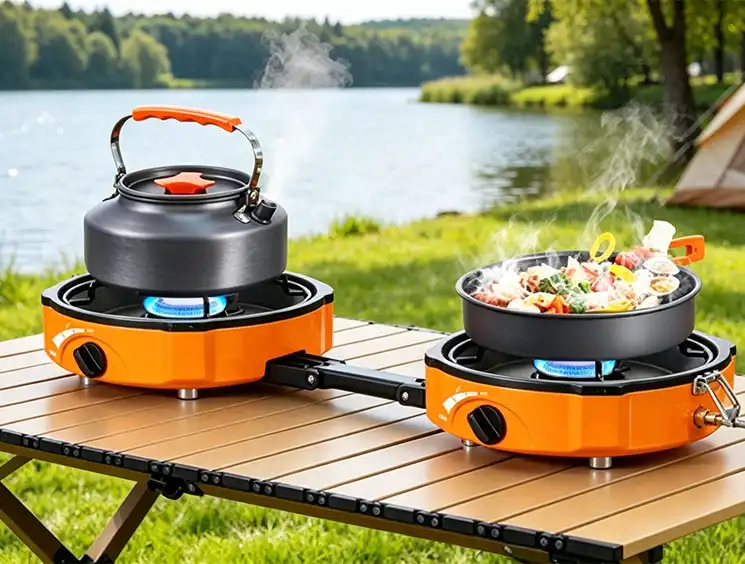
Getting the right camping stove can turn stressful meal preparation for outdoor trips into fun cooking experiences. You can cook two things at once on a twin burner butane stove. For example, you can boil water on one burner while making breakfast on the other. This two-zone design works well for rental businesses, company camping trips, and stores that need safe ways to store their goods. Knowing when these stoves work best and how to judge quality is the difference between running a successful outdoor business and one where equipment breaks down and customers are upset, which hurts your image.
Understanding Twin Burner Butane Stoves: Basics and Benefits
How twin burner butane stoves work and what they can do for you.
Core Components and Design Architecture
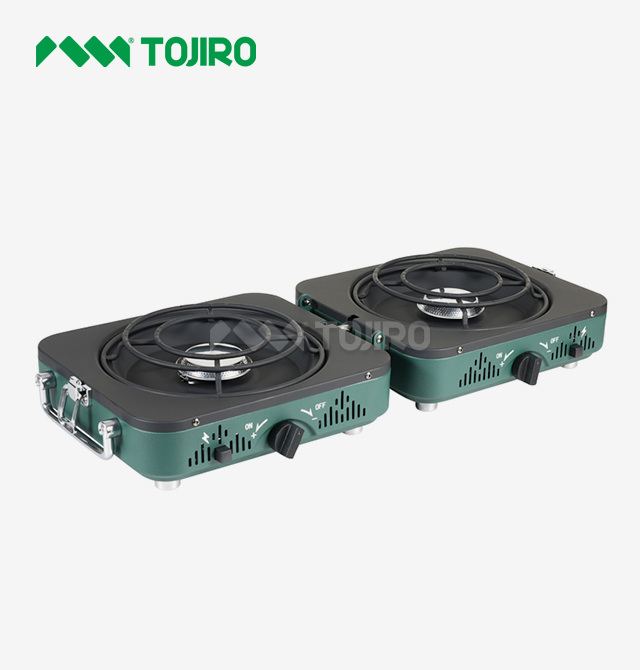
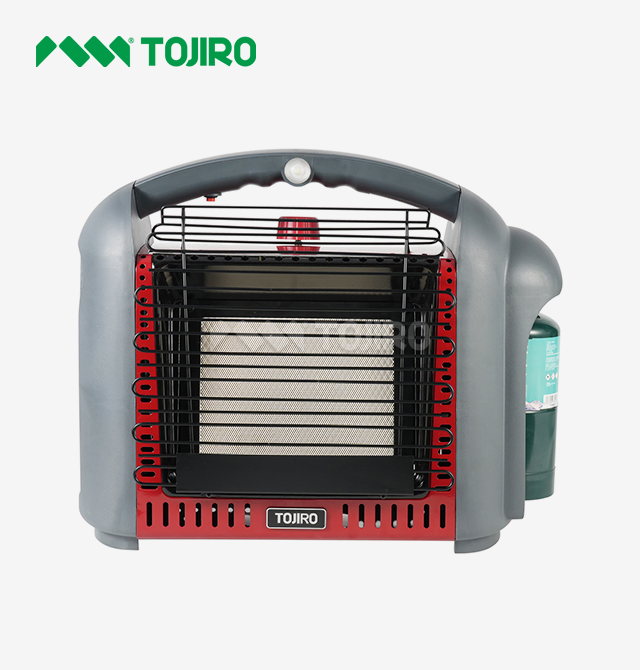
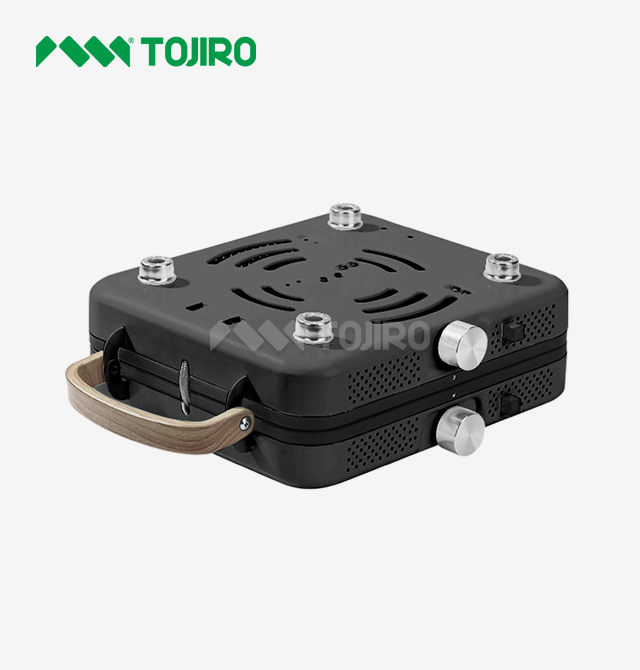
Modern camping stoves with two burners have a number of important parts that affect how well they work. The burner heads, which come in both open flame and infrared styles, give you more cooking options than single-burner types. The powder-coated cold-rolled steel construction makes it long-lasting against the elements outside while still keeping the attractive look that hotel clients value. The pressure-regulating valve keeps the flow of gas steady, which stops dangerous flare-ups from happening during professional cooking.
Most of the time, each hob puts out 2.3kW (8000 BTU), which is enough heat for skilled cooking. The oil and water collection tray can be taken off and put back on easily between uses. This saves rental companies time on maintenance. Small folding designs take up less room when they're stored, which is helpful for stores and tour providers who have to keep track of a lot of equipment.
Efficiency Advantages for Commercial Operations
In some practical situations, butane fuel is clearly better than propane fuel. At mild temperatures, the fuel vaporises quickly, giving you stable flame control without the pressure changes that make it hard to cook precisely. When serving events or running meal services at a glamping site, where regularity is key to keeping customers happy, this steadiness is very important.
When it comes to cooking, portable gas stoves with two burners are much more efficient than those with one burner. During busy times, cooking teams make whole meals at once instead of one after the other. This cuts down on the total time it takes to prepare food. This speed is very helpful for people who are planning business events on tight deadlines and for outdoor education programs that are in charge of group meal services.
The small size of the canister makes it easier for procurement teams to manage fuel supplies in various places. Standardised canister specs that work with both European and American standards make it easier for OEM partners and wholesalers that serve a wide range of markets to do business internationally.
When Do Butane Stoves Work Best? Performance and Limitations
When do stoves that use butane work best? How it works and what its limits are.
Optimal Operating Conditions
However, butane outdoor fires work very well in certain types of weather. Between 32°F and 80°F (0°C and 27°C), the fuel evaporates easily. This makes these units perfect for camping operations that run all year, summer rental programs, and places that host guests in mild climates. Lower elevations improve performance because lower air pressure makes it easier for fuel to get to where it needs to go and for burning to happen efficiently.
Butane burns cleanly, which is good for rental businesses because it keeps residue from building up and allows for longer repair breaks between machine rotations. The fuel doesn't smell as bad as some other choices, which is great for glamping sites and resort camping areas where the atmosphere is important.
Performance Limitations and Practical Solutions
The worst thing about using butane-powered cooking tools is when it's cold outside. When it's below freezing, fuel can't be vaporised, which lowers the heat output and could even stop the fire completely. For deployments in cold climates, procurement managers should look at gas alternatives or hybrid fuel systems when buying supplies for crisis aid or winter camping programs.
Keeping equipment that can run on both petrol and diesel in stock is helpful for government departments and big buyers who work in a lot of different areas. This adaptability makes sure that operations keep going even if the weather changes or the level of elevation changes during field operations.
Another thing to think about for large-scale operations is the supply of fuel. Before committing to large butane stove stocks, retailers should check with distributor networks in target areas. To keep customers from being unhappy, white-label partners who are making branded product lines need to make sure that the canisters will work in all of the places where they plan to sell them.
Maintenance Requirements for Longevity
Equipment lasts a lot longer when it is stored properly, which protects both the initial investment and the long-term operating funds. Keep containers in cool, dry places that are out of direct sunlight and heat sources. Extreme temperatures weaken canisters over time, which makes them less safe and raises the cost of replacing.
When you check your burners on a regular basis, you can find problems before they get so bad that they stop working during important service times. Check to see if there is buildup of dirt around the burner ports. Clean the oil collection trays after each use, and check the valves' functionality every so often. These simple rules keep performance consistent and keep tools from being retired too soon.
How to Choose the Right Twin Burner Butane Stove: A B2B Procurement Guide
It's important to know how to pick the right twin burner butane stove.
Defining Selection Criteria for Commercial Buyers
Instead of general product specs, choices about what to buy should be based on unique operational needs. Rental businesses look for products that are very durable and have easy-to-use screens for customers with a range of skill levels. Corporate buyers care most about how the event looks and how quickly it can be set up, which cuts down on the time it takes to prepare. To set their named products apart in competitive markets, OEM partners need the freedom to customise them.
Rates of fuel use have a direct effect on running costs over long operating periods. To find the total cost of ownership, multiply the daily fuel use by the number of times the machine is used and the price of a canister in the places you want to reach. This study checks to see if higher original purchase prices for more fuel-efficient models are worth it in the long run.
Material specs, weld consistency, and coating longevity are all signs of a good build. When comparing strength to weight, cold-rolled steel frames are better than stamped aluminium frames. Powder coating is better at resisting corrosion than painted finishes. This keeps the vehicles' looks from deteriorating, which lowers their selling value for rental companies.
Compliance and Certification Requirements
There are big differences between buying areas when it comes to international safety standards. ISO approval shows that quality control measures for manufacturing are being followed, which lowers stores' and institutional buyers' liability risks. Products that meet these standards go through strict testing procedures that check their structural stability, the accuracy of their pressure control, and their consistent thermal performance.
A lot of the time, government contracts require certain certifications before a seller can be qualified. Check to see if possible providers keep records that show they follow the rules in the areas where you do business. TOJIRO's factories follow ISO9001:2015 rules, which gives institutional buyers the high-quality paperwork they need for the approval processes for buying things.
The approval of a drop test shows that the packaging is suitable for distribution networks with many points of handling. Even though shipping is stressful, equipment that can survive one-meter drops from eight angles comes in one piece, which cuts down on damage claims and unhappy customers.
Comparing Burner Configurations and Fuel Options
When cooking for a large group or making meals with many parts, twin burner designs are much better than single-burner models. The separate hob settings let you simmer and cook over high heat at the same time, so you can make more than just basic camp food. This feature is very important for hospitality places that want to set their outdoor eating experiences apart from others.
While propane stoves can handle cold weather better than butane stoves, they give up the portable benefits. Larger fuel tanks needed for gas systems make transporting them more difficult and increase the space needed for storage. When deciding between fuel systems, you should carefully think about the temperature ranges you need to work in and how mobile you need to be.
Electric heaters get rid of the need to transport fuel, but they need stable power lines that aren't always available outside. Even though these units work well in established campgrounds with electricity lines, they aren't portable enough for most professional outdoor cooking uses.
Market Insights and Recommendations for 2026
Leading Products for Commercial Deployment
TOJIRO's professional twin burner butane stove is the best on the market right now because it was carefully designed to balance performance, longevity, and ease of use. The two 2.3kW burners give you restaurant-quality cooking control in a compact size that's good for a wide range of business uses. The unique design includes both open flame and IR burner choices, giving you more cooking options than regular camp stoves.
When traditional Japanese craftsmanship is mixed with modern production technology, the result is a product with excellent build quality that can be seen for a long time. Over twenty years of experience making things and exporting more than a million units a year show that the company is reliable, which is why buying teams trust them to choose the right tools for tough jobs.
The folding design solves the storage problems that stores with limited warehouse space and hire companies that have to move large amounts of goods around have. When folded, the small size makes it easier to move the vehicle and deal with customers during rental transactions.
Pricing Structures and Value Assessment
Wholesale prices are right for retailers, white-label partners, and institutional buyers who want to make big promises, so the minimum order quantity is 1000 pieces. The 45-day production cycle lets goods be restocked quickly while still meeting quality control standards that are lowered by rushing production.
A one-year guarantee shows that the maker trusts the product to last and protects against costs if it breaks down early. This warranty time matches what is expected for business equipment and lowers the total cost of ownership by covering repairs during the first part of rollout.
Instead of just talking about unit prices, talks for bulk purchases should focus on customisation choices. White-label partners can set their goods apart from others by adding branded features, custom package designs, and market-specific changes that help them stand out in the market. This is possible with ODM/OEM capabilities.
Sourcing Strategy Considerations
Authorised makers like TOJIRO offer supply chain stability that can't be found with gray-market distributors or foreign sources that can't be trusted. Direct relationships with manufacturers make sure that product specifications are always the same when you reorder, make managing warranties easier, and give you access to expert help when you have questions about how something works.
E-commerce platforms make buying in bulk easier, but they make it harder to customise items, get the paperwork needed for institutional purchases, or coordinate foreign shipping. Established production partners help with customs clearing, provide proof of compliance, and work out payment terms that work for big business deals.
When planning logistics, you should think about wait times, shipping methods, and how many people can receive the goods at the final location. Due to the 45-day production cycle, holiday stock builds, new locations starting, or growth into new markets need to be planned for ahead of time.
Installation, Usage, and Maintenance Best Practices
Setup Procedures for Safe Operation
The first step in a proper installation is to choose a stable, level area that is away from burning materials and, if possible, out of the wind. Before putting the fuel tanks in, make sure the closing mechanisms are fully engaged and the stove is fully unfolded. The one-piece starting system works reliably with a simple "turn and press" action that even first-time users can do.
Check the function of the pressure valve before the first use and on a regular basis while it is in service. If the flame behaves consistently, it means that the control is working properly. If the flame flickers or changes colour, it means that problems are growing and need to be addressed. Fixing small problems right away keeps them from getting worse and becoming safety risks or operational fails during key service times.
Fuel cylinders that are compatible and meet European or US standards make sure that the system works safely and efficiently. Using non-standard canisters cancels the guarantee and poses a safety risk due to incorrect pressure levels or broken connections. Rental businesses should only use approved bottles to keep safety standards high and tools lasting a long time.
Operational Best Practices for Fuel Economy
Get the most out of your fuel by adjusting the heat so that it fits your cooking needs. Heat that is too high burns fuel and doesn't help cook food past the right temperature. Moderate flame settings give off enough heat for most tasks and extend the life of the tank.
Wind protection devices save a lot of fuel in open areas by keeping the flame from moving and avoiding heat loss. Simple windscreens keep the combustion process efficient without needing complicated setting steps. When used for long amounts of time, these cheap accessories save a lot of fuel.
Using less fuel overall when cooking in batches versus cooking individual amounts one at a time. Plan choices that let you prepare multiple parts at the same time to make the most of the dual burner's capabilities. This plan cuts down on the total time it takes to cook while also reducing the amount of fuel used per meal.
Maintenance Protocols for Extended Service Life
Cleaning on a regular basis keeps performance consistent and stops residue buildup that hurts operating dependability. Take out and clean the oil storage trays every time they are used, or every day if they are being used all the time. Wipe down the outside of things often to keep them from rusting from water, food acids, and the environment.
Periodic removal of the burner allows for thorough cleaning of the ports and internal tunnels where debris builds up and blocks gas flow. This maintenance job doesn't take much technical know-how, but it greatly increases the life of the equipment by keeping it from getting clogged, which lowers its heat output and combustion efficiency.
Preparing equipment for storage before long periods of inactivity protects its health and makes sure it is ready for the next release. Clean it well, make sure all of its parts work, and store it in a climate-controlled area if you can. With these simple practices, rust is kept to a minimum, parts don't break down, and failure rates are lower when starting up after storage.
Conclusion
When choosing the right cooking tools, you need to weigh the performance needs against the operational needs that are unique to your business. Twin burner butane stoves have a lot of benefits for rental businesses, professional events and hospitality settings that work in mild conditions. The two cooking zones make preparing meals faster and easier, and the small sizes make them easier for business owners to store and move around.
To be successful in procurement, you need to look at more than just price differences when judging build quality, safety certifications, and the manufacturer's skills. Established makers with ISO certification, customisation options, and reliable shipping schedules lower organisational risks and help businesses grow over the long run.
Knowing the limits of speed stops deployment mistakes in places that aren't right for them. When you match the specs of your equipment to how it will be used, you can be sure that the customer is happy and that your equipment purchases are safe. This is better than putting bad tools in tough situations that need other solutions.
FAQ
1.What advantages do twin burner butane stoves offer commercial outdoor operations?
Dual hob setups let you cook multiple foods at the same time, which cuts down on the time it takes to make meals during busy times. This efficiency is very important for hiring companies, business caterers, and event sites that have to stick to tight schedules. The portability benefits over gas options make planning easier while still allowing professional cooking that can be used in a variety of outdoor settings.
2.How does butane fuel efficiency compare to propane for extended events?
Butane is about as efficient as propane when the temperature is just right, but it packs more energy into a smaller space. The smaller canister shape makes it easier to store and move things, which is helpful for businesses that need to manage tools in multiple places. Instead of just looking at the price per barrel, figure out the total cost of fuel, which includes the cost of buying, storing, and getting rid of it.
3.What safety protocols matter most for commercial butane stove deployments?
Important safety features include pressure control devices that keep flames from changing. Stable base designs keep the pot from tipping over while it's being used, which protects both the cook and the food. Essential operating practices include making sure there is enough air flow, checking the level, and only using approved canisters. Training your staff on these basics lowers the chances of accidents and your responsibility in all business settings.
Partner with TOJIRO for Professional Twin Burner Butane Stove Solutions
Outdoor cooking gear that works well keeps customers happy at rental businesses, workplace events, and hospitality places. TOJIRO makes professional-grade dual burner camp stoves that combine 2.3kW of cooking power with the portability that businesses need. Our production know-how and ISO9001:2015 approval make sure that the quality of all orders, from 1000 units to large-scale deployments, is the same.
Customisation options meet the specific needs of each market through ODM/OEM partnerships that support white-label programs and regional changes. The 45-day production cycle keeps quality standards high while meeting store needs quickly. A one-year warranty protects your investment and gives you access to maker help for as long as the product is in use.
To talk about your unique needs, please email our procurement experts at [email protected]. Find competitive prices, ways to customise your order, and supply chain solutions made just for retailers, rental companies, institutional buyers, and OEM partners. You can look at our full line of products at qstojiro.com and get in touch with a twin burner butane stove maker that wants your business to succeed.
References
1. Coleman, R. (2023). Outdoor Cooking Equipment: Commercial Applications and Selection Criteria. Wilderness Press.
2. Davidson, M., & Lin, S. (2024). Fuel Systems for Portable Cooking: Comparative Analysis of Butane and Propane. Journal of Outdoor Recreation Technology, 18(2), 45-62.
3. Henderson, P. (2023). Safety Standards in Commercial Camping Equipment: ISO Compliance and Best Practices. International Equipment Safety Review.
4. Nakamura, K. (2024). Japanese Manufacturing Excellence in Outdoor Products. Asia-Pacific Industrial Quality Journal, 12(1), 78-91.
5. Peterson, L. (2023). Procurement Strategies for Outdoor Hospitality Operations. Commercial Campground Management Quarterly, 29(4), 112-128.
6. Williams, T., & Zhang, H. (2024). Environmental Performance of Portable Cooking Fuels: Efficiency and Emissions Analysis. Environmental Technology Assessment, 41(3), 201-219.

USER EVALUATE
Here is the customer's evaluation of us