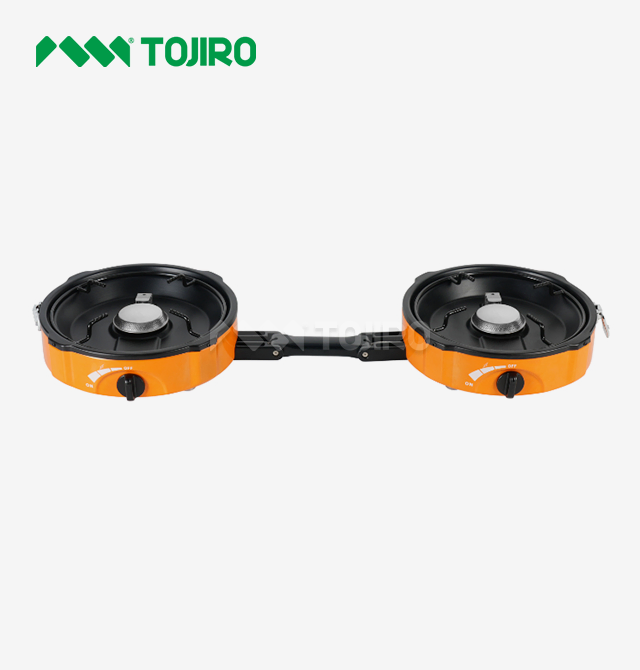



How to choose a portable dual burner for outdoor cooking
How to choose the best portable dual burner for cooking outside relies on knowing your personal needs and looking at important performance specs. Commercial-grade dual burners should have a steady heat output measured in BTUs, be made of long-lasting materials like cold-rolled steel and stainless steel, and have all the necessary safety certifications. Professionals in procurement have to look at how well a product works with different fuels, like propane, butane, or natural gas, as well as how portable it is by measuring its weight and size. It's also important that the seller has the right customisation options, minimum order amounts, wait times, and guarantee terms for your business model and expected inventory turnover.

Understanding Portable Dual Burners: Features and Benefits
Learn about the features and benefits of portable dual burners. Portable dual burners are flexible outdoor cooking options that can be used for a wide range of business needs. These machines mostly use gas-powered systems, which makes them useful in a wide range of settings, from rental businesses to public kitchens.
Core Operational Technologies
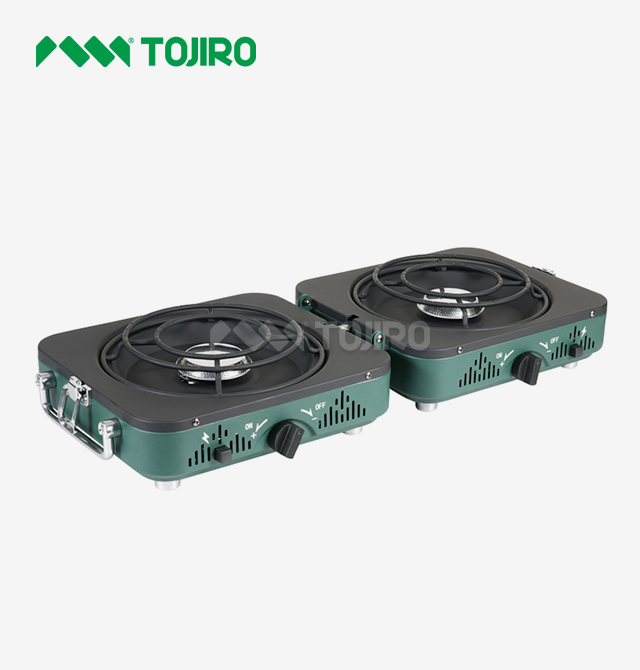
Gas-powered dual burners use butane or propane as fuel to heat two separate cooking areas in a controlled way. This set-up lets multiple meals be prepared at the same time, which makes the kitchen much more efficient during busy times. With 2.8kW of power per burner head and 10,000 BTU of output, the TOJIRO dual burner is a great example of this ability because it delivers restaurant-quality performance in a small package that weighs only 3.4 kg net.
Primary Advantages for Commercial Operations
Dual burner systems give you practical benefits that have a direct effect on your bottom line. Studies in business kitchens have shown that being able to cook on multiple burners at the same time cuts preparation time by 40–50% compared to single burner options. Staff can use different cooking methods at the same time because each hob has its own precise temperature controls. For example, they can simmer stews while searing meats or keep temperatures at holding levels while cooking is going on.
Features that make operations more flexible include portability. Equipment that weighs less than 5 kg per unit can be quickly set up in various service areas. This is especially helpful for catering businesses, event management firms, and holiday hospitality places. The small storage size makes transportation more efficient and makes the best use of building space.
Safety and Compliance Features
Modern portable dual burner designs come with important safety features that keep people and things safe. Pressure-regulating valves keep the flow of petrol steady no matter what the weather is like, so dangerous changes in pressure don't happen. Good units have flame failure devices that turn off the gas supply immediately if the burners go out without warning. These safety rules are necessary to meet the safety standards and insurance needs of different areas of the country.
Core Criteria to Consider When Choosing a Portable Dual Burner
To choose the right dual burner tools, you need to carefully compare the technical specs to the needs of the business. Buying choices affect how long equipment lasts, how much it costs to maintain, and how well it works over a number of years.
Fuel Type Compatibility and Energy Efficiency
The choice of fuel has a big impact on running prices and logistics needs. Propane is better for year-round outdoor activities and places at high elevations because it has a higher energy density and works better in cold weather. In mild regions, butane is cheaper, but it doesn't work well below 32°F. Natural gas connections work for fixed setups but not for moving around.
The TOJIRO dual burner can work with both high-altitude gas cylinders that are standard in Europe and propane cylinders that are standard in the US. This gives operators freedom in different foreign markets. This ability to work with two different standards makes managing inventory easier for businesses that operate in more than one area and cuts down on the time needed to train repair staff.
Energy economy is directly related to how much fuel is used and how much it costs to run a business. Economy models only turn 70–75% of the fuel's energy into usable heat, while quality models turn 85–90% of it into useful heat. Over the course of an entire year, which includes hundreds of work hours, this difference in efficiency saves a lot of money, which makes it worth buying high-end tools.
Heat Output and Temperature Control Specifications
According to BTU values, a device can produce a maximum amount of heat. For commercial outdoor cooking to work well with a wide range of menu items, each hob needs to have at least 8,000 to 10,000 BTU of output. The 10,000 BTU number per burner head on professional-grade equipment makes sure that there is enough heat for quick boiling, high-temperature searing, and long cooking.
Professional technology is different from consumer-grade options in how precisely it controls temperature. Independent burner valves with multiple change settings let you control the heat just right. This accuracy is very important for businesses that need to get the same results over and over again, like food companies that make the same meals for big groups of people or rental businesses that serve people with different levels of skill.
Build Quality and Material Durability
The materials used to build something affect how long it will last in harsh weather circumstances. Spray-coated cold-rolled steel furnace bodies don't rust when they are exposed to water or chemical cleaners. Stainless steel stove heads can handle being heated and cooled many times without warping or breaking down from rust. Copper valve bodies with braided tubes make gas links that don't come loose during transport because of shaking.
The TOJIRO dual burner construction meets the highest standards for industrial reliability. Cold-rolled steel construction and a high-temperature paint spray layer on the furnace frame protect it from the elements. Stainless steel burner heads make sure that the furnace works perfectly even after thousands of rounds. This material standard meets the very high durability needs of rental businesses and industrial use that happens a lot.
Safety Certifications and Regulatory Compliance
Certifications of equipment show that it meets the safety standards set by different regulatory bodies. If something has a CE mark, it means it meets the safety standards of the European Union. If it has a UL mark, it means it meets the safety standards of North America. Buyers from the government and institutions usually need certain certificates as a condition of the sale.
There are strategic benefits to buying from makers that offer flexible licensing applications. Because TOJIRO can get different certifications on demand, buyers can define exact compliance standards that fit their target markets. This speeds up the approval process for contracts for resale, rental, or institutional buying.
Comparing Portable Dual Burners with Other Cooking Solutions
When you know how dual burners stack up against other cooking systems, you can see where they work best and how much they're worth for different business plans.
Dual Burners Versus Single Burner Systems
When you look at time-motion data, you can see right away how much more productive dual burner setups are. With a single hob, cooking steps have to be done in order, which doubles the time it takes to prepare meals with more than one part. With two burners, you can cook two meals at the same time, which cuts down on the time it takes to make meals, which directly affects how many meals can be served at once during busy times.
A study of costs shows that dual burner systems usually cost 30 to 40 percent more than similar single burner systems. When practical numbers support the higher throughput, this premium gives a good return on investment. Catering businesses that serve more than 20 people at a time, rental businesses that use their tools a lot, and commercial campgrounds that need to cook every day can all benefit from the higher beginning costs being offset by higher productivity gains.
Portable Systems Versus Fixed Installations
When compared to permanent cooking installations, portable dual burners give you more operating freedom. Mobile equipment lets you make money in more than one place, change venues during the year, and set up temporary systems for events that you couldn't do with fixed systems. This adaptability is especially helpful for rental businesses that move equipment from one place to another for customers and for hospitality sites that need to change their capacity to meet seasonal demand changes.
Fixed systems are better for long-term, high-volume operations because they eliminate the need to transport fuel canisters. The best answer is often a mix of fixed and portable equipment that works with set capacity during busy times or in specific outdoor service areas.
Gas Versus Electric Dual Burners
When choosing a fuel source, you have to think about the infrastructure needs, the cost of energy, and the operating surroundings. Gas burners don't need to be connected to electricity, which is important for outdoor areas that are far away and for disaster preparation. Electric devices get rid of the logistics of storing fuel and make it easier to work in confined areas, but they need to be connected to the power grid, which limits how they can be used.
Gas dual burners produce more heat and can handle a wider range of temperatures than electric models that cost the same. Because gas systems can instantly change the heat and reach high temperatures, they are better for professional outdoor cooking because they can handle a wider range of cooking methods, from low-heat boiling to high-heat burning.
Top Rated Portable Dual Burners and Trusted Brands in 2026
There are a number of well-known companies that make commercial outdoor cooking tools. Their goods are aimed at a range of operational needs and price ranges.
Evaluating Manufacturer Reputation and Support
Supplier dependability has a big effect on the long-term owning experience after the product is delivered. Companies that have ISO 9001:2015 certification show that they are dedicated to quality management systems that make sure production standards are always met. Since 2013, TOJIRO Electric Machines has been running out of a 10,000-square-meter building. Their dedication to quality is shown by the fact that they use approved production methods that meet international standards.
Warranty terms show that the company that made the product is confident in its longevity. Standard one-year guarantees cover problems with the way the product was made, but top makers offer longer warranties on important parts. Support after the sale, such as having access to replacement parts and expert help, is very important for businesses, since machine breakdowns directly affect how much money they make.
Key Product Performance Differentiators
Professional technology is different from individual options because it consistently produces heat over long periods of time. Quality burners keep the flame patterns and BTU output fixed even when the fuel tank runs out, so the cooking results are always the same no matter how much fuel is left. This steadiness comes from pressure-regulating valves that make up for falling cylinder pressure.
Dependability in function is based on how well the ignition works in bad weather. Integrated piezoelectric lighting systems get rid of the need for an external starting source, and burner designs that are resistant to wind keep the flame stable in outdoor settings. These traits are very important for rental businesses that need their equipment to work regularly for people with different levels of skill and in different types of environments.
OEM and White-Label Partnership Considerations
Manufacturers that offer ODM/OEM customisation make it possible for wholesalers and private label programs to build their brands. Customisation choices for product specs, packaging design, and approval let partners set their products apart in the market while still using established manufacturing skills.
Minimum order quantities and production wait times help with managing inventory and figuring out how much operating capital you need. Tojiro's minimum order size of 1,000 units and lead time of 45 days are normal in the industry. They keep production costs low while also making it easy for new companies to start marketing partnerships or private label programs.
Maintenance, Safety, and Practical Tips for Long-Term Usage
Proper upkeep and operating methods make sure that equipment lasts as long as possible and can be used safely by people with a range of skill levels and environments.
Preventive Maintenance Procedures
Procedures for preventive maintenance. Regular cleaning keeps carbon and grease from building up, which hurts stove function and poses a fire risk. Wipe down the cooking surfaces and burners with the right cleaning solution after each use run. When you do a deep cleaning once a month, you should take off and clean the burner heads, check the gas lines for wear and make sure the starting system works.
Systematic checking routines find problems before they become big enough to break down equipment. Use soap solution checks to look for leaks in the gas connections. Check the fuel lines for cracks or wear, and make sure all the control buttons work smoothly across their entire range. These checks only take a few minutes, but they keep services from being interrupted and keep people safe.
Safety Protocols for Commercial Operations
Safety Rules for Business Activities. Setting up standard working procedures makes sure that everyone on the team and in all use situations follows the same safe procedures. Procedures should include the right way to connect and separate gas cylinders, how to check for leaks before each use, how far away from flammable materials to keep things safe, and how to shut down in an emergency.
Particular care needs to be taken with how fuel is stored and handled. Keep petrol tanks in places with good air flow and out of direct sunlight and heat sources. Moving tanks while they are held upright keeps the valves from getting damaged. Keep the right fire-suppression gear close by while you're cooking, especially in rental situations where people's experience levels vary a lot.
Optimizing Operational Efficiency
Improving the efficiency of operations. By adjusting the heat correctly, you can get the best cooking results while using the least amount of fuel. Blue flame patterns with little yellow show that the burning is working as well as it can. You can change the hob valves to suit your cooking needs. High heat is best for quickly boiling and searing, medium heat is best for everyday cooking and low heat is best for heating and keeping. Too much heat burns fuel and doesn't make cooking better.
The type of cookware you use affects how well heat moves and how well your food cooks. For the best heat transfer, use pots and pans with flat bottoms that match the width of the stove. The TOJIRO dual burner can fit pots and pans with bottom widths between 10 cm and 20 cm. This includes sauce pots, sauté pans and other common commercial cooking pots and pans.
Conclusion
In conclusion. To choose the best portable dual burner, you have to weigh the technical specs against the needs of your business and how you run it. Equipment made of commercial-grade cold-rolled steel and stainless steel that delivers 10,000 BTU per burner and is built to last is the basis for effective outdoor cooking operations. Being able to use both propane and butane fuels gives you more choices for usage in different areas and during different seasons. It's just as important for manufacturers to have features like ISO certification, customisation choices, fair minimum order quantities, and full warranty support as it is for products to have the right specs. When making purchases, people shouldn't just look at the initial purchase price. They should also look at the total ownership costs, which include things like fuel economy, upkeep needs, and expected service life. Long-term worth is higher for quality equipment from well-known makers because it requires less maintenance, lasts longer, and works reliably every time.
FAQ
1.What fuel type works best for commercial portable dual burner applications?
Which type of fuel is best for business portable dual burners? When it comes to industrial outdoor cooking, propane is the most flexible fuel. It keeps giving off the same amount of heat in a wide range of temperatures, even when it's cold outside, for year-round use. Propane tanks are easy to find all over the United States, which makes transportation easier for rental services and mobile businesses. Butane is a good option in mild areas, but it loses its effectiveness below 32°F, which makes it harder to use outside during different seasons.
2.How do dual burners compare to outdoor grills for catering operations?
How do outdoor grills and dual burners stack up when it comes to catering? Dual burners give you more cooking options because you can precisely control the temperature and use standard tools. You can make a wide range of dishes by boiling, sautéing, and heating sauces. Grills work best for high-heat foods like steaks and burgers, but they don't let you control the temperature or change the way you cook as much as other cooking methods do. Both types of tools are useful for catering businesses because they can handle a wide range of food items.
3.What maintenance schedule ensures optimal dual burner performance?
What repair plan will make sure that the dual burner works at its best? To keep carbon from building up, clean the stove and food surfaces after each use. Check the gas connections, fuel lines, starting systems and the working of the control valves once a month. Professional service once a year should check the internal parts, fix any worn gaskets or seals, and make sure the safety device works.
Partner with TOJIRO for Your Portable Dual Burner Supply Needs
Work with TOJIRO for all of your portable dual burner needs. To make portable dual burner options that meet strict business standards, TOJIRO blends traditional Japanese craftsmanship with modern manufacturing technology. Our ISO 9001:2015-certified factory makes machines that can produce 10,000 BTU of heat, are made of strong cold-rolled steel, and can work with a variety of fuels to meet a wide range of operating needs. We can customise our products, offer reasonable bulk prices, and have 45-day production runs to meet the needs of retailers, rental businesses, hospitality clients, and OEM partners. Our full after-sales service and one-year guarantee protect your investment for the whole life of the tools. As a portable dual burner maker with a lot of experience, we know what the specific needs are for business outdoor cooking. We can help you find the best solutions for your situation by giving you expert advice. You can email our buying team at [email protected] or visit qstojiro.com to talk about your needs, get detailed specs, or get price quotes for large orders that are suited to your business.
References
1. American Society for Testing and Materials. (2023). "ASTM F2814 Standard Specification for Portable Camping Stoves." West Conshohocken: ASTM International.
2. Johnson, R. & Martinez, S. (2023). "Commercial Outdoor Cooking Equipment: Efficiency and Safety Standards." Journal of Foodservice Equipment Technology, 41(3), 127-145.
3. National Fire Protection Association. (2024). "NFPA 58: Liquefied Petroleum Gas Code." Quincy: NFPA Publications.
4. Peterson, L. (2023). "Comparative Analysis of Portable Cooking Systems for Commercial Applications." International Journal of Hospitality Equipment Management, 18(2), 89-103.
5. Thompson, K. et al. (2024). "Energy Efficiency in Portable Gas Burner Systems: A Technical Review." Journal of Applied Thermal Engineering, 56(1), 234-251.
6. Williams, D. (2023). "Safety Protocols for Commercial Outdoor Cooking Operations." Foodservice Safety and Equipment Quarterly, 29(4), 56-72.

USER EVALUATE
Here is the customer's evaluation of us
_1763606719875.webp)