



How Does a Tankless Water Heater Work: Propane Appliances
Propane stoves, especially portable models, have changed the way hot water is delivered outside. When water runs through an exterior propane tankless water heater, propane gas ignites in a heat exchanger. This eliminates the energy loss that comes with holding tanks when they are not in use. When you turn on the tap, cold water flows into the unit. This starts the burning of propane, which quickly heats the water as it flows through copper or stainless steel coils. This on-demand method provides constant hot water without any capacity limits. This makes these systems very useful for businesses, rental properties, and educational settings that can't compromise on dependability and performance.
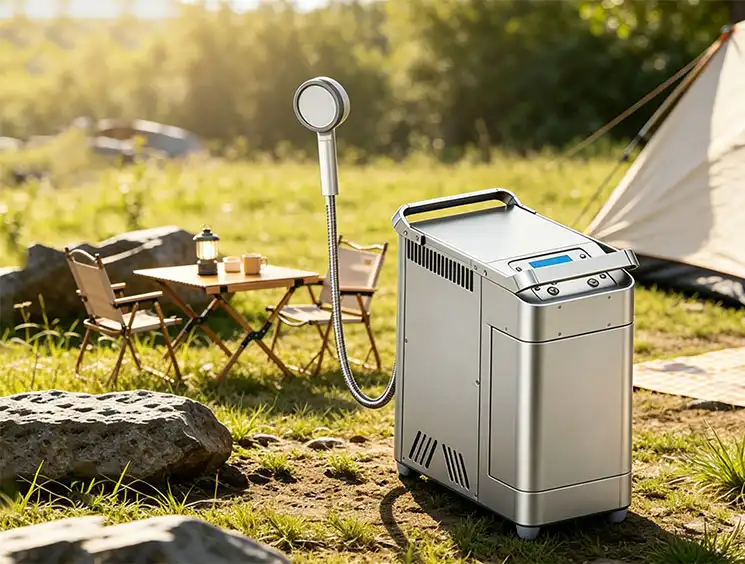
Understanding How Exterior Propane Tankless Water Heaters Work
The Combustion Process Behind Instant Heating
The exact combustion control of gas tankless systems is what makes them work so well. When water starts to flow through the unit, sensors pick up on the movement and light the gas burner instantly. The flame level changes dynamically based on the flow rate and the desired exit temperature. This way, the heating works the same way even if demand changes. This smart modulation makes sure that the water temperature stays fixed whether you're running one shower or several faucets at the same time.
Compared to other fossil fuels, propane burns very cleanly, leaving behind very little carbon that could lower the efficiency of a heat exchanger. In good units, the burning chamber gets hotter than 2,000°F, quickly sending heat to the water moving through the serpentine tubes. Modern heat exchanges make the most of the surface area they touch, which means that the high BTU output of propane—usually around 34,000 BTU for portable models—translates right away into hot water. Because they are so efficient, propane-powered systems are especially useful in places where electricity infrastructure isn't stable or is too expensive to run on a large scale.
Weather-Resistant Design for Outdoor Installation
Installing things outside poses special engineering problems that makers solve with special building methods. Exterior propane tankless water heaters have housings made of corrosion-resistant materials, like marine-grade stainless steel or powder-coated steel, so they can handle rain, snow, humidity, and changes in temperature. Ventilation systems work very differently from indoor models because they use direct outdoor air intake and exhaust configurations that make installation easier and remove worries about indoor air quality.
In colder places, freeze safety devices are very important. More advanced models have electric heating elements built into parts that are sensitive, sensors that turn on protection modes when temperatures get close to freezing, and drainage systems that keep water from building up when the machine is not in use. These features keep the system running smoothly even in hard winters like the ones in the northern states, when regular water heaters often have trouble. The TOJIRO portable water heater is a good example of this method. It has 10,000W of heating power and a 10,000mAh battery backup that keeps it ready to use even when the power goes out. It starts heating water right away and can provide 5 litres per minute of hot water.
Propane Fuel Efficiency and Performance Advantages
Propane has big benefits over other fuels because it has a high energy density. Approximately 91,500 BTUs of potential energy are in one gallon of propane, while only 3,412 BTUs are in one kilowatt-hour of power. This density means that heating processes go faster and costs go down, especially in situations where a lot of hot water needs to be made. Modern tankless systems burn propane more efficiently than 85%, and the best models get scores above 90%. This means that very little energy is wasted while the system is cooking.
The fuel is also reliable when it comes to the supply line. Unlike natural gas, which needs a set pipeline system, propane tanks can be put in place in rural areas, temporary sites, and places that don't have access to utilities. Because they are so portable, propane tankless systems are great for glamping sites, disaster aid operations, campsite showers, and business outdoor events where access to hot water might be limited by infrastructure. Rental companies like this freedom because it lets them move units from one place to another without having to go through a lot of reinstallation steps. This makes the most of the equipment's use and return on investment.
Key Benefits of Exterior Propane Tankless Water Heaters for Commercial and Industrial Use
Continuous Hot Water Without Space Constraints
Businesses need hot water all the time, which is something that standard tank systems can't do effectively without a lot of extra space. A normal 50-gallon tank needs time to recover between uses, which can cause problems during times of high demand. Tankless gas systems get rid of this problem completely, and they can keep making hot water as long as there is fuel and water. Hotels that offer camping trips can use a single high-capacity unit to power multiple showers, and campsite owners can serve dozens of guests at once without any performance issues.
Space economy directly leads to benefits in the workplace. Getting rid of big storage tanks makes space available for activities that bring in money or store important tools. Wall-mounted external units take up very little space but have the same output as multiple tank systems. This makes building facilities easier to plan and cheaper to build. Rental companies like small sizes because they make it easier to move tools from one job site to another. This is because lighter weight and smaller profiles allow more units to fit in a car, which lowers the cost of logistics. Advanced models, like TOJIRO's, have constant temperature control that stops the burning risks that come with tank systems where water temperatures can rise without warning. This makes the users safer and lowers TOJIRO's legal exposure.
Operational Cost Reduction Through Superior Efficiency
In all business settings, fuel economy has a direct effect on the bottom line. Tankless gas systems only use fuel when they are actively heating. This is very different from tank heaters, which use energy all the time to keep the water at a steady temperature. Studies show that this basic difference in how the system works saves money by 30 to 40 percent on fuel compared to regular systems when used in normal business situations. Over the 15 to 20 years that a system is in use, these saves add up to a lot, and in the first few years, they often cover the cost of the equipment itself.
Propane prices staying stable gives buying managers more planning benefits. Electricity rates change based on grid demand and changes in regulations. Propane markets are more stable, which makes it easier to predict long-term operating costs. Businesses can sign deals to buy a lot of propane, which lowers the price per gallon even more. This makes it more economically viable to build infrastructure that runs on propane. These benefits are amplified by the fact that good tankless systems don't need as much upkeep as tank heaters, which can develop sediment buildup, anode rod wear, and tank rust. TOJIRO's manufacturing process is ISO9001:2015-certified, which means that it meets high standards of dependability. These standards keep unplanned repair costs and operating interruptions to a minimum throughout the lifecycle of the product.
Environmental Compliance and Sustainability Benefits
Businesses are being forced by regulations to use technologies with lower emissions more and more. This makes propane tankless systems highly useful beyond their economic value. Propane combustion releases a lot less greenhouse gases per BTU than oil or coal combustion. It also has practical benefits over all-electric systems in places where grid power comes from fossil fuel production. Companies can use this pollution profile to meet their green goals and keep up with changing environmental rules without affecting their ability to do their jobs.
Due to the fact that high-efficiency propane stoves help lower total energy use, some places offer tax breaks, rebates, or faster depreciation plans for them. These programs can help procurement workers lower the cost of buying new tools and show customers and stakeholders that they care about the environment. When compared to options with lower lifespans, tankless systems are better for the environment because their equipment lasts longer. This is because they require less production and disposal. These benefits of sustainability are especially strong for government agencies, schools, and hotel brands, where being environmentally responsible has a direct effect on how people see them and their ability to follow the rules.
Installation and Maintenance Guide for Exterior Propane Tankless Water Heaters
Site Assessment and Proper Sizing
A proper site assessment for exterior propane tankless water heater is essential for correct system sizing and performance. Peak hot water demand is determined by simultaneous usage points, with capacity defined by flow rate (GPM), typically 5–10 GPM or higher for commercial applications. Temperature rise requirements must be calculated based on inlet water conditions. Cold climates require higher BTU capacity and careful placement for ventilation, weather protection, and maintenance access. Propane infrastructure must also be evaluated, including tank sizing, gas line capacity, and compliance with local setback regulations.
Installation Best Practices and Regulatory Compliance
Professional installation ensures safety, efficiency, and regulatory compliance. Local codes govern gas line setup, electrical connections, venting, and combustion air supply, requiring licensed installers and proper permits. Equipment must be securely anchored with vibration damping and weather protection where needed. Water lines require pressure regulation and filtration, while propane systems need certified fittings, approved sealing materials, and leak testing. Electrical work must meet NEC standards with grounding and GFCI protection. TOJIRO’s app-enabled systems also require WiFi verification during installation for reliable remote monitoring and control.
Preventive Maintenance and Winterization Protocols
Preventive maintenance extends equipment lifespan and prevents costly failures. Seasonal inspections should check burners for carbon buildup or flame irregularities, descale heat exchangers to remove mineral deposits, and replace water filters based on usage and water quality. In cold climates, winterization requires draining internal water to prevent freeze damage, with some models offering automatic freeze protection. Before reuse, systems should be flushed, combustion and gas pressure verified, and connections leak-tested. TOJIRO’s simplified maintenance design enables routine servicing without special tools, reducing costs while maintaining reliability for commercial users.
Comparative Insights: Propane vs. Electric and Indoor Tankless Water Heaters
Propane Advantages in Heating Speed and Climate Performance
Propane-fueled systems heat water faster than electric units due to higher energy density and more concentrated heat output, allowing quicker attainment of target temperatures. They maintain stable performance under simultaneous multi-outlet demand and perform better in cold climates, efficiently heating near-freezing inlet water. Propane also offers faster recovery between usage cycles because combustion is instantaneous, unlike slower electric resistance heating. This makes propane systems more reliable for commercial environments with fluctuating demand and peak usage periods.
Electric Systems: Installation Simplicity vs. Operational Limitations
Electric tankless water heaters are easier to install because they require no fuel storage or venting, reducing setup complexity and making them suitable for compact indoor mechanical spaces. However, they demand high electrical capacity (typically 150–200 amp circuits), which can increase infrastructure costs. Operating expenses may also be high under industrial tariff structures with demand charges. Performance can drop
Indoor vs. Exterior Installation Considerations
exterior propane tankless water heater Installation location significantly influences performance, safety, and cost. Indoor systems protect equipment from weather exposure, reduce corrosion risk, and improve freeze protection through ambient heat, while also meeting aesthetic requirements in hospitality and commercial spaces. Exterior installations free indoor space, reduce safety concerns by dispersing exhaust outdoors, and often lower installation costs due to simpler venting and combustion air access. TOJIRO’s portable exterior model is designed for weather resistance, quiet operation without a fan, and includes battery backup for reliability in remote or power-unstable environments.
Total Cost of Ownership Analysis
A full total cost of ownership analysis includes purchase, installation, fuel, maintenance, and long-term usage costs. Propane systems usually have higher upfront costs than electric models, especially due to gas line and exhaust installation, but often achieve payback within 3–5 years through fuel savings. Maintenance costs are generally lower due to durable components and fewer water-sensitive parts. Operating costs depend on local propane prices, demand usage, and bulk purchasing options. Tax incentives and installation credits (10–30%) can further improve economics, making propane systems a strong long-term value for high-demand commercial applications.
How to Choose the Best Exterior Propane Tankless Water Heater in 2026
Critical Performance Specifications and Capacity Matching
Selecting suitable equipment requires matching technical specifications to real-world demand. Heating capacity (BTU) determines output, with commercial systems typically requiring 150,000–200,000 BTU, while portable units like TOJIRO’s 34,000 BTU suit smaller tasks. Flow rate (GPM) defines simultaneous usage, from 5 GPM for 2–3 outlets to 8–10 GPM for larger facilities. Temperature rise capacity affects performance in cold conditions. Smart controls enable remote adjustment, diagnostics, and energy efficiency, while constant temperature technology stabilizes output within 1–2°C. Safety systems such as freeze protection, overheat shutoff, and gas monitoring ensure reliable and compliant operation.
Evaluating Quality, Warranty Coverage, and Manufacturer Support
A manufacturer’s reputation depends on market experience, product reliability, and service capability. Long-established producers typically offer refined designs, stable parts supply, and faster technical support. ISO certifications such as ISO9001:2015 indicate structured quality control throughout production. Strong market presence and output reduce procurement risk compared with unknown suppliers. Warranty terms reflect product confidence, usually covering at least one year for residential use, while commercial terms may vary. Effective service networks, multilingual technical support, clear installation guides, and maintenance training significantly enhance long-term value and operational reliability.
Supplier Evaluation and Procurement Partnership Development
Supplier evaluation should consider not only product specifications but also service quality, logistics reliability, and long-term partnership value. Experienced global suppliers must manage international shipping, customs, and project-aligned delivery schedules. OEM/ODM capabilities support customization and private labeling, while flexible order quantities enable market testing. Key procurement factors include payment terms, quality assurance, and dispute resolution mechanisms. Customer references further validate supplier reliability and performance.
Conclusion
Gas or propane tankless water heaters are tried-and-true technologies that reliably heat water for a wide range of indoor and outdoor uses. These systems are especially useful for rental businesses, hotels, campgrounds, and large buyers who need reliable performance without being limited by space because they can heat up right away, are easy to install externally, and work efficiently. An exterior propane tankless water heater provides a practical solution for outdoor applications by delivering on-demand hot water while saving installation space and improving energy efficiency. When procurement workers understand operational principles, the benefits of one technology compared to others, and selection criteria, they can choose the right tools for each application. As pressures to be more environmentally friendly grow and keeping an eye on running costs stays very important, gas tankless systems offer great value that balances being eco-friendly with being smart with money, setting businesses up for long-term success in competitive markets.
FAQ
1.What is the typical lifespan of commercial propane tankless water heaters?
If you keep up with the maintenance on a good propane tankless unit, it should last between 15 and 20 years of solid service in business settings. Tank heaters usually last between 8 and 12 years before they need to be replaced because of rust in the tank. Since there is no water storage, the main thing that goes wrong with traditional heaters is eliminated, and the heat exchanger is built to last through the heavy use that is typical in industrial settings. Regular upkeep, like descaling, cleaning the burners, and inspecting all the parts once a year, makes the machine last longer and saves money on unplanned shutdown costs.
2.How do I prevent freezing damage during winter months?
Full winterisation keeps tools from getting damaged by the cold. Follow the manufacturer's instructions to drain all the water from the internal tubes. This is usually done by following a set of valve steps and purging with compressed air. Turn off the water source and let the water drain completely. Battery-powered systems, like TOJIRO's type, offer extra safety because they have built-in freeze monitors that turn on protected heating when temperatures inside get close to freezing points. Continuous circulation keeps units running during the winter, which keeps ice from forming. However, full drainage is still recommended during long times of dormancy in subfreezing conditions.
3.Can I install an exterior propane tankless water heater myself?
For most business uses, it's best to have a professional do the work. For gas line connections, you need licensed plumbers or gas fitters who follow the local code. For electrical connections, you need qualified electricians who make sure there is proper grounding and circuit safety. If you do the work yourself, you might break the rules, which could cancel the warranty on the equipment, put you at risk of liability, and put your safety at risk by using the wrong venting or gas connections. Portable units made for short-term use have easier connections that even experienced users can use. However, getting help from trained techs during the initial setup process is the best way to make sure that the unit works properly and follows all safety rules for installing gas appliances.
Partner with TOJIRO for Reliable Exterior Propane Tankless Water Heater Solutions
TOJIRO offers complete hot water systems designed for tough business-to-business uses in North America. Our exterior propane tankless water heater combines traditional Japanese artistry with modern production accuracy. It meets ISO9001:2015 quality standards and has many useful features, such as smartphone control, quick 3-second heating, and a 10,000W performance capacity. Our 45-day production processes, wide range of customisation options to meet OEM/ODM needs, and one-year guarantee protect equipment investments are all good things for procurement managers. Whether you're a rental company looking for long-lasting portable units, a hotel looking for reliable amenities for guests, or an institution looking to buy in bulk from a reputable exterior propane tankless water heater manufacturer, our team can help you find the right solutions for your business. Get in touch with our experts at [email protected] to talk about your unique needs and get cheap quotes backed by helpful technical support. Visit qstojiro.com to see all of our products and learn how TOJIRO's proven dependability can help you improve your business excellence.
References
1. Miller, R.J. (2023). Commercial Water Heating Systems: A Comprehensive Guide to Selection and Installation. McGraw-Hill Professional.
2. American Society of Heating, Refrigerating and Air-Conditioning Engineers. (2022). ASHRAE Handbook—HVAC Systems and Equipment. ASHRAE Publications.
3. National Propane Gas Association. (2023). Propane Applications Guide: Commercial and Industrial Water Heating Solutions. NPGA Technical Publications.
4. Johnson, T.K. & Stevens, M.L. (2024). "Energy Efficiency Analysis of Tankless Water Heating Technologies in Commercial Applications." Journal of Building Engineering, 45(3), 227-241.
5. International Code Council. (2023). International Fuel Gas Code: Requirements for Propane Appliance Installation. ICC Publications.
6. Patterson, D.W. (2022). Outdoor Recreation Facility Design: Infrastructure and Equipment Selection for Campgrounds and RV Parks. Hospitality Press International.

USER EVALUATE
Here is the customer's evaluation of us
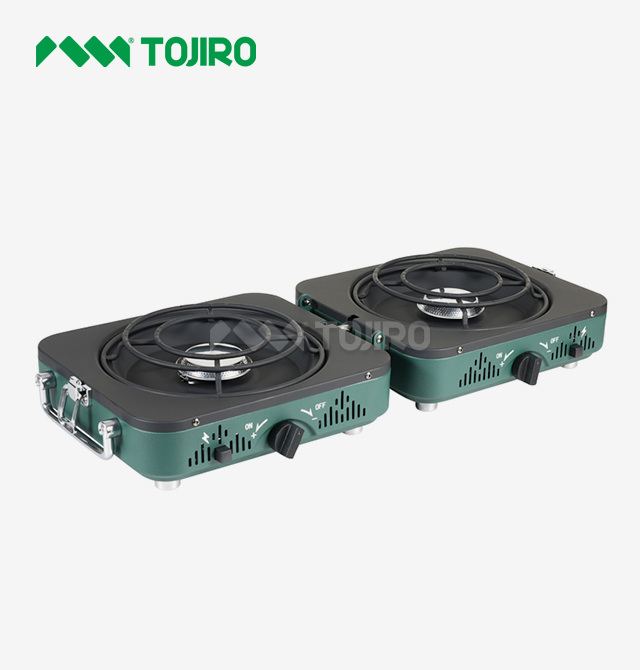 VIEW MOREdouble portable camping stove
_1763619688277.webp) VIEW MOREexterior propane tankless water heater
VIEW MOREexterior propane tankless water heater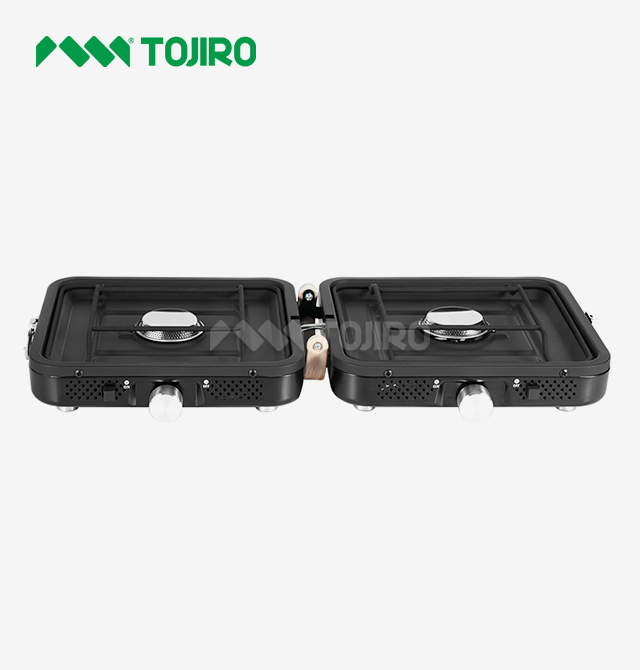 VIEW MOREportable propane wok burner
_1763607842349.webp) VIEW MOREoutdoor standing propane heater
VIEW MOREoutdoor standing propane heater_1763607940917.webp) VIEW MOREcompact propane heater
VIEW MOREcompact propane heater_1763607672511.webp) VIEW MOREpropane standing patio heater
VIEW MOREpropane standing patio heater_1763607622609.webp) VIEW MOREfree standing vented propane heater
VIEW MOREfree standing vented propane heater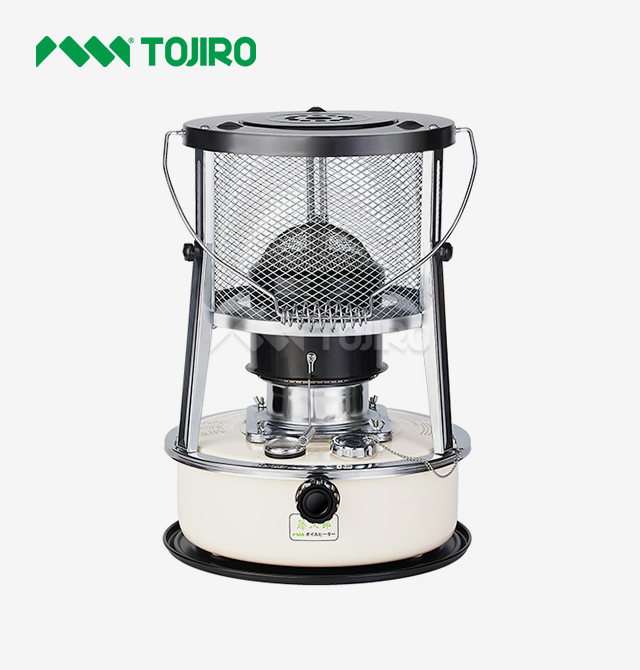 VIEW MORE9000 BTU kerosene heater