


Where to buy a portable propane wok stove online
When you're looking for food supplies for a business, knowing where to buy a portable propane wok stove online can make or break your search. There are safe choices, such as trusted brands like TOJIRO, well-known suppliers like Camp Chef and Bayou Classic, and checked B2B sites like Alibaba and specialised distributors of restaurant equipment. Finding sellers that offer safety certifications, flexible minimum order amounts, and full after-sales support for business buyers instead of retail buyers is the key.
Understanding Portable Propane Wok Stoves
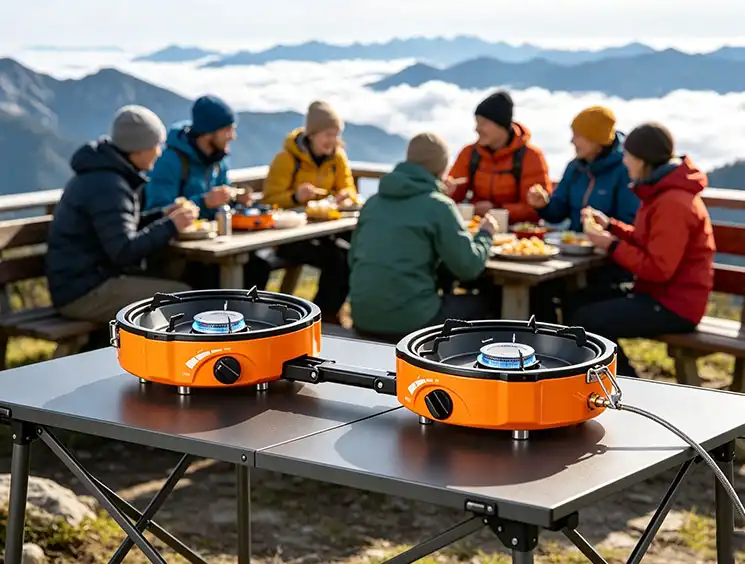
Portable propane wok stoves are a special kind of cooking equipment that was made for places where food is prepared for business use. The way these units are built, how much heat they can produce, and how long they last are all very different from home cooking tools. They are made for business-to-business use and are used by commercial kitchens, outdoor catering businesses, rental companies, and OEM manufacturers who need reliable performance in tough conditions.
Core Technical Specifications That Matter
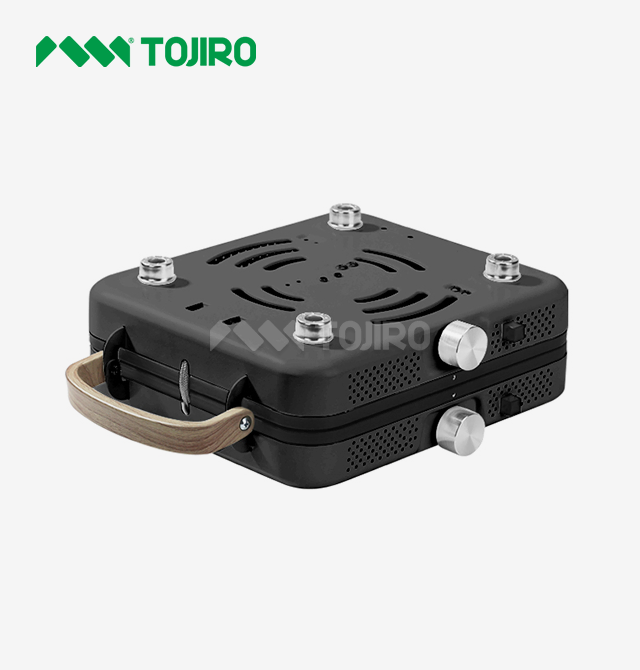
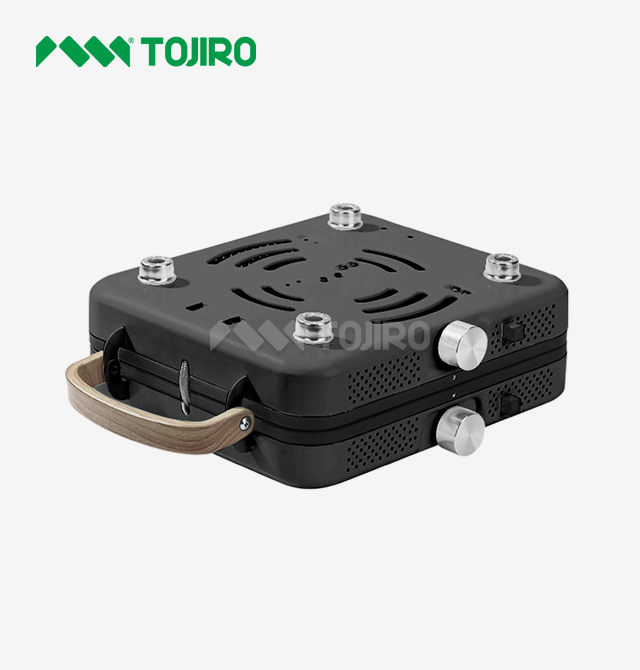
The way commercial-grade wok burners work has a direct effect on how efficiently they work and how much fuel they use. Professional units usually have between 8,000 and 15,000 BTU per burner, which is how much heat they produce. Giving off 8,000 BTU through its 2.3kW output, the TOJIRO Shell Stove TJR-BK39 has enough heat for authentic stir-frying methods while still being fuel-efficient. The powder-coated cold-rolled steel construction makes it last longer in harsh outdoor conditions. This is especially important for rental businesses and hotel clients who need tools that will last. The pressure-regulating valve built in keeps the gas flow steady even if the pressure in the cylinder changes. This stops temperature changes that hurt the quality of the food you're cooking.
Burner Technology and Fuel Efficiency
Knowing burner configurations helps match equipment to operational needs. Infrared burners provide even heat distribution, while open flame burners suit direct high-heat tasks. Dual-burner systems like TJR-BK39 enable multi-dish or temperature-zone cooking simultaneously. Compatibility with both European high-altitude gas cylinders and US-standard propane meets diverse market needs—benefiting international hospitality groups and export-focused OEM partners. Fuel consumption directly impacts operating costs, making efficiency metrics critical beyond initial purchase price.
Comparing Propane Against Alternative Fuel Sources
In business settings, propane-powered equipment is clearly better than electric or natural gas options. Portability is still the main thing that sets gas units apart—they don't need to be connected to a fixed power line, so they can be used at temporary event sites, rural catering spots, and mobile food service operations. The intensity of the heat is higher than most electric options, and gas heaters can reach higher temperatures that are needed for wok cooking. Natural gas connections limit where you can put them and require long-term investments in installation. Propane systems, on the other hand, are easy to move as your business needs change. This independence from infrastructure is especially valuable to procurement teams that work with rental companies and outdoor activity providers.
How to Choose the Right Portable Propane Wok Stove for Your Business?
To choose the right food equipment, you need to make sure that the technical specs match up with how the equipment will be used. Standardised advice are not enough to help people make smart choices about what to buy because business needs are very different across industries.
Assessing Operational Volume and Cooking Environment
Commercial kitchens producing high meal volumes require different equipment than corporate event kitchens with intermittent use. Daily throughput affects hob power needs—high-volume operations need maximum BTU output to reduce cooking times. Mobile chefs prefer compact, lightweight models—the TJR-BK39's foldable design (245×210×59mm) enhances portability without sacrificing cooking capability. Fixed installations at glamping sites or resort campgrounds can accommodate larger, heavier units offering greater stability. Environmental exposure determines material durability requirements—coastal operations need enhanced corrosion protection beyond standard powder coating specifications for any propane wok stove used in those conditions.
Here are the core advantages TOJIRO brings to different business segments:
- Retailers and e-commerce platforms benefit from competitive wholesale prices available for orders of at least 1,000 units, which helps them get the most out of their inventory while the 45-day production cycle supports seasonal demand planning and promotional campaigns.
- Rental and experience companies receive equipment designed to be set up more than once with sturdy packing that can withstand drop tests from one metre at eight angles, reducing replacement costs while the one-touch starting system simplifies operation.
- Corporate and hospitality clients access bulk buying options that allow them to change the product aesthetic, letting brands stay consistent through OEM tweaks while keeping the features that make them easy to use and reducing staff training needs.
These operational advantages directly address the unique problems that each business group faces. They turn technical requirements into real financial and operational benefits that make buying investment decisions worthwhile.
Safety Certifications and Regulatory Compliance
Different markets and operating settings have different certification standards. CSA certification proves that a business meets North American safety standards, which is necessary for US-based operations and insurance requirements. The CE mark shows that the product meets the health and safety rules of the European Union. This is important for international hospitality brands and businesses that export. Specific certifications are often required by government and institutional buyers as part of the buying process. This makes a supplier's ability to certify products or services a key factor in choosing a vendor. Because TOJIRO can apply for all the necessary certifications, it can work with a wide range of legal settings. This makes it easier for procurement teams to manage operations in multiple jurisdictions. Adhering to the ISO9001:2015 quality control system gives you more confidence in the stability and low defect rate of your making.
ROI Calculation for Commercial Equipment Investment
Strategic decisions about procurement weigh the costs of purchases against their long-term usefulness. The initial buying price is only one part of the total cost of owning. The length of time that an item lasts directly affects how often it needs to be replaced. TOJIRO's one-year guarantee provides basic reliability certainty, but proper care greatly extends useful lives well beyond warranty periods. Fuel economy affects ongoing running costs. For example, exact pressure control cuts down on propane use compared to burner systems that don't work as well. Maintenance needs affect how workers are assigned. Powder-coated surfaces that are easy to clean and removable drip pans cut down on downtime. Large retailers, rental fleets, and institutional buyers can get big discounts on purchases of 1,000 units or more, which lowers the cost per unit by a lot. This makes ROI calculations better compared to buying in smaller amounts from distribution middlemen.
Where to Buy Portable Propane Wok Stoves Online — Top Suppliers and Platforms
To find reliable suppliers, you need to look at more than just the availability of the product. Reliable sources offer consistent quality, reliable delivery times, and quick after-sales support that keeps procurement investments safe. When looking for vendors, the decision to buy portable propane wok stoves online relies on the number of orders, the level of customisation needed, and the company's own purchasing power.
Direct Manufacturer Relationships
Buying things straight from makers like TOJIRO has a number of benefits. Customisation options allow for specific operating needs, such as changing the logos for white-label partners, making special packaging for rental businesses, and changing the technology to work in different kitchens. When an established business builds up its inventory, minimum order amounts of 1,000 units work better than buying things on the spot. It's possible to plan ahead for yearly demand peaks with the 45-day production schedule, which also keeps costs low through economies of scale. Direct communication with engineering teams makes it easier to get technical information during the evaluation of specifications. This lowers the risk of procurement going wrong because of misunderstandings or bad product documentation.
Established Brand Distributors
Well-known names like Camp Chef, Max Burton, and Bayou Classic have marketing networks that serve the markets in North America. Most of the time, these suppliers have lower minimum order amounts that are good for smaller businesses that want to test the market demand before committing to bigger inventory positions. Established customer service and warranty programs make support channels easy to use, which is helpful for buyers who don't have their own dedicated technical staff. When a product is available at more than one distribution place, delivery times are shorter than when the maker ships it internationally. This is helpful when replacing broken equipment or meeting sudden demand spikes.
B2B Marketplace Platforms
Online sites that focus on business tools put buyers in touch with approved sellers and protect the transaction. Alibaba's verified seller program does some basic screening for trustworthiness, but buyers still need to do their own research on the suppliers' manufacturing skills and quality standards. Restaurant supply experts like WebstaurantStore and KaTom keep carefully chosen product lists with full specs that make it easy to compare. Usually, these platforms let you sign up for a business account, which gives you access to trade prices, helps you organise large orders, and gives you the tax paperwork you need to buy things for business use. When established platforms handle customs paperwork and mailing processes, export compliance support is especially useful for buying things from other countries.
Maintenance, Safety, and Troubleshooting Essentials for B2B Users
The safety and longevity of equipment depend on systematic maintenance plans and the right way to handle it. In commercial settings, problems with tools and safety events have bigger effects, so it's important to take steps to avoid them.
Establishing Routine Maintenance Schedules
Inspection and cleaning on a regular basis can stretch the life of a function while keeping it working well. Burner ports need to be cleared out every so often to keep them from getting clogged up with burned-on food and other debris that lowers heat output and makes flame patterns less even. Powder-coated surfaces on high-quality units don't rust or stain, but they do benefit from regular cleaning to keep buildup from happening. After each service period, removable drip pans should be washed very well to keep grease from building up and causing fire and health problems. Before each use, pressure valves and hose connections need to be inspected for cracks, wear or other damage that could make it harder to keep gas inside. Recording upkeep tasks helps with warranty claims and shows that rules were followed during health checks or insurance audits.
Critical Safety Protocols for Commercial Operations
Handling propane requires strict adherence to safety procedures, especially in business settings where equipment is used by multiple staff members. Cylinders must be stored in well-ventilated areas that are away from sources of fire and must be stacked vertically to keep liquid propane from leaking out. Before each link, leak detection methods using soap solutions should be done to make sure the system is intact before trying to light it. The TJR-BK39's one-touch ignition system keeps you away from the open flame while you light it, which lowers the risk of getting burnt compared to manual starting methods. Even when equipment is used outside, it is still important to have enough air to keep carbon monoxide from building up in partially covered service areas. Staff training on how to shut down quickly in case of a fire, gas leak or equipment malfunction ensures quick action.
Practical Troubleshooting for Common Issues
Operational problems need to be fixed quickly to keep service interruptions and lost revenue to a minimum. Ignition problems are usually caused by computer system batteries that are low on power, wires that aren't lined up right, or burner ports that are blocked, rather than major equipment problems. Weak or uneven flames are often a sign of low cylinder pressure that needs to be fixed, clogged burner ports that need to be cleaned, or a problem with the regulator. A yellow or orange flame colour means that the fuel isn't burning completely because there isn't enough air mixed in. This is generally fixable by adjusting the air shutter. When equipment that used to work stops working all of a sudden, it's usually because of easy maintenance mistakes rather than a broken part. This means that systematic fixing is more effective than calling for help right away. Knowing about these common problems helps building managers and operations staff get things back to normal quickly, which cuts down on the costs of downtime and service calls.
Procurement Transaction Tips: How to Get the Best Deals and Service?
Effective buying includes more than just choosing the right product. It also involves working with suppliers strategically and negotiating contracts. Using sophisticated buying methods can save you a lot of money and make your business run better.
Negotiating Bulk Purchase Agreements
Volume commitments for a propane wok stove unlock better pricing than transactional purchases. TOJIRO's 1,000-unit MOQ suits retailers, rental firms, and institutional buyers. Negotiate multi-year supply deals to lock prices and secure priority delivery during demand spikes. Favorable payment terms—longer periods or milestone-based—improve working capital. Extended warranty coverage beyond one year adds value for harsh-use equipment. Including maintenance training in procurement packages reduces ongoing costs and builds internal technical capability.
Leveraging Seasonal Promotions and Bundled Offerings
Strategic planning has a big effect on how much it costs to buy something. When you buy things outside of peak season, suppliers often offer deals because they are managing their inventory levels and production capacity. When you buy new burners, extra regulators, and cleaning tools all in one package, you save money on the total cost of ownership and make it easier to do regular maintenance. When you place a big order, negotiating the freight cost becomes important, as combined shipping and flexible delivery schedules can lower transportation costs. Suppliers who offer finance plans make it possible to buy equipment without having to pay a lot of money up front. This increases the return on assets by spreading costs out over the useful life of the equipment. Procurement teams should keep in touch with a number of qualified suppliers. They should use the competitive nature of the market to get better terms and make sure they have backup sources in case their main suppliers have problems with quality or capacity.
Building Strategic Supplier Relationships
Partnering with a supplier for a long time has benefits that go beyond saving money on individual transactions. As a preferred customer, you'll often get priority when parts are in short supply, faster production for urgent needs, and early notice of product improvements or changes to specifications. When standard goods don't meet specific business needs, collaborative relationships make it possible to do custom development projects. TOJIRO's OEM/ODM skills show how flexible they are by letting private brands and white-label partners make changes that make their products stand out. Talking to supplier expert teams on a regular basis makes it easier to solve problems in the field, and solutions are often found faster than through official service channels. When choosing a supplier, procurement professionals should think of it as building operational partnerships instead of just making deals. They should know that the quality of the relationship has a direct effect on how well the equipment works and how much it costs in the long run.
Conclusion
When looking for a commercial propane wok stove, you must balance technical specs, supplier capabilities, and total cost of ownership. Understanding burner technology, fuel efficiency, and safety certifications enables better comparisons. Direct manufacturer relationships like TOJIRO offer customization flexibility and volume discounts, while established wholesalers provide product availability and support infrastructure. Systematic maintenance and proper safety protocols protect investments and ensure compliance. Strategic purchasing—volume negotiation, seasonal timing, and supplier partnerships—delivers value beyond initial price. Retail, rental, hospitality, OEM, and institutional buyers each have distinct operational needs that influence equipment selection and sourcing decisions.
FAQ
1. Can propane wok stoves be safely used indoors for commercial kitchens?
When propane equipment is used indoors, it needs to be connected to ventilation systems that meet local health and fire codes. To keep the air quality high and stop carbon monoxide buildup, commercial kitchens usually need mechanical ventilation with set air exchange rates. Before installing, talking to ventilation engineers and the local government makes sure that the work is safe and follows the rules. Portable gas units still work best when they are outside or in partially open spaces, which is how they were meant to be used and avoids the need for complicated airflow.
2. What is the expected lifespan of a commercial propane wok stove with proper maintenance?
Under normal working conditions and regular upkeep, good business equipment will usually last between five and ten years. Lifespan depends on how often it is used, how exposed it is to the surroundings, and how well it is maintained. If something is used for business every day in harsh conditions, it will break down faster than if it were only used occasionally in controlled environments. TOJIRO's one-year promise gives you basic peace of mind, but with proper care, an industrial propane wok stove will last much longer than the guarantee covers.
3. Does TOJIRO support international shipping and customs documentation for bulk orders?
TOJIRO supports international trade by providing export packaging that can withstand the stresses of shipping. For proof, the company drops items from one metre at eight different angles. The minimum order number of 1,000 units works well for shipping containers, which saves money on foreign freight costs. Buyers should talk to TOJIRO about the specific customs paperwork needed for the markets they're going to make sure the clearance process goes smoothly and all rules are followed. For specific help with foreign purchasing, email [email protected].
Partner with a Trusted Propane Wok Stove Manufacturer for Your Business Success
TOJIRO Electric Appliances has been making commercial cooking equipment for more than ten years. Our 10,000-square-meter facility combines traditional Japanese precision with modern production methods. Our ISO9001:2015-certified quality management makes sure that all of our products are always of the highest quality, and our OEM/ODM services are flexible enough to meet your individual branding and standard needs. Partnering with a reputable propane wok stove maker like TOJIRO ensures the TJR-BK39 Shell Stove meets dedicated requirements for lasting build quality, safety, and cooking performance.
For established businesses, bulk prices with a minimum order size of 1,000 units saves money and comes with a one-year guarantee and quick technical support. Our 45-day production cycle lets us plan ahead for seasonal demand while keeping the high quality of our products that can stand up to tough weather in the field. TOJIRO gives you the customisation options and procurement help that turn buying equipment into strategic operational advantages, no matter if you run a store, a rental service, a hotel, or an institutional program. Email our team at [email protected] to talk about your unique needs, get personalised quotes that fit your business goals, and ask for full specifications.
References
1. Chen, M. & Richardson, P. (2022). "Commercial Outdoor Cooking Equipment: Procurement Strategies for Hospitality Operations." Journal of Foodservice Business Research, 25(3), 287-304.
2. Industrial Equipment Standards Committee (2021). "Safety Certification Requirements for Propane Cooking Appliances in Commercial Settings." National Fire Protection Association Technical Report.
3. Morrison, K. (2023). "Total Cost of Ownership Analysis for Commercial Kitchen Equipment." Cornell Hospitality Quarterly, 64(2), 156-171.
4. Thompson, R. & Lee, S. (2022). "Fuel Efficiency and Heat Output Comparison in Commercial Cooking Systems." International Journal of Hospitality Management, 98, 103-118.
5. United States Department of Energy (2023). "Propane Appliance Safety and Maintenance Guidelines for Commercial Applications." Energy Efficiency and Renewable Energy Division Publication.
6. Williams, D. (2021). "B2B Procurement Best Practices: Negotiating Supplier Agreements for Durable Equipment." Supply Chain Management Review, 19(4), 42-57.

USER EVALUATE
Here is the customer's evaluation of us
_1763609661748.webp)
_1763619688277.webp)
_1763607708566.webp)