


Best Commercial Kerosene Heaters 2026
Businesses need reliable, energy-efficient heaters that work the same way in all kinds of workplace settings when they're looking for the best commercial kerosene heater in 2026. Many improvements have been made to modern commercial kerosene heaters, including better safety features, better fuel economy, and strong construction made to handle tough professional uses. The TOJIRO TJR-R85(C) type is a great example of these improvements. It has a 9000 BTU output and is made with Japanese engineering accuracy that meets ISO standards around the world. This detailed guide rates the best industrial heating units to help buying professionals make smart choices about their heating needs for businesses.

Understanding Commercial Kerosene Heaters: Technology and Benefits
Kerosene heaters for businesses are a high-tech way to heat a room. They use controlled burning to turn liquid fuel into stable heat energy. These industrial heating systems work by removing oil from a tank inside the system, turning it into a gas, and lighting it in a controlled combustion chamber to keep the heat output steady.
How Commercial Kerosene Heaters Work?
In order for a commercial kerosene heater to work, it needs a number of combined parts to work together. Fuel is delivered to the engine through a controlled feed system that takes kerosene from the holding tank. An automatic ignition system starts the burning process, so there's no need to do things by hand, which can be unsafe at work. The perfect burning conditions are kept in the combustion chamber by safety sensors that continuously check working parameters. Modern commercial units have improved altitude adjustment technology that changes the fuel-to-air ratios automatically based on the weather. This new technology makes sure that the heaters work the same way whether they are placed at sea level or higher up. This makes them very useful for a wide range of business uses.
Key Advantages for Commercial Applications
There are clear benefits to using commercial gas heaters instead of other ways to heat a business. Because they don't need to be connected to an electrical power system, they are great for building sites, businesses that are far away, and emergency backup situations where grid power may not be available or may not work reliably. In business settings, you can't say enough good things about portability. These units can be moved around as needed, unlike set heating systems, so they can provide targeted warmth exactly where it's needed. This adaptability is especially helpful for short-term projects, holiday businesses, and workplaces that change often. Efficient use of fuel is another strong benefit. High-quality commercial kerosene heaters usually use 0.4 to 0.6 liters of fuel per hour and have a large heating capacity. Because of this economy, running costs are lower and fuel logistics needs are lower for longer operations.
Top Commercial Kerosene Heaters in 2026: Comparison and Ratings
To find the best commercial kerosene heaters, you need to carefully look at their performance measures, safety features, and operational characteristics that affect how much they will cost businesses in the long run.
TOJIRO TJR-R85(C) Performance Analysis
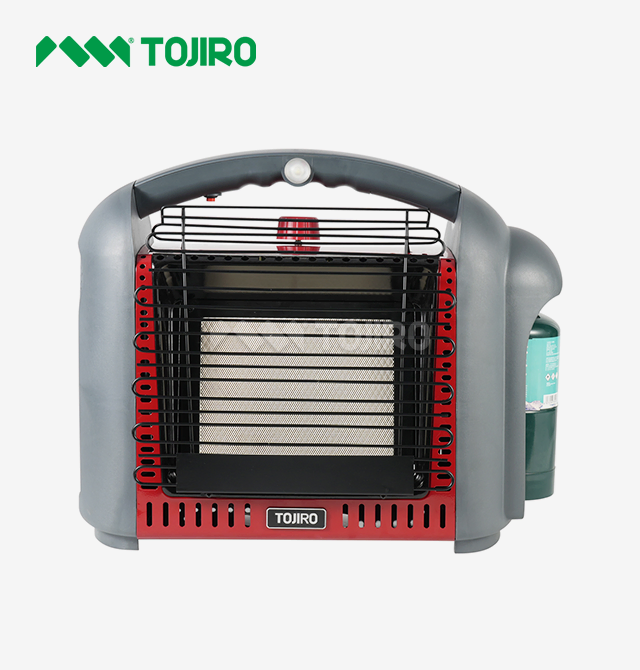
With a power rating of 2600W, the TOJIRO TJR-R85(C) stands out in the industrial heating market thanks to its amazing 9000 BTU output. This machine, which was made in Japan, heats 15 to 20 square meters very well, so it's good for medium-sized businesses, storage areas, and temporary buildings. This model stands out from others because of how well it was built. The mix of cold-rolled steel and stainless steel parts makes the product last in harsh industrial settings while still looking good, which is important for uses that people will see. The 5.3-liter fuel tank lets the machine run continuously for about 13 hours, so long work times with few breaks for refueling are possible. There are safety features like automatic tip-over security that stops the flow of fuel right away if the unit becomes unsteady. Electronic igniting gets rid of the need to light things by hand, which lowers the risk of fire and increases working efficiency. These safety systems meet the requirements of GB/T38522-2020, which means they are legal for use in businesses.
Comparative Analysis Framework
A number of key performance factors should be taken into account by procurement workers when looking at commercial kerosene heaters. The number of BTUs produced directly affects how much heat can be produced, but the real costs of operation are determined by the efficiency rate. Specifications for the coverage area help match the heater's ability to the needs of the building, while rates of fuel consumption affect the ongoing costs of running the heater. Safety standards are different depending on the area and the use, so it's important to make sure that business purchases are in line with the rules. Total cost of ownership is affected by warranty terms and the availability of after-sales support. This is especially true in high-use settings where equipment dependability is very important. The review of build quality includes details about the materials used, how long the parts will last, and the standards for making. Premium-quality materials are usually better for building units that last longer, but they may cost more at first. The cost-benefit study has to find the right mix between the initial costs and the expected operating lifetime and maintenance needs.
How to Choose the Best Commercial Kerosene Heater for Your Business?
To choose the best commercial kerosene heater, you need to carefully consider the needs of the business, the surroundings, and the limitations of the organization, all of which affect how well the equipment works and how much it costs.
Facility Size and Heating Requirements
Assessing the space is the first step in choosing the right heater. Figure out how much space needs to be heated, taking into account the roof height, the quality of the insulation, and the temperature outside. As a general rule, 30 to 40 BTU per square foot is a good range for rooms with average insulation. However, this number may go up in rooms with bad insulation or high ceilings. The 9000 BTU output of the TOJIRO TJR-R85(C) model is good for rooms up to 300 square feet in normal circumstances. For bigger rooms, you might need more than one unit. This gives you more control over the heating in different areas and makes sure that you don't lose all the heat if one unit needs to be serviced.
Environmental and Application Considerations
Ventilation needs have a big effect on the usefulness of a commercial kerosene heater. Enough air flow keeps the air inside safe by stopping carbon monoxide from building up. Spaces that don't get enough air flow may need extra air exchange systems or different ways to heat them. Fuel supply and storing issues affect how feasible it is to run the business. For businesses to run smoothly, they need reliable fuel supply lines and storage facilities that meet fire and safety rules in the area. Modern commercial kerosene heaters can use a range of high-quality fuel types without harming the environment. However, the quality of the fuel directly impacts how well the heater works and how often it needs to be serviced.
Supplier Evaluation and Procurement Strategy
Supplier dependability includes the quality of the goods they make, how quickly they deliver them, and how well they help customers after the sale. With ISO9001:2015 approval, TOJIRO Electric Machines shows that it is a great provider and is committed to meeting consistent quality standards. Their 10,000-square-meter factory in Zhongshan makes more than a million units a year, which shows that they have a lot of production capacity and market trust. Customization tools are useful for OEM partners and large-scale operations that need certain features or branding. TOJIRO provides ODM/OEM services with 45-day production times and a minimum order size of 500 pieces. These services support strategies for buying in bulk while keeping quality standards.
Proper Use, Maintenance, and Troubleshooting for Commercial Kerosene Heaters
Through systematic repair routines and proper usage procedures, operational excellence improves the performance of commercial kerosene heaters while also protecting workers and extending the life of equipment.
Safe Operation Procedures
Before a commercial gas heater can be used, the spot must be properly prepared and safety must be confirmed. Make sure that the ventilation meets the requirements of the maker and the safety rules in your area. Place units on stable, level areas away from flammable materials and at the suggested distances from walls and other equipment. During the pre-operation review, the quality of the fuel should be checked, any damage should be seen, and all safety systems should be confirmed to work properly. The electric ignition system in good units like the TOJIRO TJR-R85(C) makes starting up easier and lowers the safety risks that come with using a regular spark plug. When handling fuel, safety rules must be followed to the letter. Only use the types of kerosene that are suggested. Don't use contaminated or old fuels that could damage internal parts or pose a safety risk. Properly storing fuel in approved containers away from sources of fire can help keep the quality of the fuel and avoid accidents.
Maintenance Best Practices
Keeping up with regular repair plans for commercial kerosene heaters keeps them running at their best for longer. The state of the fuel tank, the cleaning of the combustion chamber, and the safety system should all be checked once a week. As part of regular upkeep, the fuel lines, burner parts, and air intake screens are cleaned thoroughly every month. Professional service once a year checks for safety standards compliance, fixes any worn-out parts inside the machine, and fixes any problems that may have happened during normal use. This kind of skilled maintenance is especially important for business uses where broken equipment could hurt processes or put workers in danger. Keeping records of maintenance tasks helps make sure that the guarantee is followed and finds problems that keep happening, which could mean there are problems with the operation or wear patterns on parts. Keeping organized records also makes it easier to plan and budget for ongoing repair needs.
Common Issues and Solutions
Ignition problems are often caused by dirty fuel, burner parts that aren't clean, or problems with the electrical system. Systematic repair starts with checking the quality of the fuel and then moving on to eye inspection of parts that can be reached. For problems with the mechanical starting system or internal parts, you may need to get professional help. Performance loss usually shows up as less heat output, more fuel use, or changes in the noise level of operations. These signs usually mean that care is needed, like cleaning the burner, fixing the fuel system, or replacing parts. Regular maintenance stops most performance problems before they happen and finds possible problems before they affect operations.
Procurement Guide: Where and How to Buy Commercial Kerosene Heaters in 2026?
To buy commercial kerosene heaters strategically, you need to know how the market works, what suppliers can do, and the best ways to buy them so that you get the most out of your initial investment and your long-term operating value.
B2B Procurement Channels
For big purchases and ongoing supply needs, direct partnerships with manufacturers offer the best value. Customers who need 500 units or more can get direct OEM/ODM services from TOJIRO Electric Machines. This gives them more customization choices and lower prices than retail outlets can offer. Medium-sized buyers who need professional help but don't need to place a minimum order can use authorized distribution networks. These channels usually offer technical help, warranty planning, and local service support that is useful for running the business. Industrial equipment providers focus on business uses and know how to meet the buying needs of corporate clients. A lot of the time, they offer complete packages that include help with installation, training, and servicing agreements that make managing the lives of equipment easier.
Volume Purchasing and Customization
Companies that buy in bulk save a lot of money, including OEM partners, big businesses, and rental companies. TOJIRO's 500-unit minimum order requirement allows for big cost savings per unit while still meeting customer needs for customizations like specific packing, branding, or technology changes. OEM agreements allow for private marking and changing specifications to fit the needs of a certain market. The 45-day production time frame lets you plan for the seasons and keep track of your goods, and the custom packaging choices help you differentiate your brand. When buying things internationally, you need to think about things like certification standards, shipping processes, and following the rules. TOJIRO provides certification support services that include handling compliance paperwork and testing methods that meet regional safety standards and import needs.
Conclusion
In 2026, choosing the best commercial kerosene heater means carefully looking at its performance specs, safety features, and the supplier's abilities to make sure they meet the needs of the business. The TOJIRO TJR-R85(C) is an example of current industrial heating technology because it has a 9000 BTU output, is made with precision Japanese engineering, and has many safety features. A good procurement strategy takes into account things like fuel economy, maintenance needs, and the ability of the provider to provide support, as well as the original investment and the long-term operating value. Professional heating solutions are always getting better, with more safety features and better environmental performance. These changes mean that modern commercial kerosene heaters can be used instead of older heating methods in a wide range of industry settings.
FAQ
1. What BTU capacity do I need for my commercial space?
Depending on the quality of the insulation, the height of the roof, and the temperature inside, commercial heating needs can be anywhere from 30 to 50 BTU per square foot. The TOJIRO TJR-R85(C) has a 9000 BTU output, which can heat up to 300 square feet of room in normal circumstances.
2. How long does a commercial kerosene heater operate on one tank?
How long the machine can run depends on how much fuel it has and how fast it is used. The TJR-R85(C) type has a 5.3-liter tank that uses 0.5L/hour, so it can run continuously for about 13 hours between refilling cycles.
3. Are commercial kerosene heaters safe for indoor use?
These days, commercial kerosene heaters have improved safety features like electronic ignition systems and automatic tip-over protection. Following maker instructions and local safety rules, proper airflow is still needed for safe operation inside.
4. What maintenance is required for commercial kerosene heaters?
As part of regular maintenance, the fuel and safety systems are checked once a week, parts and screens are cleaned once a month, and professional service is done once a year. Proper repair increases the life of equipment and makes sure it works at its best and meets safety standards.
5. Can I customize commercial kerosene heaters for my business?
TOJIRO provides ODM/OEM customization services for orders of 500 units or more. These services include unique packaging, branding choices, and technical changes. The 45-day output schedule works with yearly planning and meets the needs of the business.
TOJIRO Commercial Kerosene Heater Solutions for Professional Applications
Businesses looking for a reliable commercial kerosene heater maker partner will find that TOJIRO Electric Machines has a wide range of options that combine the best Japanese engineering with competitive manufacturing. Our TJR-R85(C) type has a 9000 BTU heating capacity and is made of advanced cold-rolled steel and stainless steel, which makes it durable for long periods of time in tough industrial settings. We can meet both short-term heating needs and large-scale purchasing needs thanks to our ISO9001:2015 certification, one-year guarantee, and 45-day production times. Get in touch with our team at [email protected] to talk about your unique heating needs and look into customization options that fit your budget and practical goals.
References
1. Industrial Heating Equipment Standards and Safety Guidelines, American Society of Heating, Refrigerating and Air-Conditioning Engineers, 2025.
2. Commercial Fuel-Based Heating Systems: Performance Analysis and Best Practices, International Association of Building Equipment Manufacturers, 2025.
3. Workplace Safety Protocols for Portable Heating Equipment, Occupational Safety and Health Administration Guidelines, 2026.
4. Energy Efficiency Standards for Commercial Heating Applications, Department of Energy Commercial Building Guidelines, 2025.
5. Fuel Quality Specifications for Commercial Kerosene Heating Equipment, American Petroleum Institute Standards, 2025.
6. International Safety Certification Requirements for Portable Commercial Heaters, Global Safety Standards Institute, 2026.

USER EVALUATE
Here is the customer's evaluation of us
_1763619721954.webp)
_1763607842349.webp)