


Top Portable Gas Heater Features to Know
A portable gas heater's safety, efficiency, and how well it works are all important things to know before you buy one. Many types of fuels can be used with modern gas heating choices, which are also safer and use less energy. There are many business and factory settings where they can be used. Warehouses, workshops, mobile homes, and outdoor business spaces stay warm with these heaters, which can run on propane, butane, or more than one fuel. Procurement professionals can make smart decisions that make the most of the stability and cost-effectiveness of their heating projects when they know important details like BTU rates, ignition systems, and safety standards.

Understanding Portable Gas Heaters: Types and Working Principles
Gas heaters that are movable can use different kinds of fuel, and each type is better for certain types of work. People still choose propane heaters because they can work in many temperature ranges and are simple to get fuel for. Models that use butane might not work well in very cold places but work best in warm ones. As long as gas lines are nearby, natural gas units are the cheapest way to power a device. These methods, on the other hand, let you choose from many different types of fuel, giving you the most choices.
Combustion Technology and Heat Distribution Methods
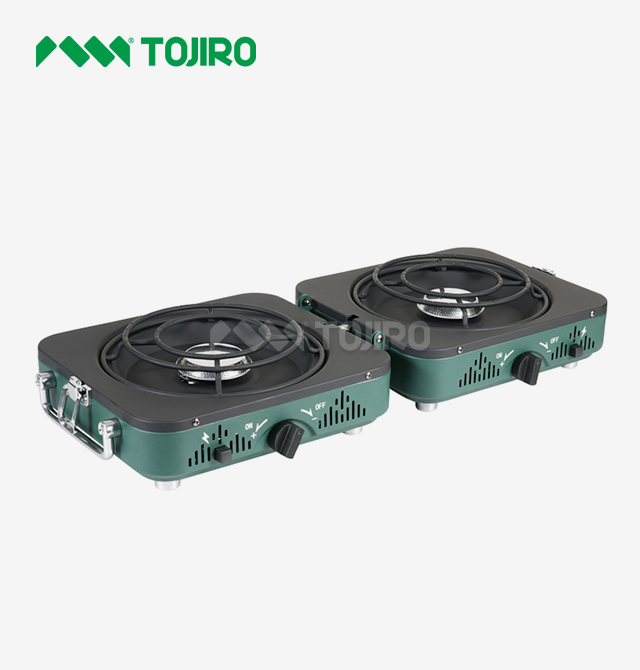
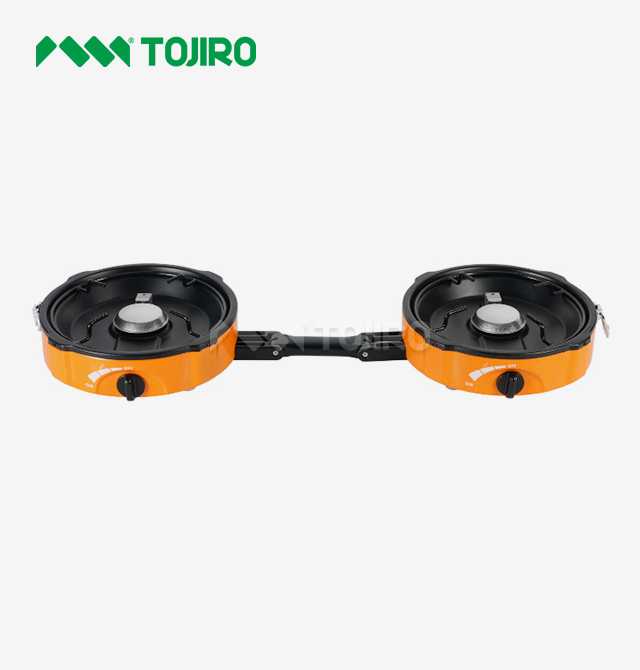
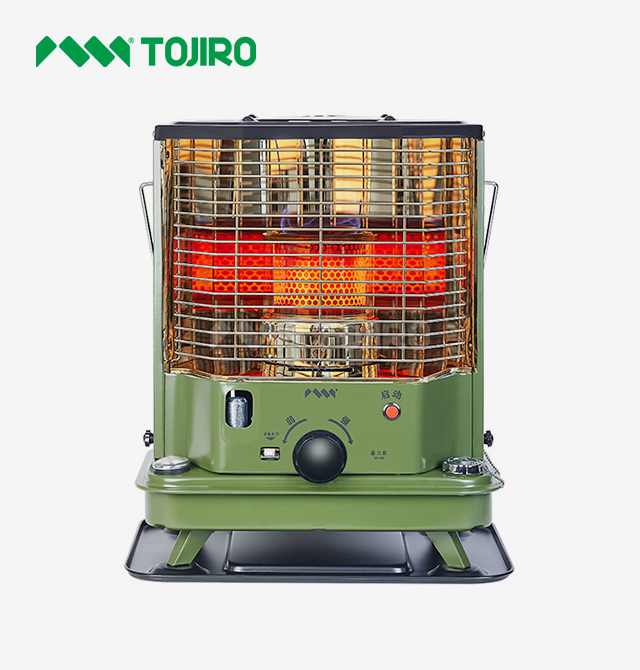
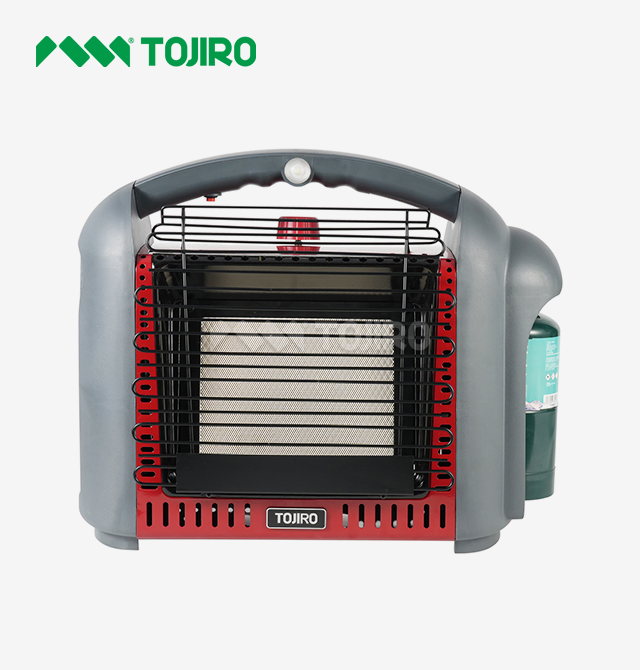
Modern gas lamps heat in two main ways: by shining light on the room and moving air around it. Radiant systems work well in drafty places because they send heat straight to people and things, warming them up right away. The air around a convection heater gets warmer, which keeps the temperature more steady. This is great for places that are closed off. Modern combustion technology can be seen in things like the TOJIRO GH25-9B. It burns cleanly and makes 9000 BTU, but it only needs 103g of gas per hour.
Fuel System Compatibility and Performance
To get the best results in all kinds of work situations, you need to know how different fuels work together. High-altitude canisters, butane cylinders, propane cylinders, and liquid petroleum gas (LPG) can all be used in multi-fuel lamps. This gives workers more choices and keeps them from having to shut down because they can't find fuel. This ability to change is especially useful for companies that work in country areas or places with different ways of getting power.
Control Systems and Automation Features
These days, portable gas heaters have high-tech control systems that automatically turn off the heater when it gets too hot or too cold. These systems also control the lights and temperature. With an electronic ignition system, you don't have to light the match by hand. This makes things easier and safer for the people who use them. Setting the thermostat so that it uses as little fuel as possible and keeps the temperature fixed helps meet goals for saving money and being good to the environment.
Key Features to Consider When Selecting a Portable Gas Heater
The most important thing to think about when shopping for heating tools for business and industry is how safe they are. These days' units have many safety features that make sure safety rules are followed and accidents don't happen. These things have a direct effect on the types of insurance companies need, the level of risk they face, and the health and safety rules they have to follow for their workers.
Essential Safety Protection Systems
Portable gas heaters today have a lot of safety features that are designed to work in work environments. Here are the main safety features that make good cooking tools stand out:
- Oxygen Depletion Sensors: These sensors check the air quality and stop the flow of gas as soon as the oxygen level drops too low. No one can suffocate in small spaces because of this.
- Tilt Protection: If the unit falls over, tilt safety cuts off the gas supply right away. This gets rid of the risk of fire and the worry about gas leaks during shipping or moving by accident.
- Pressure Regulating Valves: With pressure regulating valves, the flow of gas stays the same even if the weather changes. Making sure the system works right and stopping dangerous pressure from building up is what this does.
- Automatic Ignition Systems: With an automatic ignition system, you won't have to light things by hand, which can get you burned. Also, make sure the system always starts up properly, no matter the weather.
All of these safety features work together to create multiple layers of protection that meet strict job safety standards. This is why professional-grade tech is different from user tech: these processes are built in. For business use, the extra cost is worth it.
Energy Efficiency and Fuel Consumption Analysis
These days, companies need to think about how fuel economy affects their prices and their goals to be environmentally friendly. Fuels that burn efficiently turn most of their energy into useful heat. These systems also cut down on waste and pollution. Good engineering fits heating capacity with fuel economy, as shown by the 2600W power output of high-quality heaters like the TOJIRO type. This makes heaters that keep you warm without using too much fuel.
Control Features and Operational Convenience
In industrial heating uses, complicated control systems make things more accurate and reduce the amount of work that needs to be done. Electronic timers automatically turn the system around, which keeps the temperature fixed and cuts down on fuel waste. People can change settings from a safe distance with remote operation. This is especially useful in places that are uncomfortable or risky. Tools with timers let processes run on their own according to schedules that match worker shifts and safety rules.
Comparing Portable Gas Heaters with Alternative Heating Solutions
Portable gas heaters are clearly better than electric and oil heaters in many ways, which makes them the best choice for many business uses. When procurement workers know about these differences in benefits, they can pick heating options that work well in a range of business settings, don't cost too much, and meet real needs.
Gas Versus Electric Heating Performance
For heaters that are the same size and weight, gas heaters generally heat better than electric ones. Electric heaters need a lot of power tools, and it costs a lot to run them. This is a big problem in places that are hard to reach or when the price of energy is high. You can stay warm with a gas unit even if the power goes out. This is useful if you're not tied to the grid and your electricity service isn't stable or available.
Operational Cost Comparisons and Long-term Value
Most of the time, propane and butane are cheaper per BTU than electricity, so gas heating is a much better deal. Also, gas heaters heat up faster, which means they need less energy to get to the right temperature. Because gas units are movable, they don't need the startup fees that come with electric systems that stay in one place. They will also last longer because they are durable, which raises predictions of the return on investment.
Environmental Impact and Emission Considerations
The pollution from modern gas burning technology is less than that from fossil fuels and better than that from kerosene-based technologies. More dangerous leftovers are not made when gas heaters that are efficient, like the TOJIRO types, burn all the fuel fully. For heating solutions, the small size and ability to use more than one fuel greatly reduce the amount of shipping and packing that needs to be done. This helps companies stay green.
Application-Specific Performance Advantages
There are places and times when different kinds of heaters work best. Gas portable heaters are great for short-term heating needs, use outside, and as a backup in case other heating methods don't work. As soon as they are turned on, they heat up right away, which makes them useful in places where the temperature needs to be changed quickly, like stores, workplaces, and construction sites.
Procuring Portable Gas Heaters: What B2B Buyers Should Know
When buying something from another business, it's important to learn about the seller's skills, the goods' certifications, and the after-sales services that will make sure the heating system is set up properly. When professionals buy something, they have to think about how much it costs up front compared to how much it will cost them over time. They also have to make sure that the tools they choose meet the company's safety standards and operational needs.
Supplier Evaluation and Quality Assurance Criteria
Manufacturers with a good reputation show they care about quality by getting international approvals and testing their products thoroughly. Tojiro is a great example of high-quality manufacturing because it meets ISO standards and uses both traditional Japanese skills and modern technology. This method ensures uniform quality and dependability of the product, which helps with spending decisions for business uses that need reliable heating performance.
Bulk Ordering Considerations and Lead Times
A lot of the time, when you buy things for your business, you need to plan ahead because there are minimum order amounts and long lead times. Tojiro can only make 1000 units at a time, and it takes 45 days to do so. Because of this, they need to be able to correctly predict demand and keep track of their stocks. Big buyers who want unique setups or private label arrangements will like this way of making things because it's cheap and easy to change the way they're made.
Warranty Coverage and After-Sales Support
When you buy professional heating equipment, you need a warranty that covers everything and support services from experts to make sure everything runs as easily as possible. The best companies that make things offer full warranties that protect the value of your purchase and expert help that makes sure the product is set up and used properly. To keep tools running well for a long time, it's important to make sure that replacement parts and care instructions are easy to find.
Customization and Private Label Opportunities
With OEM and ODM, companies can make their own heated products with their own brands that fit their market and customers' wants. TOJIRO can be changed in ways that help white-label marketing tactics. Specifications, packaging, and logos can all be changed. This flexibility is great for shops and sellers that want to sell one-of-a-kind items that can fetch higher prices while still being of high quality.
Maintenance and Safety Tips for Prolonged Portable Gas Heater Life
Making sure you do the right maintenance on your gear will make it last longer and be safe to use for longer. When professionals heat things, they need to stick to strict maintenance plans that keep things from breaking down, keep costs low, and make sure that safety rules about using heaters at work are followed.
Routine Inspection and Cleaning Procedures
Small problems don't get worse, cost a lot to fix, or put people in danger when you work on them regularly. You should look at the gas lines, the parts that start the engine, and the safety devices to see how well they work. Parts of the fuel system that get dirty from everyday use need to be cleaned. These include the fuel system parts, air intake screens, and combustion tanks. Good heaters are made of cold-rolled steel that lasts a long time. This makes them easier to maintain and keeps them from rusting, which makes cleaning harder.
Fuel Quality Management and Storage Protocols
It is the fuel itself that determines how well heaters work and how long their parts last. Fuels that are dirty or broken down can hurt internal parts and make the fire less effective. If you keep fuel the right way, it won't take water or break down chemically, which both weaken it. When the fuel system is checked regularly, problems with contamination are found before they affect how the heater works or become a safety risk.
Troubleshooting Common Operational Issues
You can quickly fix problems when you know what the most common ones are. This keeps your business running smoothly. Most of the time, a start won't work because the battery is dead, the fuel system is clogged, or a monitor isn't set up correctly. You need to do a few things to fix this issue. If you smell something strange, it could mean that the fuel isn't burning all the way or is leaking. This needs to be fixed right away and checked by a professional to make sure the process is safe.
Safety Protocol Implementation and Training
Workers get a lot of safety training so they know how to do their jobs right and what to do in an emergency. People who are trained should know how to turn the machine on and off, spot safety features, and what to do in an emergency. Regular training that includes lessons learned from real-world activities and the best practices in the field keeps safety information up to date.
Conclusion
To pick the best portable gas heater, you should think about a lot of things, like safety features, how much fuel it uses, how easy it is to use, and how well the seller can meet the needs of your business. Modern gas heating technology has a lot of choices that strike a good mix between how well they heat and safety rules. You can use these systems in a lot of different ways because they have more powerful control systems and can use more than one fuel. Professional-grade equipment is different from consumer-grade equipment because it has electric lights, many safety features, and burning technology that works well. When people decide what to buy, they look at the total cost of ownership, the work that needs to be done, and the supplier's ability to offer help that will ensure long-term success and legal compliance.
FAQ
1. What safety certifications should I look for in commercial portable gas heaters?
It's good for professional heaters to be safe enough to meet foreign standards, like ISO licenses and local rules. When shopping for units, make sure they have oxygen depletion monitors, tilt protection systems, and pressure control valves that are allowed and follow workplace safety rules. Tojiro heaters meet a lot of different regulations in many different markets and companies, and they accept all kinds of certifications.
2. How do I calculate the appropriate BTU rating for my space?
How many BTUs you need relies on how big the room is, how well it is insulated, how hot it is outside, and how the air moves in the room. Most of the time, 20 to 30 BTU per square foot is enough to heat places that are well sealed. But places that are drafty or outside might need 30 to 50 BTU per square foot. The TOJIRO GH25-9B's 9000 BTU power is enough to heat about 10 square meters well in most situations.
3. What fuel types offer the best cost-effectiveness for commercial applications?
Many times, propane is the most affordable way to heat your home since it is easy to get and the price doesn't change. Besides that, it always works the same way. Because you can use more than one type of fuel, you can buy fuel when prices are cheap and avoid being tied to one type of fuel. Prices and supplies of fuel in your area should help you pick the best fuel for the lowest costs of doing business.
4. Can portable gas heaters operate safely in enclosed commercial spaces?
If you make sure there is enough air flow and follow safety rules, modern heaters with the right safety features can be used safely in small spaces. When the air quality gets too bad, oxygen depletion monitors stop working on their own. To work safely in a small area, you still need to plan for movement and get safety training.
Partner with TOJIRO for Your Portable Gas Heater Manufacturing Needs
TOJIRO stands as your trusted portable gas heater supplier, combining 45 years of Japanese manufacturing excellence with cutting-edge industrial technology to deliver heating solutions that exceed international quality standards. Our comprehensive ODM/OEM capabilities enable complete customization for diverse market requirements while maintaining ISO compliance and one-year warranty protection across all products. Whether you need bulk quantities for retail distribution or specialized configurations for industrial applications, our 45-day production cycle and flexible minimum order quantities support your business growth objectives. Contact our procurement specialists at [email protected] to explore our complete portable gas heater portfolio and discover how our manufacturing expertise can enhance your product offerings with reliable, safe, and efficient heating solutions designed for professional applications.
References
1. American Gas Association. "Commercial Gas Appliance Safety Standards and Certification Requirements." Industrial Heating Equipment Guidelines, 2023.
2. International Organization for Standardization. "ISO 9001:2015 Quality Management Systems for Heating Equipment Manufacturing." Global Manufacturing Standards, 2023.
3. National Institute for Occupational Safety and Health. "Workplace Heating Safety Guidelines for Commercial and Industrial Applications." Occupational Safety Standards, 2023.
4. Energy Efficiency Research Institute. "Comparative Analysis of Portable Heating Technologies: Gas, Electric, and Alternative Fuel Systems." Commercial Energy Solutions Report, 2023.
5. Industrial Safety Council. "Best Practices for Portable Gas Heater Operation in Commercial Environments." Workplace Safety Implementation Guide, 2023.
6. Procurement Management Association. "B2B Heating Equipment Selection Criteria and Supplier Evaluation Standards." Professional Purchasing Guidelines, 2023.

USER EVALUATE
Here is the customer's evaluation of us
_1763607744591.webp)