



Top Compact Heater Features to Know
To successfully buy heating systems for business areas, it's important to know what the most important features of compact heating systems are. Retailers, rental companies, corporate buildings, and large buyers who need reliable performance in small areas can make big investments in small indoor/outdoor heater units. Modern small heaters have improved safety features, energy-saving routines, and a wide range of fuel compatibility options to meet a wide range of operating needs. These heating options provide targeted warmth while taking up as little room as possible. This makes them essential for warehouses, factories, outdoor events, and temporary setups where standard heating systems aren't practical or are too expensive.

Understanding Compact Heaters: Core Concepts and Applications
Compact heaters are a special kind of heating equipment that is designed to work as efficiently as possible in a small space. Traditional heating systems need a lot of infrastructure to be installed, but these units can be set up quickly and easily and can be movable or semi-permanent. Electric resistance heaters, propane-powered units, and infrared thermal systems are all in this basic category. Each type is useful in a different setting.
Defining Compact Heater Categories
Resistance coils or ceramic elements are used in electric small heaters to make heat by changing the electrical current. These units work great indoors, where air issues make combustion-based options less practical. Propane-powered small heaters use liquid petroleum gas to make a lot of heat, which makes them perfect for use outside or in places that don't have access to electricity. Infrared heaters give off thermal energy that warms things and people directly instead of heating the air around them. This is called focused heating, and it works very well.
Commercial Applications and Use Cases
B2B procurement pros have to deal with a variety of situations that call for small heating options. These units are used in warehouses and distribution centers to heat specific areas like loading docks and temporary work areas. Compact heaters are used in factories to heat processes, make work areas more comfortable, and keep equipment from freezing. Portable heating units are needed to keep agricultural buildings, work sites, and outdoor event areas running during cold weather. Small indoor/outdoor heater systems are used on restaurant decks, hotel outdoor areas, and event sites in the hospitality industry. Rental companies keep these units on hand for short-term use at events like weddings, business meetings, and holiday businesses. Small heaters are bought by the government and schools for disaster preparation, outdoor training areas, and temporary classroom heating.
Key Features of Small Indoor Heaters and Their Advantages
A lot of complex tech goes into small room heaters so they work perfectly in business settings. Energy economy measures are the main selection factors used by procurement professionals who want to keep heating performance consistent while lowering running costs. Modern models have timers that can be programmed, power settings that can be changed, and smart temperature controls that change output automatically based on the temperature.
Energy Efficiency and Power Management
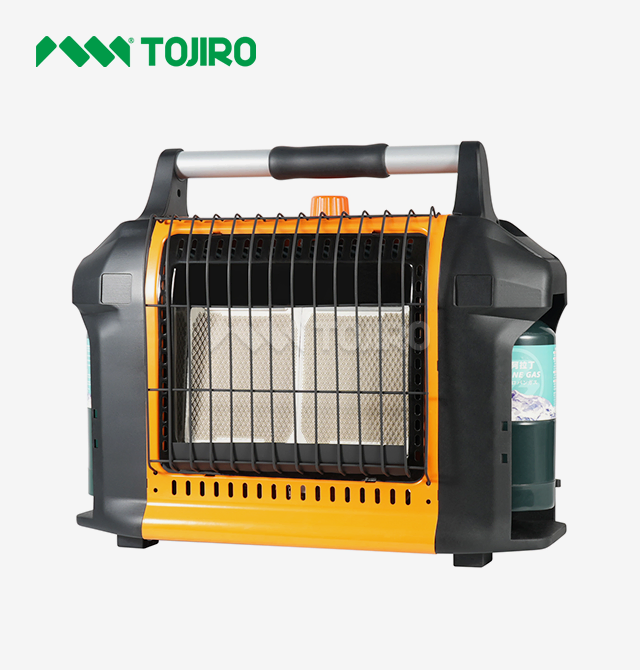
Modern designs for small indoor/outdoor heaters put energy efficiency first by using more advanced control systems. Operators can fit the heat output to the space they need to heat by using variable power settings. This keeps energy from being wasted on heating equipment that is too big for the space. With timers and remote controls, you can precisely schedule operations, which means less energy is wasted when the building is empty. Most of them have power rates between 1,500W and 5,200W. Models with bigger outputs, like the TOJIRO GH25-18B, can heat up to 161 square feet at 18,000 BTU. For spot heating in big buildings, this targeted method works better and costs less than central heating systems.
Safety Features and Compliance Standards
When buying industrial heating equipment, safety features are things that can't be skipped. Modern small heaters have many safety features to keep people safe and make sure they follow the rules. Overheat safety turns the unit off immediately if the temperature inside goes above safe levels. Tip-over switches stop the heater from working right away if it becomes unsteady. This keeps workplaces that are busy from becoming fire risks. Oxygen depletion sensors check the air quality in sealed areas and turn off burning automatically when oxygen levels fall below safe levels. These traits are very important for indoor uses where air flow may be limited. The cold-rolled steel construction and plastic parts meet industry standards for sturdiness while still being light and portable for flexible deployment.
Maintenance and Longevity Considerations
When buying something, you need to think about how long it will last and how much upkeep it will need over time. High-quality small heaters have parts that can be easily cleaned and inspected. Electronic lighting systems don't need starter lights, which makes them easier to maintain and more reliable. Heating elements and filters that can be replaced increase the equipment's useful life and lower the costs of downtime. Professional-grade units are put through a lot of tests to make sure they meet international standards like GB/T38522-2020. This makes sure that they always work well in business settings. When looking at suppliers, warranty coverage and support after the sale become very important, especially for large projects that need ongoing expert help.
Exploring Outdoor Compact Heaters: Essential Features and Benefits
When used for heating outside, outdoor heating presents its own problems that need to be solved with specially designed tools and strong building. Exposure to the environment, changing weather, and operating needs all call for features that make things last longer and keep out the weather. Outdoor small heaters have to keep working well even when the temperature changes a lot and they have to be able to handle wind, water, and other harsh weather conditions.
Weather Resistance and Material Durability
Outdoor small indoor/outdoor heater units are made with materials that don't rust and protected coatings to make sure they last in tough conditions. Components made of stainless steel don't rust, and powder-coated treatments protect against chemical and UV damage. Electrical connections that are sealed keep wetness out, which could affect safety and performance. Resistance to wind becomes especially important for how well outdoor heating works. Quality units have wind guards and horizontal heat distribution systems that keep the units warm even when the air is moving. Tipping risks are less likely to happen outside, where the ground may be uneven or unstable, thanks to weighted bases and safe mounting choices.
Fuel Options and Compatibility
For outdoor heating uses, the ability to use different types of fuel is a big plus. Because it has a high energy density and burns cleanly, propane is still the most popular fuel source. When it comes to fuel compatibility, the TOJIRO GH25-18B really shines. It can use propane bottles, high-altitude canisters, butane containers, and LPG tanks. This ability to change means that operations can continue even if fuel isn't available locally.
These are the main benefits of fuel for outdoor uses:
- Cylinders for propane: Standard 20-pound tanks give you more running time and are easy to buy or rent for businesses.
- High-altitude canisters: Specialized formulas keep working the same at high elevations where air pressure changes the way burning works.
- Butane containers: small fuel sources that are great for temporary and movable uses
- LPG systems: links for bulk liquid petroleum gas that can be used for long-term outdoor setups that need to heat a lot of space
These fuel choices can be used in a variety of situations while still producing the same amount of heat. Gas usage rates for units that put out 18,000 BTU usually average 188 grams per hour, which lets you accurately figure out how much fuel costs for budgeting reasons.
Portability and Setup Considerations
How well outdoor heating works rests a lot on how flexible it is and how easy it is to set up. Small designs that weigh about 4.8 kilograms make it possible for one person to move and place them. Electronic igniting systems get rid of the need to light things by hand, which makes it safer and easier for workers who are wearing protective gear. Quick-connect fuel connections and easy-to-use control panels cut down on setup time, so they can be used quickly for emergency heating or getting ready for an event. LED status signs make operating input clear, so workers can keep an eye on how the heater is working from afar. Display systems that run on standard AA batteries don't need to be connected to the power grid.
Comparing Heater Technologies: Making Smart Procurement Decisions
Choosing the right technology has a big effect on both the short-term costs of buying it and the long-term costs of running it. Electric and gas heating systems each have their own benefits that depend on the needs of the application, the availability of equipment, and the limitations of the operation. Professionals in procurement must carefully consider these factors in order to find the most cost-effective and effective heating option.
Electric versus Propane Heating Analysis
Electric compact heaters work cleanly and don't need much upkeep, which makes them perfect for indoor uses where air quality worries make burning systems impractical. Electric units can precisely control temperature and run quietly, making them useful in places where noise disturbance is not wanted. However, electricity heating systems usually have higher running costs than gas systems, especially for high-output uses. Propane heating systems produce more heat per unit of cost, which makes them a good choice for heating big areas or running for long periods of time. It's easy for propane units to start heating up quickly, and they keep working well outside, where electricity might not be available. Being able to heat without an electricity source is useful for emergency situations and work places that are far away.
Infrared versus Conventional Heating Methods
Normal heaters warm the air around them through convection, which takes time to make the whole heated area livable. Although this method works well in small rooms, it doesn't work as well outside or in drafty places where warm air quickly escapes. Infrared heating technology warms things and people directly through radiant energy transfer, making them feel better right away without heating up the air in between. This technique works very well for heating spots outside and in situations where heat needs to be delivered quickly. Infrared systems also work well when it's windy, which would make other heating methods less effective.
Supplier Evaluation and Quality Assurance
The choice of a supplier goes beyond the original cost of the equipment. It also includes the quality of the manufacturing, compliance with certification requirements, and the ability to provide ongoing assistance. ISO9001:2015 approval shows that a company follows international standards for quality management. This makes sure that the manufacturing process is uniform and that the products are reliable. Safety certificates that are special to heating equipment show that the equipment meets the safety standards in the area. Established makers with more than ten years of experience in the field usually have better structures for developing products, testing them, and helping customers. Companies like TOJIRO, which has been in business since 2013 and specializes in outdoor heating, have a track record of success and a deep knowledge of the needs of businesses that need to heat their buildings. Delivery times and the ability to make custom orders are affected by the size and production capacity of a manufacturing plant. These are important factors for large-volume buying contracts.
Best Practices for Selection and Long-Term Use in B2B Environments
When choosing a generator, it's important to make sure that the equipment meets the needs of the business and that it can adapt to changes in technology and business growth. When making procurement plans, it's important to find a mix between short-term heating needs and long-term cost management and practical flexibility. When implementations go well, heating equipment is integrated with the building's current management systems and work processes.
Application-Specific Selection Criteria
Warehouses need heating systems that can handle open areas, high ceilings, and a lot of door opening and closing, which can change the temperature of the room. Small indoor/outdoor heaters can be used to target areas that need to be warmed up, like the loading dock, employee break areas, and key equipment spots. Portable designs let you move based on practical goals and changes in seasonal work flows. Manufacturing sites can benefit from heating systems that work with their current HVAC systems to help with high demand times or to provide backup heating when repair needs to be done. Zone heating is possible with compact heaters, which keeps workers productive in certain parts of the building without heating the whole building. Being able to quickly deploy is useful in emergency heating situations that keep production from being held up.
Integration with Building Management Systems
Integrated control systems that make the best use of energy across multiple building systems are a big part of modern site management. Modern small heaters have settings that can be programmed and can be monitored from afar using tools for central building management. With these connections, heating schedules can be set automatically to match production and occupancy trends. Energy tracking tools keep track of how much energy is used and look for ways to improve efficiency and lower operating costs. Integration with current HVAC systems keeps heating sources from clashing and makes sure that temperature control is organized across all areas of the building.
Future-Proofing and Technology Trends
New technologies keep improving the features of compact heaters by adding smart settings, ways to connect to the internet, and higher scores for economy. Integration of the Internet of Things (IoT) allows for remote tracking and control, which helps with planning preventative repair and improving performance. Low-emission methods meet environmental standards while keeping the heating system's efficiency. When choosing heating options for long-term use, procurement workers should think about how the equipment can be expanded and how it can be upgraded. Cost-effective growth room comes from modular designs that can be used to meet growing heating needs without replacing the whole system. Standardized fuel systems and maintenance processes make it easier to handle operations at multiple sites.
Conclusion
To choose the best small heating options, you need to think about all of the costs over time, as well as the needs of the business and safety standards. For a variety of business-to-business uses, small indoor/outdoor heater systems offer flexible warmth options that are easy to move around and use little energy. Modern units have improved safety features, a variety of fuel options, and settings that are easy for anyone to use. This makes them useful for professional use in tough conditions. The success of procurement depends on matching equipment specs with the needs of a particular application while also making sure that the seller is reliable and can provide ongoing support. Investing in good compact heaters gives you instant practical benefits and long-term value through lower upkeep needs and reliable performance over time.
FAQ: Answers to Common Questions from Procurement Professionals
1. What safety certifications should compact heaters meet for commercial use?
For example, GB/T38522-2020 for Chinese markets, UL rating for North American uses, and CE marking for European uses are some of the safety standards that commercial small heaters must meet. These approvals make sure that safety standards are met for oxygen depletion monitors, tip-over protection, and overheat stop systems. To make sure they are following the rules, procurement professionals should check certification paperwork before approving purchase orders.
2. Can indoor heaters be used in semi-outdoor spaces safely?
Indoor-rated heaters can work in partially outdoor settings like covered decks or buildings with open sides as long as there is enough air flow and weather protection keeps the heaters from getting wet directly. Outdoor-rated units, on the other hand, last longer and are better at withstanding bad weather for these uses. Facilities should make sure there is enough air flow and follow the manufacturer's instructions for minimum gaps and limits on what can be done.
3. What is the expected lifespan of commercial-grade compact heaters?
Under normal operating conditions and with regular upkeep, a good business compact heater should last between 5 and 7 years. Some of the things that affect how long something lasts are how often it is maintained, how it was built, and how much it is used. Units from well-known brands usually come with warranties that last between one and three years. These warranties show how reliable the product is supposed to be.
Partner with TOJIRO for Your Small Indoor/Outdoor Heater Requirements
TOJIRO offers complete heating systems backed by 20 years of engineering know-how and factories that are ISO9001:2015 certified for quality. Custom ODM/OEM development, flexible minimum order amounts starting at 1000 units, and 45-day production processes that meet urgent deployment plans are some of the things that our small indoor/outdoor heater maker can do. We make heating equipment that meets or beats international quality standards by combining traditional Japanese craftsmanship with modern industrial technology. We also offer cheap prices for large orders. You can talk to our expert team about your heating needs and get detailed quotes for your next job by emailing [email protected].
References
1. American Society of Heating, Refrigerating and Air-Conditioning Engineers. "Commercial Space Heating Guidelines and Safety Standards." ASHRAE Technical Manual, 2023.
2. International Organization for Standardization. "Quality Management Systems for Heating Equipment Manufacturing." ISO 9001:2015 Implementation Guide, 2022.
3. National Institute for Occupational Safety and Health. "Workplace Heating Safety and Ventilation Requirements." NIOSH Publication No. 2023-106.
4. Energy Star Program. "Commercial Heating Equipment Energy Efficiency Standards and Procurement Guidelines." U.S. Environmental Protection Agency, 2023.
5. National Fire Protection Association. "Standard for the Installation and Use of Stationary Combustion Engines and Gas Turbines." NFPA 37, 2021 Edition.
6. Building Performance Institute. "Best Practices for Commercial Heating System Selection and Maintenance." BPI Technical Standards, 2023.

USER EVALUATE
Here is the customer's evaluation of us
_1763607672511.webp)
_1763606719875.webp)
_1763606628283.webp)