



Best 12 volt water heaters suitable for RV use
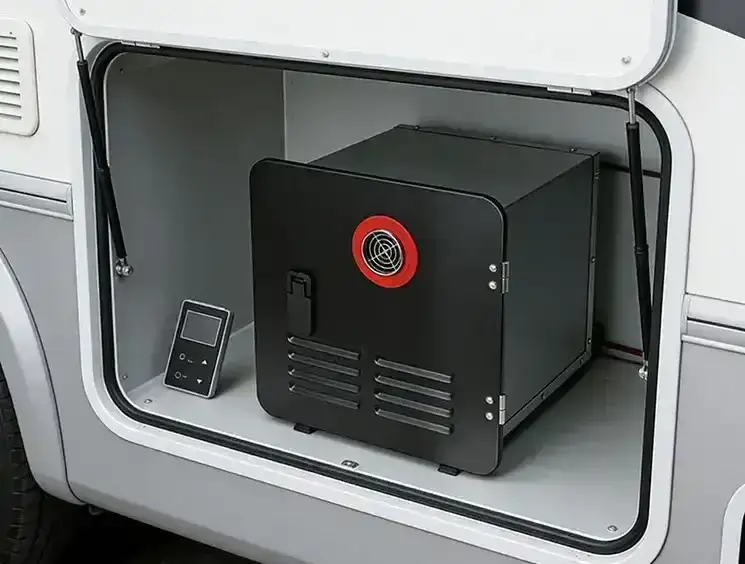
Performance, longevity, and energy savings must all be taken into account when choosing the best 12 volt water heater for rv use. TOJIRO's 8L Vehicle-Mounted Gas Instantaneous Water Heater is one of the best options because it produces a strong 17.5kW of heat, is very quiet (below 50dB), and only uses 20W of power. This device quickly heats 8 litres of water per minute, making it perfect for stores, rental companies, hotels, and other institutions that need a reliable, low-cost way to heat water. By learning about the technical details and buying strategies, you can make sure that your investment meets business needs and increases customer happiness and inventory turnover.
Introduction
Water heating systems are an important part of recreational vehicles because they directly affect how comfortable the users are and how efficiently the vehicles run. For business-to-business buyers, like purchasing managers at sporting goods stores, rental service operators, corporate event planners, and OEM partners, choosing the right RV water heating equipment means looking at technical specs, energy use profiles, installation needs, and long-term maintenance issues. Because RV applications are mobile, they need solutions that are small, light, and strong enough to work successfully in a wide range of situations.
Through precise engineering that combines traditional Japanese craftsmanship with modern manufacturing standards, TOJIRO's 12 volt water heater for rv addresses these challenges. Our ISO 9001:2015-certified production methods guarantee uniform quality, and our 45-day production cycle and ability to customise meet the needs of a wide range of markets. This guide helps procurement professionals make smart decisions by giving them detailed technical information, comparative analysis, and strategic sourcing suggestions.
Understanding 12 Volt Water Heaters for RVs?
Working Principles and Core Components
RV water heaters that use 12-volt direct current systems get their power from the batteries in the car. They use special heating elements to turn electrical energy into heat. Tojiro 8L uses a gas instantaneous heating system. The propane combustion creates the main thermal energy, and the 12V electrical system powers the ignition, control circuits and safety sensors. This hybrid method has a higher heating capacity—17.5kW at its peak—but only uses 20W from the battery system.
A heat exchanger, gas hob assembly, electronic ignition system, thermostat control unit and safety shutdown systems are the main parts. The heat exchanger quickly raises the temperature by moving heat from the burning gases to the moving water. The thermostat keeps the output temperature steady, which keeps people from getting burnt and makes the most of the fuel efficiency. Safety features like low-pressure cutoffs, overheat protection, and flame failure recognition make sure that the system works reliably even in tough circumstances.
Tank Versus Tankless Configurations
Tank-style water heaters have insulated reservoirs that hold heated water and keep it at the right temperature by heating the water periodically. This design makes hot water available right away, but it loses energy when it's not in use and has a limited capacity. Some types, like the TOJIRO instantaneous heater, don't have a tank. Instead, they heat water as it moves through the heat exchanger. This gets rid of standby losses, gives you an endless supply of hot water, and cuts down on weight and space needs, all of which are very important for RVs.
The TOJIRO unit's 8 kg/min flow rate lets it be used for multiple things at once, from washing hands to taking a full shower. The small size (11.5 kg) and wall-mounted installation style make the best use of internal room, which is important for RV layouts. When evaluating these configurations, procurement teams should think about how they will be used, how much power the vehicle has, and how much space they have.
Comparing 12 Volt Water Heaters: Making an Informed Choice
Power Efficiency and System Compatibility
When 12-volt DC systems are compared to 120-volt AC options, they show big benefits for mobile uses. DC-powered units work perfectly with RV battery banks and solar charging systems, so you don't need inverters, which add complexity and loss of power during transfer. The TOJIRO 12 volt water heater for rv uses very little current—20W is less than 2 amps at 12 volts—to leave more room in the battery for other important things.
Propane's high energy density is used in gas-powered heaters to produce 17.5kW of heat without putting too much strain on electrical systems. This mixed method works really well for operations that don't connect to the power grid, long stays at rest stops, and business rental fleets that need a steady hot water supply but can't rely only on their battery reserves. Managers of procurement should look at how efficient the whole system is by comparing how much electricity and fuel it uses in different possible usage scenarios.
Capacity and Heating Performance Analysis
The TOJIRO machine can handle more hot water than most RVs need—8 litres per minute. A typical RV shower needs about 2 to 3 litres of water per minute, which means that this system can be used in both the kitchen and the bathroom at the same time without any problems. The instantaneous heating design gets rid of the recovery time delays that come with tank models. This makes the user experience better and gives the business more options.
A minimum heat load of 4.5kW makes sure that the system works well even when the flow of water slows down, keeping the temperature stable during times when there is less demand. This adjustment feature stops temperature changes that could be unsafe or uncomfortable. This level of consistency in performance should be a top priority for buyers who work with glamping operations, business retreats, or renting services to make sure guests are happy and service issues are kept to a minimum.
Brand Reliability and Warranty Considerations
With more than 20 years of experience making outdoor gear, TOJIRO combines strict quality control with quick customer service. Our ISO approval shows that we follow international standards, and our one-year guarantee covers problems caused by poor manufacturing. The 45-day production cycle makes it possible to quickly fill large orders, which helps stores deal with yearly changes in their inventory.
When you compare TOJIRO to well-known brands like Eccotemp and Camplux, you can see that it has several advantages: it produces more heat, runs more quietly, and can be customised to fit your needs. Our OEM and ODM services let white-label partners choose their own special features, branding elements, and package layouts, which helps them stand out in the market. Distributors can use our technical support tools, such as installation guides, repair guides, and the ability to get new parts.
Installation and Maintenance Guide for 12 Volt RV Water Heaters
Installation Requirements and Best Practices
To install the TOJIRO 12 volt water heater for rv, you will need basic tools like screwdrivers, wrenches, a drill, and sealer. You will also need to have a basic understanding of the plumbing and electrical systems in RVs. The wall-mounted design makes installation easy either inside or outside, depending on the available space and ventilation needs. Proper venting keeps burning gas exhaust safe, which keeps carbon monoxide from building up.
To make an electrical connection, you have to connect the 12V power source to the control board while making sure you use the right voltage to avoid damage. To make sure the gas lines work safely, leaks must be checked at the joints using soap solution or electronic monitors. Standard RV plumbing fittings are used for both the water inlet and outlet connections, which makes them easier to connect to other systems. Professional RV techs can install each unit in just two hours thanks to the detailed step-by-step instructions that come with each one.
Following the rules set by RVIA and local laws protects you from harm and keeps you safe. Buyers should make sure that the people doing the work have the right credentials and follow the manufacturer's instructions to the letter. Paying attention to the right way to install cuts down on warranty claims, boosts customer satisfaction, and safeguards brand reputation—all of which are very important for stores and rental businesses.
Routine Maintenance and Longevity Optimization
Regular repair keeps technology running at its best and extends its life. To keep minerals from building up, the TOJIRO system needs to have its gas connections checked once a year, its burner assembly cleaned and its heat exchanger flushed. These steps take about an hour and don't need any special tools besides regular repair kits.
The modular design makes it easy to change parts, which cuts down on downtime and fix costs. TOJIRO's parts network makes it easy to get common wear parts like ignition wires, thermocouples, and seals. Preventative repair plans help keep equipment from breaking down when it's least expected. This is especially important for rental companies and hospitality businesses where downtime directly affects income.
Safety checks should make sure there is enough air flow, look for gas leaks and test the safety shutoffs. Keeping records of maintenance tasks helps with guarantee claims and shows that you did your job properly in business settings. Procurement managers should choose suppliers based on how easy it is to do upkeep and how readily available items are. This will ensure the long-term viability of the business.
Optimizing Energy Efficiency and Usage of 12 Volt RV Water Heaters
Power Consumption and Fuel Economy
One of the best things about gas-powered rapid devices is that they use less energy. The 20W of electricity used runs the spark and controls, and the 17.5kW of heat comes from burning propane, which makes the system very thermally efficient. At full power, this setup uses about 0.4 kg of propane per hour, which makes it cheaper to run than electric resistance heating.
The battery isn't affected much—continuous use uses less than 2 amp-hours a day for control tasks, so lights, fridges, and video systems can keep running. This speed comes in handy when boondocking and there aren't many chances to charge the batteries. Solar panel systems can easily meet the small amount of electricity needed, allowing for truly off-grid activities.
When looking at total energy costs, gas-powered 12 volt water heater for rv units provide hot water for about a third of the price of electric systems, taking into account the cost of fuel and how well the systems convert energy. Rental companies and fleet managers save money because they don't have to pay as much for fuel. Buyers who care about the environment also like that it leaves less of a carbon footprint than generator-powered electric heating.
Usage Optimization and Troubleshooting
To get the best results, you need to know what the system can do and how people usually use it. The TOJIRO unit's instantaneous heating gets rid of the need for preheating delays. However, for best temperature control, water needs to flow for a short time before the temperature settings are changed. The built-in thermostat keeps the output steady by automatically adjusting to changes in the flow rate and temperature at the inlet.
Problems that happen a lot include not heating enough (which is usually caused by low gas pressure or flow rate below the minimum threshold) and ignition failures due to low battery voltage or electrode fouling. The troubleshooting book that comes with each machine goes over these situations in a logical way, so you can fix the problem quickly without needing expert help. For business buyers, this self-service feature cuts down on operating disruptions and support costs.
Seasonal factors include steps to take before winter to protect against damage from freezing. The anti-freeze protection feature turns on automatically when temperatures get close to freezing, but damage can be avoided by draining the system properly before storing it for a long time. These simple steps guarantee reliable performance in a wide range of climates, from the deserts of Arizona to the high elevations of the Rocky Mountains.
Where and How to Procure the Best 12 Volt Water Heaters for RV Use?
Distribution Channels and Supplier Evaluation
B2B buyers can get TOJIRO products through a number of different channels, such as directly contacting the manufacturer, authorised distributors, and suppliers of speciality RV equipment. Direct procurement has benefits for buyers who buy in bulk, such as lower prices, more customisation choices, and earlier production schedule. Distributors help smaller stores by keeping goods close to home, delivering items faster, and combining orders.
Assessing manufacturing capabilities, quality certifications, and after-sales support infrastructure are all necessary when evaluating 12 volt water heater for rv suppliers. TOJIRO's ISO 9001:2015 certification shows that we control the manufacturing process and guarantee quality. Our one-year promise shows that we trust our products to last. As a pre-sales service, our expert support team helps buyers match product specs to application needs.
Checking for credibility means reading customer reviews, asking for sample units to be tested, and making sure the production capacity is known. TOJIRO's 45-day lead time strikes a good mix between the ability to make changes and the ability to meet shipping dates, which helps with planning seasonal inventory. Our OEM/ODM services allow for private labelling, custom packing, and changes to specifications, which lets us give unique products in markets that are very competitive.
Pricing Strategies and Negotiation Approaches
When you buy in bulk, you save a lot of money because you get volume discounts and your shipping costs are lower per unit. TOJIRO has tiered pricing that rewards customers for placing larger orders. There are also extra discounts for yearly contracts and buying more than one product. Seasonal sales run in sync with the cycles of the industry, giving you chances to stock up on goods before they become too popular.
Buyers have more negotiating power when they make clear promises to volume, offer open delivery times, and are willing to work with sellers on product development. Long-term partnerships are good for everyone. Stable demand lets producers get the most out of their output, and buyers get a steady supply of goods at lower prices. Other things that can be changed that affect the total cost of ownership are payment terms, shipping arrangements, and warranty upgrades.
When you do strategic buying, you think about more than just the purchase price. Long-term costs are lower because the TOJIRO machine lasts a long time, doesn't need much upkeep, and parts are easy to find. When comparing suppliers, you should look at things like warranty coverage, the quality of technical support, and the cost of replacement parts. This way, you can get a full picture of the value, instead of just looking at prices, which could hurt quality.
Conclusion
Technical performance, energy economy, ease of installation, and total operating costs must all be taken into account when choosing the best 12 volt water heater for rv. The 8L Vehicle-Mounted Gas Instantaneous Water Heater from TOJIRO is a great deal because it has a 17.5kW heating capacity, runs very quietly, and uses very little electricity. Our manufacturing is ISO-certified, we offer a one-year guarantee, and we have a full support system to give B2B buyers the confidence they need. Partnering with TOJIRO gives you access to high-quality water heating options backed by decades of experience and a dedication to customer success, whether you're in charge of store goods, rental fleets, or making OEM products.
FAQ
1. Are 12 volt water heaters safe for all RV types?
Good 12 volt water heaters made just for RVs meet strict safety standards that apply to all of them, including motorhomes, travel trailers, fifth wheels, and camping vans. The TOJIRO machine has several safety features, such as low-pressure sensors, overheat cutoffs, and flame failure recognition, so it can be used safely in any RV setup. If you follow the manufacturer's instructions and local building rules when installing something, it will work safely in a variety of car types.
2. Which is more energy-efficient: tank or tankless models?
Tankless immediate heaters use less energy because they don't have to keep the saved water at the right temperature, so they are more energy efficient. The TOJIRO device only heats water when it is needed, so it only uses fuel and power when it is being used. Tank types keep the temperature steady by cycling all the time, which wastes energy when hot water isn't needed. Tankless designs also offer an unlimited supply, so they can be used for longer periods of time without any capacity limits.
3. What lifespan can I expect with proper maintenance?
When repair plans are followed regularly, a high-quality 12 volt water heater for rv units like TOJIRO's 8L model should last between 8 and 12 years. Inspections once a year, regular cleaning, and replacing worn parts when they wear out will extend the life of the machine. In commercial settings with a lot of use, repairs may need to be done more often, but basic durability guarantees a great return on investment in both home and business settings.
Partner with TOJIRO: Your Trusted 12 Volt Water Heater for RV Manufacturer
Procurement professionals are invited by TOJIRO Electric Machines to see for themselves why we are the best 12 volt water heater for rv provider. Our ISO-certified manufacturing, ability to customise, and quick 45-day production cycles meet a wide range of business needs, from managing store supplies to working with OEMs. Contact our technical specialists at [email protected] to discuss bulk pricing, customization options, and how our Japanese craftsmanship combined with modern technology can enhance your product offerings and customer satisfaction.
References
1. National Fire Protection Association. (2021). NFPA 1192: Standard on Recreational Vehicles. Quincy, MA: NFPA Publications.
2. Recreational Vehicle Industry Association. (2022). RV Electrical Systems: Standards and Best Practices. Reston, VA: RVIA Technical Publications.
3. Department of Energy. (2020). Energy Efficiency in Mobile Living: A Comprehensive Guide to RV Water Heating Systems. Washington, DC: DOE Technical Report Series.
4. American Society of Mechanical Engineers. (2019). ASME Guidelines for Portable Water Heating Appliances. New York, NY: ASME Standards Publication.
5. International Organization for Standardization. (2018). ISO 9001:2015 Quality Management Systems: Implementation in Outdoor Equipment Manufacturing. Geneva, Switzerland: ISO Publications.
6. Consumer Product Safety Commission. (2021). Safety Standards for Gas-Powered Appliances in Recreational Vehicles. Bethesda, MD: CPSC Regulatory Guidelines.

USER EVALUATE
Here is the customer's evaluation of us
_1763607881538.webp)
_1763607708566.webp)
_1763606719875.webp)