



How to maintain an exterior propane tankless water heater
In order to maintain top performance and life, an exterior propane tankless water heater needs to be inspected frequently, descaled, winterised, and serviced by a qualified technician. For business use, these on-demand heating systems provide instant hot water. However, when installed outside, the units are exposed to weather conditions that require proactive upkeep. Knowing how to take care of your investment properly will protect it and make it run more efficiently in rental companies, hotels, and other places where reliable hot water service is still necessary.
Introduction
This detailed guide is for purchasing managers, facility engineers, distributors, and OEM partners who choose or oversee commercial water heating systems that use propane. We look at why regular maintenance is important for outside installations and how planned maintenance directly affects the life of units, how well they work, and how much energy they use. Procurement workers learn useful information that they can use to cut down on machine downtime, lower total ownership costs, and help facility managers make better decisions. If you run a glamping site that needs long-lasting gear, a corporate event venue that needs dependable service, or a store that sells private-label goods, these maintenance best practices will help you in all of these B2B situations where propane tankless technology provides on-demand hot water solutions.
Understanding the Basics of Exterior Propane Tankless Water Heaters
How Tankless Technology Works?
By only heating water when it's needed, propane tankless water heaters don't waste energy when they're not in use. When you turn on a hot water tap, cold water runs through the unit's heat exchanger while propane burners light up and quickly heat the water. This on-demand method is very different from traditional tank systems, which use a lot of energy to keep the water in the tanks at the right temperature all the time. Businesses can use hot water indefinitely without having to store it in big tanks, which takes up room.
Key Components and Their Functions
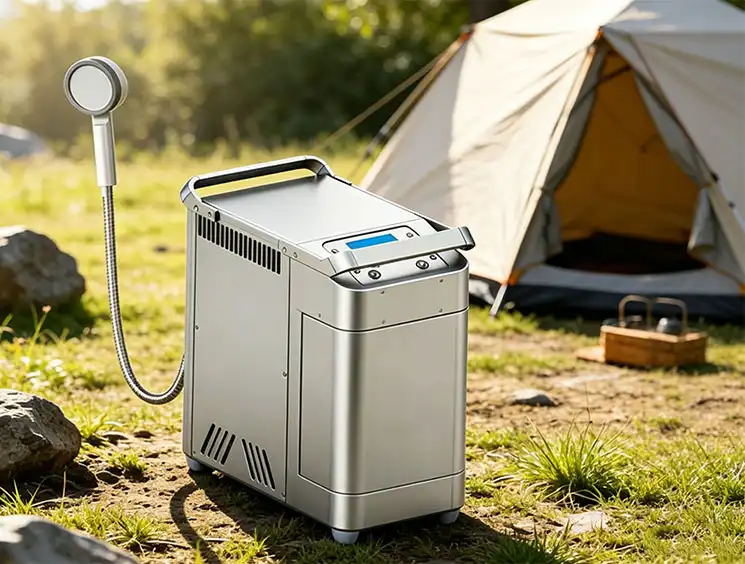
The burner unit turns gas into heat, and the heat exchanger moves that heat to the water that is flowing by. Temperature sensors check the conditions at the inlet and outlet and change the burner's output to keep the delivery temperatures stable. The control board coordinates these parts, and in more advanced models, like TOJIRO's portable water heater with a 34,000 BTU output and 10,000W heating power, a smartphone app lets you change the temperature and check the battery level from afar using simple controls. Five-liter-per-minute flow rates are possible with water pump systems, which is enough for showers and cleaning at campgrounds or temporary facilities.
Commercial Advantages
Businesses choose gas tankless units because they don't take up much space, which is useful in equipment rooms and outside installs. Using less energy lowers costs compared to using electric resistance heating or tank heaters that fire all the time. Because burning propane produces fewer greenhouse gas emissions than many other options, it is good for the environment and helps companies meet their sustainability goals. Rental companies like how portable modern units are that come with 10,000mAh batteries that let them work without a cord for up to 4 hours. Hospitality clients like the way wall-mounted or unobtrusive outdoor pieces look and don't get in the way of guests' experiences. Buyers from the government put a high value on rugged construction that meets ISO9001:2015 standards for manufacturing to ensure dependability in harsh field conditions.
Common Maintenance Challenges & How to Address Them?
Weather-Related Issues
Placing an exterior propane tankless water heater outdoors exposes it to temperature swings, rain, and UV light—all accelerating component wear. Freezing water can burst lines and damage heat exchangers when it expands. Metal housings and gas fittings corrode from rain and humidity, especially near salty coastal air. Wind can extinguish pilot flames or disrupt proper combustion airflow. Understanding these environmental stressors helps procurement teams select appropriate protective enclosures and schedule maintenance plans aligned with local weather conditions.
Mineral Scaling and Water Quality
Minerals that are dissolved in hard water settle to the sides of heat exchangers during heating cycles and form insulating scale layers. This buildup makes heat transfer less effective, which means burners have to work harder, use more gas, and produce lower temperatures. Scale buildup also blocks waterways, which slows flow rates and could cause heating protection to shut off. Regular descaling processes using approved chemical solutions improve the performance of heat exchangers and keep them from breaking down too soon.
Installation and Inspection Gaps
Installing something incorrectly the first time makes upkeep more difficult over time. When gas pressure settings are wrong, incomplete combustion happens, which builds up carbon and lowers efficiency. When venting isn't done right, exhaust gases can flow back into combustion air openings, which hurts performance and poses safety risks. When weather protection is missing or broken, it lets water into sensitive electronics and ignition parts. If you don't check things often enough, small problems like loose parts or worn-out seals can get worse and cost a lot to fix or even cause the whole system to fail during busy times.
Preventive Maintenance Solutions
Mineral deposits get rid of before they slow things down when flushing is done on a regular schedule. Winterisation procedures remove water from all openings and keep weak parts from getting damaged by freezing in cold places. Checks of the gas system make sure there is enough pressure, look for leaks, and make sure the burner flame characteristics stay within the parameters. These proactive steps make equipment last longer in industrial settings while keeping the reliable hot water delivery that rental businesses, corporate buildings, and institutional buyers need for uninterrupted service.
Step-by-Step Maintenance Guide for B2B Facilities
Monthly Visual Inspection Checklist
Visually check the state of the burner chamber, the gas link, the water inlet filter, and the orientation of the venting system. Check the gas tank for rust, dents, or other harm that means it needs to be replaced. Check to see if the mounting brackets are loose, which could let vibrations damage the car. Check the electrical connections on units that are handled by an app and make sure the battery terminals are clean and safe. Check for signs of water leaks around pump housings or pipe joints. If you find any, fix the problem right away to stop corrosion from getting worse. Regularly write down what you find so you can keep track of the state of parts over time and spot new trends that need your attention. This organised method helps rental companies that have many units at different locations provide consistent service while maximising the speed of technician dispatch.
Quarterly Performance Testing
Check the actual temperature of the water at different flow rates and compare the results to what the manufacturer says should be done. Check to see if smartphone apps can connect and see how responsive units with digital interfaces are. Check the reliability of the ignition by starting it several times and writing down any patterns of hesitation or failure. Keep an eye on how much gas is being used compared to how much hot water is being produced. This will help you figure out how well the heat exchanger is working. Write down these performance factors so that you have a starting point for making smart replacement decisions when the system's efficiency falls below what is considered okay for business use.
Semi-Annual Deep Cleaning
For a thorough cleaning of an exterior propane tankless water heater, disassemble the burner assembly and use compressed air to clear combustion chamber passages of dust and debris. Flush the heat exchanger with manufacturer-approved descaling solutions that break down mineral deposits without damaging metal surfaces. Clean or replace water intake filters that protect pump mechanisms and flow monitors by trapping sediment. Flame sensors monitor combustion quality and require regular inspection and cleaning to ensure safe, reliable operation. These detailed service procedures maintain the high performance corporate clients expect during outdoor events or campground operations where equipment failure directly impacts guest satisfaction.
Annual Winterization Procedures
Use the marked drain ports to get rid of all the water in the system, and then use compressed air to blow out any remaining water. To keep the batteries' power during the off-season, disconnect them and put them in a temperature-controlled area. Cover metal areas that will be exposed to winter weather with coatings that stop rusting if the units stay in place all year. Check for damaged seals and fix them before it gets cold. This will keep water out and stop freeze damage. Cover units with specially made weather protection that lets air flow but keeps out rain and wind. These important steps protect the money you spend on tools for seasonal businesses like summer camps, outdoor wedding venues, and leisure centers that have long off-seasons.
Implementing these structured maintenance protocols, you can protect the equipment's dependability, which is what sets professional installations apart from amateur ones. Professionals in procurement know that good maintenance habits have a direct effect on customer satisfaction in hospitality settings, safety compliance in institutional settings, and the ability to keep running in rental fleet management.
Maximizing Energy Efficiency and Lifespan
Temperature Control Optimization
Smart thermostat control finds a balance between how much energy is used and how much warmth is needed. By setting delivery temperatures that are right for each job, you can meet operational needs without using too much propane. At glamping sites, showers may need to be 105°F for a high-end experience, but at basic campgrounds, 95°F is fine for most people. App-enabled units can be changed from afar to match patterns of use, which cuts down on wasted fuel during times when demand is low. Temperature control systems that keep the output constant stop dangerous spikes and make the best use of fuel efficiency by cycling the burners.
Proper Sizing for Commercial Throughput
Undersized units have a hard time keeping up with peak demand, so they keep going at full speed, which speeds up the wear and tear on the parts. When burners cycle too often or work at inefficient low fire settings, over-sized systems lose fuel under normal working conditions. For accurate load estimates, fixture use, arriving water temperatures, and desired delivery temperatures must all be taken into account at the same time, even when the seasons change. When it's busy in the morning, corporate event planners need enough space to handle multiple showers at the same time. RV park owners, on the other hand, can spread the load across several carefully placed units that serve different zones. Talking to suppliers with a lot of experience can help you match the specs of the equipment to the needs of the application, which improves both performance and lifecycle costs.
Component Replacement Timing
Worn parts make machines less effective before they break completely. Seals that are worn out let air in, which makes burning less efficient. Corroded burner orifices cause flame patterns that aren't straight, which makes heat movement less effective. When starting parts fail, the engine has to be started more than once, which wastes gas and annoys users. Unexpected downtime can be avoided by setting replacement schedules based on manufacturer service intervals and actual operating conditions. Keeping enough extra parts on hand lets you fix things quickly, which cuts down on service interruptions, which are bad for rental businesses because every day they're not running means lost income and unhappy customers.
Professional Servicing Value
Certified technicians bring special diagnostic tools that can find problems that aren't visible during regular inspections. These people are skilled at finding early signs of failure and making precise changes to keep plant performance standards. Professional service that is scheduled includes testing, adjusting, and calibrating in a way that is beyond the abilities of most maintenance staff. This professional care makes equipment last longer and makes sure it meets safety standards, which is important for government buildings that serve the public and business buildings that want to limit their risk.
These methods help achieve sustainable goals, which are becoming more important to institutional buyers and hospitality brands that care about the environment, while also lowering running costs. Improving energy efficiency cuts down on both carbon emissions and running costs at the same time, making equipment more valuable over its entire lifetime.
Professional Installation & Support for Seamless Maintenance
Installation Quality Impact
When you setup something correctly the first time, it sets the stage for efficient long-term use. Professional installers make sure that there is enough gas supply pressure across the whole operating range. This makes sure that the hob works the same way even when demand changes. They set up the right venting so that the byproducts of combustion can safely escape while still letting in enough fresh air for the propane to burn completely. Code-compliant installations follow safety rules that protect people and limit an organization's liability exposure. When equipment is mounted correctly, it is protected from damage and placed so that it is best protected from the weather and easy to service. These basic installation elements greatly lower the need for future upkeep, extending the life of the equipment.
Brand Selection Considerations
TOJIRO combines the precision of traditional Japanese craftsmanship with modern manufacturing technology to make exterior propane tankless water heaters that meet strict ISO9001:2015 quality standards. Our units can heat up to 34,000 BTU and give hot water in three seconds thanks to modern control systems. The design doesn't use fans, so it runs quietly, keeping outdoor spaces at glamping sites and homes quiet. Temperature control and battery tracking through apps give rental companies the operational freedom they need for a wide range of deployment situations. We stand behind our goods with full 1-year warranties and quick technical support, so buying professionals can get help when they need it.
Service Network Development
Building relationships with certified service technicians makes it easier to coordinate ongoing maintenance. Many facilities don't have the skills to diagnose and fix propane systems on their own, so they need to work with outside service providers to keep their operations running smoothly. Suppliers who offer maintenance contracts guarantee the availability of parts, schedule maintenance, and respond quickly to emergencies. These all-inclusive support plans are especially helpful for operators with multiple sites who are in charge of handling distributed equipment setups that need uniform service standards. Service capability paperwork is often required by government buyers during the procurement process. This makes seller support infrastructure an important selection factor.
Warranty and Parts Availability
Strong insurance coverage protects equipment investments against flaws in the manufacturing process and early component breakdowns. When comparing different providers, it's helpful to have clear warranty terms that spell out the length of the service, the parts that are included, and how to file a claim. Replacement parts are easy to find, which cuts down on repair times. This is especially important for businesses where losing hot water can directly affect their ability to make money or meet their service obligations. OEM partners really appreciate it when sellers keep a lot of parts on hand to support white-label goods after the sale is over.
Working with trustworthy manufacturers that offer full installation support, training materials, and ongoing technical support creates operational benefits that last far beyond the purchase of equipment. These ties with suppliers turn into strategic assets that help the building perform well and keep customers happy over many years of service.
Conclusion
When you take care of exterior propane tankless water heaters, you protect your investments in equipment and make sure that business uses can depend on getting hot water. Inspections done on a regular basis find new problems before they get worse and cause expensive fails or service interruptions. Systematic cleaning gets rid of deposits that slow things down, and winterisation procedures keep things from freezing up in cold places. Professional installation and ongoing service partnerships provide the technical know-how that makes equipment last longer and work more efficiently. When procurement pros use these best practices for maintenance, they lower the total cost of ownership, cut down on downtime, and get the most out of energy use, all of which help achieve sustainability goals. Disciplined maintenance gives real practical benefits and long-term equipment reliability, whether you're in charge of rental fleets, business buildings, or institutional installations.
FAQ
1. How often should exterior propane tankless water heaters receive professional service?
Professional inspections once a year give full diagnoses that find problems that regular upkeep can't. Commercial systems that get a lot of use should be serviced every six months. This is especially important in harsh settings with extreme temperatures, hard water, or heavy task cycles. Rental companies that move equipment between sites should set repair reminders based on working hours instead of calendar dates. This way, each unit gets the care it needs based on how often it is used.
2. Can these units withstand cold-climate operation?
If you properly winterise and keep a good exterior propane tankless water heater, it will work reliably even when it's freezing outside. Important safety measures include draining water passages when not in use for long periods of time, insulating exposed pipes, and putting units in protected areas that keep them from being directly exposed to weather. Portable types that run on batteries need to be kept inside so that the power systems don't get damaged by extreme cold. Installation guidelines that are tailored to the climate help procurement professionals choose the right configurations and safety measures for the area.
3. What capacity sizing suits commercial operations?
For proper sizing, you need to figure out the highest demand at the same time from all sources, taking into account the temperature of the water going in and the settings you want for delivery. At 105°F, a normal shower uses two to three gallons of water every minute, while a washbasin for washing your hands uses only half that amount. If four people are going to be showering at the same time, a corporate event space needs to be able to handle at least 10 gallons per minute. On the other hand, campground bathroom buildings have different schedules for users, so each fixture can handle less water. Talking to experienced suppliers makes sure that load calculations are accurate and that equipment specs match actual operational needs. This way, you can avoid expensive undersizing or wasteful oversizing.
Partner with TOJIRO for Reliable Exterior Propane Tankless Water Heater Solutions
Tojiro makes high-quality exterior propane tankless water heater systems and offers quick technical support in line with ISO9001:2015 standards. Our portable water heaters have a heating capacity of 34,000 BTU, can be controlled by a smartphone app, and have a battery power of 10,000mAh. This gives rental businesses and temporary facilities the installation freedom they need. We support white-label partners and branded resellers in a wide range of market segments with full ODM and OEM customisation options. With 45-day production processes and a 1-year warranty, we can meet your needs quickly while protecting your machine investments. Get in touch with our team at [email protected] to talk about buying in bulk, technical details, and maintenance support programs that are tailored to your needs. As a well-known provider of exterior propane tankless water heaters, we offer the knowledge and high-quality products that B2B experts expect from top manufacturers in the field.
References
1. Anderson, J.M. (2021). Commercial Water Heating Systems: Design, Installation, and Maintenance Best Practices. Industrial Equipment Publishers.
2. Chen, L. & Roberts, D.K. (2022). "Energy Efficiency Analysis of Tankless Water Heating in Commercial Applications." Journal of Facility Management Technology, 18(3), 145-162.
3. National Propane Gas Association. (2023). Propane Water Heater Installation and Service Manual. 4th Edition. NPGA Technical Publications.
4. Thompson, R.A. (2020). Outdoor Equipment Maintenance for Hospitality and Recreation Industries. Commercial Services Press.
5. United States Department of Energy. (2022). Water Heating Equipment Guidelines for Commercial and Institutional Facilities. DOE Energy Efficiency Standards.
6. Williams, S.J. & Martinez, C.E. (2023). "Preventive Maintenance Protocols for Exterior Propane Systems in Variable Climate Conditions." Facilities Engineering Quarterly, 41(2), 78-94.

USER EVALUATE
Here is the customer's evaluation of us
_1763607842349.webp)
_1763607791883.webp)
_1763606719875.webp)