



Is a Portable Heater Outdoor Camping Safe for Tents?
Outdoor fans and business buyers alike are both very concerned about the safety of using a portable heater outdoor camping when it comes to tent warmth during cold-weather excursions. Yes, but only if very important safety rules are followed. Modern camping heaters have improved safety features like tilt protection systems, oxygen loss monitors, and automatic shut-off mechanisms that make them much safer to use. By learning about these safety measures and choosing approved gear, campers can have a relaxed time while still meeting important safety standards.
Understanding Portable Heaters for Outdoor Camping
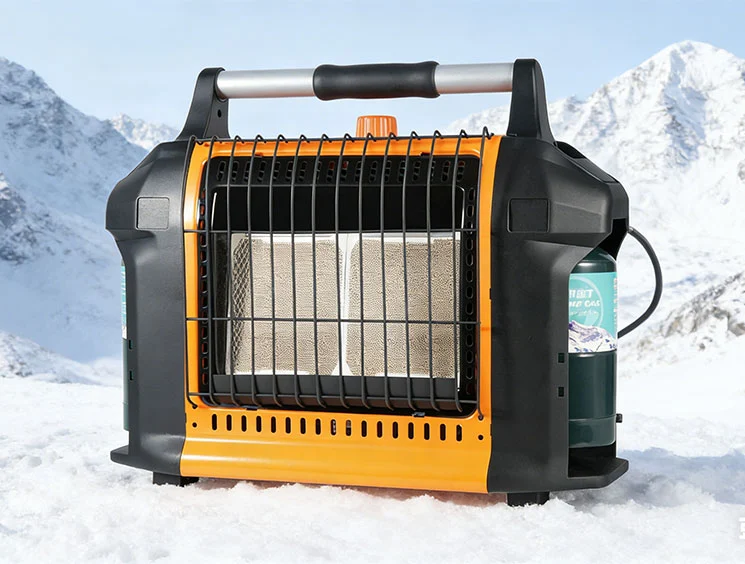
There are different fuel systems that portable heater outdoor camping solutions use, and each has its own benefits for different camping situations. Units that are driven by propane put out a lot of heat—between 4,000 and 18,000 BTUs—so they're great for harsh weather and bigger tent areas. Electric types run cleanly and don't release any pollution, but they need stable power sources or portable battery stations. The best thing about battery-powered heaters is that they are very portable, but they usually only heat up smaller areas.
Fuel Type Variations and Efficiency
How camping heaters work has a direct effect on how well they work for B2B buying choices. Propane heaters like the TOJIRO GH25-18B type put out 5,200W of power and use 188g of gas per hour, which is enough to heat an area up to 15 square meters efficiently. Rental companies and hotels that need to know how much fuel will cost and depend on the vehicle's performance can save money by using it in this way. Electric heating systems work great in camps with electrical lines because the thermostat can be controlled and the system runs quietly, making users more comfortable. These units usually have a power range of 500W to 2,000W and keep things warm without having to worry about fuel storage. Battery-powered options use reusable lithium technology and can work for 3 to 8 hours, based on the temperature settings and the weather.
Market Applications and Business Benefits
When distributors and sellers know about these operating differences, they can help customers find the right heating options. Propane models are better for rental companies because they last longer and put out more heat, while electric models might be better for glamping businesses because they are quieter and easier to control the temperature. Standardized propane systems are often the first choice for the government when they buy things for disaster preparations and group camping programs.
Safety Considerations of Using Portable Heaters in Tents
Safety rules are the basis of responsible tent heating, which protects end users and lowers B2B providers' worries about liability. When using fuel-burning heaters in small areas, the biggest danger is carbon monoxide poisoning. The oxygen depletion sensors (ODS) in modern portable heater outdoor camping units handle this issue by immediately stopping gas flow when oxygen levels fall below safe levels.
Ventilation Requirements and Fire Prevention
Airflow is required even for safety-certified heaters. Tent manufacturers recommend two air ports for fuel-burning heaters. This circulates air, preventing carbon monoxide buildup and maintaining oxygen levels. Tilt protection and oxygen shortage monitors are included in the TOJIRO GH25-18B. Together, these technologies increase safety. Keep safety zones around heating equipment to prevent fires. Tent walls and bed materials must be 36 inches apart for safety. Cold-rolled steel makes TOJIRO heaters sturdy, safe, and heat-distributing. Automatic shut-off systems also cut off equipment that tip or overheat.
Certification Standards and Compliance
When buying heaters for businesses, they should look for ones that have safety certifications like CSA, CE, or regional standards that are similar. The GB/T38522-2020 standard makes sure that safety performance tests and quality control in production happen. These licenses keep sellers from being sued and reassure customers that the products they buy will work. Throughout the lifecycle of a product, regular safety checks and upkeep procedures make operations even safer. Knowing about these safety issues helps B2B clients teach and help users correctly, which builds stronger customer relationships and stays in line with safety standards in the business. This information also helps people choose products that meet both performance needs and risk management goals.
Comparing Portable Heaters: Which is Best for Tent Use?
Comparing different heating systems shows important trade-offs in performance that affect how businesses buy things. Propane heaters work great in harsh situations because they give off the same amount of heat no matter what the temperature is outside. For example, the TOJIRO GH25-18B has this benefit because it can use multiple fuels. It can accept propane canisters, high-altitude gas canisters, and LPG tanks with the right adapters.
Performance Analysis by Fuel Type
Propane models have better heat-to-weight ratios, which is why professional guides and adventure companies choose them. These units usually put out between 4,000 and 18,000 BTUs while keeping a small size that makes them easy to move and store. With instant ignition methods and fast heating options, users can reach a reasonable temperature in 5 to 10 minutes after starting up. Electric heaters let you precisely control the temperature and run quietly, which makes them popular in high-end camping areas and family-friendly places. But because they rely on electricity infrastructure, they can't be used in remote areas. Ceramic and infrared electric types distribute heat well without any moving parts, which makes them easier to maintain for rental businesses that do a lot of them.
Durability and Warranty Considerations
Product durability and cost depend on building materials. Aluminum housing is less durable than cold-rolled steel. It can bear the stress of moving and the frequent setups in rentals. Our one-year warranty protects your investment and proves that TOJIRO believes in our goods' quality. Noise drastically affects user comfort, particularly during family camping vacations. Although they create less heat, catalytic heaters radiate heat softly without fans, making them perfect for calm sleeping conditions. Fan-forced types heat quicker but make more noise, which may be bothersome in tents. The best portable heater outdoor camping option balances heat production and noise tolerance for a better outdoor experience.
How to Select and Maintain Portable Heater Outdoor Camping Equipment?
To choose the right heating equipment, you need to look at the specific needs of the product and the types of people who will be using it. Business-to-business buyers need to compare the heat output ability to the size of a normal tent and the weather they expect. The TOJIRO GH25-18B and other similar units can heat an area of 15 square meters, which is enough for most family tents and small group camping situations that happen in businesses.
Technical Selection Criteria
The amount of fuel used has a direct effect on both operating costs and user comfort. With gas consumption rates of 188g/hour, buyers can figure out how much it will cost to run and how much fuel they will need for longer hiking trips. Multi-fuel compatibility increases the supply chain's flexibility by letting businesses get fuel nearby instead of keeping a special supply on hand. Weight affects how much it costs to move and how hard it is to set up. Professional-grade heaters have a net weight of 4.8kg, which is a good mix between sturdiness and portability. The small size (475x215x370mm) makes it easier to store in standard equipment cases while still being able to heat enough for business use.
Maintenance Protocols and Best Practices
Good maintenance extends equipment life and ensures safety. Regularly cleaning gas burner components prevents clogging, which may reduce burning efficiency and safety. For long-term system performance, pressure valves and gas lines should be examined annually. Commercial fuel storage must be carefully considered. Propane tanks must be maintained in well-ventilated, heat-free areas per local fire safety regulations. Inventory movement keeps gasoline fresh and prevents cylinder failure, which might influence performance. Service reliability is maintained by scheduling replacements depending on hours spent and safety assessments. Professional maintenance logs manage service data for regulatory compliance and warranty claims in institutional purchases.
Enhancing User Experience with Accessories and Setup Guides
Adding accessories improves heating efficiency and enhances user satisfaction across a wide range of camping scenarios. Wind guards help regulate airflow through burner units, preventing drafts from affecting performance. Battery-powered ignition systems, like LED-assisted starters, eliminate the need for matches or external ignition sources—making portable heater outdoor camping setups more convenient, reliable, and user-friendly.
Performance Enhancement Accessories
Adjustable thermostats let you precisely control the temperature, which saves gas and keeps you comfortable. These extras are especially useful for long-term camping trips where stable temperatures make guests happier. Carrying bags protect equipment while it's being moved and keep items organized so that setup is faster. Adapter kits make it possible for single heater models to work with different types of gas cylinders. This adaptability makes it easier for rental businesses to keep track of their goods and works with different fuel supply situations in different parts of the world. Professional-grade valves keep the gas pressure steady no matter what the tank size or temperature is outside.
Setup and Troubleshooting Procedures
Users can prevent safety and performance issues with complete setup instructions. Step-by-step directions for ventilation, clearing, and ignition ensure consistent job quality. Use visual review checklists to spot issues early. Common operational issues including faulty ignitions, inconsistent heating, and gas overuse are troubleshooted. If diagnostic procedures are straightforward, users may repair tiny issues without professional support. It saves B2B suppliers time and money on support. Business training should include safety briefings, maintenance timetables, and emergency procedures. These technologies enable rental firms and institutional purchasers comply, safeguard end users, and reduce legal concerns.
Conclusion
Portable heater outdoor camping safety in tents relies on choosing the right gear, following the right steps for installation, and teaching the user how to use it. Modern heaters have improved safety features, such as oxygen depletion monitors and automatic shut-offs, that make them much safer to use when they are properly set up and used. Business-to-business buyers should look for approved tools with full safety systems and make sure that users are properly trained and that there are proper ventilation rules. The TOJIRO GH25-18B meets these safety standards with its dual security systems and ability to work with a variety of fuels, making it useful in a wide range of industrial settings. To be successful in this market, you need to find a balance between strict safety rules and performance standards.
FAQ
1. Can portable heaters be safely used inside all tent types?
Portable heaters can be used safely in most types of tents as long as they have enough space and air flow. Larger tents let more air flow through them, while smaller enclosed areas need to be closely watched to make sure oxygen levels and air flow are okay.
2. What fuel type offers the best efficiency for commercial camping operations?
Propane is the most efficient fuel for most industrial uses because it consistently produces heat, works well at different temperatures, and is easy to find. Units like the TOJIRO GH25-18B can use more than one fuel, so they can be used in a variety of supply chain situations.
3. How long do quality camping heaters typically last in rental operations?
When used in rented properties, professional-grade heaters that are properly maintained should last between 5 and 7 years. Inspections and replacement of parts on a regular basis increase the life of an activity while keeping it safe.
Partner with TOJIRO for Premium Camping Heating Solutions
TOJIRO is a top portable heater outdoor camping maker. They combine traditional Japanese artistry with modern industrial technology to make great heating solutions for businesses. Our GH25-18B third-generation portable gas heater has a power output of 5,200W, can use multiple fuels, and has full safety systems that meet international ISO standards. With 45-day production processes and a lot of ODM/OEM customization options, we can help stores, rental companies, and institutional buyers find the right solutions. TOJIRO is the go-to portable heater outdoor camping source for companies looking for dependable, certified heating equipment thanks to our one-year insurance coverage and affordable bulk pricing. You can email our team at [email protected] to see all of our products and talk about your unique buying needs.
References
1. National Institute for Standards and Technology. "Safety Guidelines for Portable Heating Devices in Recreational Vehicles and Temporary Structures." NIST Special Publication 1500-3, 2023.
2. American Society of Heating, Refrigerating and Air-Conditioning Engineers. "Ventilation Requirements for Temporary Enclosed Spaces During Recreational Activities." ASHRAE Standard 62.2-2022.
3. International Organization for Standardization. "Portable Gas-Fired Heating Appliances for Recreational Use: Safety and Performance Requirements." ISO 8289:2021.
4. Outdoor Industry Association. "Market Analysis: Portable Heating Equipment Trends in Recreational Camping." OIA Research Report, 2023.
5. Consumer Product Safety Commission. "Carbon Monoxide Poisoning Prevention in Recreational Camping Equipment." CPSC Publication 466, 2022.
6. Fire Protection Research Foundation. "Fire Safety Assessment of Portable Heating Devices in Textile Shelters." FPRF Technical Report 2023-4.

USER EVALUATE
Here is the customer's evaluation of us
_1763607842349.webp) VIEW MOREoutdoor standing propane heater
VIEW MOREoutdoor standing propane heater VIEW MOREpropane unit heater for garage
 VIEW MORE5 foot tall propane patio heater
_1763607744591.webp) VIEW MOREportable propane heater with fan
VIEW MOREportable propane heater with fan VIEW MOREportable dual burner
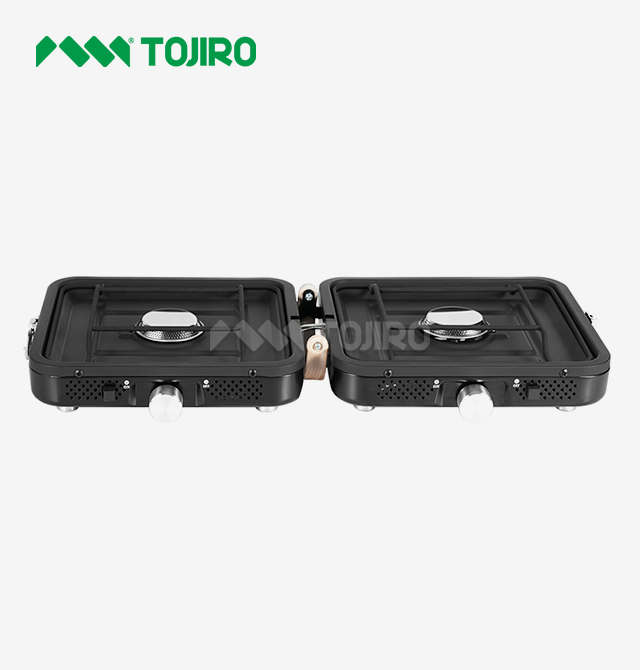 VIEW MOREbutane double burner camping stove
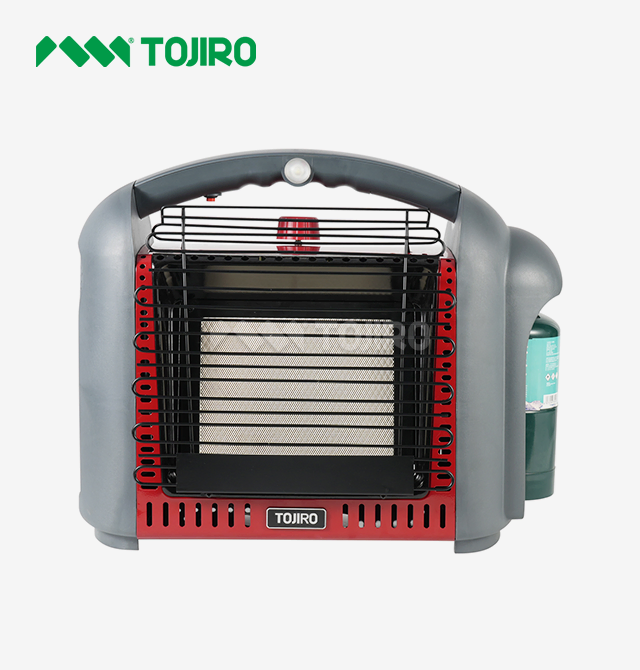 VIEW MOREpropane heater outdoor camping
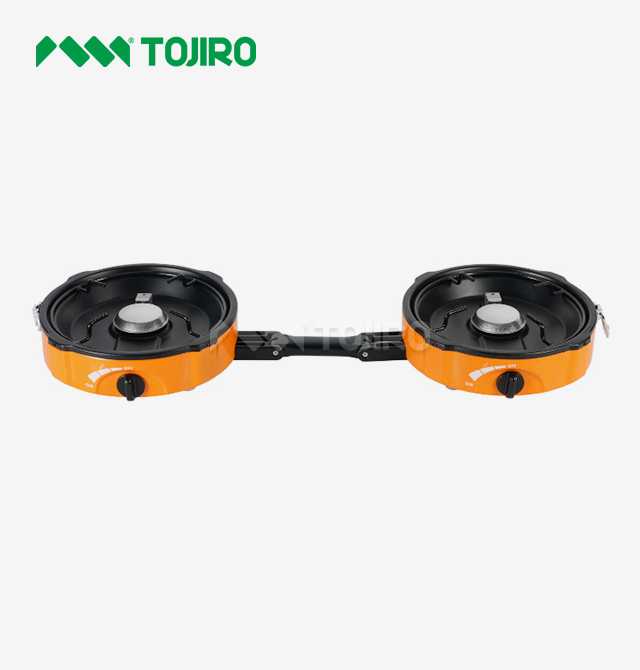 VIEW MOREdual burner butane stove