


8500 BTU Kerosene Heater Setup and Maintenance Guide
To put together and take care of an 8500 BTU kerosene heater, you need to know where to put it, follow safety rules, and keep it in good shape. These adaptable heaters heat rooms that are about average in size quickly and effectively by using cutting-edge burning technology to turn eco-friendly fuel into steady heat output. It is important to know how to set up and take care of portable gas heaters so that they work well and follow safety rules. This is true whether you are in charge of rental businesses, corporate buildings, or getting heating solutions for schools. There is a lot of information in this book, from the original setup to long-term care. It's meant to help people who buy things and run buildings get the most out of the money they spend on heating while keeping things running smoothly.

Understanding 8500 BTU Kerosene Heaters: Operation and Benefits
These days, gas heaters use controlled burning to quickly and efficiently turn fuel into heat energy. Safe for the weather kerosene is burned in a room that keeps the temperature stable. This heat is then sent out into the area. Better safety features keep an eye on the flame's steadiness and the flow of fuel. Electronic lighting systems get rid of the need to light the fire by hand.
Core Operating Principles
The basic process is based on controlling the flow of fuel and its burning. Through valves that can be turned, kerosene moves from the fuel tank to the combustion chamber. A stable blaze is made in the burning chamber by an electric spark. The heat exchanger does its job of moving heat well, and the vent systems safely deal with the waste heat from burning.
Business and industry can gain a lot from these tools because they are useful for running things. These are the main things that make gas heaters truly great:
1. Portability and Independence: The units don't need to be plugged in to work, so they can be used to heat homes when the power goes out or in rural areas where energy might not be available or might not work right.
2. Cost-Effective Operation: When you compare the cost of one BTU to another, kerosene fuel is generally cheaper than gas or electricity. In work settings, this means that these heaters are cheap for long periods of time.
3. Consistent Heat Output: The warmth stays the same because of cutting-edge burning technology, so it doesn't change like other pocket heaters do.
4. Rapid Heating Response: Gas heaters start putting off heat right away, which is very important in emergency heating situations. Electric heaters need time to warm up.
A lot of different business jobs can be made better right away with these organizational perks. People who rent things like it because it's strong and doesn't need much care. It can be moved and set up many times. Some corporate buildings like not having to rely on their electrical systems. This is especially helpful in case of an accident or when events are held outside, where regular heating might not work.
Fuel Efficiency and Environmental Considerations
Modern kerosene lamps are made with care for the environment in mind. The people who make them focus on making fuels that burn cleanly and making the burning process more efficient. They give off a lot of heat for their size and only use 0.23 to 0.26 liters of fuel per hour. This level of efficiency means lower running costs and less damage to the environment compared to heating choices that aren't as good at what they do.
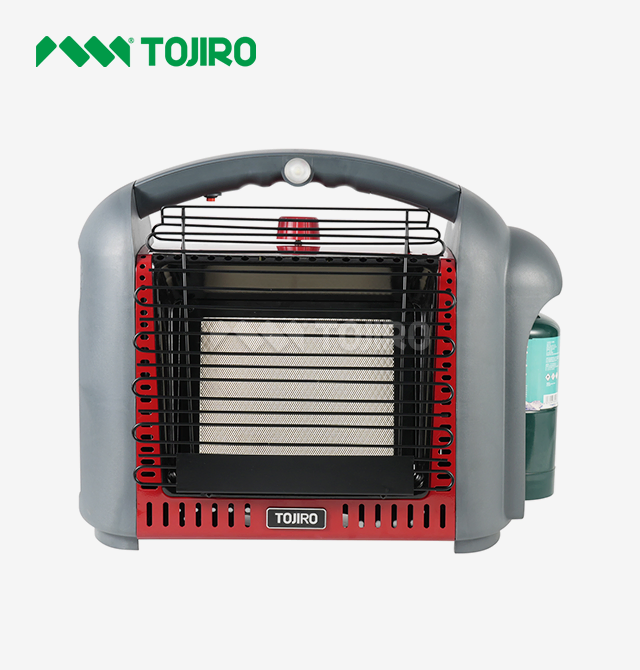
The 8500 BTU kerosene heater—such as the TOJIRO TJR-S85 model—demonstrates advanced engineering with its cold-rolled steel body and stainless steel components, enhancing durability and longevity. It can operate continuously for approximately 13 hours on a 4.3-liter fuel tank, making it ideal for maintaining warmth overnight in tents, emergency shelters, or mobile living spaces.
Step-by-Step Setup Guide for 8500 BTU Kerosene Heaters
When you put your heating equipment, make sure you do it right so that it works safely and well for as long as it lasts. Make sure something is safe before you install it. This is very important in places like schools and businesses where a lot of people may be using the tools.
Pre-Installation Safety Assessment
The first thing to do when analyzing a setting is to make sure there is enough air flow. When putting something together inside, it needs to be kept away from walls, chairs, and things that can catch fire. There needs to be enough air flow in the setting area so that the fire can burn fully and carbon monoxide doesn't build up. The person in charge of the building should check with the local fire department to see if the planned placement of the gas heater is legal.
Part of identifying hazards is making sure there are no burning items in the heating area, that there are still emergency exits, and that fire control systems can fit the heating unit. Safety checks like these are important to make sure that insurance companies follow the rules that are normal for business buying.
Installation Procedure
The careful installation method cuts down on problems with starting and makes sure that everything works right from the start. Only eco-friendly oil should be used to make the fuel. You should stay away from old or dirty fuel that might not burn as well. It can run for a long time without having to be replaced often because it holds 4.3 liters of fuel.
Be very careful not to spill anything when you fill up with gas, and make sure the tank closes well. When you're done adding fuel, you should check the automatic starter to make sure all the electrical connections are good. After being charged, the unit should be placed on a flat, stable surface with plenty of room around all four sides.
Here are the most important steps for setting up that will make sure everything works well:
1. Fuel System Preparation: Fill the tank up with clean, eco-friendly oil all the way to the top. Check that the tank cap fits well and that there are no leaks around the fuel lines.
2. Ignition System Testing: Before you use the electrical ignition, make sure it works. If you need to, check the battery levels and make sure sparks are always made.
3. Safety Feature Verification: Tilt the unit slightly to test the automatic shutdown for tipping over. Make sure the fuel is turned off and the light goes out right away.
4. Ventilation Confirmation: Make sure there is enough air flow around the unit by keeping the distances the manufacturer says are necessary.
It is important to follow these steps to make sure that the promise is kept and for safe, effective running to begin. For insurance reasons and for legal checks that happen a lot in business settings, it's important to keep good records of the steps you take during installation.
Operational Safety Protocols
Operating safety doesn't end with the original installation; it needs to be checked on a daily basis and rules must be followed. As part of flame tracking, the flame must be visually checked often to make sure it stays clean and blue, which means it has burned all the way through. If there are orange or yellow flames, the fuel may need to be checked or there are quality issues with the fuel that need to be fixed right away.
It's important that everyone who might be working with the heating equipment knows how to turn it off in an emergency. Even though the automatic tip-over safety shuts down right away to keep everyone safe, it is still important to be able to shut down by hand in case of an emergency.
Maintenance and Troubleshooting for Long-Term Reliability
Systematic repair methods make sure that tools last as long as possible and keep working well for a long time. As a procurement manager in charge of industrial heating equipment, you need to make sure that there are regular repair plans in place to protect contracts and cut down on unplanned downtime.
Comprehensive Maintenance Checklist
A system's parts need to be checked and fixed at certain times and in a certain way as part of routine maintenance. As things run normally, burning waste builds up. These residues can be removed through cleaning, and wear patterns can be found on parts before they affect function.
Repair plans should take into account how often the car is used and the weather. When applications are used a lot, like by rental businesses or emergency services, they need to be checked more often than when they are only used sometimes or rarely. Making notes on repair jobs can help with warranty claims and following government rules.
Troubleshooting Common Issues
Most problems with how it works are caused by issues with the fuel system, the spark, or the burning process not ending. When you fix things in a planned way, you can quickly find the causes, which cuts down on downtime and repair costs. A lot of the time, fuel problems are caused by dirty oil, water getting into the fuel, or not having enough fuel. All of these things make the burning process less safe.
There is incomplete burning when the flames aren't straight, there is a lot of smoke, or the heat output is low. Most of the time, these signs mean that the machine needs to be serviced, that the fuel isn't good, or that there are air problems that need to be fixed right away. It is important to make sure that the right steps are taken to fix the problem and maintain high safety standards.
Preventive Maintenance Best Practices
For long-term dependability, it's important to do normal upkeep that fixes problems before they hurt performance. During the off-season, ways of storing keep fuel and parts from rusting, which could affect how they work in the future. To store something properly, you need to empty the fuel tank, clean the parts, and keep them out of the weather.
The 8500 BTU kerosene heater needs extra care for the parts of the fuel system, the firing elements, and the safety devices in order to stay in good shape. Regular checks should be done on these key areas, and maintenance tasks should be written down for guarantee and legal reasons.
Comparison and Procurement Guidance for Global B2B Clients
When planning what to buy, it's helpful to think about all the different ways of heating and figure out which ones will work best for each job. Professionals in purchasing compare the energy efficiency, total cost of ownership, and performance of different heating choices to find the best ones for their businesses.
Technology Comparison Analysis
Many people find 8500 BTU kerosene heater units to be very useful because they are better than both smaller and larger choices. The higher heat output types are better at heating larger spaces than the 7500 BTU types, but they are still movable and use less fuel. The small size is better for medium-sized jobs than the 10,000 BTU units because it costs less to run and uses less fuel.
Different types of heating systems work in different ways, which could affect your decision about what to buy. Electric heaters need a strong power connection, but they are easier to use and keep up. Propane units burn cleanly, but they need places to get compressed gas, which could be hard to find in situations or distant places.
Procurement Selection Criteria
Heaters used in factories need to be a good balance of performance, reliability, and cost of operation. Procurement experts have to think about a lot of factors, including how much something cost to buy in the first place, how much it will cost to keep up, and its overall value over its whole life. As an example, the TOJIRO TJR-S85 type is well-balanced because it is made to last, doesn't waste fuel, and has many safety features.
How well something is made has a big impact on its long-term value and stability. It's made of cold-rolled steel and stainless steel to make sure it can handle rough business conditions. Electronic starting systems are better than standard ones because they need less maintenance, making them easier to use.
Supplier Evaluation and Sourcing Strategy
When you buy heating equipment, it's important to have good relationships with your sellers because they can help you with quality control, give you advice, and honor your guarantee. TOJIRO's commitment to international ISO standards ensures that the quality of their products is always the same, and their 45-day production cycle lets them quickly deliver planned purchases. Customization choices are available through ODM and OEM deals so that different brands and companies can get what they need.
You should look at a supplier's production skills, quality licenses, and customer service after the sale when judging them. Because TOJIRO backs its products with a one-year promise, the company believes in their quality and wants to protect buyers' interests. It's very important to be able to get expert help when equipment breaks down in places like businesses and schools where downtime costs a lot.
Building Trust and Ensuring Safe, Efficient Use in Your Organization
If a business needs heating equipment, it should only buy from reputable companies that offer full help for as long as the equipment lasts. Standards for making the machine are the first step in quality assurance. Other things that help make sure the machine works well for a long time are guarantees, expert help, and easy access to parts.
Supplier Reliability and Support Services
How well and regularly a product works in tough business situations depends a lot on how skilled the people who make it are. TOJIRO makes heating products that are of high quality and can be used regularly in a lot of different places by combining traditional Japanese craftsmanship with modern industrial technology. This way of making sure that buying things gives the expected returns by increasing their useful life and making sure they all work the same way.
It's important to have warranty coverage for capital goods because it protects investments and shows that the company that made the product trusts its quality. There should be a full promise on both the parts and the work, and it should be easy to make insurance claims and get repair services. When technology breaks down, it's important to be able to get in touch with trained professionals, especially if you're in a rural area or need a quick answer for something essential.
Real-World Application Success
8500 BTU kerosene heater options have been used successfully by business clients in a wide range of industries, saving them a lot of money and making their work easier. When camping with a group that glamps, these units make the sites more comfortable while keeping them away from power lines. People who plan business events like how movable and reliable it is for activities outside, no matter what the weather is like.
When helping people after a disaster, when power might not be available for a long time, emergency response groups heat their cars with oil. Good heaters don't need fuel and are made to last, so they can keep you warm even when other heaters break down. Because of this, these heaters are great for getting ready for situations.
Future-Proofing Procurement Strategies
Rules that change over time about pollution and energy efficiency can make it harder to buy long-term heating equipment. Because they use more advanced burning technology, newer gas heaters meet environmental standards and use less fuel than older types. To make sure that technology can still be used, people who work in buying should make sure that it works with the new rules.
Since technology keeps getting better, gas heaters stay safer, use less fuel, and need less maintenance. Companies that work with makers that are committed to constant innovation can make sure that businesses can get new, better technology as it comes out. This helps them reach their goals for being more environmentally friendly and running their businesses more efficiently.
Conclusion
To put 8500 BTU kerosene heater systems correctly, you need to know how to set them up, know how to fix them, and get them from a reliable source that offers full support services. These choices for heating are great for businesses that need flexible, energy-efficient heating that doesn't depend on the power grid. High-quality companies, like TOJIRO, know how to make sure their products work well in tough business environments for a long time. They do this through professional know-how and good customer service. Businesses can get reliable heating that helps them meet their work goals while still following the rules and safety standards if they pay close attention to the building steps, do preventative maintenance, and choose the right provider.
FAQ
1. What safety precautions should be taken when using an 8500 BTU kerosene heater indoors?
There needs to be enough air flow inside so that carbon monoxide doesn't build up and the fire goes out fully. As told by the maker, stay as far away from walls and burning things as possible. Auto-tip-over safety on the TOJIRO TJR-S85 stops fuel flow right away if the unit moves by accident. Make sure there is enough air flow before using a gas heater in a room where people are sleeping.
2. How often should maintenance be performed on commercial kerosene heating units?
How often they are used and the weather affect how long they need to be fixed. Every month, fuel systems, fire parts, and safety features need to be checked in places that get a lot of use, like rental companies. Maintenance checks before the season and knowing the right way to store things can help with things that are only used sometimes or during certain times of the year. What you need to do to get the best performance is written in the manufacturer's fix plan.
3. What are the signs of inefficient fuel combustion in kerosene heaters?
Flames that aren't burning efficiently usually look like wavy or yellow lines instead of clean blue ones. Strange smells, too much smoke, or not enough heat could mean that the fuel needs to be checked or fixed. To keep people safe and get things back to normal, these signs need to be fixed right away.
Partner with TOJIRO for Premium Kerosene Heating Solutions
Businesses that need reliable 8500 BTU kerosene heater solutions should choose TOJIRO. This is because we are committed to making the best goods and giving great customer service. Modern Japanese technology is mixed with traditional Japanese craftsmanship to make our TJR-S85 type. It is heating equipment that meets international ISO standards and works reliably in tough business settings. We help people who are buying things who want quality and reliability by giving them fair bulk prices for 8500 BTU kerosene heater providers, 45-day production times, and a full one-year warranty. To talk about your heating needs and find out how our OEM/ODM services can help you get solutions that work for your business and your budget, email our team at [email protected].
References
1. National Institute for Standards and Technology. "Combustion Efficiency Standards for Portable Heating Equipment." Commercial Heating Equipment Guidelines, 2023.
2. American Society of Heating, Refrigerating and Air-Conditioning Engineers. "Fuel-Based Heating Systems for Commercial Applications." ASHRAE Handbook of Commercial HVAC Systems, 2022.
3. International Organization for Standardization. "Safety Requirements for Portable Kerosene Heaters." ISO 9001 Quality Management Standards for Heating Equipment, 2023.
4. U.S. Environmental Protection Agency. "Emission Standards for Fuel-Burning Heating Equipment." EPA Guidelines for Commercial Heating Systems, 2022.
5. Occupational Safety and Health Administration. "Workplace Safety Standards for Portable Heating Equipment." OSHA Commercial Facility Heating Guidelines, 2023.
6. National Fire Protection Association. "Installation and Maintenance of Fuel-Burning Equipment." NFPA Commercial Building Safety Standards, 2022.

USER EVALUATE
Here is the customer's evaluation of us
_1763619721954.webp)
_1763619688277.webp)
_1763607622609.webp)