


Best Compact Kerosene Heater for Small Spaces
Companies that need stable, high-quality heat should look at the compact kerosene heater as the best way to heat a small business area. This kind of machine heats well while taking up almost no space, which is why stores, workshops, market areas, and temporary buildings need them. These days' kerosene heaters are portable and have a high output, so they can keep the temperature fixed in a lot of different work settings.

Understanding Compact Kerosene Heaters and Their Advantages
High-tech compact kerosene heater units provide as much heat as possible in a small area. These machines generate a lot of heat using oil fuel and are easy to operate due to their regulated burning systems. Heaters were designed to be portable without compromising efficiency. This makes them ideal for enterprises that require mobile heating.
Superior Energy Efficiency and Cost-Effectiveness
In most workplaces, kerosene-powered heating systems retain heat better than electric ones. Kerosene burns about 135,000 BTUs per gallon. A lot of heat for the fuel weight. It is particularly evident in large industrial buildings where heating expenditures are a major expense. Advanced combustion tanks in compact kerosene heaters maximise fuel usage and reduce pollutants. The TOJIRO TJR-S85 produces 8,200 BTUs at 2400W. It can operate uninterrupted for 13 hours on a 4.3-liter tank at 0.23 to 0.26 litres per hour. Thus, it stops operating less frequently.
Off-Grid Reliability and Emergency Preparedness
In companies, power outages are common and may halt operations and be harmful. Gas heaters don't need to be connected to the electrical grid, so they can keep people warm during power outages. Farms, storage facilities, and emergency response centers need a consistent temperature. It can operate independently in regions without reliable electricity, not simply in emergencies. Kerosene heaters perform well on construction sites, temporary setups and rural buildings without electricity. This actual flexibility helps the firm survive and reduces the risk of outside issues.
Comprehensive Buying Guide: How to Choose the Best Compact Kerosene Heater?
You should think about how it will be used, how safe it is, and how much it will cost in the long run before you buy gas heating equipment. Businesses that buy things for other businesses have to think about how much they will cost in the long run and how much they need to heat the items right now. They also have to make sure they follow all safety and environmental rules.
Heating Capacity and Space Requirements Assessment
Size is very crucial when choosing a heater. Twenty-five BTUs per square foot heats a company. This figure depends on roof height, insulation quality, and room temperature. The TOJIRO TJR-S85's 8,200 BTU output warms 15 square meters well, making it perfect for small offices, workshops, and storage areas. You should consider the heater's performance, the room's layout, and airflow in the areas you wish to heat. Compact kerosene heater types perform well when the floor plan is open since they can heat the whole space. Small places with poor airflow may require improved heating or airflow for safety.
Safety Features and Regulatory Compliance
Commercial heating equipment requires several safety features to protect persons and property. Safety features including automatic shut-off systems, light-out protection, and tip-over prevention are crucial. The TOJIRO TJR-S85 includes several safety measures. The fuel cuts off immediately if the machine tips over, and the electric starting method eliminates the danger of hand-lighting the flame. Some firms have extremely varied regulations for following them. For many corporate operations, equipment must fulfil environmental, safety, and usage criteria. B2B purchasers should ensure that heaters fulfil their business's safety requirements, local building ordinances, and OSHA regulations before buying.
Fuel Efficiency and Operational Economics
Fuel economy is vital when purchasing an automobile since the long-term expenses of operating it can surpass the car's price. Modern gas heaters are efficient due to superior tank designs and fuel delivery. Better-burning TJR-S85 engines provide greater heat with less gasoline. This lowers equipment operating expenses over time. When you purchase electricity in bulk, operating popular programs becomes more cheaper. Businesses who want to know how much it costs to own something should consider how much fuel they need to store, how they can acquire it, and seasonal rates. Long-term business expenditures might also vary according to maintenance and part availability.
Top Compact Kerosene Heaters: Performance, Reviews, and Supplier Insights
The form, effectiveness, and safety of compact kerosene heater technology in the business heating market have advanced significantly. Because of changes in business needs, big companies have made their goods last longer, use less fuel, and have more safety features.
TOJIRO TJR-S85: Premium Performance and Reliability
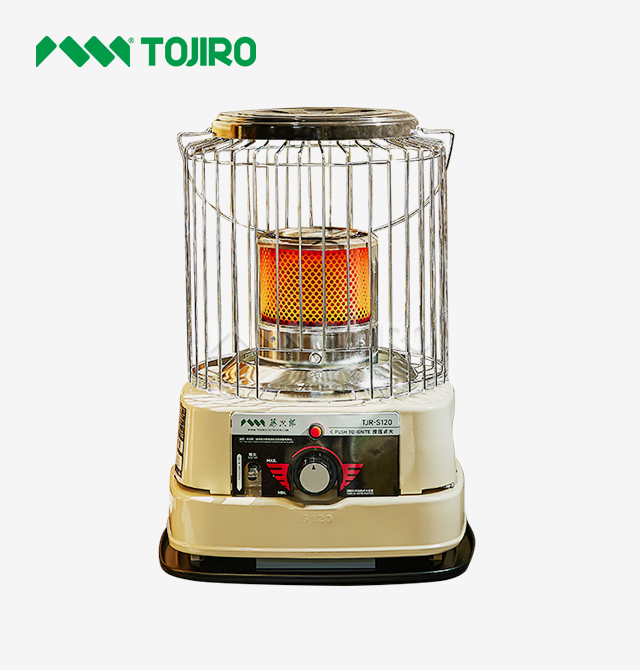
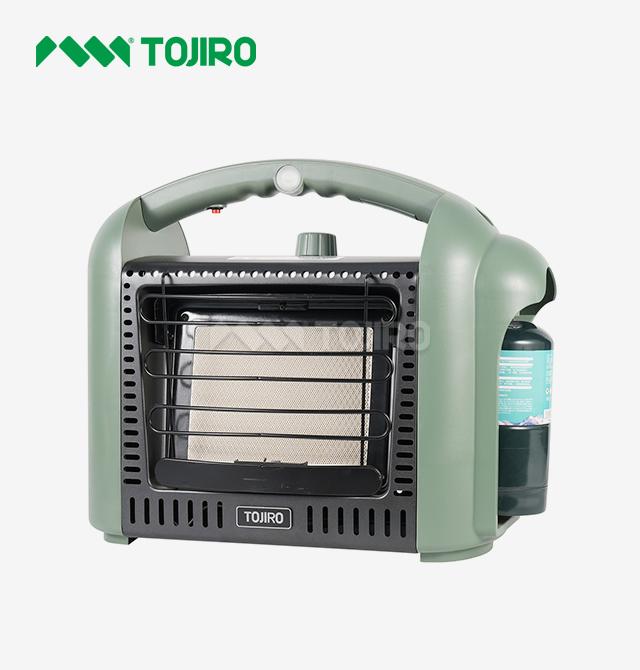
The latest gas heater, the TOJIRO TJR-S85, is designed for harsh industrial environments. This device is well-made and durable since it uses Japanese craftsmanship from the past and now. It's sturdy yet lightweight at 9.2 kg due to cold-rolled steel and stainless steel. Engineers meticulously designed and enhanced the TJR-S85's technological characteristics. Because it burns effectively, it can heat 15 square meters with 2400W, or 8,200 BTUs. You may start the engine automatically. This improves safety and cleanliness. In the workplace, its 4.3-liter fuel tank lasts longer and requires fewer refuelings.
Manufacturing Excellence and Quality Assurance
TOJIRO makes high-quality goods by adhering to ISO standards and strict quality control. The 45-day manufacturing plan ensures quality and speed. This method is ideal for business-to-business clients that require reliable delivery and supply chain connections. The company's ODM and OEM services enable clients make adjustments to meet local requirements and their demands, making them suitable for many markets. This is ideal for bulk buyers, renters, and companies who need to update specifications or add their name.
Supplier Reliability and Global Logistics
Buying from a B2B company requires more than simply choosing the proper things. The vendor must also be dependable, have excellent transportation, and give good after-sales service. TOJIRO can handle 500 units, thus their costs are inexpensive when you purchase in bulk. Because it handles certification procedures or provides certification services, the firm cares about its clients' success in many areas. Global movement planning is crucial when purchasing emergency or seasonal heating equipment. TOJIRO handles overseas shipping and documentation, making it simpler for corporate purchasers to fulfil tight deadlines and get items through customs on time.
Operation and Maintenance: Ensuring Safe and Efficient Use
If you follow the right steps to use and fix the equipment, it will last as long as possible and continue to work safely and effectively throughout its life. When working in a business setting, there need to be strict safety rules and regular operations. This means that repairs need to be planned ahead of time and workers need to get a lot of safety training.
Essential Safety Protocols and Ventilation Requirements
Too little airflow around compact kerosene heater units in a company will clear the air and prevent CO buildup. For every 1,000 BTUs of heat a space produces, 1 cubic foot of air should flow. Since it produces 8,200 BTU, the TJR-S85 requires 8.2 CFM of fresh air for safety. Avoid mishaps and succeed while handling gasoline by following the appropriate methods. A company owner should keep gasoline away from fire hazards, wipe up spills, and train staff how to refill properly. The TJR-S85 includes an electronic starter and auto-off feature to make starting the engine safer.
Preventive Maintenance and Performance Optimization
Routine maintenance programs safeguard equipment and detect flaws before they disrupt operations. Weekly checks should include the fuel system, combustion chamber, and safety system. Wick and fuel quality are tested monthly as part of routine maintenance. The TJR-S85's sturdy construction reduces maintenance and improves reliability. The pieces are made of stainless steel, which doesn't corrode or crack and can withstand extreme temperatures. This makes them more durable in harsh workplaces. Due to its design, frequent maintenance is straightforward. That reduces downtime and maintenance expenses.
Fuel Quality and Storage Management
Fuel type affects heater performance, maintenance, and pollution. Burning excellent oil properly prevents carbon buildup and extends equipment life. Business gasoline should be purchased from reputable sources and tested to ensure compliance. Storing fuel properly prevents it from becoming filthy or worn out, which may reduce heater performance. Storage tanks should be created with the correct materials, away from heat, and air-controlled. Testing and rotating gasoline regularly prevents storage issues.
Compact Kerosene Heaters vs. Other Heating Solutions: A Practical Comparison
People can make smart buying decisions that meet their needs and budgets when they know the pros and cons of gas heaters compared to other technologies. A look at some important performance factors for some well-known workplace heating systems is done in this study.
Efficiency and Operating Cost Analysis
Kerosene lamps may generate more heat than electric resistance heating, particularly when needed. Electric heaters usually consume more energy per BTU than gas heaters, but they convert electricity well. In areas with high power bills or inconsistent electrical delivery, the advantages of a compact kerosene heater become increasingly evident. Gas and propane heaters function as well as oil heaters, although they may need to be permanently installed and connected to a gas line. Because of its portability, gas heaters may be used wherever heat is needed. This independence benefits rental enterprises, emergency response organisations, and seasonal businesses.
Environmental Impact and Emissions Comparison
Gas lights currently burn better and don't generate many particles if maintained. Fuel efficiency is best in the TJR-S85, reducing pollution and increasing heat output. Oil lamps may be used inside with poor air quality since they burn cleanly. Electric heaters do not emit direct pollution, but their power source may create indirect pollutants. Most propane heaters are cleaner than gas heaters, but they need special care. How fuel will be carried, stored, and discarded is crucial to estimating environmental impact.
Portability and Installation Flexibility
Modern compact kerosene heaters are simpler to carry and set up than permanent heating systems. The 8.2 kilogram TJR-S85 is lightweight and portable. The compact dimensions (425×315×525mm) makes it simple to store and transport. Businesses who need to heat many locations benefit from this flexibility. Since they must be plugged in, electric lights may be relocated, but not everywhere. Gas-powered units are generally stationary or have large fuel tanks that make them tougher to move. Because they heat well and can be used in many ways, kerosene heaters are great for businesses that move around a lot.
Conclusion
Selecting the finest compact kerosene heater requires careful consideration of use, safety, and cost over time. Modern oil heaters like the TOJIRO TJR-S85 are well-built, safe, and efficient. This heater can operate for 13 hours, produces 8,200 BTUs, and has increased safety measures, making it ideal for organisations that require a solid, portable option. Companies who purchase from others benefit from Tojiro's workplace expertise, flexibility, and quality assurance throughout the procurement process.
FAQ
1. What safety certifications are required for commercial kerosene heater installations?
For each area and type of use, the rules for getting a safety license are different. Most places of business have to follow OSHA safety rules as well as building and fire codes in their area. Based on GB/T38522-2020, the TOJIRO TJR-S85 is good enough. You can also get other kinds of certificates from customer company or plant certification services.
2. How do bulk pricing structures work for large quantity orders?
When you buy more than 500 units, you can usually get bulk prices, and the more you buy, the more you save. TOJIRO's bulk prices are fair, and the production wait time is 45 days. This gives companies plenty of time to plan their holiday and supply needs. Orders that meet certain criteria can be packed and marked in a way that is unique to them.
3. What warranty coverage is provided for commercial kerosene heaters?
Most industrial gas heaters come with warranties from the maker that cover problems with how they were built or how they work. Tojiro gives a full warranty that covers both skilled help and the ability to get new parts. You might be able to find options with longer protection if you buy a lot of something or agree to a long-term supply deal.
Partner with TOJIRO for Your Commercial Heating Solutions
The high-end TOJIRO compact kerosene heater solutions are built to last in tough industrial settings. Our TJR-S85 model combines cutting-edge burning technology with high-quality building to supply dependable warmth in a lot of different places. We know what B2B customers want because we are one of the biggest companies that makes compact kerosene heaters, and we can assist them throughout the buying process. Our services include OEM and ODM, custom packing, and a low minimum order quantity of 500 units. TOJIRO promises reliable supply chain partnerships that will help your company reach its goals. They offer 45-day production cycles and quality control that meets ISO standards. Send an email to [email protected] to talk about your specific needs and find out about your options for bulk prices.
References
1. American Society of Heating, Refrigerating and Air-Conditioning Engineers. "Commercial Space Heating Guidelines and Best Practices." ASHRAE Journal, 2023.
2. National Institute for Occupational Safety and Health. "Criteria for Recommended Standard: Occupational Exposure to Kerosene Combustion Products." NIOSH Publication Series, 2024.
3. International Organization for Standardization. "Portable Kerosene Heaters - Safety Requirements and Test Methods." ISO Standards Publication, 2023.
4. U.S. Department of Energy. "Commercial Building Energy Consumption Survey: Heating Equipment Analysis." Energy Information Administration, 2024.
5. National Fire Protection Association. "Standard for the Installation and Use of Stationary Combustion Engines and Gas Turbines." NFPA Technical Standards, 2023.
6. Occupational Safety and Health Administration. "General Industry Standards for Portable Heating Equipment in Commercial Applications." OSHA Compliance Guidelines, 2024.

USER EVALUATE
Here is the customer's evaluation of us
_1763607744591.webp)
_1763607791883.webp)