



Is a Compact Kerosene Heater Good for Apartments?
The right compact kerosene heater can be a great choice for flats. You can easily move these portable heaters around, they don't need to be plugged into an outlet, and they heat rooms up to 160 square feet reliably. Modern kerosene heaters have improved safety features like electric lighting, automatic shut-off systems, and defense against tip-over. The fact that they don't take up much space makes them perfect for apartment settings where installation space is limited and movement is important for both home and business uses.

Understanding Compact Kerosene Heaters and Their Suitability for Apartments
Advanced burner technology makes sure that compact kerosene heater models always put out the same amount of heat. They work by burning kerosene fuel in a controlled way. These devices use electronic ignition systems and precise fuel delivery mechanisms to make sure that the combustion process works as efficiently as possible while still meeting safety standards that are important in small living areas.
Types and Design Features for Apartment Use
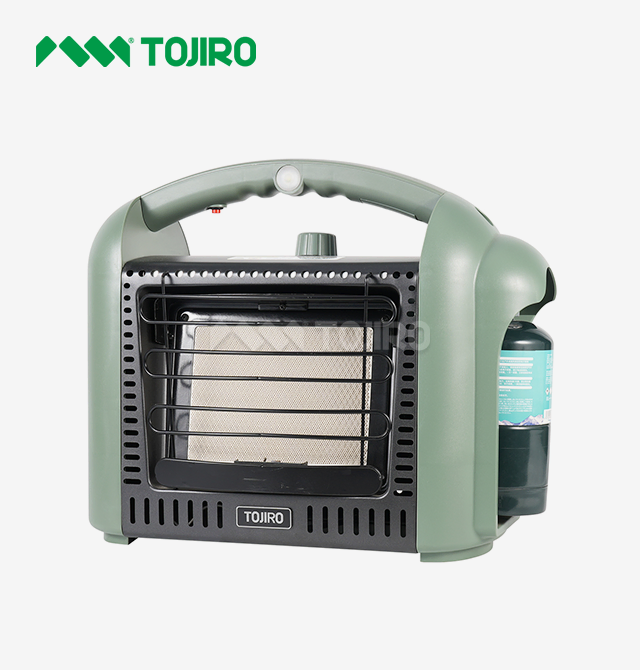
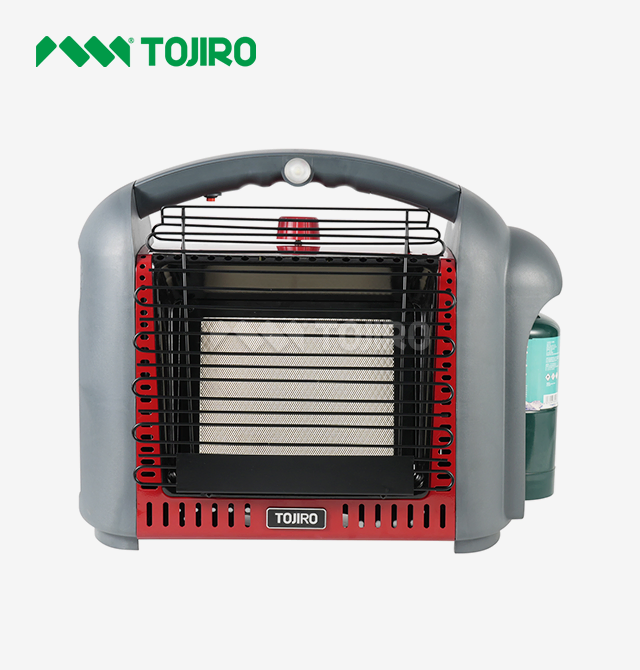
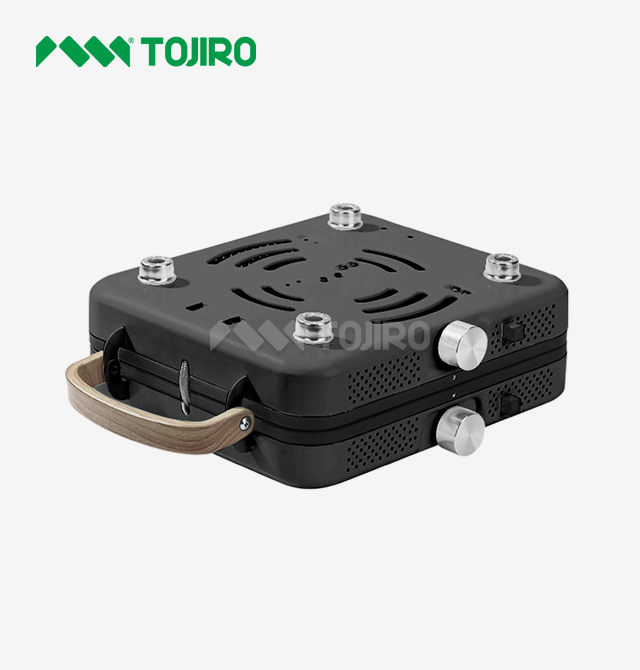
Modern gas heaters that are good for apartments come in three main styles. Portable types, which usually weigh between 9 and 12 kilograms and have built-in carry handles, give you the most options for heating multiple rooms. Fixed installation units offer long-term heating options with extra safety features and automatic settings. Thermostat-controlled models keep the temperature just right, which saves fuel and makes the passengers more comfortable. Models that are good for apartments are made using technical concepts that save space. The TOJIRO TJR-S85 is a good example of this method. Its small size (425x315x525) and 2400W heating power make it a good example. Cold-rolled steel and stainless steel are used to build the machine, which makes it durable and aesthetically pleasing enough for use in domestic settings.
Environmental Considerations and Emissions Profile
When compared to older heating technologies, compact kerosene heater types make a lot less pollution. These days' units burn fuels that are better for the earth and make less pollution and smell. When something burns, it mostly releases carbon dioxide and water vapor as waste. If you keep the air flowing properly, it only releases a few dangerous gases. Fuel economy is another benefit for the environment. Modern models use between 0.23 and 0.26 liters of fuel per hour. This economy means that it can be used for longer periods of time and has less of an effect on the environment than electric heating options in places where energy is generated from fossil fuels.
Safety Mechanisms for Apartment Applications
These days, gas lamps have a lot of safety features made just for use in apartments. If the unit is moved by mistake, the automatic tip-over safety turns off the fuel flow and ignition systems right away. Electronic ignition gets rid of open flames during starting, which lowers the risk of fire in small areas. Built-in fuel tracking systems keep the right ratios of fuel to airflow and avoid overflow. Together, these safety measures and the need for proper air make sure that the heater can be used safely in apartments while still doing its job.
Comparing Compact Kerosene Heaters to Other Heating Solutions for Apartments
When procurement professionals know the pros and cons of different kerosene heating systems, they can make better choices for their clients' needs and their own uses.
Energy Consumption and Operating Efficiency
Fuel heaters that use kerosene have a higher energy efficiency than electric heaters. They produce about 8200 BTU per hour while using very little fuel. Electric lamps need to be plugged in all the time, and they often don't work as well when the power grid is under a lot of stress from high demand. Operating costs change a lot from place to place, but gas heating is usually cheaper in places where the price of power is more than $0.12 per kilowatt-hour. Because they don't depend on electricity, kerosene systems are great for emergency warmth and places where the power source isn't always stable.
Noise Levels and Operational Convenience
Modern compact kerosene heater designs make very little noise; when they're working normally, they usually make less than 40 dB. For apartments where noise limits may apply in the evening, this quiet performance makes them a good choice. Propane options often need to be connected to an outside fuel tank and make more noise because they have systems that control the flow of gas. Electric heaters don't make noise, but they're not as portable or off the grid as gas systems, which make them better for backup and emergency warmth.
Ventilation Requirements and Space Considerations
Installations in apartments need to pay close attention to air requirements to make sure they work safely. If you want to use a kerosene heater, you need at least 0.5 air changes per hour. This is usually done by installing window cracks or mechanical ventilation systems. Units like the TJR-S85 can heat 15 square meters, which is a good size for an apartment room. Propane systems need the same amount of air flow, but they usually need more space between them and walls and furniture. Electric heaters don't need to be vented, but when multiple units are used at once during peak heating seasons, they may put a strain on the building's electrical systems.
How to Select the Best Compact Kerosene Heater for Apartment Settings?
When choosing kerosene heating options for apartments or to sell to people who live in apartments, B2B buying workers have to look at a number of factors.
Decision Scenarios Based on Usage Requirements
For primary heating purposes, units need to be able to hold more fuel and have automatic settings to keep the temperature stable. The TJR-S85's 4.3-liter fuel tank lets it run continuously for about 13 hours, so it can be used to heat a room overnight without having to stop and refuel. In backup heating cases, quick deployment and effective ignition systems are given the most weight. Electronic burning gets rid of the need to light things by hand, so heat can be made right away during power blackouts or other emergencies. This feature is especially useful for rental companies and hotel clients that offer apartment-style lodging.
Technical Selection Criteria and Certification Standards
The square area of the flat and the insulation must be taken into account when figuring out the heat output. With normal ceiling heights and average insulation, units with a 2400W capacity can heat up to 15 square meters of room efficiently. For higher power needs, you need bigger models or to place more than one unit and make sure they are properly spaced apart. Safety certifications make sure that building rules and insurance standards are met in a given area. The fact that TOJIRO goods meet the GB/T38522-2020 standard means that you can be sure of their safety and quality. International ISO guidelines provide extra security for apps that are used around the world.
Brand Evaluation and Warranty Considerations
Leading makers set themselves apart through high-quality tech, safety features, and the ability to help customers. Traditional Japanese artistry is combined with modern industrial technology at TOJIRO. The company makes goods that meet international quality standards and offer reasonable prices for large orders. For complete defense, the warranty should cover all mechanical parts, computer systems, and safety features. TOJIRO's promise of a one-year guarantee shows that they trust their products to be reliable and lowers the risk for sourcing managers and their clients.
Procurement Considerations for Bulk Purchase of Compact Kerosene Heaters
Strategic buying planning helps business-to-business buyers get the best deals on compact kerosene heater units while also ensuring the quality of the products and the dependability of delivery.
Budget Planning and Pricing Structure Analysis
Unit prices change depending on how much you order, and buying in bulk can save you a lot of money. TOJIRO's minimum order size of 500 units lets them offer low prices and keep quality control high throughout the whole production process. With a 45-day production schedule, there is enough time to plan for yearly demand. When compared to smaller sales, bulk discount structures usually offer cost savings of 15 to 25 percent, which helps stores and rental companies make more money. To find out the total cost of ownership for procurement budgets, payment terms and finance choices should be looked at along with unit prices.
Supplier Evaluation and Risk Management
When evaluating a supplier, the most important things to look at are their producing skills, quality control methods, and how reliable their delivery is. TOJIRO's customization options allow ODM/OEM partnerships for brands that need to make specific design changes or use private labels. This adaptability meets the needs of a wide range of markets while keeping production costs low. Quality assurance methods make sure that the performance of a product is the same when a lot of it is ordered. Compliance with ISO standards and the ability to visit factories provide proof of production methods and quality control systems, which is important for trust in business-to-business purchases.
Shipping Logistics and Supply Chain Considerations
When you ship things internationally, you have to make sure that the arrival dates, packing requirements, and paperwork requirements are all coordinated. Standard kraft paper box packing protects well and keeps shipping costs low by using the right amounts of dimensions. Managing lead times becomes very important for planning for seasonal heating needs. The 45-day production cycle lets stores plan their inventory levels for the busiest shopping times of the year, like the holidays. This way, they don't have to pay extra to store too much merchandise during the off-season.
Maintenance, Safety, and Best Practices for Apartment Use
For gas heating systems in apartments to work well and last a long time, they need to be maintained properly and follow safety rules.
Routine Maintenance Procedures
To keep the burning working at its best, cleaning plans should include checking the wick once a week and the fuel system once a month. The automatic ignition system doesn't need much care, but it should be checked once a month to make sure it starts up reliably. Verifying the quality of the fuel stops pollution problems that could hurt the performance of burners or safety systems. During the off-season, storage methods include draining and cleaning the fuel completely to keep waste from building up. To keep electronic parts and metal surfaces from rusting, the right places to store them should keep the temperature and humidity levels normal.
Safety Protocol Implementation
Ventilation tracking makes sure that there are enough air exchange rates during all working times. Carbon monoxide alarms should be put in apartments that use kerosene heaters, and the devices' batteries should be changed and their sensitivity tested on a frequent basis. The automatic tip-over safety feature needs to be tested on a regular basis to make sure the sensors work right and the fuel shuts off when the vehicle tips over. For apartment buildings, emergency action plans should be made, including ways to get out of the building and tools for putting out fires. Fuel handling safety includes storing it in the right places, away from sources of fire, and cleaning up spills in a way that keeps people from slipping and builds up gas.
Fuel Optimization and Operational Efficiency
Choosing the right fuel grade affects how well it burns and how much pollution it makes. When compared to lower-grade options, high-quality oil burns cleaner and lasts longer for the wick. With a fuel usage rate of 0.23-0.26 liters per hour, the TJR-S85 makes it possible to accurately plan fuel use and estimate costs for long amounts of time. Adjusting the temperature settings and planning runtimes is part of operating pattern optimization, which aims to get the most out of fuel while keeping comfort levels high. Timer-based operation and temperature tracking help cut down on fuel use when the building is empty or the weather is mild.
Conclusion
Compact kerosene heater technology is a good way for city dwellers and B2B buying workers to heat their homes because it is portable, reliable, and doesn't use any energy. Modern units like the TOJIRO TJR-S85 show that kerosene heaters can work in apartments while still passing the performance standards of industrial buildings thanks to improved engineering and safety features. When you put together electronic lighting, automatic safety systems, and fuel efficiency, you get a great deal for stores, rental companies, and institutions that need a variety of heating options for their customers and buildings.
FAQ
1. Are compact kerosene heaters safe for small apartment spaces?
There are many safety measures built into modern compact kerosene heater designs that are made for apartment use. Electronic ignition systems stop open flames during starting, and if the unit is moved by mistake, automatic tip-over protection stops the flow of fuel right away. Maintaining 0.5 air changes per hour is part of good ventilation. This can be easily done by cracking windows or using the ventilation systems that are already in place in apartments. For household use, units that meet GB/T38522-2020 norms have been proven to be safe.
2. What maintenance frequency is required for reliable operation?
Visually checking the wick and fuel level indicators once a week makes sure they are working at their best, and cleaning the combustion chamber once a month keeps it running smoothly. Professional service once a year includes testing the safety mechanisms and calibrating the computer ignition system. Kerosene heaters are useful for apartment dwellers and rental property owners who need reliable heating but don't want to deal with complicated repair procedures.
3. Can a compact kerosene heater serve as a primary heat source?
Modern units can heat 15 square meters and put out 2400W, so they can be used as the main source of heat in flat rooms of the right size. The 4.3-liter fuel tank lets the heater run continuously for 13 hours, so you can heat your home overnight without having to stop and refuel. But local building rules and lease agreements might make it hard to use main heating. This is why backup and secondary heating are the most common ways to use heating in apartments.
Partner with TOJIRO for Your Compact Kerosene Heater Supply Needs
TOJIRO delivers exceptional value for B2B clients seeking reliable compact kerosene heater solutions through our comprehensive manufacturing capabilities and customer-focused approach. Our TJR-S85 model is a great example of how traditional Japanese craftsmanship can be combined with cutting-edge industrial technology. It meets international ISO standards and offers cheap price for bulk purchasing needs. Our 45-day production cycle makes sure that we can meet tight deadlines for deliveries, and our ODM/OEM skills let us customize for different market needs and offer private marking options. Contact our procurement specialists at [email protected] to discuss customized bulk quotations and explore partnership opportunities.
References
1. National Fire Protection Association. "Standards for Portable Kerosene Heaters in Residential Applications." Fire Safety Guidelines, 2023.
2. American Society of Heating, Refrigerating and Air-Conditioning Engineers. "Ventilation Requirements for Fuel-Burning Appliances in Apartment Buildings." ASHRAE Standards Manual, 2023.
3. International Organization for Standardization. "Safety Requirements for Portable Fuel-Burning Heaters." ISO Technical Committee Report, 2022.
4. U.S. Consumer Product Safety Commission. "Apartment Heating Safety Guidelines for Portable Fuel-Burning Appliances." Safety Standards Publication, 2023.
5. Building Research Institute. "Energy Efficiency Comparison Study: Portable Heating Solutions for Multi-Unit Residential Buildings." Engineering Research Journal, 2023.
6. Fire Safety Research Foundation. "Carbon Monoxide Risk Assessment in Apartment Environments Using Portable Fuel Heaters." Safety Engineering Review, 2022.

USER EVALUATE
Here is the customer's evaluation of us
_1763607672511.webp)
_1763606719875.webp)