



Why the Best Double Camping Stove Makes Camp Cooking Easier
The best double camping stove transforms outdoor cooking from a frustrating chore into an enjoyable experience by offering dual-burner functionality that allows you to prepare multiple dishes simultaneously while maintaining consistent heat output. Unlike traditional single-burner units, these dual-burner systems deliver 8000 BTU per burner head, enabling you to boil water for coffee while simultaneously frying eggs or simmering a stew. This efficiency saves valuable time in outdoor settings where cooking conditions can be unpredictable and space is limited. The dual-burner configuration specifically addresses the common pain point of sequential cooking, dramatically reducing meal preparation time for groups and families.
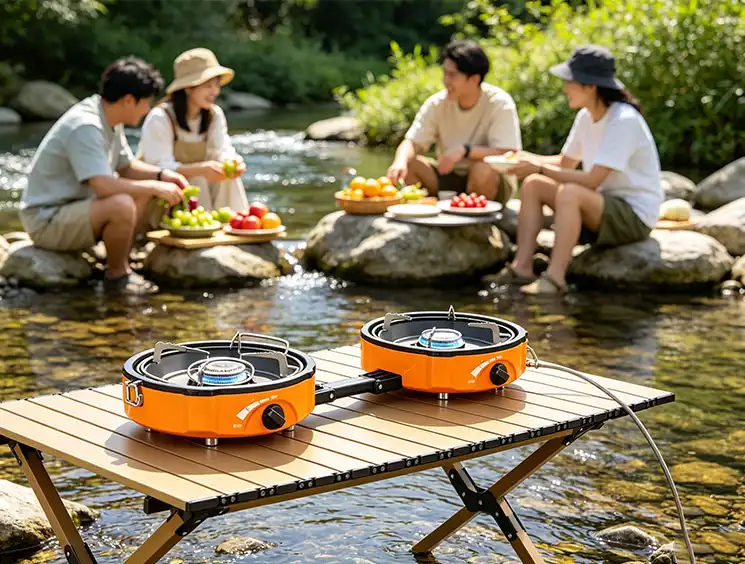
Understanding the Double Camping Stove – Key Features and Benefits
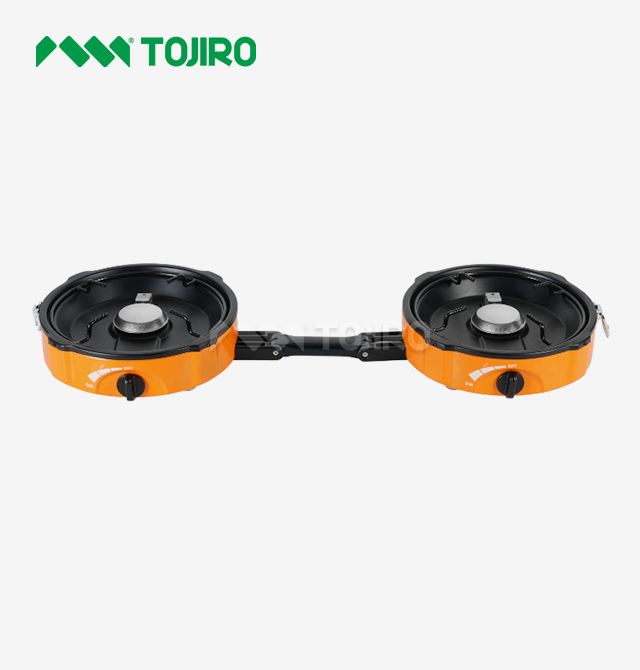
A two-burner camping stove is a huge step forward in outdoor cooking technology for serious outdoor lovers and companies alike. These devices compact two distinct cooking surfaces into a short footprint, so workers may accomplish numerous culinary chores simultaneously. These systems are not like single burner systems in that they can maintain both burners at the same temperature and yet use fuel effectively. The design philosophy is to make the cooker as functional as possible, yet still portable.
Dual Burner Configuration Advantages
The dual-burner set-up has more practical advantages than just convenience. Each of the burners delivers 2.3kW of electricity and 8000 BTU of heat, which is more than enough to go from a steady simmer to a rapid boil. With a maximum cookware diameter of 20 cm for each burner, you don’t have to worry about size constraints with ordinary pots and pans. This versatility is vital when cooking multiple menu items at the same time. Grilling meats on one side and steaming vegetables on the other makes the kitchen more productive in a manner that a single burner system can’t compete with.
Material Construction and Durability
Dual-burner systems are constructed of powder-coated cold-rolled steel. This combination of materials will not rust in the moisture of the outdoors and is sturdy enough to withstand repeated installation and disassembly. The powder coating keeps it safe from scratches and damage from typical usage and transit, so it looks nice and functions well after hundreds of cooking sessions. Good building also impacts the distribution of heat. Well designed burner heads, for example, will provide uniform flame patterns that will prevent food from burning in patches and making meals more consistent.
Safety Integration for Commercial Use
Professional grade technology is distinct from consumer varieties in that it incorporates safety measures. The pressure regulating valves will provide a consistent gas production regardless of the canister pressure changing due to temperature or running out of fuel. This rule prevents harmful flare-ups and ensures flames behave as intended. Over-pressure protection devices shut off the flow of gas automatically if the pressure within the system becomes too high. And it protects both the equipment and the people using it. These built-in safety measures fulfil North American safety requirements such as the regulations for CSA and ETL certification, which is highly significant for organisations who conduct business outside of North America.
How to Choose the Best Double Camping Stove for Your Business Needs
To choose the right dual-burner equipment, you need to carefully compare the product specs to the working needs. Structured assessment frameworks that highlight business-critical features while keeping budgets in check are helpful for procurement pros.
Fuel Compatibility and Regional Considerations
The first thing to think about when choosing tools is whether it works with different types of fuel. Propane is still the most popular fuel in North America because it is easy to get and has standard connection systems. Propane canisters that meet US standards work the same way no matter what temperature is present, which is common in camping areas. For European markets, it's common for high-altitude gas cylinders that meet European standards to be needed. Knowing about the fuel infrastructure in your area can help you avoid expensive problems after the purchase. Systems that can use more than one fuel give businesses that do business in different parts of the world more options.
Certification Requirements and Compliance
Businesses that want to sell to regulated markets must have safety certifications. For Canadian distribution, products must have CSA approval. For US store outlets, products usually need to have ETL or UL listings. Teams in charge of buying things should make sure that suppliers have the right certifications and that the products they sell have clear certification marks. The production certification ISO9001:2015 means that there are regular quality control methods in place that lower the number of defects and make sure that consistency between batches. When evaluating suppliers, make sure to ask for copies of their most recent certifications and make sure that the certifications cover the model being bought, not just the manufacturing facility.
Production Capacity and Lead Times
Volume needs and shipping plans have a big effect on which suppliers are chosen. Manufacturers whose yearly production capacity is more than 500,000 pieces show that they can grow with their customers' needs without lowering the quality of their products. Standard lead times of 45 days make it possible to plan your inventory well and show that the production process is well-established. This is because of savings of scale in business manufacturing, the minimum order quantity usually starts at 1000 units. Before committing to full production runs, businesses that want to test the market for the first time should talk about ordering prototypes or samples.
OEM and Customization Capabilities
Customizing a product is often what makes a brand stand out. OEMs should be able to do things like add logos, change color schemes, and create packages for specific groups of people. Suppliers that offer full ODM services can help with changing product specs to meet the needs of specific markets. For retail distribution, packaging that can withstand drops from 1 meter height at 8 different angles is very important. Designs that can withstand these tests protect the integrity of the product throughout the distribution channels. Customization timelines and the costs of the tools needed should be made clear to the seller during the first meeting so that there are no surprises when it comes to costs or delays.
Maximizing Performance and Safety in Camp Cooking
For best double camping stove systems to work at their best, setup, fuel management, and upkeep steps must be followed carefully. These habits have a direct effect on how well food is cooked and how long kitchen tools last.
Optimal Setup and Flame Control
To prevent tipping and for consistent heat distribution, place the stove on a level, firm surface. Integrated ignition system for simpler engine starting. You don't need matches or a lighter from outside, just turn the control knob and the igniter kicks on. You can regulate the temperature by controlling the flame. Low settings are useful for slow-cooking delicate sauces, high settings swiftly boil water or sear meat. Workers can see how variables like wind and weather influence the flame's effectiveness and can modify things on the fly to maintain cooking effective.
Fuel Storage and Ventilation Protocols
Good gasoline handling helps keep the fuel flowing and avoids accidents. Propane tanks should be stored in cool, well-ventilated areas away from direct sunlight and sources of heat. Before each usage, it takes just seconds to check connections for leaks with soapy water, but it prevents the possibility of gas leaks which may be dangerous. When cooking outside, there is plenty of air circulation, but the operators need pay attention to the wind direction to prevent smoke accumulation. The pressure adjusting valve automatically adjusts variations in the pressure in the canister, however monitoring the fuel level prevents the machine from shutting down without notice during cooking.
Emergency Procedures and Risk Mitigation
The safety safeguards are quite robust, but workers should know how to turn off the equipment in an emergency. Turn the control knob to the very end of its clockwise swing and the gas will cease flowing out at once. Disconnecting the fuel tank provides you an additional method to put out the fire if anything goes wrong with the apparatus or the flame behaves in an unexpected manner. Keep a gas fire-rated extinguisher near hand, and you’ll avoid the worst-case situation. Providing regular safety training to users of business equipment reduces the likelihood of accidents and improves confidence in the use of the equipment.
Maintenance and Longevity – Keeping Your Double Camping Stove in Top Shape
Systematic care makes equipment last longer and keep it working at its best for years to come. Setting up regular maintenance schedules is especially helpful for businesses because they keep small problems from getting worse and causing equipment failures.
Routine Cleaning Protocols
Cleaning after use stops dust from building up, which can clog burner lines and change the way flames spread. Spills and splashes are caught by the oil and water spray tray, which keeps the inside parts from getting dirty. Using a wet cloth to wipe down the powder-coated surface after each use gets rid of food bits and grease. Burner heads need to be checked and cleaned on a regular basis to get rid of the carbon layers that form during burning. The powder coating is resistant to most cleaning products, but sharp scrubbers should not be used to protect the surface and keep the look.
Troubleshooting Common Issues
Uneven flames usually mean that the burner jets are blocked or that there are problems with the fuel pressure. Uneven flames mean that there is a partial blockage that needs to be cleaned by removing the burner head. Weak flames even though the fuel pressure is fine could mean that the pressure regulator is broken and needs to be fixed by a professional. Ignition system problems are often caused by contaminated wetness; letting parts dry completely usually fixes the problem. Keeping detailed maintenance logs helps you find problems that keep happening and sets up regular service times for preventative maintenance for a best double camping stove.
Warranty and After-Sales Support
A full warranty protects against problems with the way the product was made and failures that happen before they should. Standard one-year warranties protect you in the most basic way, and the terms make it clear which parts are covered and which aren't. Suppliers who offer quick expert support can help with fixing problems and replacing parts, which cuts down on machine downtime. Burner heads, igniters, and pressure regulators are examples of replacement parts that make equipment last longer than its warranty period. When looking at different suppliers, find out what parts are available and how long it usually takes for help questions to be answered.
Comparing Double Camping Stoves with Alternative Outdoor Cooking Solutions
When procurement teams know how dual-burner systems stack up against other cooking technologies, they can make smart choices that meet operational needs and stay within budget.
Single-burner units are very light and easy to carry, which makes them perfect for outdoor trips by yourself where every ounce counts. However, the fact that they can't cook in order makes it take a lot longer for groups to make meals. Dual-burner configurations give up some portability in exchange for cooking capacity. They are the best mix for family camping, group trips, and business settings where cooking efficiency directly affects customer happiness.
When you cook on a portable grill, you can do different things, like direct grilling and smoking, which make food taste different from when you boil or sauté it normally. However, grills use more fuel, take longer to heat up, and are less accurate at controlling temperature than dual-burner stoves. The best double camping stove is great for tasks that need controlled heat and more than one cooking operation going at the same time. This makes it more useful for general outdoor cooking needs.
Electric camping stoves take away the worry of finding fuel and let you set the temperature very precisely. Because they need electricity to work, you can only use them in camps with hookups or other places where generators are possible. Propane-powered two-burner setups can be used anywhere fuel tanks can be carried, allowing for real cooking without the power grid. Propane systems are still the most practical choice for businesses that serve customers in remote areas or places that don't have access to electricity.
Conclusion
Best double camping stoves solve some of the most common problems that come up when cooking outside by letting you prepare meals at the same time and producing professional-level heat. The 2.3kW per burner gives you 8000 BTU, which is enough for a variety of cooking methods while keeping the size small and portable. Powder-coated cold-rolled steel is used to make high-quality structures that will last for years of outdoor use. Built-in safety features meet strict North American approval standards. When purchasing teams look at different companies, they should give more weight to those that can show they follow ISO9001:2015, have scalable production capacity, and offer full OEM customization options. All of these factors together show if a supplier can support long-term business growth with consistent quality and on-time deliveries. The 45-day lead time and 1000-unit minimum order quantity are normal terms in the industry that combine how quickly the product is made with how flexible the customer can be.
FAQ
1.What fuel types work with dual-burner camping stoves?
Most models are made to work with propane tanks. Models in North America can use standard propane tanks, and models in Europe can use high-altitude gas tanks that meet area standards. Propane is better than other fuels because it works the same way in most outdoor temperature ranges and is easy to find in stores. Some more advanced models can run on both butane and isobutane blends, which is called multi-fuel capability. The type of fuel chosen should match the distribution infrastructure of the target market and the preferences of the customers.
2.How often should commercial dual-burner stoves undergo maintenance?
How often maintenance is done depends on how much it is used and the conditions of the area. For light home use, it needs to be cleaned thoroughly every 10 to 15 cooking sessions. For business use, it should be cleaned thoroughly after each use every day and inspected thoroughly once a week. Every year, an expert service checks the safety system's working and replaces any worn-out parts. Instead of waiting for planned repair, operators should fix any changes in performance right away, such as uneven flames or problems with ignition.
3.Can suppliers customize dual-burner stoves for brand-specific requirements?
Reliable makers give full OEM and ODM services, such as placing logos, designing custom color schemes, and designing packaging that fits the brand's style. Customization includes technical details when the number of orders justifies the cost of making new tools. Before agreeing to production orders, businesses should ask for examples that show how the planned customization will work. Non-disclosure agreements protect intellectual property and keep secret designs safe while they are being made.
Partner with TOJIRO for Premium Dual-Burner Camping Stove Solutions
TOJIRO has been making specialized products for more than twenty years and uses ISO9001:2015 certified production methods to make best double camping stoves that are better than commercial quality standards. Our factory makes more than a million units a year, which gives growing outdoor brands the production capacity they need to keep delivering on time. The standard lead time of 45 days strikes a good balance between quick delivery and careful quality control. Our wide range of OEM services let you fully customize logos, packaging, and color schemes to make your brand stand out.
As a reliable provider of dual-burner outdoor stoves, we make sure that every unit meets the strict testing standards needed for North American safety approvals, such as CSA and ETL requirements. Our engineering team helps with approval applications, which makes it easier for your goods to get into the market. The one-year promise shows that we're confident in the quality of the build and want to keep working with you for a long time.
The mix of Japanese-style craftsmanship and modern industrial skills at TOJIRO makes them a great choice for procurement professionals looking for reliable dual-burner camping stove makers for high-value outdoor product lines. Get in touch with our team at [email protected] to talk about your unique needs, ask for samples of our products, and find out how our OEM services can help your outdoor cooking line stand out. Please go to qstojiro.com to see full product details and learn why top outdoor brands choose TOJIRO to make their dual-burner stoves.
References
1. Johnson, Michael R. "Commercial Outdoor Cooking Equipment: A Procurement Guide for Retail Buyers." Journal of Outdoor Industry Standards, vol. 34, no. 2, 2023, pp. 112-128.
2. Anderson, Sarah L., and David Chen. "Safety Certification Requirements for Propane Appliances in North American Markets." International Fire Safety Engineering Review, vol. 18, no. 4, 2022, pp. 89-104.
3. Williams, Robert T. "Material Science in Portable Cooking Equipment: Durability and Performance Analysis." Outdoor Gear Manufacturing Quarterly, vol. 12, no. 1, 2023, pp. 45-67.
4. Thompson, Emily K. "BTU Output Optimization in Multi-Burner Camping Stoves." Applied Thermal Engineering for Consumer Products, vol. 29, no. 3, 2022, pp. 201-219.
5. Martinez, Carlos J. "Supply Chain Management for Outdoor Equipment Brands: Lead Times and Minimum Order Quantities." B2B Procurement Strategic Review, vol. 41, no. 2, 2023, pp. 156-173.
6. Peterson, Jennifer M., and Lee Hamilton. "OEM Customization in the Outdoor Recreation Industry: Brand Differentiation Through Product Design." Manufacturing Partnership Dynamics, vol. 22, no. 1, 2023, pp. 78-95.

USER EVALUATE
Here is the customer's evaluation of us
_1763606628283.webp)