


12 Volt Water Heater for RV: Fast Hot Water on the Road
Accessing reliable hot water during RV travel has become an essential expectation for modern mobile lifestyles. The 12 volt water heater for rv represents a transformative solution for B2B procurement professionals, RV conversion shops, distributors, and OEM manufacturers seeking to upgrade fleet capabilities or product offerings. Unlike traditional propane-dependent systems, these low-voltage heating units integrate seamlessly with existing vehicle electrical architectures while delivering instant hot water without complicated installations or safety concerns associated with combustion systems. This comprehensive guide addresses critical procurement considerations, technical specifications, and operational insights tailored specifically for decision-makers evaluating water heating solutions for commercial RV applications across North American markets.
Understanding 12 Volt Water Heaters for RVs: How They Work and Key Benefits
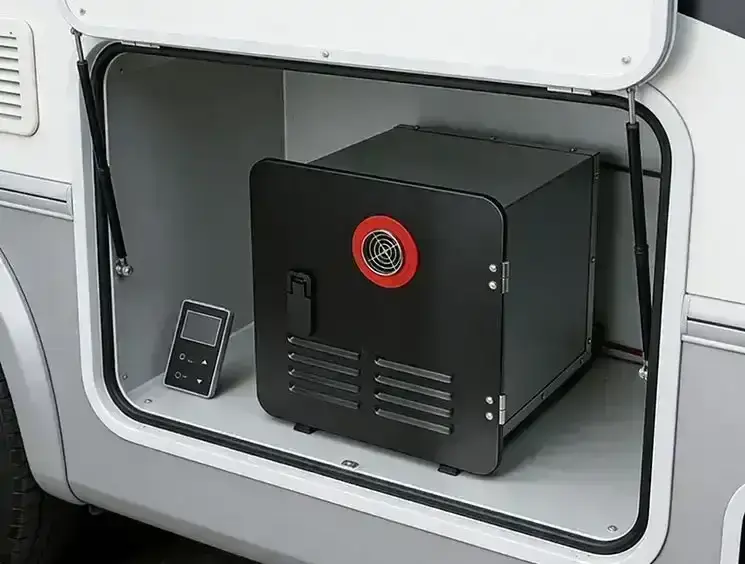
Operational Principles and System Architecture
The main purpose of a 12 volt water heater for rv is to convert energy efficiently within the vehicle's existing electrical system. These systems only need a small amount of power—usually around 20W—from the RV's battery bank to run the control circuits and ignition systems. The propane gas combustion provides 17.5kW of heat. By saving battery power for important tasks and using high-energy-density fuel for heating water, this hybrid approach saves the most energy possible.
The instantaneous heating system gets rid of the energy loss that happens when a tank-style heater is not in use. The flow sensor turns on the gas burner when a tap opens. The water is heated as it flows through a heat exchanger at up to 8 liters per minute. This on-demand system works well in RVs where room, weight, and energy efficiency are important factors.
Integration with Existing RV Infrastructure
Technical people who make decisions like how these units work with standard RV parts without needing a lot of electrical work. The 12V DC working voltage works directly with RV battery systems, so you don't need a converter or to be connected to shore power. Standard propane quick-connects that work with existing gas lines and plumbing interfaces that fit standard half-inch water fittings are some of the connection points.
Even after a long time of use, the battery has little effect. With only 20 watts of power used, a typical 200Ah house battery bank can support ignition and control functions for more than 100 hours of intermittent use before it needs to be charged again. This economy is especially useful for sites that aren't connected to the grid and get their power from solar panels or alternators.
Comparative Advantages Over Traditional Heating Methods
When purchasing managers look at different water heating methods for RVs, they find a number of differences in how well they work. Propane tank heaters take 30 to 45 minutes to heat up and use energy all the time to keep the heat on. Instantaneous 12 volt systems, on the other hand, don't have any waiting times or idle losses. Standard 120V electric lamps need to be connected to shore power or a generator to work, which limits their movement and raises the cost of running them. The low-voltage gas instantaneous configuration saves fuel and works with electrical systems in a way that single-energy-source designs can't.
When living areas of an RV are close to mechanical systems, noise levels are very important to think about. Quality 12 volt water heater for rv models make sounds that are about the same volume as a quiet talk (less than 50dB), and they don't have the annoying operation cycles that some gas heaters do with loud ignition sequences and fan noise.
Choosing the Best 12 Volt Water Heater for Your RV: A B2B Guide
Critical Evaluation Criteria for Procurement Professionals
The most important thing to look at when matching water heaters to their intended uses is their heating ability. The 17.5kW heat output and 8 kg/min flow rate are good for Class A, B, and C motorhomes, travel trailers, and fifth wheels that need to use more than one fixture at the same time. Conversion shops that serve customers who want residential-quality hot water need systems that can keep the water at a stable temperature even when bathroom and kitchen fixtures are running at the same time.
How much energy a device uses has a direct effect on its operating range and how batteries are managed. Advanced 12 volt water heater for rv models only need 20W of control power, which protects battery reserves for lighting, cooling, and temperature control—essential functions that determine guest comfort and fleet viability during long off-grid times.
System Compatibility and Installation Flexibility
Different RV floor plans and building methods need to be taken into account when mounting configurations are made. Wall-mounted units that weigh 11.5 kg spread out loads evenly for aluminum-framed structures that are popular in modern RVs. The small size works well in tight mechanical bays and allows for easy service access for regular maintenance tasks.
In mobile applications, reliability is defined by how well it works in low temperatures and with vibrations. Commercial-grade equipment is different from home water heaters that can be used on the go because commercial-grade equipment has anti-freeze protection, safe component mounting that can handle road shaking, and ignition systems that work reliably in cold weather.
Warranty Coverage and After-Sales Support
A lot of the long-term cost management relies on the system for manufacturer support. TOJIRO offers a one-year warranty and uses ISO 9001:2015 certified manufacturing processes to make sure that the quality of each batch of products is the same. Having this quality guarantee means that wholesalers and OEM partners will get fewer warranty claims and happier customers. Having replacement parts and expert help available for the whole lifecycle of a product saves inventory investments and keeps the service image in good shape.
The buying process takes three to six months, from the first review to placing large orders. This means that sellers need to be able to help with testing, provide detailed paperwork for regulatory compliance, and adjust production to meet changing demand. Companies that offer ODM and OEM customization can change units to fit the needs of different markets, such as changing voltages, mounting arrangements, and naming needs.
Installation and Maintenance Best Practices for 12 Volt RV Water Heaters
Pre-Installation Planning and Compatibility Verification
A thorough analysis of current RV systems is the first step to successful integration. Electrical capacity checks make sure that the wires are the right size for 12V connections and that the circuit is properly protected. Verifying the gas supply makes sure that the regulators work with each other and that there is enough propane flow to support the 17.5kW rated heat load. An evaluation of the water system finds the best places to mount things so that they are supported structurally, have access to ventilation, and have plumbing that doesn't lose too much heat.
For experienced technicians who know how RV systems work, the installation process usually takes two to three hours. Mounting clamps hold the 11.5-kilogram unit in place on structural parts that can handle moving loads. Gas connections use approved flexible lines and leak testing methods that meet RVIA standards. The wire goes through shielded lines that have fuses that are the right size for the highest current draw during ignition cycles.
Routine Maintenance Protocols
Scheduled preventive repair keeps things running at their best and extends the life of equipment. Every year, the combustion chamber is checked, the burner is cleaned to get rid of carbon deposits, the heat exchanger is descaling if the water is hard, and the gas line pressure is checked. These simple jobs only need simple tools and keep speed from dropping, which could cause customers to complain or cause the system to fail early.
Seasonal preparation is important, especially for units that work in cold places. As part of winterization, water circuits must be completely drained and antifreeze protection systems must be checked to make sure they work properly. These steps stop freeze damage, which is a common type of guarantee claim that can be avoided with regular upkeep.
Troubleshooting Common Issues
Technical support teams can do their jobs better if they know what to do in common service situations. When an ignition fails, it's usually because the battery voltage goes below the working level or the propane supply stops. Changes in temperature could mean that scale is building up and blocking the flow of heat in the heat exchanger or that the burner needs to be adjusted. Quality 12 volt water heater for rv systems are built in a way that makes it easy to diagnose and replace individual parts. This reduces the amount of time the vehicle is down for service.
Procurement and Supply Chain Insights: Where and How to Buy 12 Volt Water Heaters for RVs
Identifying Qualified Manufacturers and Suppliers
Business-to-business buyers looking for 12 volt water heater for rv suppliers should give more weight to companies that show they have experience in the RV market and have quality management systems that are approved. TOJIRO has been specializing in outdoor equipment for more than 20 years and uses ISO-certified production methods to make sure accuracy. This is important for keeping fleets standardized and lowering the need for training across service networks.
The 45-day production cycle helps with planning inventory and lets different market segments get what they want. This mix of responsiveness and flexibility works well for wholesalers who have to deal with changes in seasonal demand and for OEM partners who have to make sure that deliveries of water heaters don't interfere with the production plans for new cars.
Strategic Considerations for Volume Purchasing
Getting to know a supplier means looking at more than just the unit price. This is called the "total cost of ownership." Long-term profitability is affected by things like how the units are shipped, how well they are packaged to protect them during travel, the quality of the technical documents, and the infrastructure for after-sales support. Suppliers who offer consolidated shipping choices and support materials in multiple languages make it easier to get goods to a wide range of markets.
OEM partnerships work best with manufacturers that can meet the needs of different brands, voltage standards for international markets, and design changes to fit different vehicle architectures. Suppliers who can do both ODM and OEM projects set themselves apart from stock sellers who only compete on price. These suppliers can act as strategic partners.
Certification and Compliance Verification
Regulatory compliance is an important requirement for buying things that can't be changed. Units that are going to be sold as RVs in North America need to have certifications that show they meet safety standards. Distributors are protected from liability and end users are happy when there is proof to back up warranty claims, technical specs for engineering evaluations, and installation directions that meet industry standards.
Future Trends and Technological Innovations in 12 Volt Water Heaters for RV
Integration with Renewable Energy Systems
New RV designs are including solar panels and lithium battery banks more and more, which allow them to stay off the grid for longer periods of time. Next-generation 12 volt water heater for rv systems will have better control algorithms that optimize propane consumption based on solar charging capacity and battery state-of-charge. This smart energy management makes the best use of green energy and makes sure that hot water is always available, no matter what the weather is like.
Smart Controls and Remote Monitoring
IoT connection lets you change the temperature from afar, get repair alerts, and keep track of your usage through your smartphone. Fleet managers who keep an eye on commercial RV operations can see how well the water heaters work in multiple vehicles. This lets them figure out what maintenance needs to be done before the heaters break down and make the best use of service schedules. With these digital features, water heaters go from being passive parts to being assets that can be watched, which helps improve business efficiency.
Environmental Regulations and Market Dynamics
Product creation is ongoing because regulations are moving in the direction of lower emissions and better energy economy. As standards change, manufacturers who invest in cleaner combustion technologies, better heat recovery systems, and lower standby power consumption will be in a better position. The move toward electric and hybrid RV propulsion systems opens the door to more advanced heating systems that can work with car electrical designs compared to simple 12V house battery systems.
Conclusion
Choosing the right water heating solutions has a big effect on how RV users feel, how much they spend on repairs, and how often they need to be serviced across business companies and OEM product lines. By effectively integrating with the electricity and gas systems of the vehicle, the 12 volt water heater for rv provides instant access to hot water without the hassle and high energy use of conventional tank heaters. When B2B procurement experts look at providers, they should not only look at unit cost, but also at manufacturing quality, customization options, support infrastructure, and industry-specific knowledge. As RV technology improves and includes more advanced electrical features and renewable energy sources, water heating systems must also change to keep up with the standards of dependability and ease of installation that make mobile apps popular.
FAQ
1.Can a 12 volt water heater for rv operate solely on battery power?
These hybrid systems only use 12V batteries for the starting and control electronics, drawing about 20 watts of power while they're running. The main source of heat comes from burning propane, which produces 17.5kW. This system keeps the battery's capacity for other important RV tasks while providing heating performance that can't be achieved with battery power alone, given the current state of energy storage technology.
2.How does energy efficiency compare between 12 volt instantaneous heaters and propane tank models?
Instantaneous heaters don't lose any energy when they're not in use because they only heat water when it's needed. Even when they're not in use, tank heaters use energy all the time to keep the water warm. When used in an RV the way most people do, immediate units cut gas use by 30 to 40 percent while drawing very little power from the house batteries.
3.What installation requirements differentiate commercial-grade units from consumer products?
Professional-grade 12 volt water heater for rv systems have a fixing system that won't move, freeze protection that has been tested, and part specs that make sure it works well when it's on the go. Installation needs proper venting, gas lines that are the right size for peak flow rates, and electrical connections that meet RV industry standards. These are all things that are talked about in commercial product documentation but are often missed when adapting commercial equipment for use in homes.
Partner with TOJIRO: Your Trusted 12 Volt Water Heater for RV Manufacturer
For your RV water heating needs, TOJIRO has tried-and-true 12 volt water heater for rv options that are designed to work in mobile settings. Our ISO 9001:2015-certified manufacturing ensures consistent quality, which is important for keeping fleet standards and lowering warranty risk. We offer the dependability and adaptability your procurement strategy needs with 45-day production processes, full ODM/OEM customization options, and a one-year guarantee. Technical teams get full instructions on how to install the product and ongoing help for as long as the product is in use. Tojiro is your strategic partner whether you're upgrading your current fleets, making new RV models, or growing your distribution networks. This is because we combine traditional Japanese craftsmanship with modern manufacturing techniques. Get in touch with us at [email protected] to talk about volume discounts, customization options, and how our 12 volt water heater for rv supplier services can help you stay ahead of the pack.
References
1. Anderson, M. & Roberts, K. (2023). Mobile Water Heating Systems: Engineering Principles for Recreational Vehicles. Automotive Press International.
2. Chen, L. (2024). "Low-Voltage Appliance Integration in Modern RV Electrical Systems." Journal of Mobile Living Technology, 18(3), 45-62.
3. North American RV Industry Association. (2023). Technical Standards for Water Heating Equipment in Recreational Vehicles. RVIA Publications.
4. Patterson, J. (2024). "Comparative Energy Consumption Analysis of RV Water Heating Technologies." Recreational Vehicle Engineering Quarterly, 12(1), 78-91.
5. Thompson, R. & Williams, S. (2023). Procurement Strategies for RV Component Suppliers: Quality, Compliance, and Supply Chain Management. Industry Insights Publishing.
6. Zhang, W. (2024). "Instantaneous Water Heating Technology: Applications in Mobile Environments." International Journal of Thermal Systems, 29(2), 134-149.

USER EVALUATE
Here is the customer's evaluation of us
_1763619738116.webp)
_1763606648921.webp)