


Where to buy 12 volt water heaters designed for RVs
You can change what your business does by finding trusted sources for high-quality RV water heating tools. When procurement managers are looking for places to buy 12 volt water heater for rvs, they should focus on sellers with ISO-certified goods, low wholesale prices, and full support after the sale. Direct makers, such as TOJIRO, offer options that can be changed to fit the needs of different businesses. Meanwhile, well-known distributors make sure that retailers and rental companies always have what they need. The important thing is to find partners who know what mobile water heating systems need and can deliver goods that meet international safety standards and meet the needs of big purchases.
Understanding 12 Volt Water Heaters for RVs: Key Features and Benefits
The leisure vehicle business is always looking for better, more environmentally friendly ways to heat their vehicles. Modern RV water heaters that run on 12-volt systems are a big improvement over older units that only used gas. These devices link directly to the batteries in vehicles, using very little power while consistently putting out hot water.
How 12 Volt RV Water Heating Systems Operate
In order to operate, a 12 volt water heater for rv uses a hybrid system that combines gas heating and electricity lighting. The electrical part uses about 20 watts of power from the car's DC power system to run safety devices, control panels, and starting systems. The real heating is done by burning propane, and newer models can produce up to 17.5kW of heat. The high energy density of liquid propane gas is used to its fullest in this design, which only uses battery power for system settings and ignition processes.
The rapid heating system gets rid of the energy loss that happens when a tank-style heater is not in use. When the taps are opened, water runs through a heat exchanger and is heated right away before it gets to the fixtures. This on-demand method works well for leisure vehicles because they are used for a variety of things, from short weekend camping trips to long cross-country trips.
Advantages Over Traditional RV Heating Alternatives
Standard 120-volt electric heaters need to be connected to shore power or a generator to work. 12-volt setups are much more flexible. Because they don't need to be connected to the power grid, they're perfect for boondocking where there aren't any. Because it doesn't use much electricity, the battery can still power important devices like lights and cooling.
Propane-only heaters that don't have built-in electricity don't have advanced temperature settings or safety features. These days' 12-volt units have digital heaters, automatic ignition, safety against flame failure, and sensors that sense when the unit gets too hot. These features improve both user safety and operational ease. They are especially useful for rental fleet owners who need reliable, easy-to-use equipment that reduces the number of callbacks.
In terms of heating ability, the hybrid gas-electric configuration is better than straight electric resistance heaters. An 8-liter-per-minute output can easily supply water to multiple faucets at the same time, allowing for full shower operation instead of the drip flow that is limited by small electric-only units. This difference in performance is very important for hotel uses where providing enough hot water to guests is important for their happiness.
Tank vs. Tankless Configurations for Commercial Applications
When purchasing tools for RV factories or rental groups, procurement managers should be aware of the trade-offs between configurations. Tank heaters house water that has already been heated, so it is ready to use right away. However, they use energy to keep the water at the right temperature. They work best in places where people will be using the hot water at the same time, like campgrounds where a lot of people will be using it at the same time.
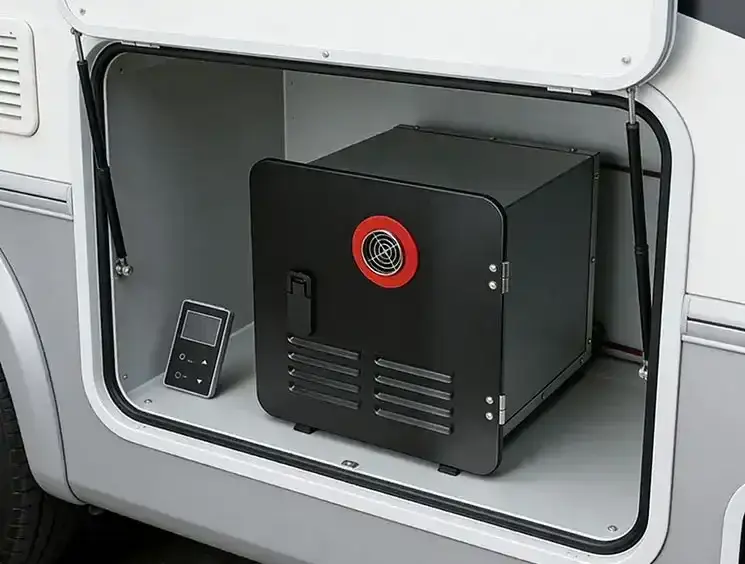
Tankless instantaneous systems, like TOJIRO's 8L type, don't lose power when they're not in use, and they can run for an endless amount of time. The 11.5 kg weight gives you options for fitting without the need for structural support. The small, wall-mounted form keeps valuable room inside, which is especially important in van conversions and smaller travel trailers. Noise levels below 50 decibels make sure that these units work quietly, so they won't bother you in the early morning or late evening.
Rental companies like tankless systems because they are more reliable and don't need as much upkeep as tank types, which can build up sediment and anode rods that break down over time. The simpler repair plan cuts down on service costs and downtime for big fleets.
Where to Buy 12 Volt Water Heaters for RVs: Trusted Suppliers and Brands
Finding reliable supply channels is a key procurement choice that affects the quality, price, and continued support of the product. On the North American market, there are both well-known makers and new foreign companies that offer competitive options.
Leading Manufacturers and Market Positioning
Eccotemp is known for its movable outdoor shower systems, and its small tankless types are now also being used in RVs. Their goods are designed to be easy for DIY customers to install. Furrion's main focus is on integrating motorised vehicles, and their units are made to fit normal RV cutout sizes and wiring requirements. Their goods usually have modern looks that go with the latest styles in RV interior design.
Camplux makes models that are cheaply priced to appeal to people who are watching their spending. However, the guarantee terms and customer service facilities are sometimes not as good as those of premium competitors. Atwood and Suburban are two well-known brands in the RV business that have been around for a long time and have a lot of dealers. Their product lines, on the other hand, tend to stick to older design ideas and put less stress on new energy-saving technologies.
Hydronic heating systems that heat both water and room are what AquaHot specialises in, and they serve the luxury campervan market. TOJIRO has been making outdoor gear for more than twenty years and combines traditional Japanese fine craftsmanship with modern industrial efficiency. Their ISO 9001:2015 certification shows that they are dedicated to consistent quality management, and their customisable OEM/ODM options help makers who need units with their own name or with specific changes made to them.
Essential Supplier Evaluation Criteria
The length of the warranty is the best way to tell how good something is. Reliable 12 volt water heater for rv sellers provide guarantees that cover all problems with the product for at least one year. When a company offers an extended guarantee, it usually means they are sure that the product will last. Managers of procurement should check to see if warranty service requires returning the product to the maker or if it covers field-serviceable parts that can be replaced through dealer networks.
International licensing compliance is especially important for companies that sell in more than one country. Products that meet the CSA approval guidelines for North American markets have been safety tested to meet requirements for electrical, gas combustion, and pressure vessels. The European CE mark means that the product meets EU safety standards. Following ISO standards during the manufacturing process leads to uniform performance and build quality across production runs.
Being able to buy in bulk is very important for companies that are making new RVs and adding water heaters, for rental companies that are adding to their fleets for the season, and for dealers who are stocking up on goods. Strategic benefits can be gained from suppliers who offer bulk discounts, variable minimum order amounts, and flexible production wait times. TOJIRO's 45-day production cycle strikes a mix between quality control and quick delivery. This helps with just-in-time inventory management and keeps backorders from lasting too long.
Online B2B Marketplaces and Regional Distributors
Alibaba and Global Sources put buyers in touch with Asian makers. By working directly with factories, they can offer buyers reasonable prices. These platforms are good for buyers who are used to handling the details of foreign shipping, clearing customs, and making sure that product specifications are met. It's important to do your research, which means checking out the provider, judging the quality of samples, and being clear about technical needs and quality standards.
Specialists in RV supplies like Dyerson, PPL Motor Homes, and Wholesale RV Parts keep large stockpiles that are ready to ship right away. They offer value by combining shipping, having clear return policies, and having technical help staff who know how to setup things. Their prices include a markup over the direct costs of the plant, but they offer ease that makes buying less complicated.
Regional manufacturers often strike the best mix between low prices and easy access to help. TOJIRO's direct involvement model lets purchasing managers talk about particular needs, ask for customisation, and build long-term relationships that ensure a steady supply. By emailing [email protected], buyers can get in touch with expert sales staff who understand the needs of a wide range of retail, rental, leisure, and OEM customers.
How to Choose the Right 12 Volt Water Heater for Your RV Business Needs
To choose the right equipment, you have to match the technical specs with the needs of the business and the demands of the users. Not having enough capacity annoys users, and having too much potential loses resources by adding cost and complexity that aren't needed.
Capacity Assessment Based on RV Size and Usage
Small travel trailers and van conversions are usually only big enough for one or two people who don't need a lot of hot water. A 12 volt water heater for rv that can pump out six to eight litres of water per minute is enough for a single faucet and can support long, relaxing showers at a fair rate. Larger RVs that can fit families or multiple couples need higher capacities to make sure that all of the fixtures can be used at the same time. Units that put out 17.5kW of heat and eight litres of water per minute allow the kitchen and bathroom to be used at the same time without any temperature changes.
Instead of using normal usage to figure out capacity, rental businesses should look at the worst-case situations. Family groups often take showers together in the morning, which makes those times very busy. When equipment is too small, it causes problems and gets bad reviews, which hurts the business's image. Commercial-grade capacity is useful for hospitality apps that serve glamping sites or vacation cabins because it makes sure that guests have a uniform experience that meets standard hotel standards.
Power Compatibility and Solar Integration
Power compatibility is essential for smooth installation and operation in RV systems. Most RVs use 12V DC systems, while larger units may operate on 24V, so heater requirements must match the vehicle’s electrical setup. Modern heaters typically consume around 20W, similar to a few LED lights. Solar integration enhances off-grid capability, with a 200W array supporting daily operation and battery recharge. This combination is ideal for eco-focused users and rental fleets prioritizing energy efficiency.
Technical Specifications and Installation Considerations
Technical specifications influence installation feasibility in RV retrofits and new builds. Wall-mounted units require sufficient clearance for combustion air intake and exhaust venting, while lightweight models (e.g., 8L, ~11.5 kg) can be installed on standard RV walls without reinforcement. Larger units may require floor mounting or reinforced brackets. Noise levels below 50 dB improve comfort in compact living spaces. Features such as automatic ignition, adjustable temperature control, and freeze protection simplify operation and reduce user training needs in rental applications.
Cost-Benefit Analysis for Long-Term Value
Cost-benefit analysis should consider total ownership costs rather than just purchase price. Energy efficiency impacts operating expenses, with instantaneous heaters potentially reducing idle energy use by 10–15% compared to tank systems. Reliability affects downtime costs, especially during peak rental periods when failures are most expensive. Lifecycle value depends on warranty coverage, parts availability, and service access. Slightly higher upfront costs can be justified if they reduce maintenance, replacement frequency, and overall operational risk.
Installation, Maintenance, and Troubleshooting Guide for 12 Volt Water Heaters in RVs
When you put something correctly and keep it in good shape, it will work reliably for a long time. Systematic methods to installation, connection, and preventative maintenance keep activities from being interrupted by unexpected breakdowns.
Step-by-Step Installation Checklist
Before installation of 12 volt water heater for rv, verify all shipped components are present to avoid delays. Select a mounting location with sufficient combustion airflow and service access, securing brackets to strong structural points. Ensure correct electrical wiring with proper polarity, fuse protection, and adequate voltage supply. Use approved sealants for propane lines and perform leak testing with soap solution. Connect water plumbing with isolation valves and pressure relief protection, and install exhaust venting according to manufacturer safety and routing requirements.
Preventive Maintenance Protocols
Preventive maintenance should be performed regularly to prevent minor issues from escalating. Annual inspections include checking gas lines for wear, tightening fittings without over-torquing, and cleaning combustion areas from dust and debris. In hard water areas, descaling the heat exchanger maintains efficiency. Electrical connections and battery terminals must remain clean and secure, while water intake screens should be cleared of sediment. Monitoring ignition time, temperature stability, and unusual noises helps identify early faults such as low battery, blockages, or gas pressure issues.
Common Issues and Troubleshooting Solutions
Common gas water heater issues include ignition failure, insufficient heating, and water leakage. Ignition problems are often caused by low battery voltage, poor gas supply, or carbon buildup on spark igniters, which require cleaning or replacement. Low heat output is typically due to incorrect gas pressure or clogged burner jets that need cleaning and pressure adjustment. Leaks should be traced to loose fittings first, while persistent leaks may indicate structural failure requiring repair or replacement under warranty coverage.
Procurement Tips: How to Secure the Best Deals on 12 Volt Water Heaters for RVs
Strategic buying methods get the best value for money while making sure the quality of the tools meets practical needs. Advanced buying methods include more than just comparing prices; they also look at the total cost of ownership and the quality of the source relationship.
Evaluating Total Cost of Ownership
Total cost of ownership analysis goes beyond purchase price to include installation, energy consumption, maintenance, and service life. Lower-cost units may become more expensive over time if they fail more often or require early replacement. Energy cost estimates should reflect realistic usage patterns, especially for seasonal or rental operations. Installation complexity also affects total cost, as units requiring professional setup or system modifications increase labour expenses and long-term operating costs.
Negotiation Strategies for Volume Purchases
Volume purchase negotiations leverage scale to secure better pricing and added value. Buyers can negotiate by committing to fleet-wide standardization, multi-delivery volume guarantees, or replacement programs that provide suppliers with stable long-term revenue. Payment terms also influence pricing, with shorter terms often improving discounts. Bundled deals that include accessories, spare parts, warranties, or training can reduce overall cost versus standalone purchases. OEM customization enables tailored solutions in design, controls, and performance to support brand differentiation.
Supplier Communication and Delivery Coordination
Clear supplier communication reduces errors in specifications, delays, and delivery issues. Purchase orders should include precise model numbers, quantities, destinations, and timelines, with drawings for custom products and confirmation of production schedules. Delivery coordination is critical for seasonal demand and construction timelines, requiring early ordering within production cycles (e.g., 45 days). Freight consolidation lowers unit shipping costs, while proper packaging protects goods in transit. Shipping terms (FOB or delivered) define risk responsibility during transport.
Conclusion
To find good 12 volt water heater for rvs, you have to balance technical requirements with price and working needs. The best buying results come from knowing what a product can do, reviewing suppliers thoroughly, and using smart procurement practices. The equipment provides consistent hot water, which is important for keeping customers happy in rental, industrial, and leisure settings. For long-term success in competitive markets, it's best to focus on ISO-certified makers that offer customisation, quick shipping, and strong warranty support.
FAQ
1.Can 12 volt water heaters integrate with solar power systems?
Yes, new RV water heaters that run on 12-volt DC power work perfectly with solar charging systems. The controls and firing only use about 20 watts of electricity, so solar screens that charge the batteries don't have to work very hard. A small 200-watt solar array makes enough power every day for normal use, plus it keeps battery backups for other systems in the car.
2.What capacity rating suits different RV sizes?
Small travel trailers and van upgrades that can hold six litres of water per minute work well for single-fixture use. Larger RVs that can fit families need an eight-liter-per-minute output so that the kitchen and bathroom can both be used at the same time. For consistent performance during busy times, commercial apps should set capacity based on scenarios of peak demand instead of normal usage.
3.How do gas-electric hybrid units compare to propane-only heaters?
RV hybrid 12 volt water heater for rvs have better safety features, more accurate temperature control, and automatic ignition that aren't offered on basic propane-only types. The electronic part makes digital temperatures, flame monitors, and overheat protection possible, which improves safety during operation. These features are especially helpful for rental fleets that serve customers who aren't familiar with RV systems and need equipment that is easy to use and effective with little human input.
Partner with TOJIRO: Your Trusted 12 Volt Water Heater for RV Supplier
Retailers, rental companies, hospitality businesses, OEM partners, and institutional buyers looking for safe vehicle-mounted water heating options are welcome to contact TOJIRO Electric Machines about buying in bulk. Our manufacturing skills blend the traditional Japanese level of accuracy with modern production efficiency. We make ISO-certified goods that meet quality standards around the world. Our wholesale prices are reasonable, and we offer flexible ODM/OEM customisation, 45-day production processes, and a full guarantee coverage for one year. You can email our sales team at [email protected] or visit qstojiro.com to talk about volume price, technical details, and how our 12 volt water heater for rv maker services can help your business.
References
1. Anderson, M. (2022). Modern RV Water Heating Systems: Engineering and Applications. Recreational Vehicle Industry Association Press.
2. Chen, L. & Watanabe, K. (2021). "Energy Efficiency in Mobile Living: Comparative Analysis of RV Appliance Technologies." Journal of Sustainable Transportation, 15(3), 178-194.
3. Morrison, R.J. (2023). Commercial Fleet Management: Procurement Strategies for Rental Operations. Outdoor Industry Publications.
4. Peterson, S.A. (2022). "Low-Voltage Water Heating Systems: Safety and Performance Standards." RV Technical Review, 28(2), 45-62.
5. Turner, D.L. & Martinez, C. (2023). B2B Procurement in the Recreational Vehicle Industry. Supply Chain Management Institute.
6. Williams, H.T. (2021). "Solar Integration in Recreational Vehicles: Technical Considerations and Best Practices." Mobile Energy Systems Quarterly, 12(4), 112-129.

USER EVALUATE
Here is the customer's evaluation of us
_1763609661748.webp)
_1763607708566.webp)