



How to install an exterior propane tankless water heater safely
It is important to carefully choose where to install an exterior propane tankless water heater, make sure there is enough space for ventilation, make sure the propane hookups are safe, and follow all local rules. The process includes placing the unit on an outside wall, using leak-tested fittings to connect the water lines and gas supply, making sure there is enough air flow for combustion, and making sure all the safety features work properly. Professional installation by qualified technicians makes sure that regulations are followed and that business uses work at their best.
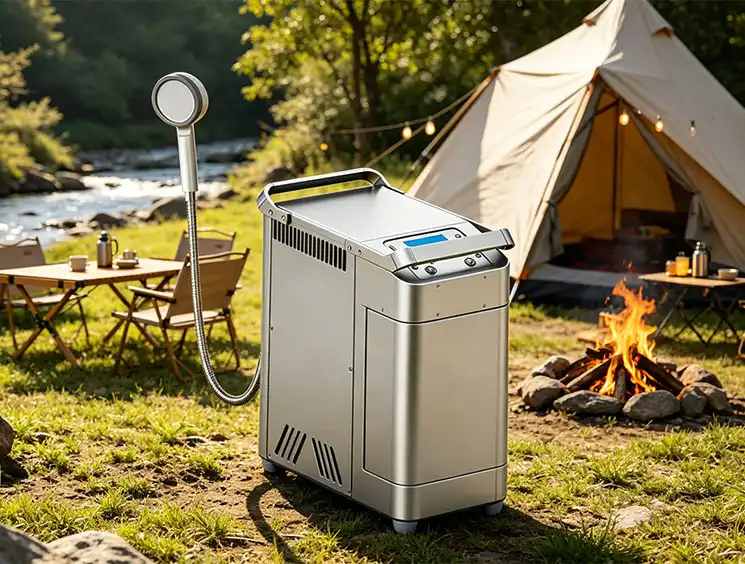
Understanding Exterior Propane Tankless Water Heaters
On-demand hot water systems have changed how companies think about temperature comfort and how they run their businesses efficiently. Tankless units only work when hot water runs through them, unlike standard storage tank systems that heat big amounts of water all the time. This basic difference makes business operations better right away.
How Outdoor Propane Systems Work
There is a pipe that brings cold water into the room when you open a hot water tap. This movement is picked up by a flow monitor, which tells the gas burner to light. The heat exchanger quickly raises the temperature of the water to the level you set in three seconds. The system keeps this temperature steady by using advanced modulation technology to change the flame's strength based on the flow rate and temperature of the water coming in.
Weather-Resistant Design Benefits
Putting heating equipment outside gets rid of a lot of problems that come up with indoor setups. You won't have to worry about combustion gases getting into rooms that are already filled or giving up important internal space for mechanical equipment. Weather-resistant covers keep the inside parts safe from rain, snow, and changes in temperature while keeping them working at their best. Models made to be mounted outside usually have stronger housings and materials that don't rust, so they can last for years in harsh environments.
Safety Standards and Certifications
Managers of commercial buying must make sure that all heating equipment meets safety standards. The Canadian Standards Association approves goods for sale in North America, while the American Society of Mechanical Engineers sets strict rules for building. These labels show that makers have sent their plans to unbiased testing facilities and shown that they meet the necessary standards for materials, building methods, and safety features. When assessing suppliers, make sure they can show proof that they follow these rules and the local building code.
Step-by-Step Installation Process for Exterior Propane Tankless Water Heaters
Whether your investment works reliably or becomes an upkeep headache depends on how well it was installed. For commercial uses, setup needs to be done with great care to avoid interruptions to operations and keep everyone safe at work.
Pre-Installation Planning and Site Assessment
Before you install tools, you should look at what your building needs. Find the highest demand for hot water by identifying places where it is being used at the same time and their flow rates. A campground with ten shower stations running at the same time needs a lot more space than a food service business that occasionally needs to wash dishes. This estimate helps with sizing tools and keeps performance failures from happening.
Several conditions must be met at the fixing site. Most building rules set minimum distances between buildings and property lines, windows, doors, air openings, and windows. These spaces keep exhaust fumes from going back into buildings or having an effect on nearby properties. The wall structure has to be strong enough to hold the weight of the unit, water, and parts. Surfaces on the outside should not let water in and should have stable fixing bracket connection points.
Essential Tools and Safety Equipment
Getting the right tools together ahead of time speeds up installation and lowers the risk of mistakes. For gas fittings, you'll need adjustable wrenches. For water lines, you'll need pipe cutters and threading tools. For drilling, you'll need a drill with brick or wood bits, and for mounting, you'll need a level. Protective glasses, work gloves and a gas leak detection solution or electronic monitor are all pieces of safety gear.
Mounting and Connection Procedures
To place exterior propane tankless water heater something securely, you must first find the wall studs or put the right anchors for masonry surfaces. The bracket system needs to keep the unit level and give it enough support without putting too much stress on the case, which could cause it to crack over time. Connect the cold water outlet using the right pipe materials and fittings that are rated for the system's highest pressure after mounting.
When connecting propane, you need to be extra careful. Instead of general-purpose pipe thread glue, use one that is allowed for LPG use. First, tighten the fittings by hand. Then, use tools to get the right force without overtightening, which can damage the threads and make leak paths. There should be an easy-to-reach manual cutoff button on the gas supply line in case of an emergency.
The engine's starter, control board, and any digital screens or app communication features are all powered by electrical links. Modern portable water heaters that can be controlled by a smartphone need stable power from either an external source or the 10,000mAh battery system. Put in place electrical tubing to keep wires safe from damage and water.
Post-Installation Testing and Verification
Don't assume that the download worked without trying it thoroughly first. First, put pressure on the gas system and put leak monitoring solution on all of the connections. Even small bubbles show that gas is leaking and needs to be fixed right away. The same kind of pressure testing needs to be done on water lines to find leaks before they damage property or waste resources.
Ignition tests show that the burner always lights, and the flame is steady and blue, not yellow or orange, which could mean that the fuel isn't completely burnt. Run hot water through all the fixtures that are linked while keeping an eye on the flow rate and temperature stability. The system should keep the temperature where you set it without big changes when demand changes.
Maintenance and Troubleshooting Tips to Ensure Longevity and Safety
Businesses can't afford for equipment to break down without warning, which could disrupt service or put people in danger. A organised repair program keeps your investment safe and makes sure it works the same way every time.
Routine Inspection Checklist
The heat exchanger should be checked every three months for scale growth, which lowers its performance and can cause it to fail early. The burner unit needs to be cleaned every so often to get rid of dust and other things that get in the way of proper burning. Vent lines should not have any debris in them, like bird nests or leaves, and the exhaust ends should not have any rust or damage.
Screens at the entrance of the water filter catch sediment before it gets into the system. By cleaning these screens every couple of months, you can stop flow limits that cause error codes or make hot water less available. The gas supply line and joints should be looked at often for rust, damage, or loosening that could lead to dangerous leaks.
Seasonal Preparation for Outdoor Units
When it's winter, outside installs can be harder than usual. Many units have freeze protection, but if water stays in the heat exchanger during long shutdowns, the extreme cold can defeat these defences. Before it gets cold, drain the system fully if the unit won't work all the time. Some owners put in recycling systems that keep the flow at a low level during cold spells. This keeps ice from forming without wasting a lot of energy.
The unit itself isn't usually damaged by summer heat, but make sure that the air holes stay clear as plants grow near the installation site. Cut back any plants near the exhaust exit that could block wind or pose a fire risk.
Common Issues and Solutions
Problems with the gas source are more often to blame for ignition failures than with the unit itself. Make sure there is enough fuel in the tank and that the manual stop valve is still fully open. If the burners are dirty or the ignite wires are broken, they may need to be cleaned or replaced by a professional. Flow rate changes often mean that valves are only partly closed, filters are clogged, or the water flow from the supply source is too low. Changes in temperature could mean that scale is building up in the heat exchanger or that the temperature monitor is broken and needs to be replaced.
Knowing when to call a professional service provider saves your guarantee and keeps you from making mistakes that cost a lot of money. When fixing complicated problems like petrol systems or computer controls, you should only let qualified professionals who know your model do the work. The one-year guarantee covers problems with the way the product was made, but not usually damage caused by bad installation or not doing regular upkeep.
Comparing Exterior Propane Tankless Water Heaters with Other Systems
When making choices about what to buy, it helps to know how different tools work in real-world business settings. Which option is best for you relies on your operating needs, the infrastructure you already have, and how much it will cost in the long run.
Propane Versus Electric Tankless Systems
Electric tankless water heaters don't need to be fuelled, so they're safe for small projects that only need a small amount of hot water of exterior propane tankless water heater. Not having to worry about air makes installation easier in some places. Electric systems have a hard time keeping up with the high-volume needs of businesses. They need major changes to their electrical services that often cost more than the infrastructure for gas. With a 10,000W heating element that delivers 34,000 BTU, healing is much faster than with electric options of the same size.
In most places where natural gas isn't available, propane is cheaper to run than natural gas. The price of electricity per BTU is usually higher than the price of gas. This is especially true during times of high demand, when utility rates go up. Propane systems keep working at full capacity no matter what happens with the power grid. This means they can be relied on to work even when the power goes out, which would shut down an electric heater.
Exterior Versus Interior Placement
Installing something inside saves wall room on the outside and keeps equipment from being damaged by the weather, but it makes airflow more difficult. You have to run the intake and exhaust lines through the building shell, which can create thermal bridges and needs careful sealing to keep water out. Indoor units take up important room inside that businesses could use for events that bring in money.
Mounting equipment outside exposes it to the weather, but it makes installation easier and gets rid of worries about internal air quality. Modern forms that are immune to weather don't lose their effectiveness in difficult circumstances. Because portable types don't have fans, they make less noise, which is good for hotel settings where guest comfort is important. Placing equipment outside often makes it easier to maintain because workers can work on it without going into buildings that are occupied.
Tankless On-Demand Versus Storage Systems
Traditional storage water heaters that use gas burners keep a tank of hot water ready to use at all times. This method loses energy because heat escapes through the covering of the tank while it is not being used. When there is more demand than holding space, people have to wait for the tank to warm up before they can use the hot water again. Businesses have to make tough choices about tank sizes: if they're too big, they waste energy, and if they're too small, users get frustrated when the water runs out.
With a tankless system, water is only heated when it's needed, so there are no reserve losses at all. A unit that is the right size and has enough flow capacity will never run out of hot water, no matter how long the demand lasts. The 5 litres per minute flow rate works well for campgrounds, RV parks, and temporary outdoor spaces where a lot of people need steady access to hot water. Using less energy means lower fuel costs and less damage to the earth over the life of the equipment.
Procurement Considerations for Commercial Buyers
When making choices as a homeowner, decisions about large purchases need different evaluation standards. Businesses decide how much to spend on an initial investment based on lifecycle costs, help available, and the reliability of the provider.
Pricing Structures and Volume Discounts
When buying things for a business, single-unit price rarely shows what it really costs. Retailers and hotel owners who want to buy more than one unit of exterior propane tankless water heater should ask for volume price models that take order size into account. Some sellers have tiered pricing, which means that as you buy more, the price per unit goes down. Along with base price, payment terms are important. For big projects, extended terms or progress billing can help with cash flow.
Find out what the total cost of ownership is, not just the buying price. Equipment that costs less at first but needs more upkeep or doesn't last as long usually ends up costing more in the long run. Manufacturing methods that are ISO9001:2015 approved show that they have quality control systems that lower the number of defects and warranty claims. This approval shows that the planning, production, and testing processes were done in a way that protects your investment.
Supplier Selection and After-Sales Support
Usually, trustworthy providers keep enough stock on hand to meet orders within a fair amount of time. A 45-day production cycle lets you plan for yearly demand spikes without having to pay too much for rush services. Make sure that your provider can raise production to meet sudden rises in demand without lowering quality or taking longer to deliver.
How quickly you can solve startup or operation problems depends on how quickly you can get technical help. When it comes to getting help, suppliers that let you talk directly to tech staff are faster and more accurate than those that make you go through a bunch of gatekeepers. Training materials help your repair teams learn how to use new tools, which cuts down on service calls and downtime.
Businesses that need private labelling or customised specs should be able to use ODM and OEM. Being able to change things like flow rates, temperature ranges, control interfaces, or even the way something looks can help you stand out in the market. Businesses at different stages of growth can use flexible minimum order quantities. This includes new companies trying market ideas and established companies growing their capacity.
Warranty and Compliance Documentation
A one-year guarantee covers problems with the way the product was made and parts that break during the first year of service. Carefully read the guarantee terms to find out what coverage exclusions apply. Most of the time, security is lost because of bad installation, neglected upkeep, or unauthorised changes. For an extra fee, some manufacturers let you buy extended warranties that cover you for longer than the usual time.
Documentation packages should have certificates showing that they meet safety standards, installation guides with clear pictures and instructions, and upkeep plans that keep the guarantee valid. Depending on the rules of the target country, international purchases may need extra licenses. Make sure that your supplier gives you all the paperwork you need to get through customs and please the local inspection officials.
Conclusion
To safely install gas heating systems outside, you need to pay close attention to gaps, connections, and following the rules. Tankless technology has many benefits, including endless hot water, saving room, and using less energy. For business uses, the extra work needed to set it up correctly is worth it. Regular repair keeps things working well and safely, and it also makes things last longer. Along with original price, thoughtful procurement looks at lifecycle costs, provider skills, and support infrastructure. If you install and maintain your exterior propane tankless water heaters according to the manufacturer's instructions and local rules, they will keep you comfortable in camps, hospitality places, or temporary buildings.
FAQ
1.What clearances are required for exterior propane tankless water heater installation?
Most building rules say that you have to be 4 feet away from windows or doors, 3 feet away from building edges, 7 feet above ground level and 3 feet away from air intake vents. Exhaust ports need empty space so that gas doesn't flow back into buildings. Some local codes may have tighter standards, so check with the people in charge before you install.
2.How do I size a tankless system for commercial applications?
Find the highest usage times and flow rates for all fixtures that are running at the same time to figure out the joint hot water demand. Add an extra 20% of capacity in case demand goes up or down unexpectedly. How much temperature rise is needed depends on the temperature of the water coming in and the output that is wanted. Professional load estimates make sure that the capacity is right without being too big.
3.Can portable propane water heaters operate in freezing conditions?
Many types have freeze protection that checks the temperature inside and turns on heating parts to stop ice from forming. If water doesn't move, extreme cold could overwhelm these systems. For systems that won't be running for long periods of time during cold weather, either drain the unit fully or keep the flow at a minimum.
Partner with TOJIRO for Reliable Exterior Propane Tankless Water Heater Solutions
TOJIRO uses both traditional Japanese fine craftsmanship and modern manufacturing technology to make outdoor heating solutions that are better than what businesses expect. Our portable water heaters can be controlled by a smartphone app, produce 34,000 BTUs, and run without a fan, making them perfect for dining places, camping operations, and temporary outdoor facilities. The advanced steady temperature system keeps people comfortable all the time, and many safety features keep people and belongings safe.
We follow ISO9001:2015 quality standards during the whole process of making our approved exterior propane tankless water heaters. Producing more than a million units a year shows that the factory is capable and the supply chain is reliable. Our 45-day production cycle lets us meet the needs of the market without lowering the quality, and our open ODM/OEM services let private label partners make their own specs.
Commercial buyers get a lot of help, like expert advice, help with installation, and a guarantee that covers them for a year. Volume price systems take into account how much you can buy and how valuable a long-term relationship is to you. Get in touch with our purchasing team at [email protected] to talk about your unique needs and find out how our exterior propane tankless water heater options can help your business while also saving you a lot of money.
References
1. Smith, R.J. (2023). Commercial Water Heating Systems: Design and Installation Standards. Mechanical Engineering Press.
2. National Fire Protection Association (2024). NFPA 54: National Fuel Gas Code, 2024 Edition.
3. Thompson, L.M. & Garcia, A.P. (2022). "Comparative Energy Analysis of Tankless Water Heating Technologies in Commercial Applications," Journal of Building Services Engineering, 43(2), 156-174.
4. American Society of Plumbing Engineers (2023). Domestic Water Heating Design Manual, 4th Edition.
5. Wilson, K.T. (2024). "Safety Protocols for Outdoor Propane Appliance Installation," Commercial Contractor Quarterly, 18(1), 34-49.
6. International Association of Plumbing and Mechanical Officials (2024). Uniform Mechanical Code, 2024 Edition, Chapter 10: Fuel Gas Piping.

USER EVALUATE
Here is the customer's evaluation of us
_1763607940917.webp)
_1763607708566.webp)
_1763606719875.webp)