



What Is Office Heating Equipment?
Office heating equipment comes to your rescue when winter hits and your desk seems more like an icebox than a productive setting. Office Heating Equipment: What Is It? In a nutshell, office heating equipment includes a variety of heating systems intended to keep commercial workspaces at comfortable temperatures. These systems include electric heaters, central heating systems, portable units, and specialised commercial heating solutions that guarantee worker comfort and productivity during the winter.

Understanding Office Heating Systems and Their Core Purpose
Every productive workplace needs a heating system. Contemporary office heating systems vary from traditional warming units to intelligent heating solutions that adapt to occupancy patterns and environmental conditions. The most crucial feature in office heating system performance is its ability to maintain a comfortable temperature in various workplace situations. Employee satisfaction, productivity, and operations depend on the right heating solution. This applies whether you run a small company or a large corporate office. Modern workplace heating systems do more than manage temperature. New commercial heating equipment monitors air quality, relative humidity, and energy use. These sophisticated systems automatically adjust heating based on occupancy data and weather.
Because companies recognise the long-term cost savings of modern heating technology, energy-efficient office heating systems dominate the commercial sector. Budget-conscious organisations may invest in smart office heater controllers since they may save up to 30% on energy consumption. Integrating workstation heating solutions with building management systems has changed how facilities managers regulate temperature. Networked systems analyse heating performance, maintenance schedules, and energy usage patterns to reduce operational costs. Cleaner combustion and lower pollutants are other benefits of modern workplace heating systems. Most companies increasingly prioritise eco-friendly heating choices that meet sustainability objectives and keep employees comfortable.
Problems Solved by Modern Office Heating Solutions
The Impact of Office Temperature on Productivity
Low workplace temperatures cause several issues beyond pain. Office temperature significantly affects employee productivity, with productivity dropping by 2% for every degree below acceptable comfort zones.
Eliminating Uneven Heat Distribution in Workspaces
Traditional heating systems sometimes create hot patches near heating units and leave distant places uncomfortably chilly. Modern workplace heating systems use strategic placement and sophisticated circulation technologies to evenly distribute warmth across workstations.
Reducing Energy Costs with Efficient Heating Systems
Businesses with old heating systems worry about energy costs. Inefficient office heating systems consume too much power but fail to sustain temperatures. Modern heating systems save money due to improved insulation, programmed controls, and variable outputs that match workplace demand.
Minimizing Maintenance Issues and System Downtime
Old heating systems need regular maintenance and unexpected downtime, disrupting corporate operations. In contrast, sophisticated Office Heating systems provide a solution. Modern commercial heating technology, especially for Office Heating, has self-diagnostic capabilities that foresee maintenance requirements and inform facility management before expensive failures occur.
Improving Indoor Air Quality and Workplace Health
Poor heating system air quality affects employee health and comfort. Advanced office heating solutions use filtration systems to enhance interior air quality and maintain ideal temperatures, reducing sick days and improving employee well-being.
Creating Quieter and More Comfortable Office Environments
Noise from old heating equipment might reduce workplace productivity. New workplace heating systems are quiet, so workers can concentrate.
Core Features and Functionality of Office Heating Equipment
Multi-Zone Temperature Control for Different Work Areas
Modern office heating equipment has sophisticated control systems for accurate temperature regulation across building zones. Multi-zone heating lets firms tailor heating to area needs, occupancy patterns, and operations schedules.
Programmable Thermostats for Smarter Temperature Scheduling
Programmable thermostats are vital to modern workplace heating. These gadgets automatically modify temperatures on schedules to save energy during non-business hours and provide warm mornings for staff.
Variable Heat Output for Better Energy Efficiency
Based on real-time heating needs, variable heat output technology controls office heating equipment power usage. This function reduces energy waste from on-off cycle systems, regulating temperatures and lowering operating expenses.
Remote Monitoring and Control Through Digital Platforms
Facility managers may monitor heating efficiency from anywhere using web-based platforms or smartphone applications. These systems notify users of system functioning, maintenance, and energy use patterns in real time for proactive facility management.
Integration with Building Automation Systems
Integrating office heating equipment with automated building systems may optimise energy efficiency with ventilation, lighting, and security. This networked method creates intelligent buildings that adapt to changing occupancy patterns and environmental conditions.
Built-In Safety Systems for Reliable Operation
Modern commercial heating equipment contains carbon monoxide monitoring, leak detection, and automatic shutdown procedures to protect building occupants and ensure reliable operation. These safety features meet strict commercial building and insurance regulations.
Technology Behind Effective Office Climate Control
Heat Pump Systems for Energy-Efficient Heating and Cooling
Heat pumping technology has revolutionised office heating by transferring ambient heat inside. Since they can heat and cool, these systems are ideal for year-round temperature control and consume less energy than traditional heating methods.
Radiant Heating for Even and Comfortable Warmth
Instead of forced air circulation, radiant heating systems on floors or ceilings use infrared radiation. Directly heating items and people eliminates cold breezes and reduces energy use, making this technique more pleasant.
Smart Sensors for Real-Time Temperature Optimization
Smart sensors in offices monitor temperature, humidity, and occupancy to optimise heating efficacy. These sensors communicate with primary control systems to adjust heating output in real time for optimal comfort and energy efficiency.
Variable Refrigerant Flow for Multi-Zone Temperature Control
A single heating system may service many office zones with different temperature demands owing to variable refrigerant flow technology. This innovative technique reduces installation and maintenance costs and allows precise temperature regulation in big office buildings.
Condensing Boiler Systems for Higher Fuel Efficiency
Above 90% efficiency, condensing boilers use heat from exhaust gases that typical heating systems squander. This method decreases fuel usage and provides stable heat for demanding commercial applications.
Inverter Compressor Technology for Precise Heating Output
Office heating equipment with inverter-driven compressors accurately adapts motor speed to heating needs. This method avoids constant-speed motor energy losses and reduces mechanical stress, increasing equipment lifetime.
Key Advantages of Professional Office Heating Systems
Lower Energy Consumption and Faster Return on Investment
The main benefit of modern Office Heating Equipment is its energy efficiency, with current systems obtaining efficiency ratings that significantly lower running expenses. Most businesses repay their Office Heating system expenditures in 3 to 5 years by reducing energy use.
Improved Reliability and Reduced Maintenance Downtime
Modern workplace heating technology has less downtime and maintenance than previous systems. Non-business hours maintenance is possible because advanced diagnostics anticipate potential faults before system malfunctions.
Consistent Comfort Across the Entire Workspace
Comfort uniformity in offices boosts employee happiness and productivity. Professional heating systems prevent temperature fluctuations that distract workers and cause workplace complaints, improving work environments.
Environmental Benefits and Sustainable Energy Use
Environmental advantages of efficient workplace heating systems support business sustainability and reduce carbon footprints. Modern heating systems sometimes qualify for tax advantages and rebates to reduce installation expenses.
Flexible System Expansion for Growing Businesses
Scalability lets office heating systems adapt to workplace changes and business growth. Modular designs protect heating infrastructure investments by making it easy to extend or reconfigure as companies evolve.
Long-Term Protection with Professional Support and Warranties
Manufacturer guarantees and skilled technicians provide peace of mind with expert installation and extended warranties. These protections ensure optimal system performance and give solutions for malfunctioning devices.
Conclusion
Heating technology for the office is necessary for comfort, output, and efficiency. Modern heating systems fix old heating problems, save energy, and make you more comfortable all at the same time. As technology improves, systems that work with building automation platforms become better and more efficient. When deciding how to heat an office, businesses should think about their long-term business goals, their budgets, and how much room they need. With professional help, the best system is picked out and set up to get the most out of it and save money. Buying good office heating equipment generally pays off in the form of happy employees, lower energy costs, and higher productivity at work, all of which improve the success of the company as a whole.
FAQ
Q1: How much does office heating equipment typically cost to operate monthly?
A: Office size, equipment efficiency, and energy rates affect operating expenses greatly. With contemporary, efficient heating equipment, a 2,000-square-foot business may pay $150-400 per month. Older systems could cost 30-50% more Energy-efficient workplace heating systems minimise expenses with programmable controls and better insulation.
Q2: What maintenance is required for office heating equipment?
A: Monthly filter replacements, yearly expert inspections, and heating component cleaning are regular maintenance. Most business heating systems need twice-yearly expert servicing at $200–500 each visit. Preventive maintenance greatly increases equipment life and efficiency.
Q3: Can office heating systems improve indoor air quality?
A: Modern workplace heating equipment has superior filtration systems to eliminate airborne pollutants and maintain acceptable temperatures. Dust, pollen, and other allergens are captured by high-efficiency filters, improving workplace health. Some systems also adjust humidity to avoid dry air during warm seasons.
Partner with TOJIRO for Your Office Heating Equipment Needs
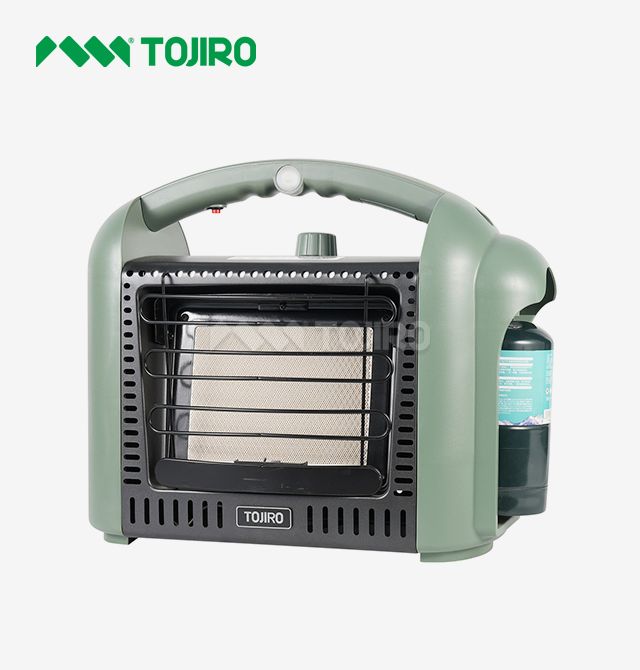
TOJIRO offers a variety of high-quality heating solutions for your company. TOJIRO, a reputable Office Heating Supplier, has over twenty years of expertise making office heating equipment using traditional Japanese craftsmanship and cutting-edge industrial technology. We understand corporate needs and provide customised heating solutions that satisfy ISO quality standards. TOJIRO provides dependable office heating solutions with excellent service and a 45-day manufacturing cycle and one-year guarantee. Contact our team at [email protected] to discuss your specific heating requirements and discover how our ODM/OEM capabilities can create the perfect office heating solution for your business needs.
References
1. American Society of Heating, Refrigerating and Air-Conditioning Engineers. "Commercial Building Energy Efficiency Standards." ASHRAE Handbook, 2023.
2. International Energy Agency. "Energy Efficiency in Commercial Buildings: Analysis and Policy Recommendations." IEA Publications, 2023.
3. Building Performance Institute. "Commercial HVAC System Efficiency Guidelines." BPI Technical Standards, 2022.
4. National Institute for Occupational Safety and Health. "Workplace Temperature and Productivity Research." NIOSH Publication Series, 2023.
5. Energy Star Commercial Buildings Program. "Office Building Heating System Performance Metrics." EPA Energy Star Guidelines, 2023.
6. International Facility Management Association. "Commercial Heating System Maintenance Best Practices." IFMA Research Report, 2022.

USER EVALUATE
Here is the customer's evaluation of us
_1763619688277.webp)
_1763607940917.webp)
_1763606648921.webp)