


What Is a Double Camping Stove and Why Campers Prefer It?
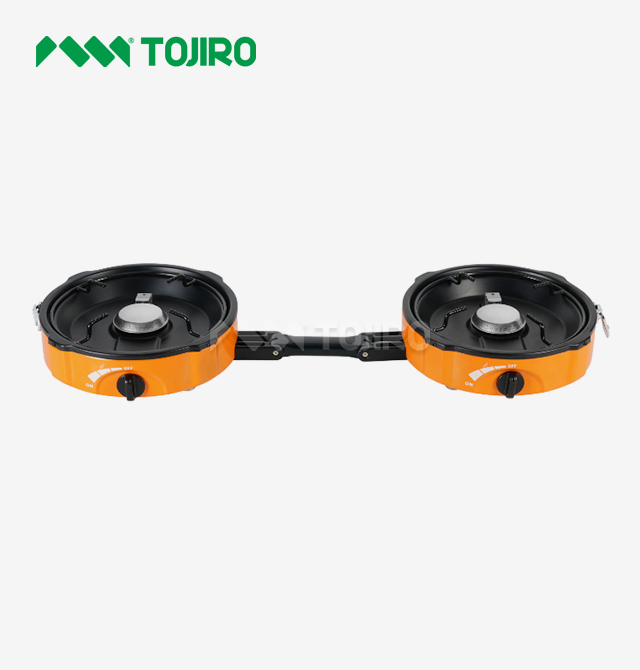
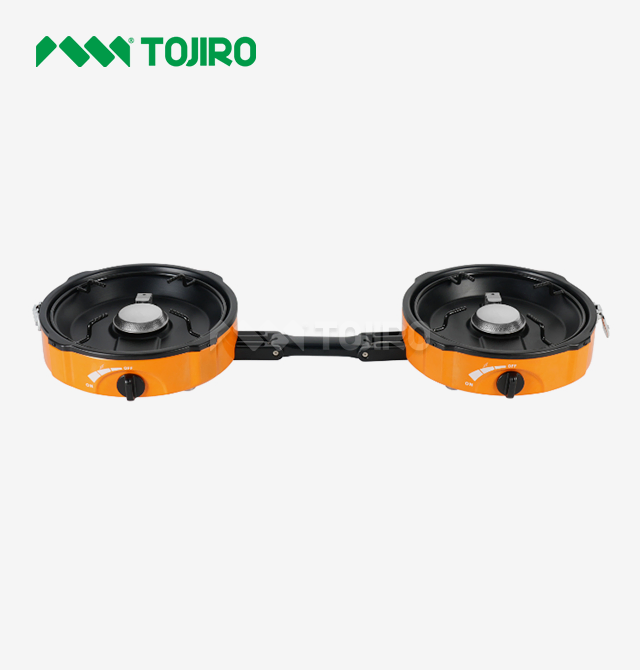
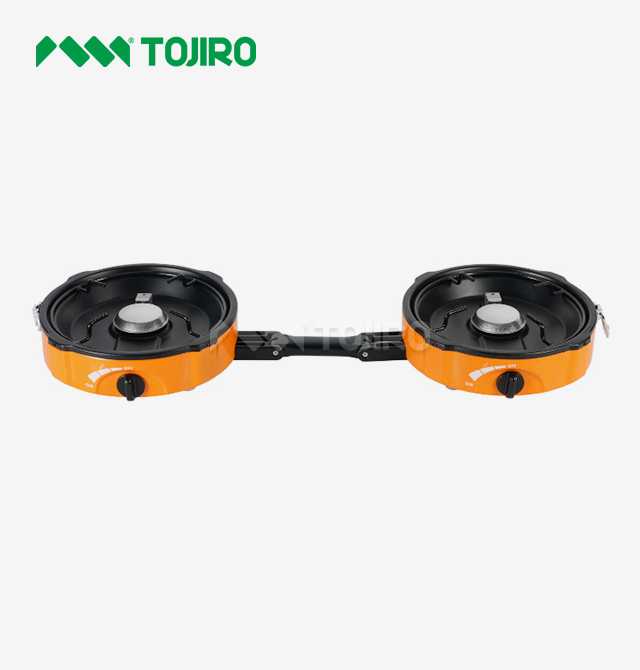
A double camping stove is a movable food device with two separate burners that lets people cook more than one dish at the same time while they're outside. The best double camping stove is built to last, uses fuel efficiently, and is easy to move around. It should be able to meet the needs of campers, rental businesses, and commercial users. Compared to single-burner units, dual-burner models make preparing meals much faster and give you more options for making complicated recipes in different places. Because they can cook more food, they are very useful for business-to-business buyers who are looking for gear for outdoor gear stores, hotel clients running glamping sites, or government agencies in charge of disaster aid.
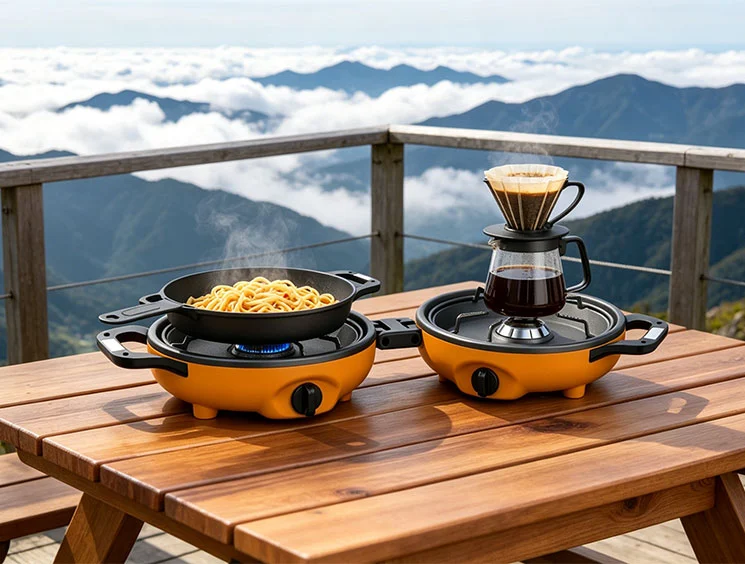
Understanding Double Camping Stoves: Definition and Core Benefits
What Defines a Double Camping Stove?
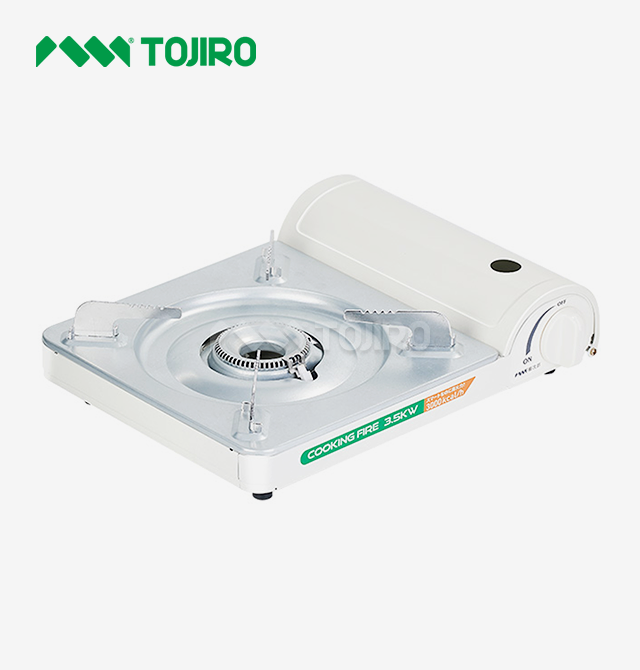
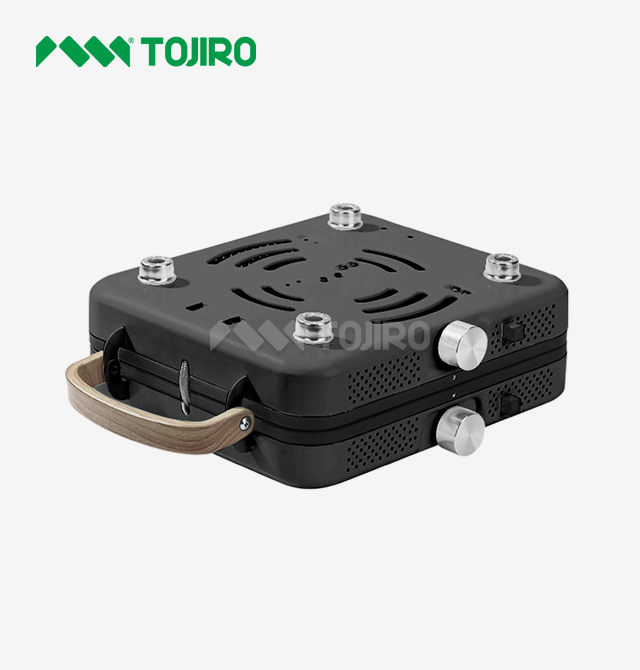
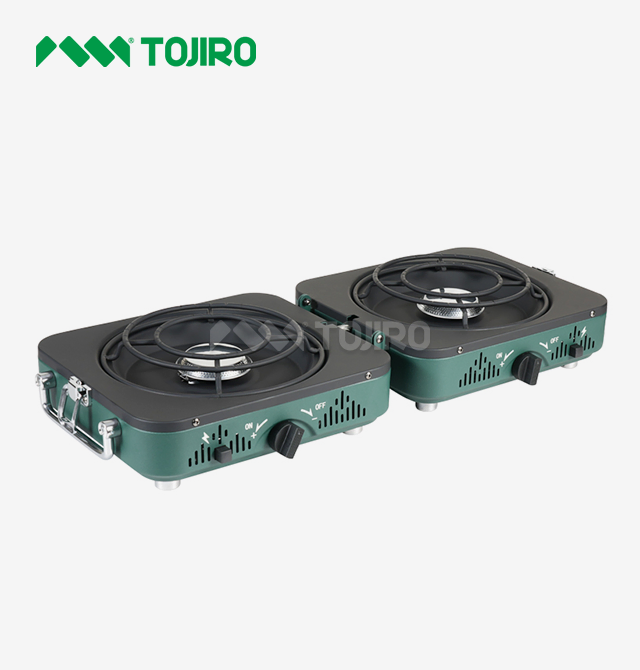
A double camping stove has two different burner heads built into one small unit. It is usually powered by propane or butane gas tanks. Each burner works on its own, so users can change the temperature for different types of food. With 2.3kW of power output per burner head, the TOJIRO Shell Stove is a great example of this design. Its 8000 BTU heat capacity means that it can boil water quickly and cook food evenly in all kinds of weather situations. The powder-coated cold-rolled steel design makes it very durable and protects it from corrosion caused by changes in temperature and wetness.
Core Benefits for Personal and Commercial Use
The dual-burner setup, including the best double camping stove, enables simultaneous cooking processes such as boiling and sautéing, improving efficiency during outdoor meal preparation. This is especially valuable for morning service in camping environments where speed matters. For commercial users, durability supports repeated rental use, while TOJIRO packaging passes 1-meter drop tests at multiple angles for safer logistics. The standardized structure simplifies training and maintenance for institutional buyers. Compatibility with both EU and US fuel systems enhances international procurement flexibility and ensures stable operation across diverse markets.
Key Features and Types of Double Camping Stoves
Fuel Type Variations and Their Implications
Gas-powered double camping stoves are widely used due to clean combustion, fast ignition, and stable heat output. Propane is preferred for cold climates and year-round commercial use, while butane offers lighter canisters but performs poorly below 32°F, limiting winter applications. The TOJIRO Shell Stove improves reliability through a pressure-regulating valve that stabilizes gas flow and prevents flare-ups under varying canister pressure. This makes it suitable for high-volume cooking environments. Procurement teams must balance fuel availability, climate suitability, and safety requirements when selecting systems for different operational regions.
Design Categories: Portable Versus Heavy-Duty Models
Portable double burner stoves prioritize compact size and lightweight construction, often using foldable legs and reduced metal frames under 250 mm for easy transport. These models are ideal for retail markets targeting casual campers. In contrast, heavy-duty versions use reinforced steel and larger burner heads capable of supporting cookware over 20 cm. The TOJIRO model balances both needs with a cold-rolled steel body and a compact 245×210×59mm folding design, offering professional durability while remaining portable. This hybrid approach supports both rental fleets and hospitality operations requiring reliability and mobility.
Critical Features for Procurement Evaluation
Burner output measured in BTUs directly influences cooking speed and fuel efficiency. The best double camping stove designs, including TOJIRO units with 8000 BTU per burner, provide strong heat performance while controlling fuel consumption for commercial use. Safety and efficiency features such as wind guards and flame stabilization systems reduce heat loss during outdoor operation. Integrated oil and water trays protect internal components and simplify cleaning for high-turnover rental environments. Environmental considerations also play a role, with refillable propane systems reducing waste compared to disposable canisters and supporting sustainability goals.
How to Choose the Best Double Camping Stove?: A Decision Support Guide
Procurement Scenarios and Selection Criteria
Bulk retail buyers prioritize cost efficiency and consistent quality to ensure customer satisfaction and reduce returns. TOJIRO’s production capacity exceeding one million units annually supports large-scale supply while maintaining quality control, with a 45-day lead time aligned to seasonal demand cycles. OEM/ODM flexibility allows customization of branding and burner configurations, while a 1,000-unit MOQ supports emerging brands. Rental and hospitality operators benefit from durable cold-rolled steel construction and stable pressure regulation, reducing operational failures during repeated high-frequency use in demanding environments.
Price-to-Performance Analysis
Low-cost stoves often rely on lighter materials and simplified ignition systems, leading to shorter lifespans and higher replacement costs despite lower upfront pricing. In contrast, premium models like TOJIRO provide better long-term value through durable construction and precision engineering. ISO9001:2015 certification ensures consistent manufacturing quality and reduced defect rates. A one-year warranty further protects procurement investments by covering manufacturing-related failures. Over time, reduced maintenance, fewer breakdowns, and improved fuel efficiency significantly lower total cost of ownership for rental fleets and commercial outdoor operators.
Compatibility and Maintenance Considerations
Fuel compatibility strongly affects operational flexibility and supply chain efficiency. Stoves supporting both European and US gas standards reduce inventory complexity for international operations. TOJIRO’s dual-compatibility design eliminates the need for additional adapters, improving field usability. Maintenance efficiency also impacts long-term costs, as complex burner systems increase labor and downtime. TOJIRO units simplify servicing through standardized components and a one-piece ignition system that reduces water-related failures. Accessible replacement parts and streamlined repair procedures make these systems more suitable for high-usage commercial environments and rental businesses.
Maintenance, Safety, and Usage Best Practices for Double Camping Stoves
Essential Maintenance Protocols
Cleaning the burners on a regular basis keeps grease from building up, which blocks gas flow and makes flame patterns look uneven. When renting equipment, the burner caps should be taken off and the ports should be cleaned with compressed air or fine wire brushes every 20 uses. TOJIRO stoves have a powder-coated finish that doesn't rust, but it's good to wipe it down every so often with a light detergent solution to get rid of organic leftovers that speed up metal breakdown. By checking the fuel line for wear, major problems can be found before they happen in the best double camping stove, preventing unexpected failures and improving long-term operational safety. For business stock, hose connections should be visually checked for cracks every three months, and the function of the pressure regulator should be confirmed. Having access to replacement parts affects how well repair can be done, so building ties with manufacturers is very important for bulk buyers. TOJIRO's well-established delivery network makes sure that customers can get original parts that meet performance standards.
Safety Best Practices and Operational Guidelines
The right way to handle fuel starts with storage rules that keep canisters from getting damaged by drops in temperature or hits. Storage rooms should keep temperatures below 120°F and have enough air flow to get rid of any gas leaks that might be there. Rental businesses need to have checkout processes that check the quality of the canisters and teach customers how to connect things in a way that stops cross-threading and gas leaks. For outdoor use, it needs to be put down on a stable, level surface at least three feet away from tent walls, plants, and anything that could catch fire. The wide base and low center of gravity of the TOJIRO stove make it more stable, but users must make sure the pot placement is safe before adding liquids. Gas combustion uses up air and makes byproducts that could be dangerous, so they should only be used indoors in well-ventilated areas with carbon monoxide monitors.
Troubleshooting Common Issues
Weak or uneven flames usually mean that the burner ports are clogged and need to be cleaned or that the fuel tanks are empty and need to be replaced. The steady 8000 BTU output from TOJIRO burners gives you a way to compare performance and figure out whether the problem is with the fuel source or with the burner itself. Piezoelectric processes that fail often do so because they are contaminated with water. The TOJIRO units' one-piece starting design keeps water out better than multi-component systems, but if they are exposed to rain or water for a long time, they need to be completely dried out before they can be used. When the pressure control doesn't work right, the flame height changes or the temperature stays the same. TOJIRO stoves have built-in pressure control, which cuts down on the number of parts needed and makes fixing easier than with external regulators that need to be inspected at multiple connection points.
Market Insights and Procurement Advice for Double Camping Stoves in 2026
Current Market Trends and Demand Shifts
As people look for holiday options other than standard ones, the outdoor recreation industry keeps growing. This is causing more people across all market groups to want to buy camping gear. Trends in car camping and overlanding favor double-burner camping stoves over ultra-lightweight backpacking models. This is because campers who use their cars value cooking ease over weight reduction. This change is good for companies like TOJIRO, whose products are portable and can cook enough food for long stays outside. New fuel technologies, like isobutane mixes and bio-derived propane alternatives, are being developed in response to environmental rules that limit the use of petroleum-based goods. When looking for stoves for places where environmental standards are changing, procurement workers should make sure that the stoves will work with the fuel being used. TOJIRO's design is flexible enough to work with different types of fuel without needing hardware changes. Regulatory oversight is becoming a bigger factor in how institutions buy things. Buyers from the government need to see proof of safety approvals and factory standards. TOJIRO's ISO9001:2015 certification and desire to get more certifications based on customer needs meet these compliance needs and make the approval process for purchases easier.
Pricing Analysis and Negotiation Strategies
When you buy more than 1,000 units, which is the minimum order number for TOJIRO bulk procurement, you can get big savings. When stores plan to build up their holiday inventory, they should combine orders to get the best prices and make sure that shipping times work with the 45-day production cycle so that stock is available before the busiest shopping times. When an OEM buys the best double camping stove directly from a producer, there are no markups for distributors, which cuts into store margins. The relationship also gives customers more options for customization and better priority setting when production capacity is limited. TOJIRO's experience with exporting to other countries and following the rules for more than one market makes buying less risky than going with new makers who don't have established quality systems. Payment terms and guarantee structures have an impact on the total cost of acquisition in addition to the price per unit. Longer guarantee periods lower the cost of replacing parts that break down too soon. This is especially helpful for rental businesses where equipment is used a lot. The one-year promise from TOJIRO is a good amount of safety, and the company's 20-year history of making products suggests that they are reliable for longer than the guarantee term.
Strategic Sourcing Considerations
Online markets are convenient, but they don't let you customize them very well, and quality control varies from seller to seller. Authorized sellers offer help and warranty service for a product, but they charge more for marketing. Direct relationships with manufacturers, like the ones TOJIRO offers, offer the best prices, the ability to customize, and quick contact for meeting production requirements or quality issues. When you buy things from other countries, you need to think about shipping, import taxes, and paperwork that shows you follow the rules. Exporting more than a million units a year shows that TOJIRO is good at handling foreign logistics and meeting legal needs in a wide range of markets. This knowledge makes it easier for buyers to handle paperwork and makes sure that orders are delivered on time, which helps with inventory planning plans. After recent global problems with transportation and industrial networks, supply chain reliability became more important. Manufacturers with well-established facilities and stable finances, like TOJIRO's 10,000-square-meter production center in Zhongshan, are less likely to have problems with order delivery than smaller businesses that might not have enough capacity or money to pay their bills.
Conclusion
Double camping stoves are important pieces of outdoor cooking gear for everything from family camping trips to professional dining businesses. When it comes to reliability, the best double camping stove is made of strong materials, uses fuel efficiently, and is easy for both leisure users and businesses to purchase. These traits are shown by TOJIRO Shell Stove models, which have two 8000 BTU heaters, are made of cold-rolled steel, and have careful design features that deal with real-life cooking problems. TOJIRO's large production size, ability to customize products, and quality control systems help procurement workers meet a wide range of business needs, from retail inventory to OEM partnerships. When Japanese craftsmanship principles are mixed with modern industrial skills, goods are made that work better than expected and meet international safety standards.
FAQ
1. Can double camping stoves be safely used indoors?
Gas-powered campfires should only be used inside, in rooms with enough air flow and carbon monoxide monitors. Burning things uses up air and makes carbon monoxide, which is dangerous in tight spaces. For gas and butane types, the best place to use them is still outside. Electric double-burner stoves are better ways to cook inside when it's not possible to cook outside.
2. Which fuel type offers better efficiency for commercial operations?
In industrial settings, propane works better than other fuels because it is reliable in cold weather, easy to find, and cheap when bought in bulk. Because the TOJIRO Shell Stove works with both European and US standard propane tanks, it gives you more options for operating in different areas while keeping the same 8000 BTU output per burner head.
3. How can rental companies maximize stove durability?
Routine maintenance plans that include cleaning the burner after each rental run greatly increase the life of the equipment. Educating customers at the register lowers the number of misuse events. If you choose long-lasting models, like TOJIRO units made of cold-rolled steel and protected packing made to resist drop impacts, damage during transport and storage is kept to a minimum. This lowers the cost of replacements and increases the rental fleet's profits.
Partner with TOJIRO: Your Trusted Double Camping Stove Supplier
If procurement professionals are looking for a reliable best double camping stove manufacturer, TOJIRO has a wide range of options that can be designed to meet the needs of any business. Our Shell Stove line blends more than 20 years of experience making outdoor gas appliances with ISO9001:2015 quality control systems. This makes sure that the quality of the products is the same for both bulk orders and OEM projects. Our 45-day production cycle lets us quickly meet seasonal inventory needs, and our 1,000-unit minimum order makes it easy for growing brands to get started. TOJIRO's reasonable pricing and ability to customize products help you reach your purchasing goals, whether you need white-label options for retail channels, long-lasting tools for rental businesses, or unique configurations for institutional buyers. You can email our team at [email protected] to talk about your specific needs and find out how our Japanese-inspired craftsmanship and quick service build long-lasting business relationships that offer value beyond the initial transactions.
References
1. Outdoor Industry Association. (2023). Camping Equipment Market Analysis and Consumer Behavior Trends. Outdoor Recreation Participation Report.
2. National Fire Protection Association. (2023). Safety Guidelines for Portable Cooking Appliances in Outdoor and Emergency Settings. NFPA Public Education Division.
3. American Society for Testing and Materials. (2022). ASTM Standards for Portable Gas Stoves: Performance Requirements and Safety Specifications. ASTM Committee F08 on Sports Equipment.
4. International Organization for Standardization. (2021). ISO 9001:2015 Quality Management Systems in Manufacturing Operations. ISO Technical Committee Standards.
5. Department of Energy. (2023). Comparative Efficiency Analysis of Portable Fuel-Based Cooking Appliances. Energy Efficiency and Renewable Energy Division.
6. Journal of Outdoor Recreation and Tourism. (2023). Equipment Preferences and Purchasing Patterns Among North American Campers. Academic Research Publication Vol. 42.

USER EVALUATE
Here is the customer's evaluation of us