


Everything You Need to Know About Outdoor Propane Wok Stove
An outdoor propane wok stove is a strong cooking utensil. Strong heat is produced by burning propane gas. These stoves are ideal for Asian cooking styles that require fast temperature changes and lots of heat. This makes them essential for commercial kitchens, food service, and teaching. Knowing how these burners function, why they're superior than other cooking technologies, and what to consider when buying them will help you make sensible selections that match your needs.

How Does an Outdoor Propane Wok Stove Work?
Core Operational Mechanics
These propane wok cookers use controlled propane burning. Liquid propane from the cylinder passes via a pressure valve to lessen tank pressure. The regulator maintains gas flow regardless of tank pressure. This maintains the flame nice when cooking. People alter fuel flow with control valves. This directly affects flame strength and heat output.
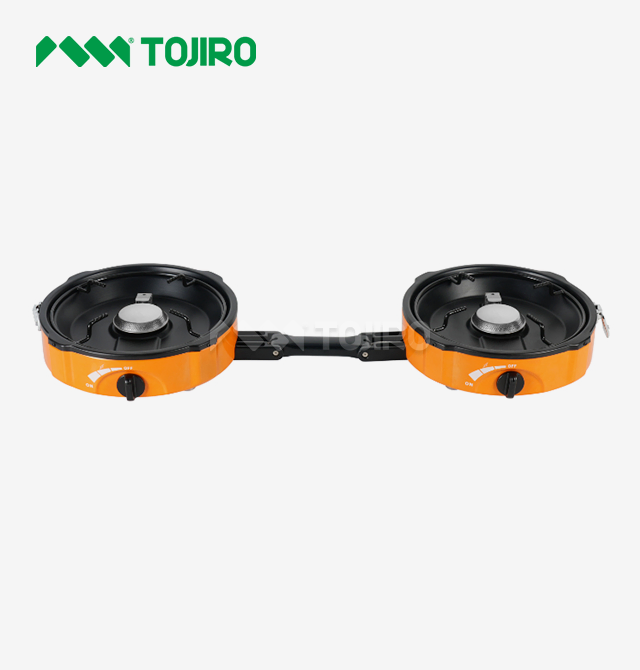
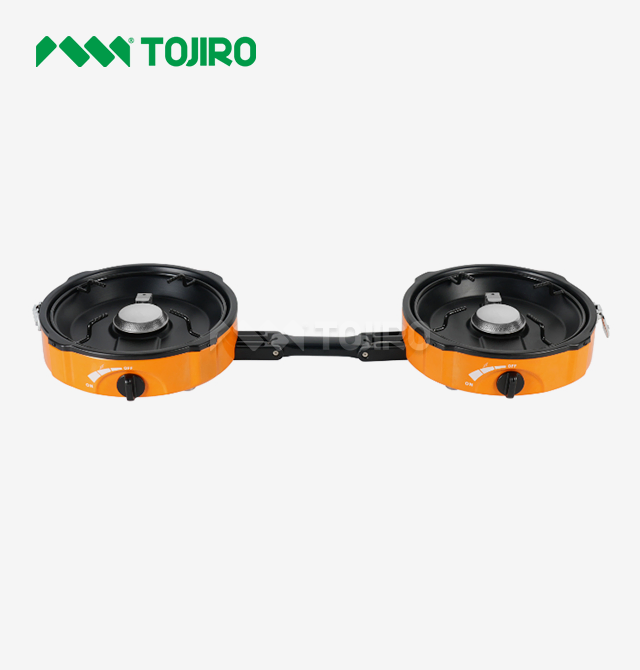
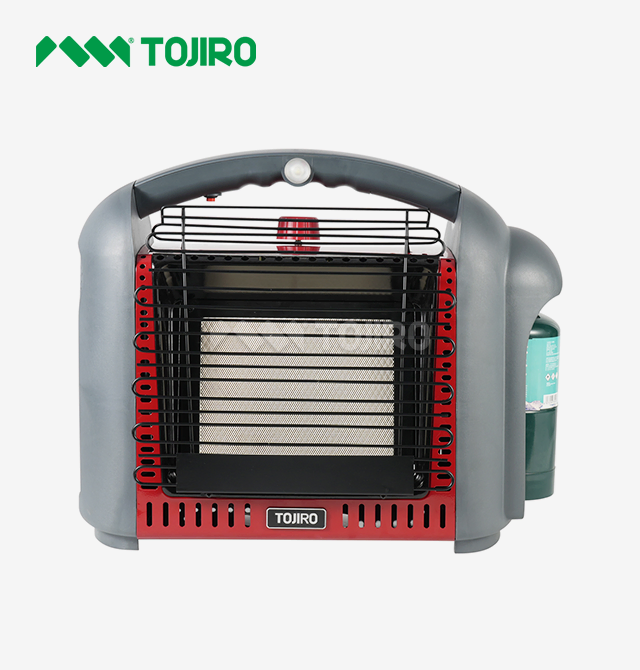
Propane combines with the air around the burner head before burning. Excellent burners feature many flame openings equally distributed over the cooking area. This distributes heat uniformly, which is vital for wok cooking. The TOJIRO Shell Stove TJR-BK39's 2.3kW (8,000 BTU) burner head is enough for high-temperature cooking.
Heat Transfer Efficiency
Professional equipment moves heat more efficiently than market equipment. Modern infrared burners reduce the heat from open flame burner heads. Infrared elements convert propane flames into brilliant heat waves that uniformly heat food, using less fuel while maintaining cooking performance.
The powder coating on cold-rolled steel tojiro varieties prolongs their life and retains cooking heat. For thousands of cooking cycles, this material can withstand heat spinning without bending or breaking.
Propane Versus Alternative Fuel Technologies
Compared to electric and induction wok stoves, propane has practical advantages. Most electric wok stoves offer 1,500 to 1,800 watts, which is insufficient for stir-frying. Induction systems heat quickly but require magnetic pans and plenty of electricity. Propane systems generate greater heat without electricity, making them ideal for outdoor events, mobile enterprises, and low-power areas. Gas tanks are portable and can be used for camping and catering gatherings.
Benefits of Using an Outdoor Propane Wok Stove
High Heat Output and Energy Efficiency
Commercial food service must always cook at high temperatures. Electric burners can't match propane wok stoves' robust fires and adjustable temperatures. This heat allows water to boil quickly, stir-fried meals to achieve wok hei, and effective browning. Each TOJIRO burner head produces 8,000 BTUs, plenty for a restaurant in a compact design.
Costs depend on energy use. Propane burns neatly and creates little heat. About 90% of fuel energy is used for cooking. This efficiency is substantially higher than electric resistance heating, using less fuel for longer. Low running expenses per cooking hour enable rental and hotel businesses generate more money when they cook a lot.
Portability and Versatility
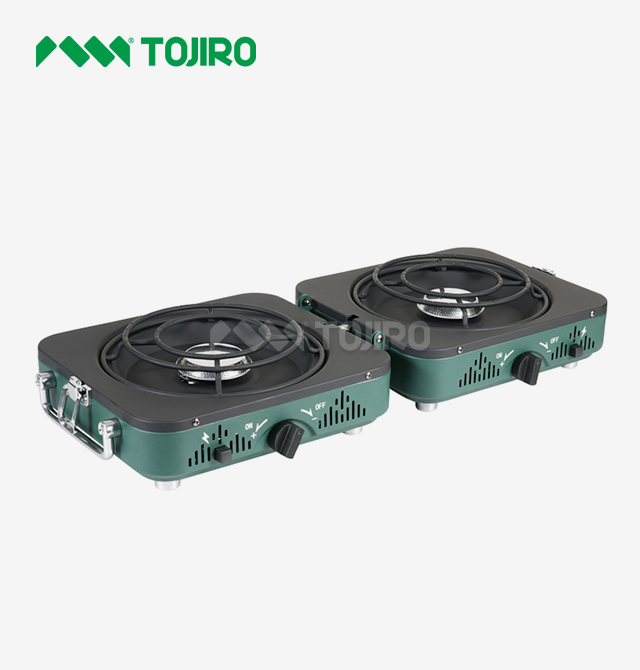
Modern outdoor cooking gear needs to be able to work in a variety of situations. Portable burners with one or two burners work well for different types of businesses. Single-burner units work well for food trucks and small catering businesses that don't have a lot of room for tools. Double burner systems like the TJR-BK39 let you prepare more than one dish at the same time, which speeds up service during busy times.
The form that folds up into a smaller size (245x210x59mm) makes it easier to store and move. Glamping sites that move their gear from one place to another like how small they are and how well they fit in normal vehicle trunk areas. Planners of corporate events who have to move cooking equipment from one place to another benefit from lightweight construction that makes moving it easier without losing cooking performance.
Safety Features and Operational Best Practices
Safety remains the top priority in professional cooking. High-quality propane wok stoves incorporate pressure controls to prevent gas overpressurization, solid bases to prevent burner tipping and flame failure devices to halt gas flow if the flames go out. TOJIRO kinds' pressure-regulating valve maintains gas flow, preventing harmful pressure variations while running.
Airflow is crucial when burning anything. These stoves have ample air movement outside, but shelters and partially enclosed places require more. Keep combustible goods away, inspect gas lines for leaks with soapy water and instruct personnel how to shut down in an emergency. These solutions reduce operating risks while following big buyer and government buying agency safety regulations.
How to Choose the Right Outdoor Propane Wok Stove for Your Business
Evaluating Burner Power and Cooking Capacity
When you match the specs of your tools to the needs of your operations, you avoid underperformance and lost investment. How fast and how hot you can cook depends directly on the burner's power, which is measured in kilowatts or British thermal units (BTUs). Large-scale operations that make a lot of stir-fried foods need burners with a minimum output of 2kW. Lower-intensity cooking jobs can be done with lower power ratings.
TOJIRO burners have a 2.3kW power that can handle professional cooking methods without being too big for most industrial uses. When setting power needs, procurement managers should think about how much food is cooked every day, how much service is needed at busy times, and how complicated the menu is. Rental businesses with a wide range of customers can benefit from mid-range power levels that can be used for a variety of cooking styles.
Construction Materials and Durability Standards
Material choice has a direct effect on how long equipment lasts and how much it costs to maintain. Cold-rolled steel has a great strength-to-weight ratio and is still cheap enough to buy in bulk. Premium powder covering protects the metal underneath from changes of temperature and wetness, which is necessary for outdoor use. This process on the surface can survive multiple cleaning rounds without affecting the finish, so it will look good for a longer time.
OEM and white-label partners should make sure that the building standards of the seller are in line with what the target market wants. The ISO9001:2015 certification shows that quality management is carried out in a planned way throughout the whole production process. The 10,000-square-meter production space at the TOJIRO plant ensures uniform output quality across big order amounts, which is very important for stores that need to restock their shelves regularly.
Certification Requirements and Supplier Selection
For business and government buyers, meeting area safety standards is a must. In order to pick the best propane wok stove for your business in North America, it usually needs to be listed with CSA or UL, while in Europe, it needs to have a CE mark. TOJIRO's ability to explore different licensing uses meets the needs of a wide range of markets and makes purchasing easier for businesses that do business around the world.
When evaluating suppliers, you should look at their producing skills, ability to make changes, and help after the sale. Buying from established makers with recorded quality systems lowers the chance of buying from sources that haven't been checked out. Planning your inventory is affected by minimum order numbers. For example, the 1,000-unit MOQ for TOJIRO goods works for medium- to large-scale purchases, but it may be too high for smaller businesses. Lead times of 45 days make it possible to plan for regular stock builds and the release of new products.
Installation, Maintenance, and Troubleshooting Guide
Propane Connection and Setup Procedures
Installing a propane wok stove correctly makes sure that it works safely and reliably for its whole life. When connecting propane tanks, it's important to make sure that the threads work with each other. For example, North American POL valves are not the same as European standards. The TOJIRO TJR-BK39 can work with both normal US propane tanks and high-altitude European gas cylinders, which makes it useful for a variety of foreign markets.
First, make sure the cylinder valve is closed. Then, join the regulator with the right sealing screws. Finally, hand-tighten the connections without tools to avoid damaging them by doing it too much. Once everything is connected, test for leaks by applying a soapy water solution to all the connection points and slowly opening the cylinder valves. Bubbles mean there are leaks that need to be fixed right away before the machine can be used. Place barrels standing on stable surfaces away from places where they could catch fire and areas with a lot of foot traffic.
Routine Maintenance Protocols
Preventive repair keeps technology running at its best and extends its life. Both the flame heads and the outside surfaces should be cleaned regularly. On TOJIRO types, the oil and water catch pan needs to be emptied and washed often to keep grease from building up. Take off the burner heads every so often to use wire brushes to clean out the flame ports and make sure the flame is spread evenly for the next use.
Powder-coated surfaces on the outside can keep their look by wiping them down with damp cloths and light soaps. Do not use rough cleaners that hurt protecting coverings. Check gas lines every three months for cracks, brittleness, or damage, and replace any damaged parts right away. Maintenance plans that are followed regularly keep operations from stopping, which would otherwise disrupt service delivery and upset customers.
Common Issues and Resolution Strategies
Uneven flames are often a sign of blocked burner ports or low gas pressure. If there are uneven flames, it means that something is blocking some ports. Take the burner parts apart and clean them to get them working properly again. Weak flames even though all the valves are open could mean that the propane supply is low or that the control isn't working right. Check the weight of the cylinder to make sure there is enough fuel left, and try with known-good controls to find the broken parts.
Most ignition system failures are caused by spark gaps that aren't lined up right or batteries that are dead in electric igniters. Replace the batteries according to the instructions from the maker, and move the electrodes around to keep the spark gap lengths correct. When fixing goes beyond what a normal person can do, you should call trained service workers. TOJIRO's one-year guarantee covers problems with the way the product was made. This gives buying managers peace of mind when they are worried about the total cost of ownership.
Procurement and Purchasing Insights for B2B Clients
Identifying Verified Wholesale Suppliers
Qualifying propane wok stove suppliers is the first step to successful buying. Verified makers show they can make things by showing proof of their facilities, quality licenses, and customer references. TOJIRO has been making things since 2013, which gives buying units that don't like taking risks practical track record confidence.
Check with providers to see if they can make changes that are useful for your business. OEM partners need to be able to make a lot of changes, like changing the logos, the style of the package, and the specifications. TOJIRO's drop-test-certified packaging can withstand one-meter drops from eight directions, showing that it can be customized to meet client needs. This makes sure that the identity of the product is maintained throughout the delivery chain. White-label partners gain when makers offer open MOQ terms and technical help while the product is being developed.
Warranty Terms and After-Sales Support
Full guarantee protection keeps purchase investments safe from problems with the way the goods were made. Standard one-year guarantees cover parts and labor for failures caused by defects. However, damage from regular wear and tear or overuse is usually not covered. During talks, make sure that the guarantee terms are clear. This includes how to file a claim, where the approved service centers are located, and whether parts will be available during the coverage time.
After-sales support includes more than just guarantee coverage. It also includes professional help, getting new parts, and teaching you how to use the product. Buying groups don't have to provide as much help when suppliers offer thorough operation instructions, installation guides, and assistance tools. Contact forms, such as [email protected], let you talk to someone directly, which makes it easier to answer technology questions and handle insurance claims.
Bulk Purchasing and Logistics Considerations
When you buy in bulk, you can get price breaks that are important for setting competitive prices. Retailers and e-commerce sites can get deals on large orders that meet or go over the manufacturer's MOQ. The minimum order size for TOJIRO goods is 1,000 units, which makes the prices more competitive for big retail chains and regional wholesalers but could be hard for smaller specialty shops.
When planning logistics, it's important to think about wait times, shipping costs, and how to handle taxes for orders coming from other countries. Because the production cycle takes 45 days, regular stocking builds and marketing efforts need to be planned ahead of time. Talk to your providers about how to make the best use of containers to keep shipping costs as low as possible per unit, and make sure you understand the Incoterms that spell out when duty shifts during transportation. When supplies are managed well and buying in bulk is planned, the total cost of acquisition is lower than if you only looked at unit prices.
Conclusion
Commercial food service companies, institutions, and rental businesses that need stable high-heat cooking tools can benefit greatly from outdoor propane wok stoves. Understanding how operations work, checking providers' quality standards and ability to customize, and following the right repair procedures will help you get the most out of your equipment throughout its entire lifecycle. When it comes to procurement managers who have to balance performance needs with budget limits, TOJIRO's ISO-standard manufacturing, flexible OEM capabilities, and short lead times make the brand a good choice. When choosing tools, it's important to make sure that the burner specs match the amount of cooking, the working conditions, and the rules that apply to the target market.
FAQ
1. Can outdoor propane wok burners be used indoors safely?
For indoor use, there needs to be enough air flow to keep carbon monoxide from building up from burning materials. Most outdoor types aren't certified for use in homes, but business kitchens with the right air systems may be able to use them because of local laws. Before doing anything inside, you should always make sure that you are following all safety rules and building codes.
2. How much propane does a typical wok stove consume during operation?
The rates of consumption depend on the burner's power and the heat setting. When it is working at full capacity, an 8,000 BTU burner uses about 0.09 gallons of fuel every hour. A normal 20-pound gas cylinder can run at full power for about 22 hours straight, but most cooking only uses it occasionally, which greatly extends the cylinder's life.
3. What differentiates commercial propane stoves from residential models?
Commercial units are built to last longer, put out more BTUs, and have been approved for use in food service settings. Better longevity allows for heavy daily use, and bigger pan sizes allow professional cooking methods. Warranty terms and the availability of parts are also examples of how business goods are supported differently than consumer items.
Partner with TOJIRO for Premium Propane Wok Stove Solutions
TOJIRO offers great value by making high-quality products using traditional Japanese handmade methods along with modern industry tools and techniques. Our ISO9001:2015-certified factory makes equipment that meets international quality standards. We also offer ODM and OEM customization to meet the needs of a wide range of markets. The TJR-BK39 model shows how dedicated we are to speed, longevity, and user-centered design. It comes with a full one-year warranty and quick technical help. Tojiro offers custom solutions with 45-day lead times that support flexible business planning, whether you work for retail chains that need regular inventory, rental businesses that need reliability that has been proven in the field, or institutional buyers who have to follow strict buying standards. Get in touch with our team at [email protected] to talk about the benefits of buying in bulk, the different ways you can customize your order, and how working with an established propane wok stove supplier can help your business compete. You can see our whole line of products at qstojiro.com and learn why smart buyers trust TOJIRO for high-quality outdoor cooking gear.
References
1. Smith, J.R. & Martinez, L.K. (2021). Commercial Outdoor Cooking Equipment: Design Principles and Safety Standards. Culinary Technology Press.
2. Anderson, P.T. (2020). "Propane Combustion Efficiency in Portable Cooking Appliances," Journal of Foodservice Engineering, 45(3), 178-192.
3. National Fire Protection Association. (2022). NFPA 58: Liquefied Petroleum Gas Code. NFPA Publications.
4. Chen, W. & Roberts, D.M. (2019). Industrial Kitchen Equipment Procurement: A Guide for Hospitality Managers. Restaurant Operations Publishing.
5. International Organization for Standardization. (2021). ISO 9001:2015 Quality Management Systems - Requirements. ISO Standards Catalogue.
6. Thompson, R.E. (2023). "Comparative Analysis of Outdoor Cooking Fuel Systems," Hospitality Equipment Review, 18(2), 67-84.

USER EVALUATE
Here is the customer's evaluation of us
_1763609661748.webp)
_1763606719875.webp)
_1763606628283.webp)