



The Useful Double-Burner Butane Stove
It's important to have the right tools when you're in charge of large-scale cooking activities or setting up outdoor catering services. You can get the cooking power and mobility your business needs from a dual burner butane stove without having to deal with gas tanks or electrical hookups. This small, effective answer is now needed by rental services, campgrounds, crisis aid groups, and catering businesses all over the United States. With two separate burners that give off constant heat, your team can make more than one dish at once, which cuts down on wait times and improves service. Having the right dual-burner butane stove can make your business more efficient while keeping fuel costs low and safety standards high.
Understanding the Double-Burner Butane Stove
Core Design Features That Matter for Professional Use
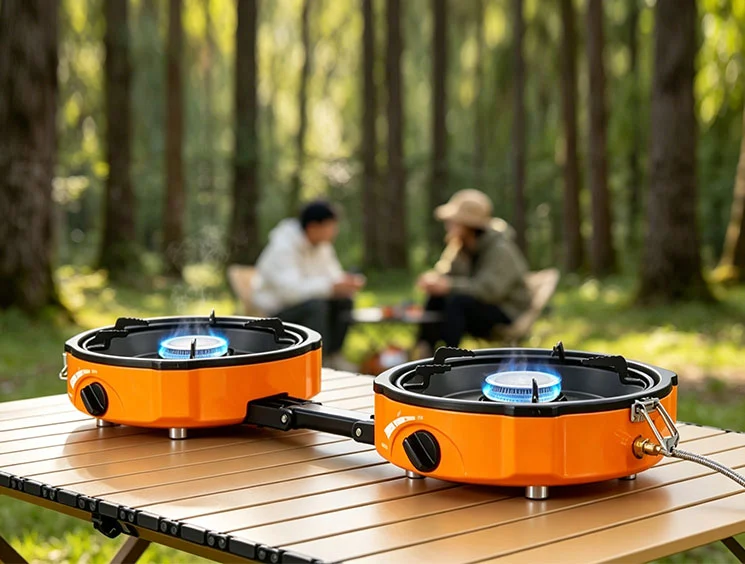
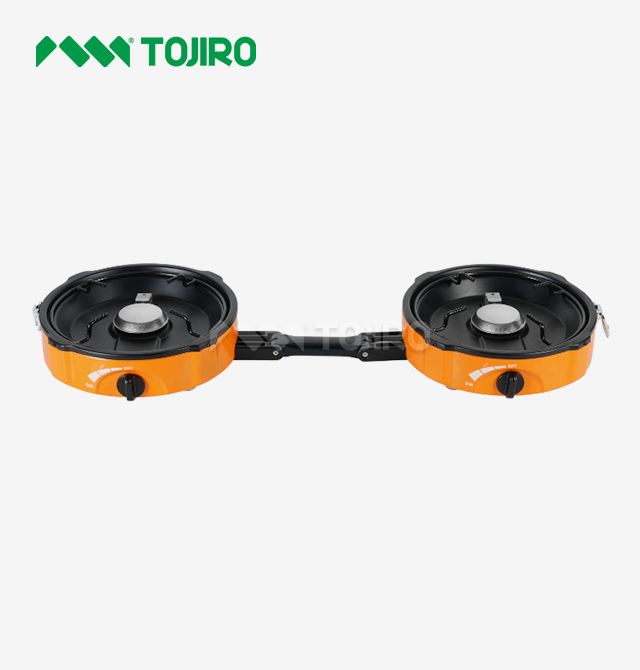
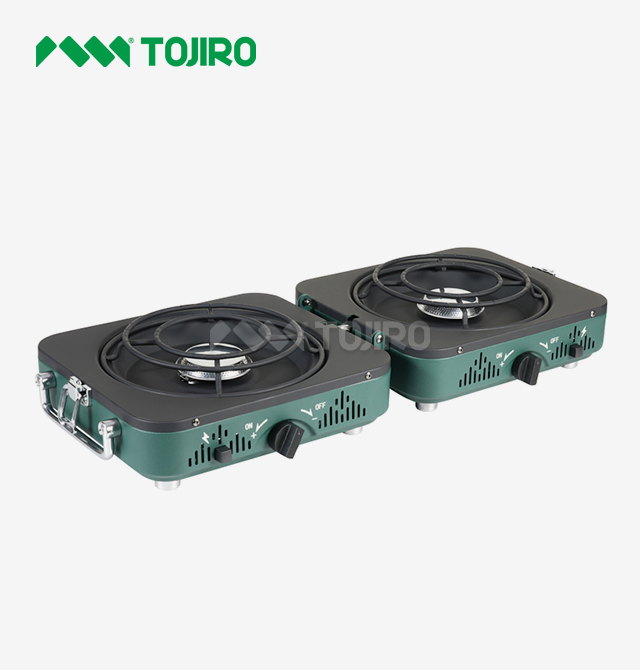
What makes the dual-burner butane stove stand out is that it is small but strong. Instead of big gas tanks, these units use pressurized butane tanks that connect right under the cooking surface. This way of thinking is shown by the TOJIRO TJR-BK39 model, which is made of cold-rolled steel and has a powder finish that can handle being moved around a lot and being outside. Each burner has 2.3kW of power, which is equal to 8,000 BTU, which is enough heat for professional cooking jobs. The unit opens up to 268 x 210 x 117 mm when in use and folds down to 245 x 210 x 59 mm when not in use. This makes it useful for mobile food businesses or rental inventory where room is limited.
Professional Contexts Where Dual-Burner Systems Excel
Catering companies use movable cooking systems when they need to serve events in parks, on corporate campuses, or at wedding places that don't have full kitchens. Outdoor adventure companies and glamping sites need to make sure their guests can safely use their gear with little help. Corporate event planners like how clean it looks and how quickly it can be set up for team-building activities or outdoor meetings. Disaster aid organizations need strong, field-ready gear that can work efficiently even without electricity. The dual-burner butane stove works in all of these situations because it is portable, heat is available right away, and it is easy to use.
Advantages Over Single-Burner Alternatives
In business settings, single-burner units slow down workflow. Your staff has to finish one cooking job before they can start on another, which makes wait times longer when demand is high. With a dual-burner butane stove, cooking and cleaning can be done at the same time. One stove is used to boil water, and the other is used to cook meat or warm sauces. This joint processing feature pretty much doubles the amount of food you can cook without needing any extra fuel or tools. The TOJIRO type has a pressure-regulating valve that keeps the gas flow steady to both burners. This keeps the heat steady even when the pressure in the can changes during long cooking sessions.
How to Use and Maintain Your Double-Burner Butane Stove
Proper Setup and Ignition Procedures
Pay close attention to certain steps when setting up your dual-burner butane stove to make sure it works safely. Check that both of the gas control knobs on your butane tank are in the "Off" position by removing the protective cap. To line up the canister, open the door to the section and line up the notch for the canister with the tab inside. Securely close the door, and then press the connection button down until you hear a click to connect the canister. Make sure the cooking grate locks into place above both burners before unfolding it from its folded storage position. The TOJIRO TJR-BK39 has voltage ignition technology. To use it, turn the control knob counterclockwise and press the igniter button at the same time. After hearing a popping sound, the light should start to burn. If the start doesn't work after three tries, wait thirty seconds and try again. This will give any gas that has built up time to escape.
Maintenance Protocols That Extend Equipment Lifespan
Professional upkeep is what makes the difference between systems that work well for years and ones that only last one season. Let the dual burner butane stove cool down fully after each use before cleaning it. Take off the cooking grate and use a soft-bristled brush to clean the stove ports. This will get rid of any food or grease that might be blocking the gas passage. The high-temperature oil and water spray tray under the burners catches drips and spills. To clean it, just slide it out and use any degreasing solution. Check the pressure-controlling valve every three months for signs of rust or wear. This is especially important if you work near the coast, where salt air speeds up the breakdown process. Every year, even if they look fine, gaskets and O-rings need to be replaced because they lose their flexibility over time. Keep jars below 50 degrees Celsius, in a dry place, out of direct sunlight, so that pressure doesn't build up and damage the valve seals.
Safety Protocols for Professional Environments
Safety rules must be followed very carefully when using butane tools in a business setting. Your dual-burner butane stove should be set up on a stable, level surface at least one meter away from anything that could catch fire. Never use a pot that is bigger than what is suggested. The TJR-BK39 can handle dishes with bases that are 10 cm to 20 cm in diameter. Pots that are too big can fall over and damage the stove assembly because they are too heavy. Everyone should know how to turn off the unit in an emergency: turn both control knobs to "Off," disconnect the canister lever, and take the unit out of the cooking area if the flames don't go out. Keep fire extinguishers that work within three meters of all cooking areas. When using butane stoves in tight areas, make sure there is enough airflow because combustion uses up oxygen and releases carbon dioxide. These steps will keep your employees safe and make sure you're following OSHA safety rules at work.
Comparative Analysis: Double-Burner Butane Stove vs Other Cooking Solutions
Fuel Cost and Availability Considerations
When purchasing managers look at cooking tools, they always ask about the costs of running it. When compared to renting a gas tank or using power, butane fuel is a much better deal. A normal butane cylinder costs about $2.50 and can cook food for three hours at medium heat, which works out to less than one dollar an hour. Propane systems run for longer, but they need to have their tanks exchanged or refilled, which costs about $15 to $25 per tank. The cost of electricity depends on the power company in your area, but it's usually more than the cost of butane per BTU supplied. Butane canisters can be shipped easily through regular carriers without having to pay extra for dangerous materials. This makes it easier for rental businesses or store partners to keep track of their inventory. The TOJIRO dual-burner butane stove uses about 152 grams of fuel per hour for each burner. This makes it possible to accurately predict how much fuel will be needed for events or to plan the length of a hire.
Portability and Setup Time Advantages
When it comes to business, time is money. Electric stoves need to be close to plugs and usually need 15-20 amp lines, which limits where they can be put. Propane systems have heavy tanks and links for control valves that make them harder to set up. In less than two minutes, a dual-burner butane stove can be set up. Because the units are so light (they usually weigh less than 3 kg without fuel), one person can move and set up the equipment without any help. This ability to quickly deploy is very useful for food businesses that serve many places every day or rental companies that need to prepare equipment between pickups from customers. The TOJIRO model's folded size lets four units fit into a box, which makes it easier to store in a storeroom and cheaper to ship.
Performance in Off-Grid and Remote Locations
A lot of the time, national park restaurants, outdoor education programs, and mobile food services don't need electricity to work. Because it doesn't need to be connected to a power source, the dual-burner butane stove is perfect for these uses. Butane can still be vaporized well at temperatures as low as 0.5 degrees Celsius, which is enough for most work settings in the mainland United States. The TOJIRO TJR-BK39 can use both European high-altitude canisters and US-standard propane canisters. This gives you options for getting fuel when your choices change by region. This flexibility makes buying easier for businesses that work in more than one state or territory.
Procurement and Buying Guide for Double-Burner Butane Stoves
Critical Specifications for Engineering Evaluation
When considering dual burner butane stove choices, procurement teams should look at a number of technical factors. Power output, measured in kilowatts or British thermal units (BTU), decides how fast and how much food can be cooked. The 2.3kW per burner specification is enough heat for most commercial cooking jobs, except for wok stations and large-scale boiling. The materials used affect how long something lasts and how much it costs to maintain over its lifetime. Cold-rolled steel with a powder finish is better at resisting rust than painted mild steel. This is especially important for outdoor or storage equipment that will be exposed to water. Piezoelectric (human-press button) and voltage-based ignition methods are both available. Voltage-based ignition makes setups faster and easier on the hands. The amount of gas used directly affects the cost of running the business. Gas-efficient models use 140 to 160 grams per hour for normal cooking loads.
Safety Certifications and Compliance Requirements
Buyers from the government and institutions need equipment that meets certain safety standards. The TOJIRO TJR-BK39 meets the conditions of GB/T38522-2020, and the company that makes it can seek further approvals if needed for purchasing purposes. ISO approval shows that manufacturing quality control goes beyond checking each individual product. When used for emergency aid or government contracts, UL listing or a similar third-party verification may be needed. The design of the package can survive drop tests from one meter at eight different angles. This makes sure that units arrive working even after being roughed up during shipping. These approvals lower the risk of liability while still following the rules that are part of many public sector buying policies.
Supplier Selection and Partnership Opportunities
Picking the right dual-burner butane stove provider has effects on more than just unit costs. TOJIRO's making skills are a mix of traditional Japanese accuracy and modern industrial efficiency. The company uses ISO-standard quality control throughout production to make sure that all big orders get the same level of service. Because OEM and ODM are both options, private marking for retail partners is possible, as well as customization for specific uses, such as branded equipment for corporate hospitality programs or fuel compatibility for foreign markets. The 45-day production cycle lets you plan your goods quickly and accurately without adding too much wait time. The minimum order quantity of 1,000 units works for medium-sized stores and area wholesalers, but it can still be used for unique situations.
When you work with TOJIRO, you get technical help during the specification process and dependable service after the sale, backed by a one-year guarantee. The total cost of ownership is lower with this help system because it cuts down on downtime caused by bugs or operational questions. The company has worked with hire businesses, catering services, and big buyers before, so they can give you useful advice during the buying process. This will help you avoid common specification mistakes that cost a lot once they're put into use.
Usage Scenarios and Accessories to Enhance Your Double-Burner Butane Stove
Catering and Mobile Food Service Applications
Food service workers love tools that can be moved easily from one place to another while still being able to cook professionally. The dual burner butane stove lets cooking happen away from the venue without having to rely on a generator or coordinate with venue staff about electricity. It becomes easier to set up coffee service for business events in the morning, lunch preparation at outdoor festivals, and dinner service at wedding places that are far away. Because there are two burners, one staff member can prepare the whole meal—proteins on one burner and sides or sauces on the other. This efficiency cuts down on worker costs while keeping service quality standards high.
Rental Operations and Guest-Facing Services
Outdoor leisure companies and glamping sites need tools that guests can use without a lot of training, and that are also durable enough to be used over and over again. The dual-burner butane stove meets both needs with its easy-to-use settings and tough build. TOJIRO stresses that the one-piece lighting design makes sure that the fire starts easily, even for people who have never used camping gear before. The four-per-carton packing density is good for rental businesses because it makes storage in equipment sheds or rental shops more efficient. The units are cleaned quickly between renters, which keeps the inventory change rates that are necessary for making money high.
Accessories That Optimize Performance
A number of related items make dual-burner butane stoves work better in business settings. Windscreens fold around the cooking area to keep the flame working well even when it's windy outside, which would waste fuel otherwise. Carrying bags with foam inserts keep units safe while they're being moved and look professional when bringing tools to business clients. Cookware that is exactly the right size for the 10–20 cm base width suggestion transfers heat more efficiently. Spare canister storage boxes keep fuel canisters organized and safe from damage that could make them useless. With these add-ons, a good piece of equipment becomes a full cooking system that helps the business run smoothly.
Conclusion
The dual burner butane stove meets important needs in a wide range of business-to-business situations, such as institutional buying, OEM partnerships, and dining and rental businesses. Units like the TOJIRO TJR-BK39 show how careful engineering can make tools that are both portable and effective, and that are both easy to use and long-lasting. The two-burner design gets rid of food bottlenecks while keeping the small size that makes it useful for mobile use. The cost of butane fuel is lower and the supply line is easier than with gas or electricity. Maintaining your equipment properly will make it last longer, protecting your investment and making sure it works when your business needs it to.
FAQ
1. How Long Does a Butane Canister Last During Typical Cooking?
A normal butane cylinder holds about 220 to 250 grams of fuel. The TOJIRO TJR-BK39 uses 152 grams of fuel per hour per burner at full power. This means that a single canister lasts for about three hours of cooking on one burner or 90 minutes of cooking on both burners at medium heat settings. The actual length of time depends on how you change the spark and how intensely you cook. Simmering makes the burner last longer, while high-heat boiling uses up fuel more quickly.
2. What Maintenance Frequency Keeps Units Operating Reliably?
Every five uses or whenever you see gunk building up, clean the burner ports and the drip tray. During busy times, check the seals and connection places once a month. Every year, replace the O-rings and other parts of the pressure valve. This schedule keeps safety standards that are necessary for business use while preventing most operating failures.
3. Can These Stoves Accept Refillable Canisters?
The TOJIRO TJR-BK39 can be used with standard throwaway tanks that meet the high-altitude requirements of Europe or the US. Refillable systems need valve connections that work with each other. Talk to the maker before using non-standard fuel sources to make sure you don't void the warranty or put people in danger by using the wrong pressure rates.
Partner with TOJIRO for Your Dual Burner Butane Stove Supplier Needs
TOJIRO makes high-quality products by combining decades of experience working with metal with helpful customer service geared toward business users. For businesses that deal with other businesses, our TJR-BK39 dual burner butane stove strikes the perfect mix between performance and usability. No matter if you need bulk inventory for retail sales, OEM customization for private labeling, or reliable tools for use in a school, our team can help you find the right options.
To talk about volume prices, customization choices, and shipping schedules that work with your business's needs, email our procurement experts at [email protected]. We help partners create specifications so that the equipment you order fixes the problems you're actually having with your operations. Let us show you how the right cooking tools can change the way you serve your customers and keep costs down.
References
1. Anderson, M. (2022). Portable Cooking Systems for Commercial Applications. Professional Food Service Press.
2. Chen, L. & Roberts, K. (2021). "Fuel Efficiency Comparisons in Mobile Catering Equipment." Journal of Hospitality Technology, 18(3), 45-62.
3. National Fire Protection Association. (2023). NFPA 58: Liquefied Petroleum Gas Code. NFPA Publications.
4. Thompson, R. (2022). Outdoor Recreation Equipment: A Procurement Guide for Institutional Buyers. Wilderness Business Publishing.
5. United States Department of Agriculture Forest Service. (2021). Commercial Use Authorization Equipment Standards. USDA Technical Report FS-892.
6. Williams, S. & Martinez, J. (2023). "Operational Cost Analysis of Portable Cooking Fuels in Remote Service Environments." International Journal of Hospitality Management, 94, 103-118.

USER EVALUATE
Here is the customer's evaluation of us
_1763609661748.webp)
_1763607881538.webp)
_1763607708566.webp)
_1763606665399.webp)