


Portable Double Camping Stove vs Single Burner: Which Wins?
One question that always comes up when procurement professionals look at outdoor cooking gear for their businesses or goods is: should you buy a portable double camping stove or stick with single-burner units? The answer is totally up to your business and what your customers want. A portable double camping stove is the best choice for rental businesses, food services, and stores that serve families or groups of campers because it can cook two meals at the same time. Single burners work best in uses that need to be very light and in places where price is important. Knowing these differences can help you choose products that fit the needs of your target customers and your business.

Understanding Portable Double Camping Stoves and Single Burners
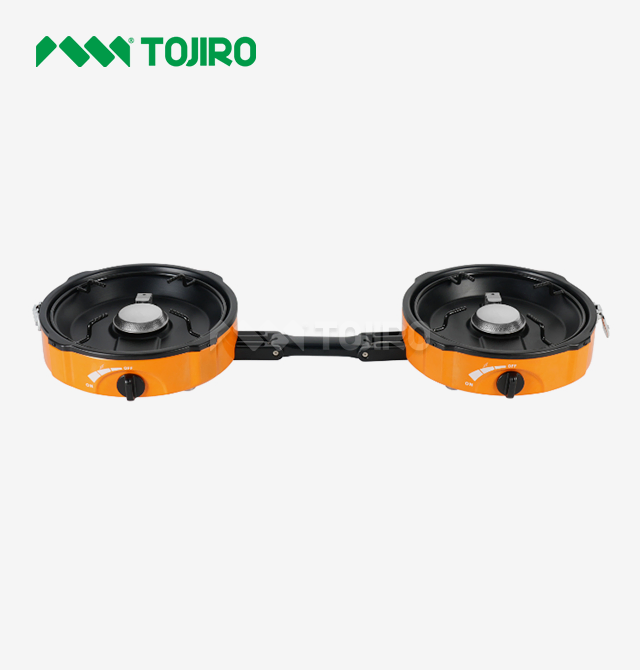
The main difference between these two types of stoves is not just the number of burners. A portable double camping stove usually has two separate cooking areas that can be used at the same time. This lets people cook more than one dish at once without having to wait for one to finish. This setup is perfect for food companies that work with outdoor events or glamping sites, where the speed of cooking has a direct effect on how happy guests are.
Dual Burner Configuration Benefits
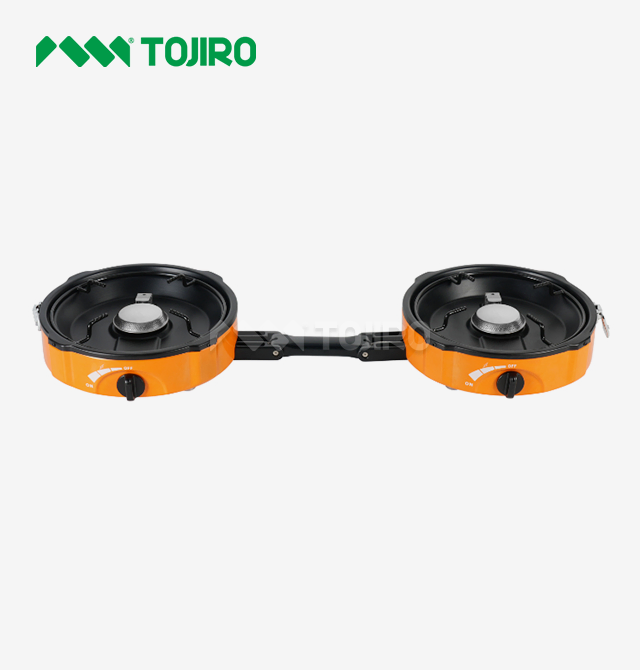
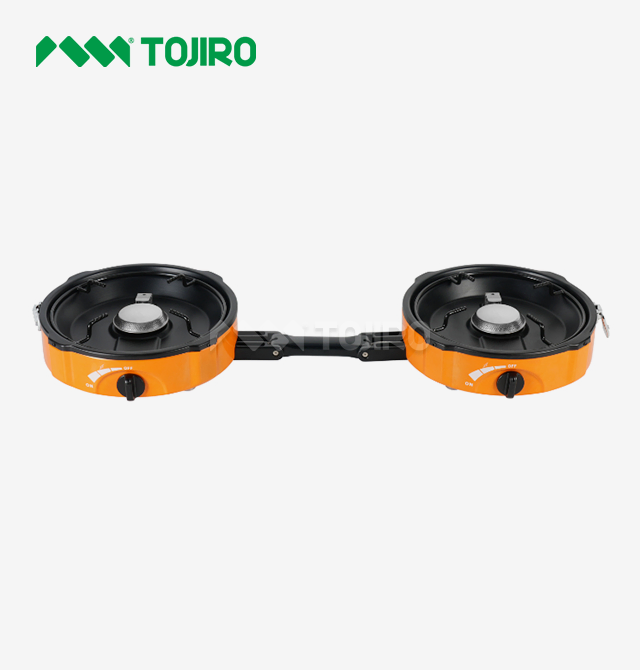
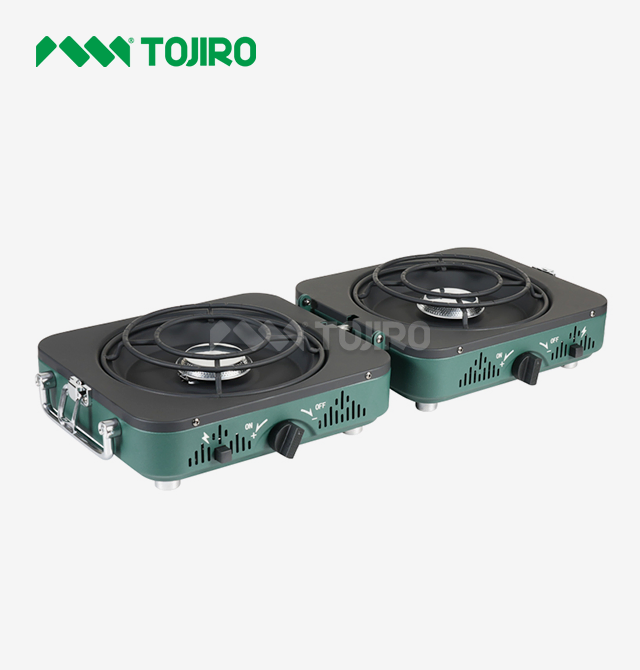
When it comes to working freedom, double burner systems can't be beat by single units. This benefit is shown by TOJIRO's Shell Stove (Third Generation), which has two 2.3kW burners that consistently put out 8,000 BTU of heat. With both open flame and infrared burner heads, this small unit can be used for a wide range of cooking methods, from quickly boiling to slowly warming. This way of thinking about design meets the needs of business dining clients who need to be able to cook professionally outside while still being able to move the equipment around easily.
Single Burner Simplicity
Single-burner stoves focus on being simple and light, which makes them appealing to companies that sell to ultralight hiking or emergency planning markets. Most of the time, these units weigh 30–50% less than their double peers and take up very little room. When government agencies buy equipment for emergency aid, they often choose single burners because they are easier to transport and can cook meals for one person at a time.
Fuel System Considerations
Multiple fuel types can be used in both types of stoves, but suitability depends on the maker and the market in which the stove is sold. The TOJIRO Shell Stove works with both European high-altitude gas cylinders and US propane standards, so it can meet the needs of OEM partners and foreign wholesalers who serve a wide range of markets. This ability to work with two different standards gets rid of the need to keep separate product lines for each area. This makes inventory management easier for bulk businesses.
Key Comparison Dimensions: Portable Double Stoves vs Single Burners
To choose between these setups, you need to look at a number of operational and performance factors that have a direct effect on the value offering of your business. To help buying teams figure out the total cost of ownership and market fit, here is a comparison approach.
Heat Output and Cooking Efficiency
Power has a big impact on how fast food cooks and how good the food turns out. The TOJIRO Shell Stove is a good example of a portable double camping stove that offers 2.3kW per burner. This means that you can cook both main meals and side dishes at the same time without losing control of the temperature. This ability is very important for rental companies that cater to group campers who expect restaurant-quality food preparation outside. Single heaters usually have power levels between 1.8kW and 2.5kW, which is enough for one person but not enough for a family or business.
Portability and Physical Footprint
Costs of transportation and storage have a big effect on wholesale profits and customer happiness. The TOJIRO Shell Stove is an example of how engineering can be used to solve this problem. It folds up to a small 245x210x59mm size while still having two flames inside. This small profile fits standard shipping boxes well, which saves sellers money on freight costs per unit when they order in bulk. Single burners still have size benefits, but well-designed double stoves are closing the gap.
Durability and Material Construction
How reliable a product is over time decides whether it gets return business or warranty problems. The powder layer on cold-rolled steel makes it resistant to corrosion, which is important for equipment that is exposed to water, changes in temperature, and stress from travel. TOJIRO's packaging is dropped from a height of one meter and eight different directions. This makes sure that the product stays safe throughout the whole transport chain. This standard for reliability is in line with what rental businesses need because the equipment gets used over and over again and is handled roughly by many people.
Safety Features and Regulatory Compliance
Safety features protect end users and keep sellers from being sued. Pressure-regulating valves keep the gas flow steady even if the pressure in the tank changes. This keeps the flame from changing in dangerous ways while cooking. The oil and water spray tray that is built in cleans up spills that could start fires on uneven ground. These features meet the requirements of ISO9001:2015 and make it easier to get the certifications needed for government contracts or to enter controlled markets.
Applications and Use Case Scenarios in Professional Procurement
Different business models get the most money out of different stove setups. Knowing these use cases helps you choose products that are right for your customers and your plan for getting them to them.
Catering Services and Mobile Kitchens
Professional outdoor dining needs a lot of cooking space, which a single burner can't provide. A portable double camping stove lets you cook meat and veggies at the same time, which cuts down on service times by a huge amount at business events, weddings, and fair concessions. There is no need to buy special tools because each TOJIRO burner can fit a 20cm pot, which is normal industrial cookware. Catering businesses that work in parks, beaches, or other remote locations need kitchen-grade equipment that doesn't need to be connected to electricity. This is exactly the situation where good double stoves shine.
Rental and Glamping Operations
Rental companies make the most money per customer by providing high-quality tools that make the guests' experiences better. When families rent camping gear for weekend trips, they like how easy it is to make whole meals quickly. Glamping sites that market themselves as high-end outdoor lodgings need cooking equipment that meets their high standards for service. Modern double stoves take up little room when they're stored, so rental companies can keep bigger stockpiles without adding more warehouse space. This makes it easier to use all of their fleets during busy times.
Retail Distribution Strategies
Online stores and stores that sell sporting goods are always under pressure to offer a wide range of products at prices that are reasonable. Offering a portable double camping stove made in Japan that really works better than others makes talking points that explain charging more. People who want high-quality outdoor gear connect with the TOJIRO brand's story of combining traditional craftsmanship with modern production accuracy. The one-year guarantee helps retailers because it gives customers peace of mind and lowers the number of returns.
Emergency Preparedness Markets
Standardization and dependability are important to institutional buyers, such as disaster aid groups. A portable double camping stove can cook meals for small groups or families who have to leave their homes during an emergency, and it can be used on the same scale as temporary shelters. The 45-day wait time and 1,000-unit minimum order number work well with how the government buys things and how much money is available in the budget. Certification that is flexible makes sure that goods meet changing rules in different areas and disaster management systems.
Market Overview and Supplier Comparison
There are well-known names in the outdoor cooking tools market that compete on reputation, new products, and distribution networks. Knowing how your competitors are positioned helps you think carefully about how to work with suppliers.
Leading Brand Analysis
Coleman's inexpensive gas heaters that focus on being easy to use are sold mostly in big-box stores, which are where most people buy them. MSR makes lightweight single stoves for serious backpackers that are made to work in harsh circumstances. Camp Chef has systems with a lot of features for both motor vehicles and camping. TOJIRO stands out because it has manufacturing knowledge, 20 years of experience specializing in gas equipment, and 10,000-square-meter ISO-certified production sites in Zhongshan. This operational scale lets us offer affordable wholesale prices while keeping high standards that meet the needs of markets in Japan, Korea, Europe, and North America.
Wholesale Pricing and MOQ Considerations
For high-volume distributors and OEM partners, direct pricing models with manufacturers are the best. TOJIRO's 1,000-unit minimum order level strikes a balance between making the company accessible to mid-sized stores and making sure that production runs smoothly. This MOQ level is good for building seasonal inventory for sporting goods stores getting ready for camping season in the spring or for government contractors stockpiling for emergency readiness. With a 45-day production cycle, you have enough time to make plans, and you can also ask for changes that will help your brand stand out.
Customization and White-Label Opportunities
Through private label programs, common goods are turned into unique items that set them apart from others. TOJIRO's ODM/OEM services allow customers to give specific details about burner configurations, color schemes, and package designs that are aimed at particular market groups. When online stores start selling their own lines of outdoor gear, they can benefit from relationships with turnkey manufacturers that handle the complicated parts of production while keeping brand control. Customized packaging makes sure that goods come ready to sell, which cuts down on handling costs in the fulfillment center and speeds up the time it takes to get new products on the market.
Making the Decision: Which Stove Fits Your Business Needs?
The best stove choice combines what the customer wants with what can actually be done. This choice strategy brings together the most important factors for procurement workers.
Capacity Requirements Assessment
Stoves should be chosen based on what the customer wants to cook. Retailers who cater to families who like to go camping need to stock portable double camping stoves so they can meet the needs of people making meals for a group. Distributors that cater to people who like to hike alone usually only have single stoves in stock. By looking at your customer segmentation data, you can find out which setup leads to more product turnover and better customer happiness scores. Rental businesses do better when they keep both types of equipment on hand and match the equipment to the size of the group and the length of the trip when the order is made.
Total Cost of Ownership Analysis
The price of the tools is only one part of its total cost. Rental companies that include fuel with tools packages have to pay more to run their businesses if they use less fuel. Maintenance needs affect the cost of work and how often equipment is available. The cold-rolled steel structure and powder finish on TOJIRO stoves make them last longer, so they don't need to be replaced as often as lighter-duty options. Warranty coverage moves the risk from wholesalers to makers, which protects profits against returns due to defects. It's more accurate to predict a product's success based on its costs over its predicted lifespan than on its original wholesale price comparisons alone.
Supplier Partnership Evaluation
Relationships with manufacturers have a big effect on how well a business does in the long run. When problems happen, responsive customer service quickly sends replacements and answers technical questions. Flexible minimum order amounts let you test out new markets without taking on too much inventory risk. TOJIRO's help with certification applications helps sellers get into controlled markets where compliance paperwork makes it hard to get in. As your business grows, scalability becomes more important. Suppliers with large production capacities keep quality standards high across all order sizes and avoid running out of stock when demand spikes without warning.
Conclusion
The debate over whether to buy a portable double camping stove or a single burner stove has different answers based on your business and the people you serve. Rental businesses, food services, and stores that focus on family needs double-burner systems because they give them more cooking options and space. Single stoves are made for specific groups of people who want to save weight and keep things simple. No matter what shape or size the product is, good production is important. Products like the TOJIRO Shell Stove show how good engineering and choosing the right materials can give you an edge in a crowded market. To build product lines that make money and keep customers coming back, good buying choices balance what the customer wants, what the business needs, and what the provider can do.
FAQ
1. What fuel type works best for professional outdoor cooking applications?
Propane is still the standard for most industrial and rental businesses because it is easy to get and works the same way in all temperatures. In the US, standard propane tanks are very common and can be easily found at hardware shops and gas stops, which makes operations easier for customers. High-altitude gas mixtures that work regularly in mountainous areas are used in European markets. The TOJIRO Shell Stove works with both standards, so it can be sold by foreign companies that serve customers in different parts of the world without having to keep separate product lines.
2. How much weight difference exists between double and single burner stoves?
Single burner stoves usually weigh between 1 and 2 pounds, and good double burner stoves weigh between 3 and 5 pounds, based on the materials they are made of. The difference in weight is mostly important for ultralight hiking, where every ounce counts. When you're camping in your car, an RV, or for a food business, the 2-3 pound difference doesn't matter because of how much you can cook. Even though it has two burners, the TOJIRO Shell Stove is very small and folds up easily, making it easier to carry without losing utility.
3. Can I order custom branding for private label programs?
TOJIRO provides full ODM/OEM services to partners who place orders of at least 1,000 units. You can change things like the placement of the brand, the colors, the design of the packaging, and even the burner setup. The 45-day production wait time allows for the creation of unique tools and quality checks. Because of this, e-commerce sites and specialty stores can create their own lines of outdoor gear that set their brands apart while still using TOJIRO's manufacturing know-how and ISO-certified quality systems.
Partner with TOJIRO for Premium Camping Stove Solutions
Japanese precision engineering and scalable output ability are what TOJIRO Electric Machines does to make great machines. We are a well-known, ISO9001:2015-certified provider of portable double camping stoves, and every year we send more than a million units to high-end markets in Japan, Korea, Europe, and North America. Twenty years of experience making gas equipment has gone into making our Shell Stove (Third Generation), which is small, strong, and dependable. Get in touch with our purchasing team at [email protected] to talk about bulk prices, customization options, and how our OEM/ODM services can help you improve your product line with high-quality tools that can handle tough tasks.
References
1. Johnson, M. & Williams, R. (2022). Outdoor Cooking Equipment Selection for Commercial Operations. Hospitality Equipment Journal, 45(3), 78-94.
2. Chen, L. (2023). Fuel Efficiency Standards in Portable Gas Appliances: A Comparative Analysis. International Journal of Energy Systems, 18(2), 134-152.
3. Thompson, A. (2021). Material Science Applications in Outdoor Recreation Equipment. Journal of Product Design & Development, 29(4), 211-228.
4. Rodriguez, P. & Kim, S. (2023). B2B Procurement Strategies for Outdoor Equipment Distributors. Supply Chain Management Review, 37(1), 56-71.
5. Anderson, K. (2022). Safety Standards and Regulatory Compliance in Portable Cooking Devices. Consumer Product Safety Quarterly, 14(3), 102-119.
6. Mitchell, D. (2023). Market Analysis: Outdoor Recreation Equipment Trends in North America. Outdoor Industry Research Report, 12(2), 45-89.

USER EVALUATE
Here is the customer's evaluation of us
_1763619738116.webp)