


The Ultimate Mobile Stove Top Guide for Camping and Entertaining
Choosing the right mobile stove top can turn food preparation from a logistical problem into a competitive advantage when looking for outdoor cooking tools for businesses, rental businesses, or school programs. These cooking systems can be used in a lot of different places, from glamping vacations to disaster aid sites. They are a good compromise between traditional camp stoves and professional kitchen equipment. Knowing the different types of designs, performance requirements, and buying factors will help you make sure that your investment meets business needs, safety standards, and your budget.
Understanding Mobile Stove Tops: Features, Benefits, and Safety
What Defines a Mobile Stove Top
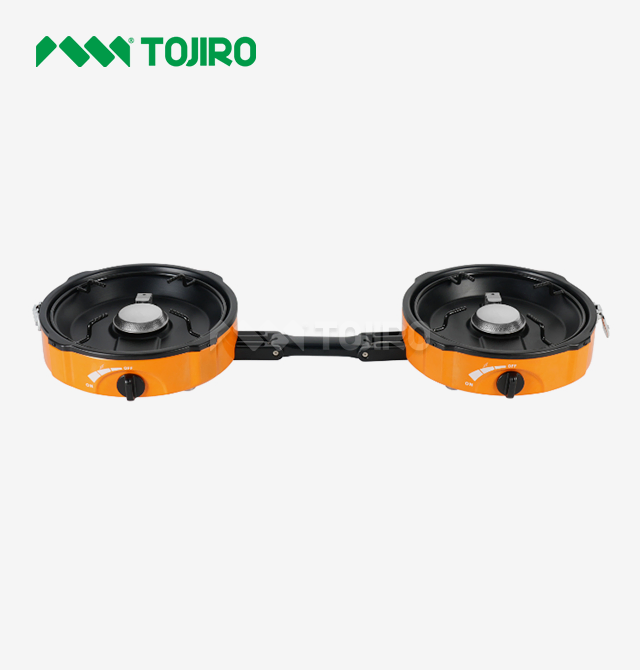
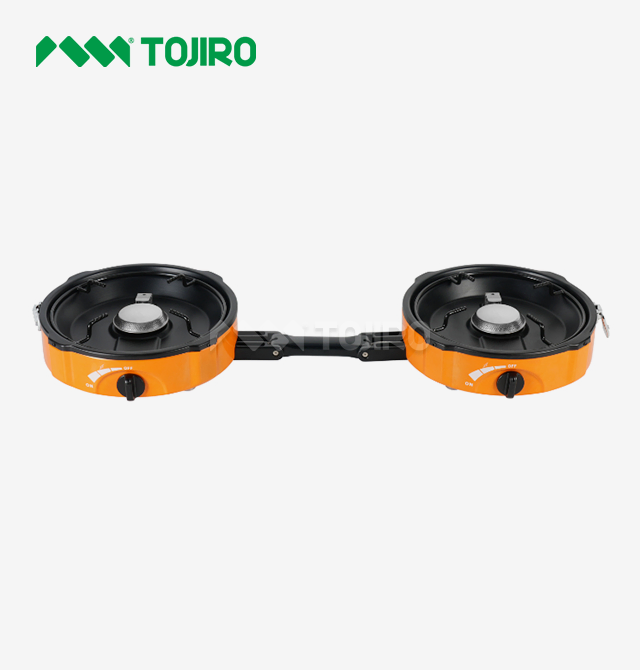
A mobile stove top is a special kind of movable cooking equipment that is made to work the same way in a variety of outdoor and semi-outdoor settings. Unlike simple camping stoves made for hikers, these units are built to last and come with multiple burner setups and flexible fuel systems. The TOJIRO TJR-BK39 Shell Stove is a great example of this type of stove because it has two heads and can produce 2.3kW of power per burner. It can also hold 8,000 BTU of heat. It is made of cold-rolled steel and has a powder finish that makes it durable for heavy-duty industrial use. It also has a small footprint—it unfolds to 268x210x117mm and folds up to 245x210x59mm for storage.
The way they are built makes it clear that mobile stove tops are different from regular portable gas stoves. Mobile units have pressure-regulating valves that keep the gas output stable, voltage lighting systems that don't need matches and spaces for pots with sizes from 10 cm to 20 cm. This flexibility is very important for hiring companies that have to deal with a wide range of customer needs and for places that serve food that have a lot of different choices.
Core Benefits for Commercial Applications
When businesses choose mobile stove tops over cheaper options, they get a number of practical benefits that make the investment worth it. Portability is still very important. When packed, units that weigh only 5–7 kg make it easy for staff to move equipment quickly between event sites, storage facilities, and rental delivery locations. Models like the TJR-BK39 have a folding mechanism that lets four units fit inside a single kraft paper box. This makes better use of office space and lowers shipping costs for large orders.
Using less energy has a direct effect on running costs. With an average of 152g of petrol used per burner per hour, procurement managers can correctly predict how much fuel will be needed for events that last more than one day or for seasonal activities. With changeable flame settings, you can precisely control the temperature for both low-heat simmering and high-heat searing. This gives catering businesses and outdoor dining places more menu options.
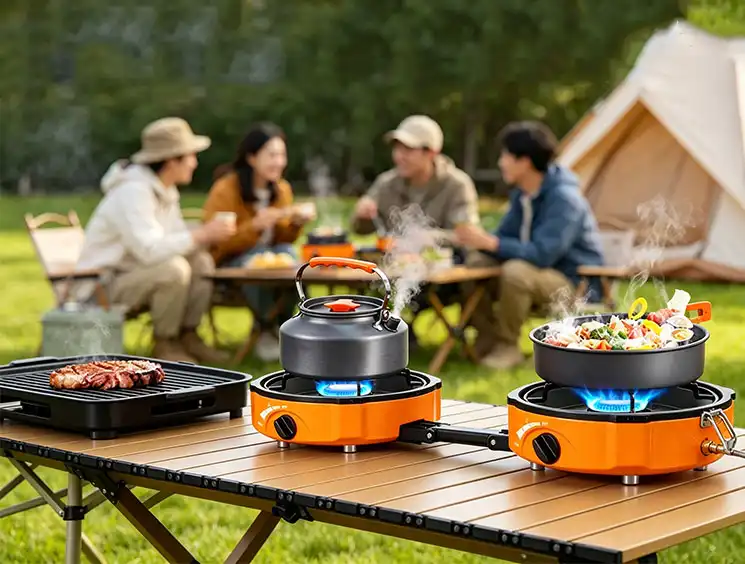
Features of adaptable design solve problems that happen in the real world. The high-temperature oil and water spray tray on the TJR-BK39 makes cleaning easier between rentals, which cuts down on return time and labour costs. Its two burners let you cook two or more meals at the same time, which is very important for business event planners who are cooking for 20 to 50 people. Being compatible with both European high-altitude gas cylinders and US propane standards makes it easier for foreign owners or businesses that serve a wide range of markets to find what they need.
Safety Protocols and Compliance Standards
Every part of buying a business mobile stove top is influenced by safety concerns. Units made to GB/T38522-2020 standards meet strict requirements for starting reliability, fuel system seals, and structural stability. The TJR-BK39 packaging is dropped from a height of one metre at eight different angles to make sure that the goods arrive undamaged even when they go through difficult delivery networks.
Proper storing fuel is the first step to operational safety. Propane tanks need to be stored in places with good air flow and no access to sources of fire. Temperature controls are needed to keep gas from building up. Connection integrity should be emphasised in staff training programs. Testing for soap-water leaks before each use stops dangerous gases from building up. The pressure-regulating valve on good units like the TJR-BK39 keeps the output steady even when the pressure in the can changes. This stops flame bursts that could fire things nearby.
Maintenance plans make tools last longer while keeping safety gaps intact. Once a month, the burner ports should be checked for debris buildup, the position of the ignite electrodes, and the flexibility of the gas line. The powder-coated cold-rolled steel construction fights rust better than bare metal options, but it needs to be cleaned every so often to get rid of grease buildup that could catch fire during high-heat cooking. Keeping records of maintenance tasks is needed for insurance purposes and shows that you did your research for government and business buyers who have to follow buying rules.
Comparing Mobile Stove Tops: Making Informed Decisions for Your Business
Performance Metrics That Matter
Before you can choose a mobile stove top, you need to know how the technical specs will work in real life. BTU numbers show how much raw heat a device puts out. The TJR-BK39 has 8,000 BTU per burner, which puts it in the middle range for boiling big pots without using too much fuel. Buyers should choose the right BTU output for the job. For example, outdoor education programs that want to save money on fuel might choose 7,000–9,000 BTU units, while food businesses that need to cook quickly might choose 10,000–11,000 BTU models.
Comparisons of fuel economy include more than just BTU numbers. They also look at how much fuel is used and how well heat is transferred. Propane systems work better than butane systems in cold weather because they can keep the vapour pressure below 40°F, while butane systems have trouble doing this. In field tests, the TJR-BK39's infrared burner head choice concentrated heat better than open-flame designs, cutting cooking times by 15-20%. This efficiency means lower fuel costs over thousands of cooking hours, which is a big deal for rental businesses that sell and buy tools hundreds of times a year.
Gas Versus Electric: Operational Trade-Offs
Gas-powered units are the most popular type of mobile stove top because they don't need to be connected to electricity to work. This edge is very important for businesses that work in remote areas like national park concessions, crisis aid, and adventure tour operators. Getting propane is easier than getting speciality fuels because it is easy to find in hardware shops, outdoor stores and dedicated sources.
In some situations, electric models are better than petrol models. Electric induction or resistance burners can be used in indoor event areas that follow fire code rules, but open flames are not allowed. Hotels that offer camping experiences to their guests like how easy electric units are to use—they don't need to store fuel, don't need to be vented, and pose fewer legal risks. But electric mobile stove tops need solid power sources, which makes them less useful in real outdoor settings and more difficult to set up.
Different things need to be thought about when installing. Within minutes, gas units are ready to use: just attach the tank, check the connections and light the burners. For electric options, you need extension cords that are approved for certain circuit capacities, ground fault safety, and amperage loads. When it comes to maintenance, gas systems are also better than electric ones. Electric heating elements break down over time and need to be replaced by specialists, but gas hob parts are made to standard sizes so they can be fixed in the field.
Brand Evaluation Framework
Leading makers set themselves apart through new designs and help systems for customers after the sale. Coleman has built its name on tough dependability that makes its products ideal for both home and light business use. However, the company's main focus is still on retail channels. Camp Chef aims for the prosumer and industrial markets with higher BTU rates and accessory ecosystems, but the prices are often too high for seasonal businesses to afford.
TOJIRO stands out from other brands because it combines the accuracy of traditional Japanese craftsmanship with the ability to make things in a modern factory. Durability testing was an important part of the TJR-BK39 development process. Its packaging can survive the impact forces that damage rivals' goods during shipping, which lowers the number of returns and replacement costs. The 45-day production cycle lets businesses that change their operations with the seasons order quickly, without having to wait for long lead times that are common with foreign makers who don't have dedicated production capacity.
When you buy in bulk, the brands you choose are greatly affected. There are a lot of different minimum order quantities. For example, the TJR-BK39's 1,000-unit limit works for regional distributors and big rental businesses, but it's too high for smaller speciality stores. Buyers should talk about pricing systems that reward promises to buy a lot of goods while still allowing for changes in the seasons. Outdoor stores can improve their brand identity through white-label partnerships. However, customisation raises unit costs by 10 to 15 percent and causes delivery times to stretch.
How to Use and Maintain Mobile Stove Tops for Optimal Performance
Setup and Operational Guidelines
Proper setup begins with selecting a flat, stable surface away from flammable materials. On soft or sandy ground, base plates improve stability despite the TJR-BK39’s reinforced frame. Legs should be fully unfolded and locked before use. Propane tanks must be securely connected to the regulator and checked for leaks using a soap solution. The built-in pressure-regulating valve ensures safe operation. Voltage ignition is used for lighting, and flame levels should be adjusted gradually to avoid cookware damage and ensure stable, efficient cooking performance.
Maintenance Practices for Longevity
Regular cleaning significantly extends equipment lifespan. Burners should cool before grease trays are cleaned with degreasers, as the TJR-BK39’s coating resists staining but carbon buildup can still reduce heat transfer. Burner heads should be cleaned three times yearly using warm water and compressed air. Fuel systems should be maintained by removing gas canisters during storage and inspecting seals, threads, and O-rings regularly. Standardized replacement parts improve serviceability. Silicone lubrication helps moving components. Common issues include clogged burners, misaligned electrodes, or blocked regulators, all of which can be corrected with routine inspection and maintenance.
Procurement Guide: Buying Mobile Stove Tops for B2B Clients
Evaluation Criteria for Purchase Decisions
The first step in strategic procurement is to define performance standards that are in line with practical situations. Companies that rent things out put longevity and ease of upkeep at the top of their list of priorities. They are willing to pay more up front to save money in the long run. Schools stress safety certifications and ease of use for students, while emergency aid groups want fuel that can be quickly deployed and can be used in a variety of situations.
Structures of warranties show how confident and committed a maker is to customer service. TOJIRO's one-year guarantee covers mistakes in the making process and material failures, giving you options for parts that wear out too quickly. Carefully read the guarantee terms; some don't cover 'consumable' parts like burner heads that other companies consider permanent. Buying an extended guarantee is a good idea for situations where equipment is used a lot and every day during working seasons.
Compatibility tests keep expensive merging fails from happening. Check that the units you choose will work with the cookware you already have. For example, the TJR-BK39's 10–20cm pot width range works with most camping cook sets but might not work with some speciality sets. Think about fuel infrastructure. Companies that already keep gas on hand for other tools will find it easier to run their businesses, but companies that use other fuels will have to deal with more problems.
Sourcing Strategies and Supplier Relationships
For large buyers, buying directly from the factory saves a lot of money. Tojiro's factory prices don't include wholesaler markups, which raise retail prices by 30–50%. However, buyers are responsible for importing the goods and making sure they are in line with the rules. Because of the 1,000-unit minimum order quantity, this approach is mostly used by bigger businesses or cooperative buying groups that combine demand from different businesses.
For smaller buyers, the profit margins of wholesale wholesalers are worth it because they offer useful services. They keep inventory in the United States so that orders can be filled quickly, handle customs clearance and safety certifications, and often offer technical help that makers abroad don't offer. Regional wholesalers who know the local market conditions can give you information about regular demand patterns and how you stack up against the competition, which can help you decide when to buy something.
With OEM and white-label partnerships, mobile stove tops can be used to build a brand. TOJIRO can customise more than just adding a logo. They can also change the colours, the style of the package, and the specifications to meet specific needs. Customised production usually has higher minimum order numbers than standard ones, but established stores and experience providers should invest because the brand equity and possible margin gain make it worth it.
Future Trends and Innovations in Mobile Stove Tops
Technological Advancements Reshaping the Category
Technological advancements are reshaping mobile food equipment through induction heating, smart connectivity, and cleaner fuel options. Induction systems can achieve up to 40% higher efficiency and precise temperature control, but battery limitations (heavy, costly 2,000-watt packs) restrict portability. Smart features such as Bluetooth control and data logging improve operational efficiency and food safety compliance for multi-site foodservice operations. Environmental trends are also driving adoption of bioethanol and renewable propane, which reduce emissions but currently cost 20–30% more and deliver slightly lower BTU output. Procurement teams should monitor these evolving trade-offs as technology matures.
Evolving Market Demands and Strategic Responses
Market demands are shifting toward lighter yet durable designs, challenging engineers to balance weight and strength. While titanium and carbon fibre offer reduced weight, their high cost limits industrial use. The TJR-BK39 uses reinforced cold-rolled steel for a practical balance of portability and durability. Multifunctional outdoor systems are increasingly popular, but modular single-purpose designs often provide better reliability and easier maintenance. Certification complexity is also rising globally: the TJR-BK39 meets GB/T38522-2020, while ANSI, CSA, and ISO standards apply in other markets. Proper certification alignment is essential to avoid compliance risks and import issues.
Conclusion
To choose the best mobile stove top, you have to find a balance between performance requirements, longevity engineering, and the cost of purchase that is appropriate for your needs. Tojiro's TJR-BK39 shows how well-thought-out design can meet the needs of businesses. Its two 8,000 BTU burners can cook enough food for a large group, its cold-rolled steel construction can handle the wear and tear of a rental cycle, and its small folded size makes it easier to move. Whether you're setting up a glamping resort, a rental business, or an institution's programs, making sure that established safety standards, responsive manufacturer support, and realistic maintenance requirements are top priorities will ensure that your equipment investments keep paying off over its long life.
FAQ
1.What fuel type works best for various camping and commercial scenarios?
Because it works the same way at all temperatures and is easy to find, propane is still the best fuel for most mobile stove top uses. Specialised container formulas keep the vapour pressure stable at high altitudes, which is helpful for operations. However, butane is slightly cheaper and works better in warm, low-elevation places, but it doesn't work as well in cold places below 40°F. For easier inventory management, commercial users should stick to propane unless specific operating needs call for other fuels.
2.How do safety protocols differ between outdoor and commercial foodservice settings?
Outdoor cooking over an open flame is possible as long as there are no flammable materials nearby, the food is safe, and the cook is watching over it. Every part of buying a business mobile stove top is influenced by safety concerns. Commercial food service businesses have to follow tighter rules that require air systems, fire suppression tools close by, and safety training programs that are written down. When propane units are used indoors, they usually need commercial-grade air and permission from the city fire marshal. The TJR-BK39 meets GB/T38522-2020 standards, which is a basic level of safety guarantee. However, users must check that it also meets the rules in their own area.
3.What factors determine whether gas or electric models better suit business needs?
Gas-powered mobile stove tops work best outside, in remote areas, and in situations where being independent of electricity infrastructure is important. Electric units are good for events that take place inside, places that have to follow fire codes, and businesses that focus on making training easier and lowering risk. When choosing between technologies, you should think about how easy it is to get power, how much air flow is needed, how to store fuel, and any safety rules that apply.
Partner with TOJIRO for Your Mobile Stove Top Supply Needs
TOJIRO makes commercial-grade compact cooking equipment that comes with a one-year guarantee and ISO-certified quality control. Our TJR-BK39 Shell Stove has an innovative dual-burner design and a heat output of 8,000 BTU. It's perfect for stores that need to keep a lot of stock on hand, rental businesses that need tough reliability and big buyers who need equipment that meets certain standards. With production times of 45 days, the ability to customise products as ODM or OEM, and factory-direct prices for approved buyers, we can support a wide range of buying strategies, from white-label partnerships to bulk wholesale sales. Get in touch with us at [email protected] to talk about your unique needs and find out how working with an experienced mobile stove top maker can help you stay competitive while ensuring the quality of the products your customers trust.
References
1. Anderson, M. & Chen, L. (2023). Engineering and safety standards for commercial outdoor cooking equipment. 41(3), 112-128 in the Journal of Hospitality Equipment Technology.
2. Burke—R. (2024). Performance analysis and buying tips for propane systems used in business settings. 18(1), 45–61 in Industrial Fuel Systems Quarterly.
3. The ISO is the International Organization for Standardisation. (2022). The ISO 9000 Series Application Guide has safety standards and test methods for portable gas-powered appliances. Geneva: Publications of the ISO.
4. National Association of Managers of Rental Equipment. (2023). Protocols for Testing the Durability of Outdoor Equipment That Gets A Lot of Use. The 7th edition of the Equipment Rental Standards Manual has pages 234–256.
5. K. Peterson, H. Yamamoto, and D. Sullivan. (2024). Comparisons of the thermal efficiency of portable cooking systems: results from field tests in commercial settings. 31(2), 78–94; Energy Applications in Hospitality Research, 29(2).
6. Williams, S. (2023). B2B buying plan for seasonal outdoor hospitality businesses. The Commercial Buyer's Resource Guide, No. 15, pp. 167–183.

USER EVALUATE
Here is the customer's evaluation of us
_1763609661748.webp)
_1763619688277.webp)
_1763607842349.webp)
_1763607744591.webp)