


How to Use a Portable Fish Grill
Setting up and controlling the temperature of a portable fish grill correctly are the first steps to using it well. Specialised cooking tools like these are very portable and evenly distribute heat, which makes them perfect for businesses like food services and wedding places. Gas-powered types, like TOJIRO's 2.3kW unit, put out 8000 BTU, which is enough power for skilled fish preparation. When preheating, applying oil, and controlling temperature correctly, you can get the best results and avoid common problems like burning or uneven cooking in a variety of work settings.
Understanding Portable Fish Grills and Their Benefits
Commercial businesses have changed how they cook outside and on the go with compact grilling options. These specialised devices are very different from regular grills because they are designed to be portable, easy to set up, and take up little room. When buying workers know these differences, they can find equipment that fits both working needs and budgetary limits.
What Sets These Grills Apart From Traditional Models
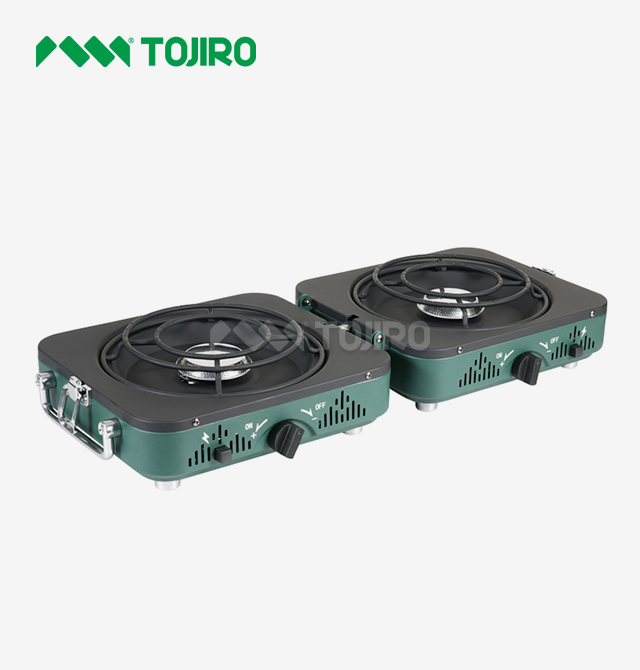
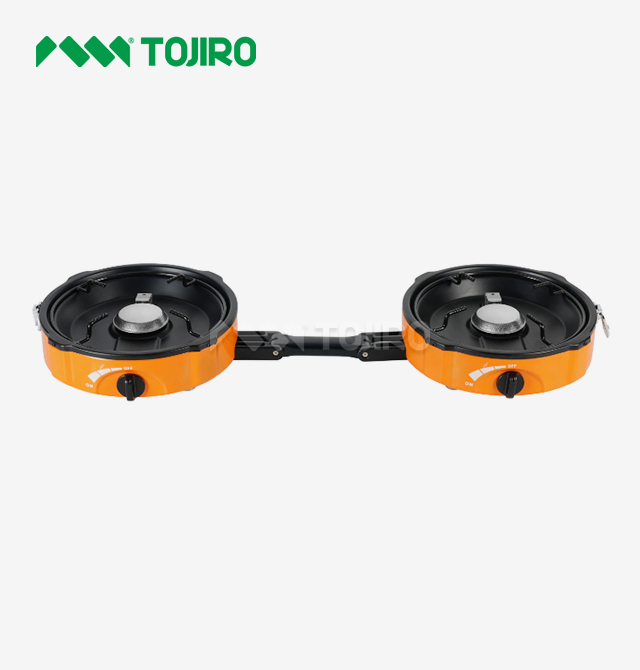
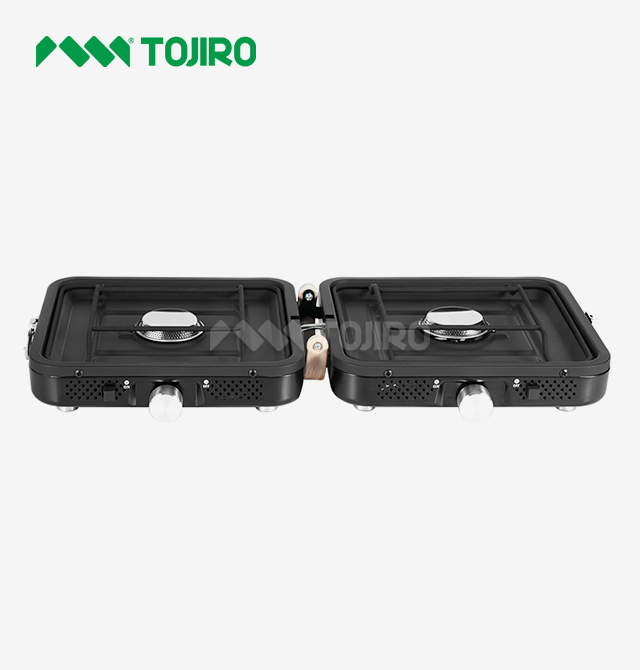
Portable units are designed to be small without losing their cooking ability. The TOJIRO's design is a good example of this balance: when it's opened, it's 268x210x117mm, which is a big working area, but when it's folded up, it's only 245x210x59mm, which makes it easy to carry. The powder-coated cold-rolled steel construction makes it long-lasting, and the decent weight makes it easy to move around. Usually, traditional grills need to be permanently installed or come with big cart systems. This makes it harder for businesses that serve more than one location or seasonal places to be flexible with their operations.
Another important difference is the versatility of the fuel. Modern portable gas-powered units can work with both European high-altitude tanks and US propane standards, so they can be used anywhere in the world without having to be changed. Standardisation makes inventory easier for businesses that do business across countries or with a wide range of customers.
Commercial Applications Across Multiple Sectors
Rental and experience businesses gain a lot from having tools that can handle being handled a lot. Units that pass strict drop test standards, like TOJIRO's 8-angle, 1-meter certification, need less repair and service delays. Glamping sites and adventure tour companies need steady performance in rural areas where it can be hard to get to repair shops. This means that durability is a must.
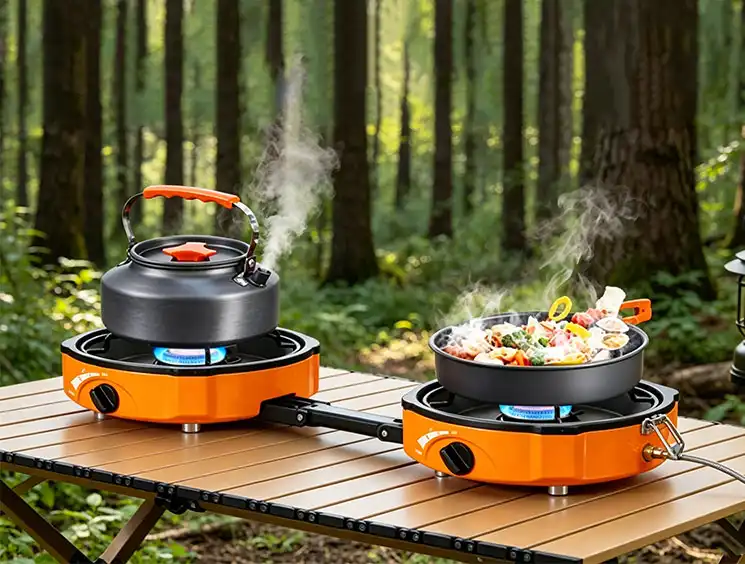
Corporate and leisure clients like being able to set up quickly. When planning multiple events at the same time, event planners need tools that staff can use right away without any special training. The two burners work together to make it possible to prepare meats and accompaniments at the same time, which speeds up service during busy events. When hotels offer outdoor eating, they like designs that look good and work well with high-end settings while still producing regular culinary results.
Operational Efficiency and Cost Benefits
Mobility directly leads to the chance to make money. Catering businesses can serve more places without having to spend money on new equipment. A single portable machine can be used for service at the beach, events in a park, and tasks on private land. This flexibility makes the equipment more useful than in fixed setups that aren't used between busy times.
Consistency of heat affects both the quality of food and how quickly work gets done. Accurately controlling the temperature cuts down on mistakes and waste in the kitchen. This is especially important when cooking expensive fish. The pressure-regulating valve technology keeps the gas flow steady even when the pressure in the tank changes. This makes sure that the system will work as expected for as long as it's being used. The staff doesn't have to worry about making up for changes in the tools; they can focus on the show and talking to customers.
How to Use a Portable Fish Grill Effectively
To get the most out of a portable fish grill, you need to know the right way to use it and the basics of good skill. Repeatability and efficiency are important in business settings, so standard processes are needed to make sure that the work of all staff members and service events is the same.
Setup and Preheating Procedures
Setting up the right conditions for operation starts before the engine is turned on. Placing the unit on stable, level ground away from burning materials and things that could get in the way should be done. Make sure there is enough space on all sides for the heat to escape and for safe operation. Connect the right gas cylinder, either the European or US type, making sure the fitting is solid and that the connections don't cross-thread.
Because the one-touch ignition system eliminates the need for potentially hazardous and time-consuming matches and hand lighters, starting the engine is made easier. After turning on the stove, let it warm up for eight to ten minutes on medium-high. The ideal temperature range for frying fish is between 400 and 450 degrees Fahrenheit, which the cooking surface will attain after this length of time. In addition to producing grill markings that patrons adore and caramelizing meats to bring out their flavors, proper preheating prevents food from sticking by generating a cooking surface that doesn't react with food.
Verifying the temperature is especially important when feeding a lot of people at once or for long amounts of time. Built-in controls keep the output steady, but tracking makes sure that conditions are always perfect. Change the height of the flame based on the thickness and type of fish. For example, sole require less heat than dense tuna steaks.
Fish Preparation and Cooking Techniques
The final product is significantly impacted by preparation. Before cooking, remove the fish from the refrigerator for five to ten minutes. By bringing the proteins closer to ambient temperature, the heat will disperse more evenly. Coat both sides liberally with high smoke-point oils, such as avocado or grapeseed oil. When grilled on the grill, these oils won't degrade. The usage of seasonings should be determined by the client's preferences or the recipe.
Just before adding the fish, thoroughly clean the frying grates with a stainless steel brush. The uneven surfaces caused by the residual frying pieces make it easier for food to cling and spread unpleasant flavors. Even though it only takes a few seconds, this process has a significant impact on the final product, particularly when cooking light-flavored species where off-tastes are noticeable.
Observe this fundamental time guideline: Cooking time should be eight to ten minutes per inch of thickness. A one-inch fish requires around four minutes on each side at the proper temperature. Larger parts need more length for the same amount of time. While the fish is cooking, merely turn it once rather than repeatedly. Several rotations increase the chance of breaking and prevent the scar from forming properly. The fish falls off the grates by itself when the cooked side completes its turn. Forcing an early removal results in skin tearing and a less attractive appearance.
Essential Accessories for Professional Results
Food-grade stainless steel grill pans keep food from slipping through the grates, which is especially important when cooking smaller amounts or delicate species. When you flip the fish, locking mechanisms keep it in place, and perforated shapes keep the fish in direct touch with heat for the right browning. Long handles that can handle heat make it safe to move around without getting too close to flames.
High-temperature mats can be used as an additional cooking surface for types that are easily broken. When these items are put directly on grates, they make nonstick shields that make cleanup easier and protect skin that is still soft. Dishwasher-safe options cut down on the amount of work that needs to be done to clean up after the service, which is important to keep in mind when you're running a lot of events or high-volume operations.
Staff members are kept safe during long work times by protective gear. Heat-resistant gloves rated for commercial cooking temperatures keep your hands from getting burnt when you're adjusting tools or helping someone in an emergency. Using special tools with long handles keeps your hands away from sources of heat and gives you power to move food around safely.
Maintenance and Safety Best Practices
Disciplined upkeep procedures and a focus on safety lead to long life and reliable performance. Equipment is put through a lot more stress in commercial settings than in leisure settings. This is why preventive care is so important for protecting capital investments and making sure working readiness.
Routine Cleaning and Preventive Care
Routine cleaning after use prevents residue buildup and performance loss; allow units to cool slightly while keeping surfaces warm for easier degreasing. Clean grates and drip trays with non-abrasive cleaners to protect powder-coated steel. Weekly deep cleaning should clear burner ports and inspect gas lines for wear, replacing damaged parts. Monthly checks verify ignition consistency, pressure stability, and maintenance records for servicing and warranty tracking.
Fuel Handling and Workplace Safety Standards
Propane and high-altitude gas tanks need to be handled in a certain way. Keep tanks in well-ventilated places out of direct sunlight and away from things that could start a fire. Move the units while they are standing up, with the valves closed and the safety caps on top. Never keep cylinders in vehicles or other small areas that can't be opened, as leaks could build up to dangerous levels.
To run multiple units at the same time, you need to plan the space so that dangerous situations don't happen. Follow the manufacturer's instructions and local fire rules for the minimum distance between working grills and flammable materials. Place the tools so that people can't walk through hot spots or places where cylinder links could be harmed. Teach your staff how to spot and react to gas smells, strange flame behaviour and other signs of something being wrong.
Following safety rules at work shields both employees and the company from potential damage. Make sure that semi-enclosed work areas have enough air flow so that burning byproducts don't build up. Put fire-fighting gear that can put out grease and gas fires right next to the cooking tables. Give regular safety talks that cover what to do in an emergency, how to shut down equipment, and how to evacuate in a way that works for each setting.
Comparing Portable Fish Grills: Making the Right Choice
When making decisions about what to buy, it helps to carefully compare the different choices with the needs of the business and the available budget. The market for portable fish grills has a lot of different options with a wide range of features and prices, so it's important to do some research before making a decision.
Performance Metrics and Operational Flexibility
Output potential is the most important factor in determining business fit. The 2.3kW power output with 8000 BTU is in the middle range and should be fine for most fish preparation tasks. This specification handles normal business rates while keeping fuel use at an acceptable level. Higher outputs are good for businesses that need to prepare large amounts or thick-cut meats that need to be seared very well. Lower grades are fine for careful preparations or places where getting fuel is hard.
Professional equipment is different from consumer-grade options because of how consistently it distributes heat. Dual-burner configurations have practical benefits beyond the ability to cook at the same time; they also allow temperature zoning for recipes that need different amounts of heat. Combining open flame and infrared burners gives you more cooking options; you can use the same unit for both direct grilling and more gentle cooking.
Portability is more than just how heavy something is. Folding mechanisms need to be able to be deployed and folded many times without becoming loose or having play that makes them less stable. Handle designs should allow for transport by one person while keeping a firm grip while moving. Compatible pan types, like those with 10–20 cm diameters, decide how flexible the menu is and how big the service can be. These qualities should not just be judged by general requirements, but should be carefully examined in the context of unique operating situations.
Durability and Supplier Reliability
Material quality directly impacts durability and ownership cost: cold-rolled steel offers higher strength than aluminium and, with corrosion-resistant powder coating, outperforms paint under frequent cleaning. Reliable components in burners, controllers, and ignition systems are essential for long-term use. Packaging tested for 1-meter drops reduces damage risk. Supplier reliability is reflected in warranty terms, responsive service, spare parts availability, and ISO9001:2015 certification.
Electric Versus Gas-Powered Options
Choosing the right fuel type requires weighing a lot of factors. Electric models get rid of the waste products and difficulties of propane, making them easier to use in places with stable power access. Most of the time, they give you more exact temperature control and get rid of open flames, which can be a problem for some insurance companies or building managers. However, the need for electricity might not be possible in rural areas or at events where generators are limited.
Gas-powered units don't need to be connected to an electrical grid, which is important for service at the beach, in the woods, or for emergency aid. Propane has a higher energy density than most battery devices, so it can be used for longer amounts of time without having to be refuelled. Flame exposure helps teach techniques and gives customers a chance to experience something new by watching food being prepared. Gas is usually cheaper than electricity for running costs in places where power costs a lot, but this depends on local utility rates and how people usually use their gas.
Procuring Portable Fish Grills: Buying Guide for B2B Clients
Strategic buying of portable fish grills maximises value by choosing the right suppliers, planning how to buy things, and building relationships with them. By understanding how the market works and where you have the most power in a deal, you can get better terms and build partnerships that will help your business succeed in the long run.
Identifying Qualified Suppliers and Manufacturers
Qualified suppliers typically operate large-scale facilities (10,000+ sqm), indicating stable production capacity; TOJIRO’s Zhongshan plant exemplifies global export capability across multiple regions. A ~45-day lead time for 1,000-unit MOQ balances customization and efficiency. Certifications demonstrate regulatory compliance and quality systems essential for international, government, and B2B buyers, while also supporting insurance and product liability requirements.
Bulk Purchasing Strategies and Cost Optimization
Minimum order quantities reflect production cost and customization; a 1,000-unit baseline enables competitive pricing for mid-sized buyers, with volume tiers significantly lowering unit cost. Procurement should model trade-offs between inventory costs and price breaks. Ordering aligned with production cycles improves negotiating power, as suppliers offer better terms during off-peak capacity and prioritize forecasted demand. White-label ODM branding, customization, margin advantages.
Evaluating After-Sales Support and Warranty Terms
Full guarantee coverage shows that the maker is confident in their products and protects buyers' investments. Standard one-year terms should cover defects in the materials, the work, and any parts that stop working normally. Make it clear what kinds of things aren't covered, especially when it comes to the distinctions between business and recreational use that some consumer-focused brands use to limit their responsibility. Learn how to file a claim and what paperwork is needed to make sure the process goes smoothly if something goes wrong.
Actual downtime when service is needed depends on how quickly parts are available and how quickly technical help responds. Suppliers who keep enough spare parts on hand and provide thorough service paperwork allow for fixes to be done in-house, which limits the impact on operations. Having access to expert advisors who know about business applications is very helpful for fixing performance problems or making techniques work better for certain uses.
Conclusion
To master operating a portable fish grill, you need to know what it can do, how to use it correctly, and how to keep it in good shape. To be successful in business, you need to choose the right standards for the job, put in place safety rules that protect people and property, and work with suppliers who offer quality goods and reliable support. TOJIRO makes equipment that meets the high standards of professionals in a wide range of fields by combining traditional Japanese artistry with modern production technology. The 2.3kW dual-burner design makes it useful for a wide range of tasks while still being portable, which is important for mobile operations. When procurement workers are looking at their choices, they should put durability, the name of the supplier, and the total cost of ownership ahead of price alone.
FAQ
1.What portable fish grill type suits high-volume commercial operations best?
Gas-powered types with two burners and an output of 8000 BTU per burner deliver optimal performance for most industrial uses. These units are portable and use little fuel, but they have enough space for normal business amounts. Operations that need more power should look at specs above 2.5kW per burner, even though this makes the equipment heavier and uses more fuel.
2.How frequently should commercial portable grills undergo maintenance?
Cleaning every day after service keeps residue from building up and hurting cleanliness and performance. Burner ports, gas lines and starting systems should all be checked once a week. Preventive maintenance done once a month, which includes thorough cleaning and testing of all parts, finds problems before they become working fails. Professional servicing once a year by trained techs keeps the warranty valid and ensures continued dependability.
3.What certifications matter most for institutional procurement?
The ISO9001:2015 quality management certification makes sure that the manufacturing process is controlled and that methods for continuous growth are in place. Different places have different safety standards for gas appliances. For example, in North America, appliances need to be approved by CSA or ETL, while in Europe, they need to have a CE mark on them. People who buy things for the government should make sure they follow the rules that are specific to their purchase, like the Trade Agreements Act rules for US federal contracts.
Partner With TOJIRO for Your Portable Fish Grill Manufacturing Needs
TOJIRO has been making high-quality outdoor cooking tools for more than 20 years and is ISO9001:2015 approved. They offer reliable options to retailers, rental companies, and institutional buyers in North America and Europe. Our 2.3kW portable fish grill seller can customise the grill to fit your brand's unique positioning. With a minimum order size of 1000 units and 45-day production processes, you can be sure that your inventory will be ready on time. To talk about specs, bulk prices, and OEM possibilities, email our buying experts at [email protected] or visit qstojiro.com. Our full professional support and one-year warranty cover all of your needs. We build relationships that help your business succeed and keep your customers happy.
References
1. Anderson, M. (2021). Commercial Outdoor Cooking Equipment: Procurement and Operations Guide. Hospitality Equipment Publishers.
2. Chen, L., & Roberts, P. (2022). Portable Grill Technology and Food Service Applications. Journal of Culinary Equipment Research, 18(3), 145-162.
3. European Committee for Standardization. (2020). Gas-Fired Portable Cooking Appliances: Safety Standards and Testing Protocols. CEN Technical Report.
4. Mitchell, S. (2023). Fish Grilling Techniques for Professional Kitchens. Culinary Institute Press.
5. National Fire Protection Association. (2022). Safe Operation of Portable Cooking Equipment in Commercial Environments. NFPA Guidelines Series.
6. Williams, K., & Thompson, J. (2021). B2B Procurement Strategies for Food Service Equipment. Business Press International.

USER EVALUATE
Here is the customer's evaluation of us
_1763619688277.webp)
_1763607940917.webp)