


Office Heating Solutions for 2026
The building managers and procurement professionals need to find effective Office Heating options right away. Modern workplaces need heating systems that meet changing environmental standards and are good at saving energy while also keeping costs low. Commercial heating technology is always changing because of new smart settings, ways to use green energy, and environmentally friendly fuel options. By knowing about these changes, businesses can make smart choices about how to spend their money on heating equipment this coming year.

Understanding Office Heating Challenges in 2026
In 2026, offices will have heating problems that have never been seen before. These problems will need smart answers and careful planning. Building managers have to make tough decisions all the time because of things like rising energy costs, old equipment, and tighter environmental rules.
Common Office Heating Problems and Their Impact
Many commercial buildings have antiquated heating systems that don't maintain a pleasant temperature. In open-plan workplaces with antiquated heating technologies, temperature differences are still an issue. These temperature variations reduce worker productivity and indicate system failure, which boosts operating expenses. Energy waste from poorly maintained heating systems using too much fuel or electricity is another major issue. Many older structures lack insulation and controls. This allows heat escape, raising energy expenses by 30–40%. Adding mixed work plans that need heating systems that react to occupancy levels complicates matters. Compliance hazards increase when corporate heating system safety standards change. Indoor air quality, carbon monoxide monitoring, and fire safety regulations need efficient, safe heating systems.
Addressing Modern Office Heating Challenges
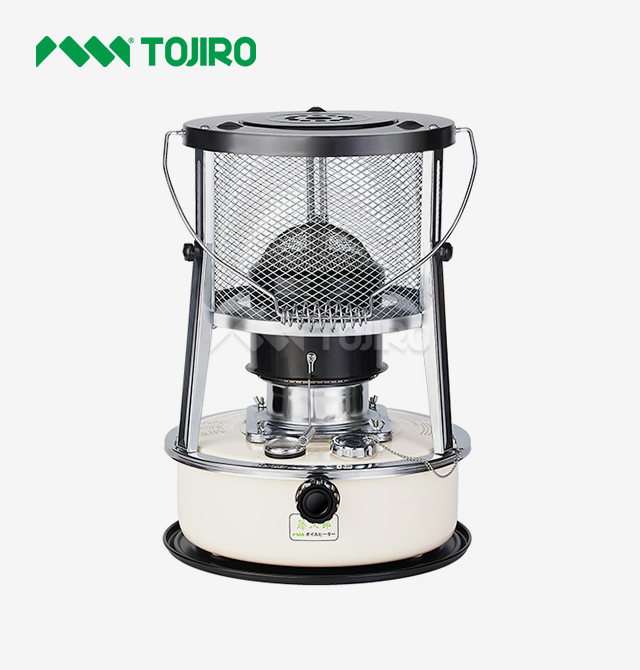
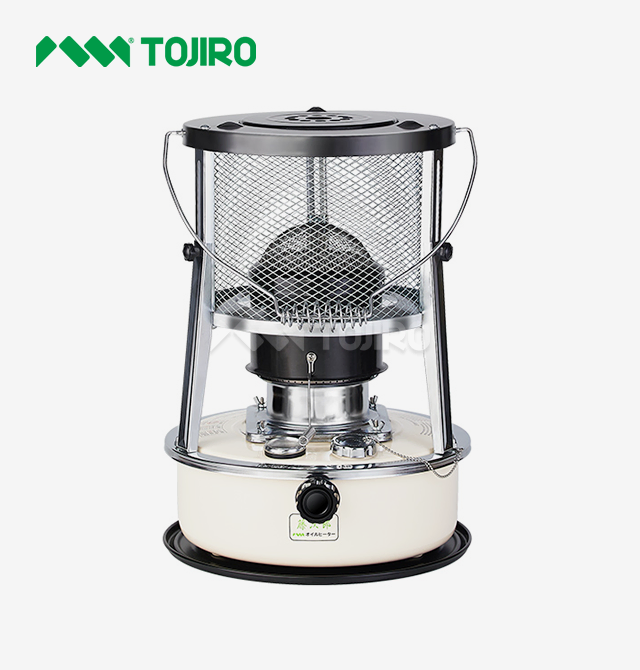
Successful 2026 Office Heating designs match system capacity to building demands rather than using energy-wasting excessive equipment. This strategy requires detailed energy studies to identify heat loss and the appropriate heating loads for each building space. IoT-enabled controls provide real-time heating control, making smart integration essential in current heating systems. They automatically modify heating plans depending on the amount of people in the building and the weather, so it uses less energy while empty and warm when people return. THE TOJIRO TJR-R95 gas heater is an innovative solution for business backup and short-term heating. It can heat 15 square meters of office space with its 2600W power output and 9000 BTU capacity. Lighting by hand is dangerous, but the electric starting mechanism and built-in tipping prevention make the equipment safe in a range of industries.
Top Office Heating Systems and Technologies for 2026
The heating business has come a long way in terms of technology, giving office managers a wide range of choices to meet their needs. Knowing the pros and cons of each type of heating technology helps you make smart choices for long-term building planning.
Comparative Analysis of Modern Heating Systems
Electric heating systems are ideal for smaller office spaces or places that need climate control since they can accurately adjust the temperature and need little maintenance. These systems respond fast to thermostat adjustments and eliminate concerns about fuel storage or odours within the building. However, energy prices in many regions make electric heating prohibitively costly for larger rooms. Gas heating systems function effectively and are cheaper for medium to large office buildings. However, natural gas burns well when placed with suitable air flow and safety checked routinely. Gas system infrastructure investments frequently reduce operating costs, particularly in low-gas-priced areas. Radiant heating systems warm people and objects directly instead of heating the air, creating efficient and pleasant workplaces. These silent systems distribute heat evenly but cost more to build. In buildings with high ceilings, radiant systems operate better than alternative heating methods.
Smart Heating Integration and IoT Solutions
Modern heating systems utilise AI algorithms that learn from building usage and weather. These systems adjust heating plans based on occupancy sensors, weather predictions, and energy pricing. Therefore, comfort is increased while energy usage and running expenses are reduced. Remote monitoring lets site managers monitor many buildings to discover maintenance concerns before they become costly. Predictive maintenance programs use system performance data to schedule service calls when company activities will be least disturbed. The TOJIRO TJR-R95 is suitable for short-term workplace heating since it is portable. These devices are more adaptable than fixed installations since they may address heating issues, keep people warm during renovations, or supplement systems in poor weather. It can operate for 13 hours without refuelling because to its 5.2L fuel tank.
Environmental Benefits and Certification Standards
Modern heating systems prioritise environmental friendliness via efficiency and cleaner burning. ENERGY STAR systems consume less energy and reduce heating expenses by 15-20%. Green building standards like LEED require heating systems to be environmentally friendly and efficient. These guidelines encourage manufacturers to develop low-carbon heating technology that fulfil performance specifications. Tojiro manufactures using ISO9001:2015 quality management. This guarantees great product quality and ecologically responsible business. The firm delivers reliable heating for a variety of purposes and promotes ecologically responsible manufacturing in keeping with its sustainability aims.
Practical Tips to Optimize Office Heating Efficiency and Safety
To get the most out of your heating system, you need to keep up with its repair plan, operating instructions, and safety rules. These steps make sure that the equipment lasts longer and works safely and efficiently during the heating season.
Maintenance and Operational Best Practices
To keep your heating system working, schedule regular repairs. Monthly checkups should include filter checks, ductwork leak checks, and thermostat checks. These monthly checks keep the system functioning smoothly and prevent minor issues from becoming costly to address. Programming thermostats affects energy usage and comfort. Setting temperatures back while the building isn't in use may decrease heating expenses by 10–15% without compromising worker health. Smart heaters automatically adjust schedules depending on occupancy and weather. Based on use and sunlight, zone heating keeps various portions of a building at the proper temperature. Zone control systems can simply heat conference rooms, workplaces, and common spaces to varied levels. This concentrated strategy eliminates waste from heating unoccupied rooms to the same temperature.
Safety Protocols and Compliance Guidelines
Local building laws and OSHA regulations govern office heating system ventilation to maintain indoor air quality. Proper ventilation prevents carbon monoxide buildup and keeps the room fresh. Regular air quality testing ensures heating system safety. Fire safety requires proper distances around heating equipment, detecting systems, and specified emergency shut-off techniques. Staff training teaches personnel how to recognise heating system issues and respond to emergencies. The TOJIRO TJR-R95 incorporates automated shut-off and electric starting devices to eliminate hand-lit fire threats in the workplace. Safety systems provide site managers piece of mind while keeping personnel safe and the facility secure.
Advanced Control Systems and Monitoring
Building management systems integrate heating settings with other systems to improve performance. These systems integrate the heating, lighting, security, and ventilation systems to keep the facility warm while conserving energy. Sensor technology monitors building temperature, humidity, and air quality. This data allows heating systems to rapidly adjust to changing circumstances, keeping people warm and conserving energy. Advanced technologies can detect the number of people in a space and adjust the temperature. Energy tracking systems evaluate heating systems and suggest improvements. These systems provide information that enable building managers determine energy use and decide how to enhance or adjust the system.
Strategic Procurement and Installation of Office Heating Systems
Good procurement strategies combine the costs of the original purchase with the costs of running the business over time and meeting performance standards. Companies that know the total cost of ownership can make investments that pay off over the span of a system.
Evaluating Office Heating Requirements
Before assessing a place, you must collect precise measurements and understand how its aspects effect heating. How much heating is required and how large a system is depends on insulation, windows, roof height, and building orientation. Professional energy testing identify heat loss and recommend system sizing. Usage pattern analysis examines how people utilise a building on workdays and at other times. Conference rooms may need to heat up fast for discussions, whereas storage sections may simply require modest heat to prevent tool breakage. Understanding these tendencies lets you pick approaches that match your goals without overbuying equipment. Budget issues go beyond the initial purchase price and include building, care, and lifetime energy consumption. By lowering monthly energy expenses, financing options may make energy-efficient products more accessible.
Procurement Best Practices for B2B Clients
When choosing a vendor, consider the maker's credentials, warranty conditions, and local service. Reliable manufacturers give higher product dependability and support. TOJIRO has made heating equipment for 20 years, demonstrating its stability and expertise to buyers. Buy in bulk to save money on per-unit pricing for large buildings or heating requirements. To achieve bulk pricing on TOJIRO goods, you must acquire 500 units, and the 45-day manufacturing cycle allows for seasonal installation tasks. varying applications and locales have varying certification demands, but dependable firms provide safe and effective products. TOJIRO verifies all certification forms to local construction regulations.
Installation Planning and Project Management
Contractors should have professional expertise, qualification, and project management abilities. Qualified professionals ensure the system operates properly without disrupting business. A worker's reliability and skill may be determined via references from comparable tasks. Installation schedules must match building utilisation to maximise company efficiency. Installation during off-hours costs more since personnel work longer hours, but it doesn't disrupt everyday life. When planning, including what to do if anything goes wrong or the weather hinders you. Quality assurance tests ensure systems satisfy requirements and perform as expected. Before acceptance, the commissioning procedure tests all system elements and settings for functionality. User instructions and warranties are included in system control documents.
Conclusion
Efficiency, sustainability, and flexibility to changing workplace needs must all be carefully considered when developing Office Heating options for 2026. Modern heating technologies give you more control and efficiency than ever before, and smart integration features let you use optimization strategies that lower costs and damage to the environment. Companies can benefit from taking a full look at their energy needs, taking into account both their current wants and the chance to grow in the future. The TOJIRO TJR-R95 is a new way to think about flexible heating options. It combines Japanese artistry with current safety features and easy use. When buying office heaters, it's important to know the total cost of ownership, choose reputable makers, and follow the right upkeep steps to make sure the heaters work well and safely for a long time.
FAQ
1. What are the most energy-efficient office heating options for 2026?
How well a modern business building heats relies on its size, the quality of its insulation, and how it is used. Most of the time, heat pump systems are the most efficient, often being 300–400% more efficient than standard heating ways. By managing schedules and temperatures better, smart thermostats and zone control systems can boost the efficiency of any heating system by 15 to 20 percent.
2. How do smart heating controls reduce operational costs?
Smart heating settings instantly find the best heating times by using occupancy monitors, weather data, and learning algorithms. These systems save energy by changing temperatures when no one is there and pre-heating rooms based on when people are coming in. Savings on heating bills can be anywhere from 10 to 25 percent, based on the type of building and how it is used.
3. What safety considerations apply to portable office heaters?
Portable office heaters need to be well ventilated, kept away from flammable objects, and in line with local fire codes. To lower the risk of fire, units should have electronic lighting systems, tip-over safety, and automatic shut-off features. In commercial settings, safe running depends on regular upkeep and the right way to store fuel.
Partner with TOJIRO for Superior Office Heating Solutions
With over twenty years of manufacturing success for business heating uses, TOJIRO is your go-to source for Office Heating. Our TJR-R95 diesel heater has improved safety features like electronic ignition and automatic tip-over protection. It has 2600W of steady heating power. We give procurement workers the quality guarantee they need with our ISO9001:2015 approval and full one-year warranty coverage. Our 45-day production cycle works with project schedules, and our low minimum order size of 500 units lets us offer cheap bulk prices for large-scale installations. You can email our team at [email protected] to talk about your specific heating needs and find out how our flexible solutions can make your office more comfortable and productive.
References
1. American Society of Heating, Refrigerating and Air-Conditioning Engineers. "Commercial Building Heating Systems Design Guide 2026." ASHRAE Publications, 2026.
2. International Energy Agency. "Energy Efficiency in Commercial Buildings: Heating System Optimization Strategies." IEA Clean Energy Transitions Programme, 2025.
3. National Institute of Standards and Technology. "Smart Building Technologies for Commercial Heating Applications." NIST Special Publication 1800-41, 2026.
4. Building Performance Institute. "Best Practices for Office Heating System Procurement and Installation." BPI Technical Standards Committee Report, 2025.
5. Environmental Protection Agency. "Commercial Heating Equipment Environmental Compliance Guidelines." EPA Office of Air and Radiation, 2026.
6. Facilities Management Association. "Total Cost of Ownership Analysis for Commercial Heating Systems." FMA Research Publication Series, Volume 15, 2025.

USER EVALUATE
Here is the customer's evaluation of us
_1763607622609.webp)