



Best Fuel-efficient Heating Equipment 2026
The 2026 best fuel-efficient heating equipment uses modern combustion technology and smart settings to save a lot of energy and cut down on operating costs. Modern heating systems use condensing boilers, biogas integration, and mixed designs to get the most out of fuel while still meeting strict environmental standards. These new heating systems give companies reliable warmth, better environmental benefits, and big cost savings compared to old-fashioned heating methods. Leading makers now make movable and fixed units that are designed for business use, emergency preparation, and rural areas that don't have access to regular heating systems.

Understanding Fuel-efficient Heating Equipment in 2026
Fuel-efficient heating equipment improves how businesses handle temperature and energy. Advanced combustion engineering maximises fuel heat in these high-tech devices. New, energy-efficient heaters employ condensing technology to capture and use exhaust heat from venting systems. This differs from earlier heaters that waste energy by not burning all the fuel and losing heat.
Advanced Combustion Technologies
Modern heating systems employ many strategies to achieve great efficiency. Latent heat from water vapour in waste gases makes condensing boilers 10-15% more efficient than ordinary boilers. By using biomass fuel, businesses may employ green energy while maintaining heating performance. Demand-based smart combustion controllers instantaneously modify air to fuel proportions. Even with changing loads, this keeps the engine running well. Modern, fuel-efficient stoves regulate output depending on heat need. This method eliminates energy loss from large systems cycling on and off. Variable-speed fans and pumps adjust airflow to heating demands, making them more efficient.
Environmental and Economic Benefits
Saving fuel and reducing carbon dioxide, nitrogen fumes, and particulate matter makes efficient heating systems beneficial for the environment. These price reduction help firms comply with tightening environmental regulations and become more eco-friendly. Many localities provide tax credits and rebates for businesses that install high-efficiency heating systems. This provides immediate financial advantages to calculate ROI. Economic advantages include lower fuel expenses, reduced maintenance, and longer tool life. Modern control methods and superior materials keep most high-efficiency devices functioning longer. Due to fuel and maintenance savings, commercial installations pay back in 2–4 years.
Top Fuel-efficient Heating Equipment of 2026: Comparison and Recommendations
The market for industrial heating solutions has changed a lot, with makers putting more emphasis on dependability, efficiency, and the ability to adapt to different business needs. When purchasing fuel-efficient heating equipment, procurement managers need to think about a number of things, such as the type of fuel that is available, how it will be installed, how often it will need to be maintained, and how well it will work with other systems.
TOJIRO TJR-S85: Premium Portable Heating Solution
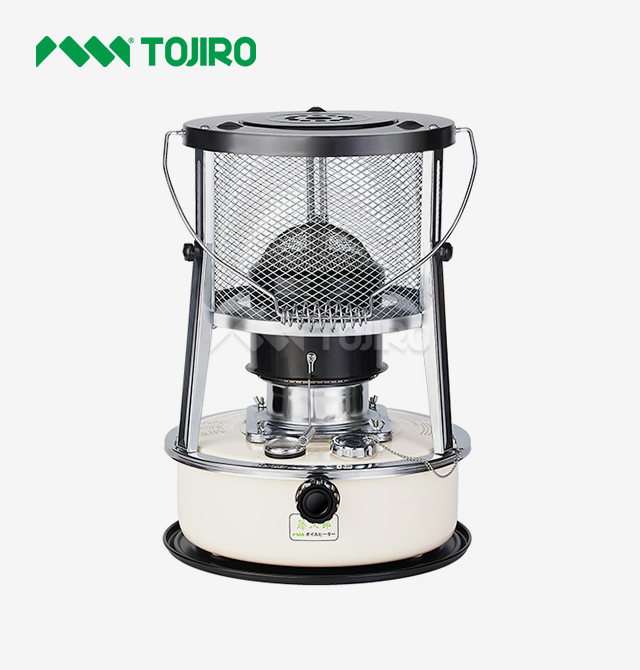
TOJIRO TJR-S85 small heaters are cutting-edge. The 2,400W power source generates 8,200 BTU. Electronic ignition, safety measures to prevent tipping, and combustion tanks intended to deliver the maximum heat with the least fuel make this device a remarkable example of fuel-efficient heating equipment. Some key characteristics suggest the equipment is manufactured and functional for corporate usage. For severe environments, the body is cold-rolled steel with stainless steel elements. The 4.3-liter gasoline tank allows 13-hour operation. It efficiently heats 15-square-meter rooms using 0.23–0.26 litres per hour of fuel.
Comparative Analysis: Efficiency and Performance Metrics
Efficiency ratings are the best indicator of cost and environmental impact when comparing heating solutions. By carefully combining air and fuel and burning everything, the TJR-S85's combustion engine uses gasoline more efficiently. Electronic ignition eliminates pilot light energy loss and ensures engine starting in severe conditions. Maintenance affects corporate heating equipment's overall cost of ownership. The TJR-S85's basic design simplifies maintenance while maximising efficiency. Stainless steel heat exchangers don't rust and last longer, therefore parts are changed less frequently.
Application-Specific Recommendations
Various company purposes require various heating and working conditions. Renters and outdoor activities firms like portability and not having a power grid. The 9.2-kilogram TJR-S85 is compact and portable, yet it performs like a professional heater. The unit's appearance and quietness please hotel and business customers. Electric ignition systems start easily and need less maintenance than manual ones. Safety features like automatic tip-over stop make the item ideal for busy places and rentals where users may not know the settings.
Procurement and Installation Insights for B2B Clients
To successfully buy fuel-efficient heating equipment, you need to make a plan that includes evaluating suppliers, buying in bulk, and thinking about long-term support. These days, B2B buyers care more about the total cost of ownership than the original purchase price. They know that high-quality equipment with great support is more valuable over its entire operating lifecycle.
Supplier Selection and Bulk Purchasing Strategies
Looking at manufacturing skills, quality standards, and after-sales infrastructure can help you pick the correct source. TOJIRO's ISO 9001:2015 accreditation highlights its commitment to quality control systems that ensure product consistency throughout manufacturing runs. The company's 10,000-square-meter industrial location can accommodate large-scale purchases. The advantages of bulk purchasing go beyond cheaper unit pricing. They provide customisation, open payment arrangements, and speedier dispatch. TOJIRO allows procurement managers anticipate inventory levels and achieve fair rates for large installations or rental fleet development with a 45-day lead time and 500-unit minimum purchase.
Certification and Compliance Considerations
International markets need location- and use-specific safety and efficiency certifications. TOJIRO's open certification policy lets customers handle certifications themselves or cooperate with the facility to acquire approvals. OEM partners and distributors who business in numerous countries with varied laws benefit from this versatility. The GB/T38522-2020 compliance standard ensures business units satisfy demanding safety and performance standards. Buyer managers should check that vendors have current certificates and can prove they obey local laws.
Installation and Support Services
Equipment reliability depends on professional installation and maintenance. TOJIRO's one-year complete warranty covers manufacturing defects and promotes appropriate installation and maintenance. Expert support and readily available replacement parts reduce downtime when servicing is required. Training and documentation enable end users maximise tool usage while respecting safety requirements. Operators are less likely to misuse equipment that might violate warranties or endanger others when properly educated. Complete functioning manuals and repair plans reduce liability and streamline company operations.
Maintenance and Operational Best Practices
To get the most out of fuel-efficient heating equipment and make it last as long as possible, you need to set up organized maintenance plans that include both regular maintenance and preventative care. There are regular check plans for modern heating systems that find problems before they affect performance or pose a safety risk.
Routine Maintenance Protocols
Successful maintenance programs begin with daily ignition, flame, and safety system inspections. Weekly inspections should include fuel system, air entrance screen, and heat exchanger surfaces. Electrical connections, combustion chamber, and exhaust system integrity are examined during monthly repairs. The TOJIRO TJR-S85's basic design simplifies maintenance and makes essential parts easy to repair and check. Heater corrosion is common in severe environments. Because stainless steel resists corrosion, it requires less maintenance and lasts longer.
Fuel Quality and Storage Considerations
How gasoline is handled and stored affects equipment performance and maintenance. Green fuel blends reduce emissions while maintaining engine performance. Filtration and moisture control should be included into fuel storage systems to keep pollutants out and burners working effectively. Changing filters, checking gasoline lines, and cleaning tanks are standard fuel system maintenance. This prevents deposits and impurities from reaching fuel-burning parts. Fuel consumption monitoring on the TJR-S85 enables workers monitor machine usage and identify efficiency problems that may need repair.
Performance Monitoring and Optimization
Modern heating systems work better when their performance is regularly checked by keeping track of how much fuel they use, how much heat they produce, and how efficiently they run over time. This information helps figure out what repairs need to be done and how to make the machines work best for each job and set of circumstances. For reliable starting performance, electronic ignition systems like the ones in the TJR-S85 are better than pilot light systems because they don't need to be maintained. Regular checks of the ignition system keep it running smoothly and stop wasted fuel from failed attempts to start the engine.
Future Trends and Innovations in Fuel-efficient Heating Equipment
Heating equipment that uses less fuel is always getting better thanks to new technologies, changes in regulations, and shifting market needs. Smart controls, the use of renewable fuels, and flexible designs that can be used in a variety of business situations are becoming more and more important to manufacturers.
Emerging Technologies and Smart Integration
Business heating systems may improve by connecting to the Internet of Things and using AI. With smart thermostats and remote monitoring, facility managers can determine the optimum heating plans depending on weather and occupancy. Predictive maintenance systems analyse operational data to identify equipment fixes before failure. Modern fuel management systems automatically adjust burning conditions depending on fuel quality and environment. These systems perform well under changing circumstances and need less human adjustments to get optimal results.
Renewable Fuel Integration and Sustainability
As we go toward green and produced fuels, heating systems that can utilise several fuels without substantial alterations will become increasingly common. Modern combustion systems may utilise biofuels and manufactured choices that reduce carbon footprint and heat well. This lets enterprises adapt to fuel markets and government regulations. Government incentive schemes are increasingly favouring renewable energy and energy-efficient heating choices. Companies fulfil their environmental targets and receive financial advantages that boost their ROI with these initiatives.
Regulatory Developments and Market Adaptation
Higher energy-efficiency heating systems with fewer pollutants are becoming more popular as environmental rules change. In response, producers develop things that exceed current legal requirements and anticipate for future requirements. This proactive approach helps organisations remain ahead of the competition and prevent obsolescence by embracing new technology early. Heating equipment must fulfil several regulatory standards while working consistently as the worldwide market increases. TOJIRO, which offers flexible licensing and worldwide product customisation, meets this demand.
Conclusion
The range of fuel-efficient heating equipment on the market in 2026 gives businesses chances they've never had before to cut costs and help the environment. Modern options like the TOJIRO TJR-S85 show how good engineering and building can give reliable results in a wide range of business settings. To be successful at buying, you need to carefully consider the skills of the suppliers, the total cost of ownership, and the needs for long-term assistance. Because laws change over time and technology keeps getting better, companies that invest in high-quality, energy-efficient heating systems will stay ahead of the competition and help the environment at the same time.
FAQ
1. What are the key factors that determine heating equipment efficiency?
How well heating equipment works relies on the type of burning technology used, how the heat exchanger is designed, and how complex the control system is. Modern units are more efficient because they use condenser technology to get back waste heat, electric starting systems to get rid of the need for a pilot light, and modulating burners that change output to match heating needs. The quality of the fuel and good repair also have a big effect on how efficiently operations run.
2. How much can businesses save by upgrading to fuel-efficient heating equipment?
Businesses usually save 20 to 40 percent on their heating costs when they switch from traditional systems to high-efficiency ones. The exact amount they save each year depends on how efficient their current equipment is, how much fuel costs, and how they use their energy. The modern combustion technology and computer controls in the TOJIRO TJR-S85 save a lot of fuel compared to older heating methods. The payback time is usually between 2 and 4 years.
3. What financing options are available for large-scale heating equipment procurement?
For qualified business buyers, many sellers offer flexible financing options like leasing tools, savings for buying in bulk, and longer payment terms. Through tax credits and rebates, government reward programs give extra money to people who build high-efficiency heating systems. TOJIRO helps businesses buy in bulk by offering reasonable bulk prices and flexible payment plans that are tailored to their needs.
Partner with TOJIRO for Advanced Fuel-efficient Heating Equipment Solutions
TOJIRO is a reliable company that makes fuel-efficient heating equipment. They use both traditional Japanese artistry and current industrial technology to make the best heating solutions. This dedication is shown by our TJR-S85 model, which has advanced combustion engineering, a strong build, and many safety features that meet a wide range of business needs. We work with stores, rental companies, business clients, and OEM partners all over the world. Our production cycles are 45 days, and we can make any changes that are needed. Get in touch with [email protected] right away to talk about your unique heating equipment needs and find out how our creative solutions can help your business run better while saving you money on energy costs.
References
1. International Energy Agency. "Energy Efficiency in Commercial Buildings: Advanced Heating Technologies and Market Trends." Paris: IEA Publications, 2025.
2. American Society of Heating, Refrigerating and Air-Conditioning Engineers. "Commercial Heating Equipment Standards and Best Practices Guide." Atlanta: ASHRAE Technical Publications, 2025.
3. Department of Energy, Office of Energy Efficiency and Renewable Energy. "Industrial Heating Equipment: Efficiency Standards and Performance Metrics." Washington, DC: DOE Technical Report Series, 2025.
4. European Committee for Standardization. "Fuel-Efficient Heating Systems: Safety and Performance Requirements for Commercial Applications." Brussels: CEN Technical Specifications, 2025.
5. National Institute of Standards and Technology. "Advanced Combustion Technologies for Commercial Heating Applications: Performance Analysis and Market Assessment." Gaithersburg: NIST Special Publication, 2026.
6. Building Performance Institute. "Commercial Heating Equipment Procurement Guidelines: Best Practices for Energy Efficiency and Cost Optimization." Malta: BPI Professional Standards, 2025.

USER EVALUATE
Here is the customer's evaluation of us
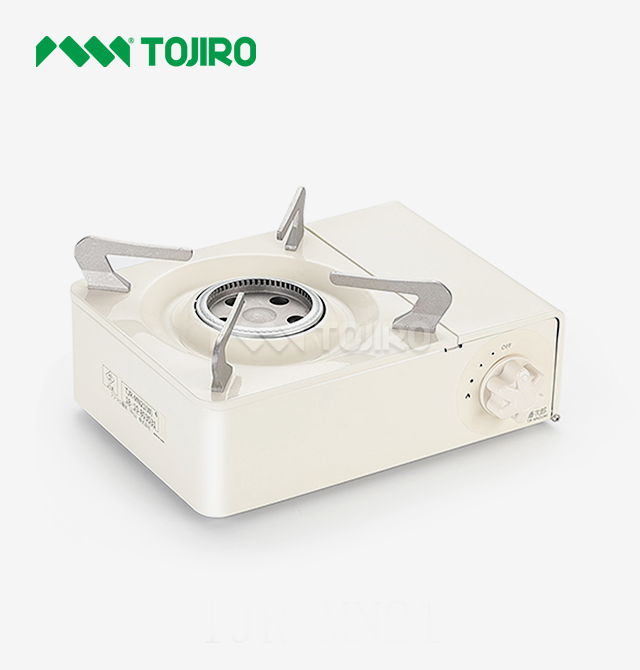 VIEW MOREburner butane camping stove
_1763619688277.webp) VIEW MOREexterior propane tankless water heater
VIEW MOREexterior propane tankless water heater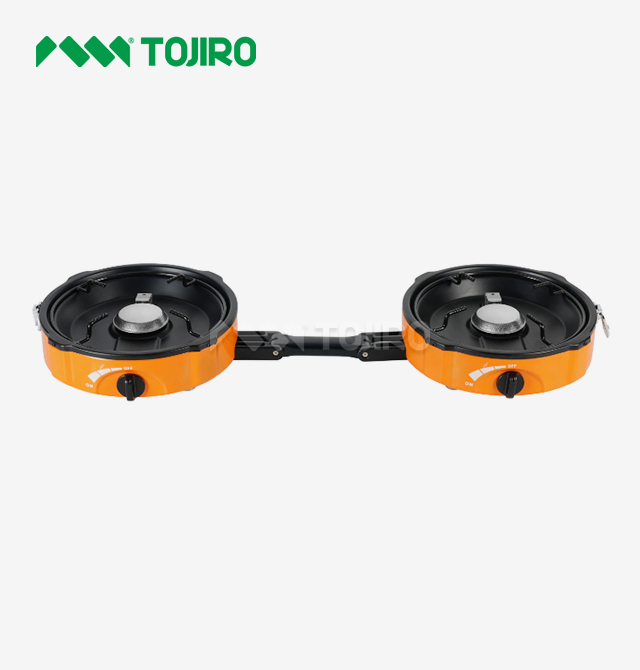 VIEW MORE2 burner portable camping stove
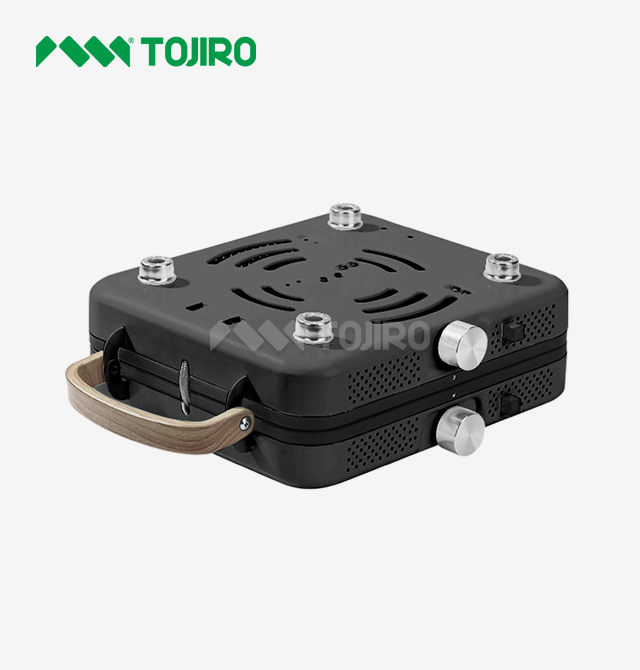 VIEW MOREbutane deep dish stove
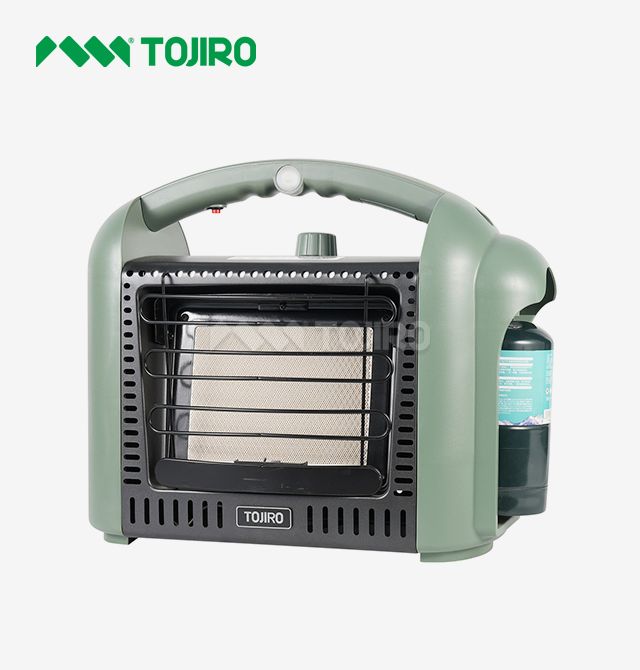 VIEW MOREpropane gas heaters for garage
 VIEW MORE9000 BTU kerosene heater
_1763606648921.webp) VIEW MOREportable heater outdoor camping
VIEW MOREportable heater outdoor camping VIEW MORE2 burner portable butane stove