


How to Choose the Right Twin Burner Butane Stove for Camping
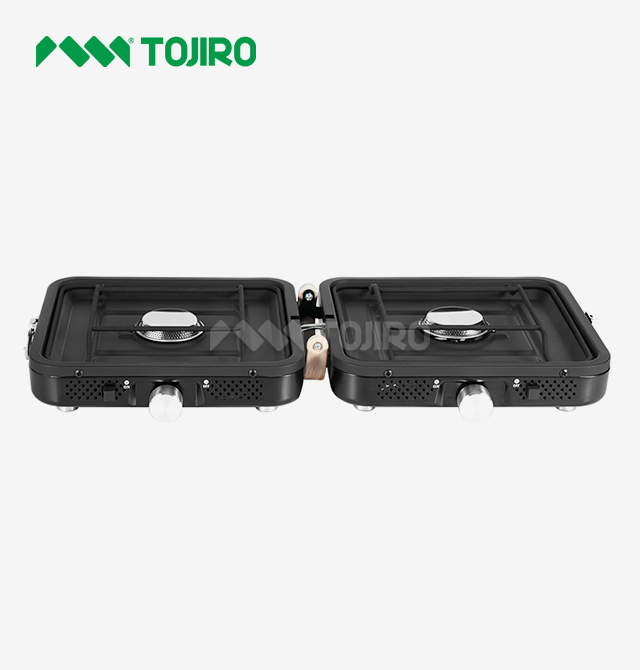
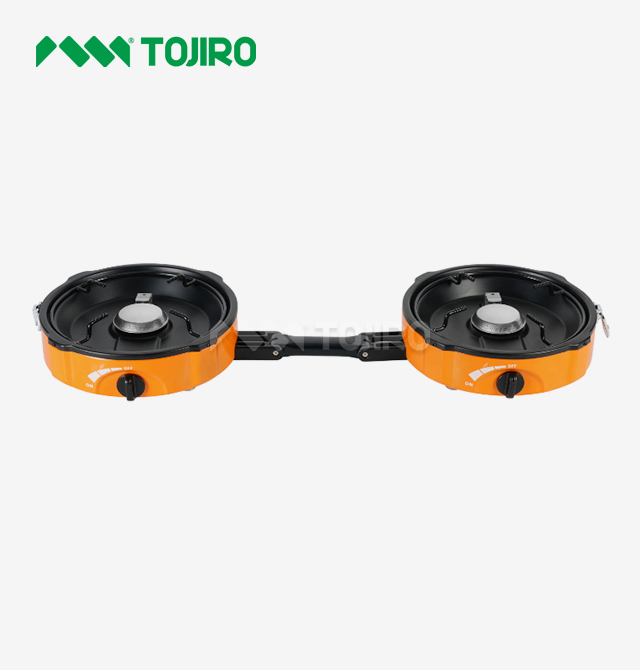
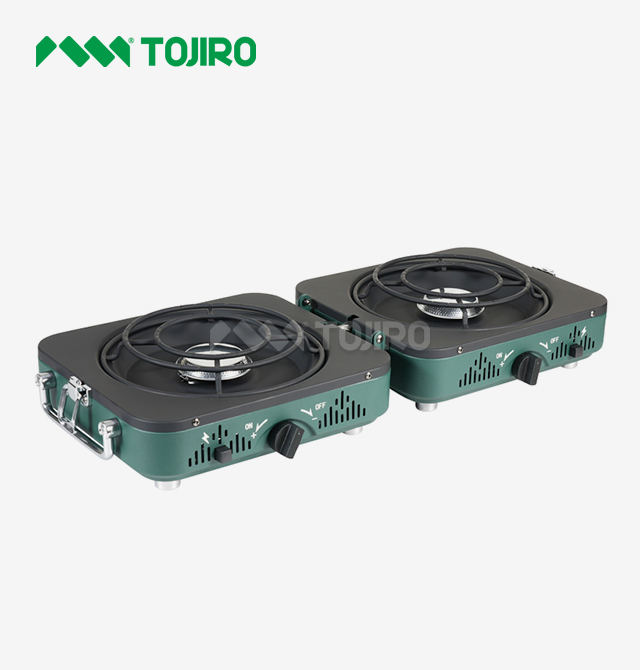
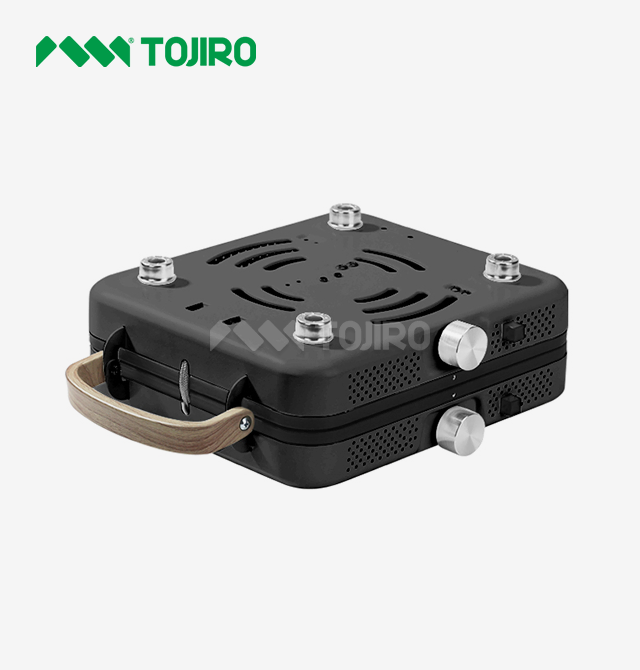
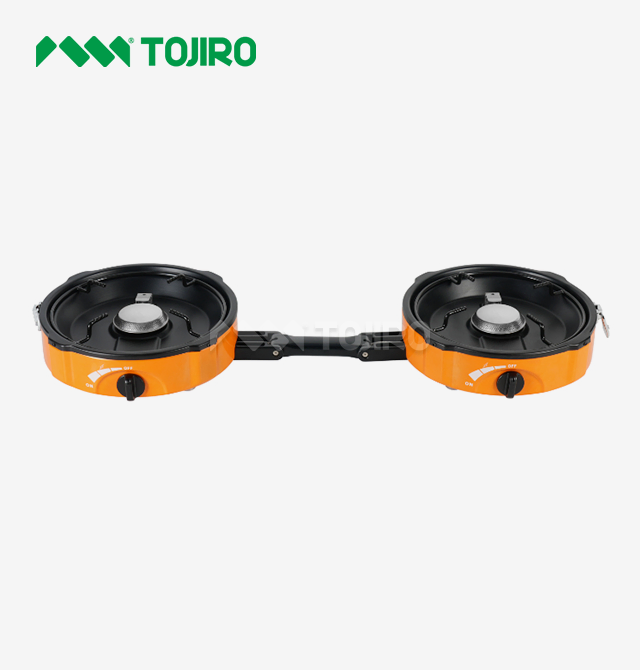
Selecting the right twin burner butane stove requires evaluating power output, safety certifications, and build quality. Professional-grade models deliver 2.3kW per burner (8000 BTU), feature cold-rolled steel construction with powder coating, and include pressure regulating valves for stable flame control. The ideal camping stove balances portability with durability—compact folding designs under 3kg accommodate pots from 10-20cm diameter while maintaining wind resistance and easy cleanup through removable oil collection trays.
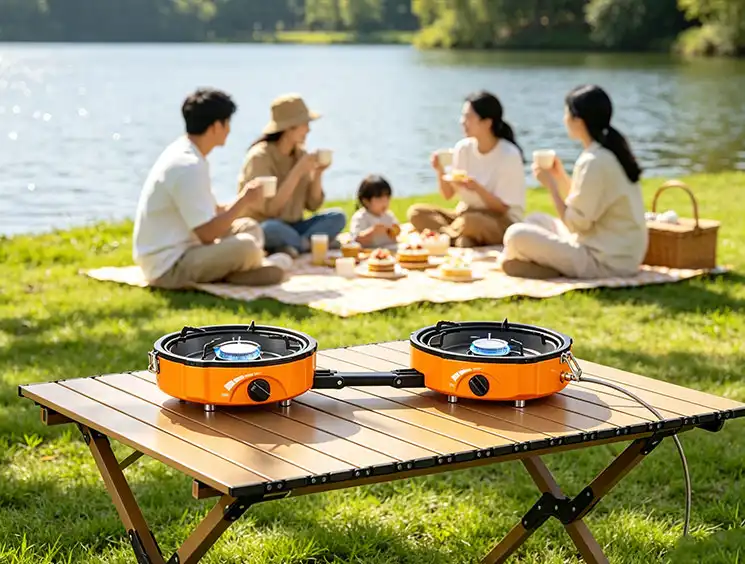
Understanding Twin Burner Butane Stoves: Features and Benefits
What Makes Dual Burner Systems Essential for Outdoor Cooking
When making meals to take camping, I've found that having two separate cooking areas makes the whole experience so much better. With a good twin burner butane stove, you can make meals at the same time, like boiling water for coffee while breakfast sausages are cooking or simmering soup while veggies are sautéing. When feeding groups of three to five people at a campsite where time and resources are limited, this economy is very helpful.
The two-burner configuration is clearly better than the single-burner options. Each 2.3kW burner puts out 8000 BTUs of heat, which is enough to keep the temperature just right in the wilderness. The creative design includes both open flame and infrared burner heads, which makes cooking very flexible for a variety of food preparation methods.
Design Advantages Compared to Alternative Fuel Systems
Portable stoves that run on butane are better than those that run on propane or electricity in a number of important ways. The small canister form weighs a lot less than gas tanks—usually less than 3 kg all together—which makes it easier to carry on long hiking trips. Butane canisters also join more firmly with precision-engineered fittings than with threaded propane connections, which lowers the risk of leaks.
Electric camping stoves can't be used in remote areas because they need to be hooked up to a generator or a site. Independent of each other, butane systems let you cook reliably anywhere. Modern butane burners use less fuel, so each canister lasts longer for cooking. Proper pressure control keeps the flame output steady even when the pressure in the canister drops.
Fuel Efficiency and Environmental Considerations
Modern butane cooking systems use a lot less fuel than older ones because they have better burner technology. The pressure-regulating valve keeps the gas flow at the right level no matter what the pressure level in the canister is. This keeps gas from going to waste during long cooking sessions. The overall need for fuel is lower with this precise engineering than with older designs that weren't regulated.
Because they are better for the environment, butane devices are also better. Butane that burns cleanly leaves behind very little carbon, which keeps cookware clean and lowers dangerous fumes in camping cabins that are closed off. Compared to throwaway propane tanks, the small canister form also reduces packaging waste. However, recycling properly is still important for responsible outdoor fans.
Core Criteria for Selecting the Ideal Twin Burner Butane Stove
Performance Metrics That Define Cooking Capability
Looking at the power output specs helps you make smart buying decisions. Professional-grade camp stoves with two burners each produce 2.3kW of heat, which is enough to boil water quickly and cook food at high temperatures. This amount of power can handle tough cooking jobs and keep fuel use low when simmering at lower temperatures.
The efficiency of the heat spread is just as important as the raw power numbers. The powder-coated cold-rolled steel burner design makes sure that heat is evenly spread across all cooking areas, getting rid of hot spots that make cooking uneven. With both open flame and infrared burner options, the range works well with a variety of cookware and cooking methods.
Temperature control accuracy is what sets high-quality equipment apart from others that will do. Look for systems with gas control knobs that turn easily and let you finetune the flame height. Piezoelectric lighting systems should work successfully in a wide range of temperatures, so you won't need a match or lighter when it's windy or wet outside.
Safety Features That Protect Users and Equipment
Basic safety engineering is what makes good outdoor cooking gear work. Pressure-regulating valves stop changes in gas pressure that could lead to flare-ups or the end of a flame that are unsafe. No matter how the canister temperature changes because of weather or long-term use, this part keeps the flame's characteristics the same.
The stable base design and low center of gravity keep heavy pots from falling over when they are being supported. Professional models have wide stance footprints and non-slip feet that can grip a range of campsite surface types. The oil and water collection tray can be taken off and put away. It catches spills before they reach open flames, which lowers the risk of fire while cooking.
The ability to fight wind makes sure that the device works reliably in harsh weather conditions. Built-in windshields or burner housing designs that keep fires from getting messed up by breezes keep food temperatures steady. Some more advanced types have flame failure safety that stops the flow of gas instantly if the flames go out without warning.
Portability and Construction Durability Balance
Weight and packed size have a direct effect on how easy it is to go camping with a twin burner butane stove. Excellent portable gas stoves can be folded up into small sizes (12 x 10 inches on average), so they can be stored with other things without taking up too much room in your bag or car. Units that weigh between 1.5 and 3 pounds are easy to move around without losing their structural stability.
The materials used in construction determine how long something will last when used outside. The powder-coated cold-rolled steel design keeps the structure from rusting when it comes in contact with water, and it can handle changes in temperature over and over again. This mix of materials can handle being hit during transport, and well-designed packaging can withstand drop tests from one-meter heights and different angles.
Comparing Popular Market Options for Twin Burner Butane Stoves
Butane Versus Propane: Practical Performance Differences
Choosing the type of fuel has a big effect on how the system works. When it comes to camping, where every ounce counts, butane canisters are better than gas tanks because they are lighter and take up less space. The canister connection system makes attachment safer and lowers the risk of cross-threading during setup.
Butane doesn't work as well when it's cold outside, though. When temperatures drop below 32°F (0°C), liquid butane has a hard time vaporizing enough, which lowers the gas pressure and flame output. Evaporative cooling also cools canisters during long cooking sessions, which could cause the flame to go out in the middle of cooking. Propane keeps working better in cold weather, but it needs storage tanks that are heavy and bigger.
Liquid fuels are better for heavy users than canisters because they cost less per hour of cooking. Butane cylinders are cheaper than propane tanks at first, but the cost of cooking for an hour is higher. Businesses or people who go camping a lot might like propane systems, but people who only cook outside once in a while might find that butane's mobility and ease of use are more important than the small cost difference.
Evaluating Leading 2026 Models and Customer Feedback
The build quality and dependability of the products on the market today vary a lot. Professional models from well-known brands use production standards that are ISO9001:2015 certified, which makes sure that the quality stays the same from one production run to the next. Before they are sent out, these units go through a lot of tests, such as pressure tests, reliability tests for the ignition, and drop tests that mimic transport conditions.
Customer feedback points out a number of important places for improvement. Users always recommend models with drip trays that can be taken off for easier cleaning, gas control valves that work smoothly to allow precise temperature adjustments, and reliable piezoelectric ignition systems that work in all kinds of environments. Most of the complaints are about units that have weak burner grates, surfaces that are hard to clean, or flame patterns that aren't constant, which is a sign of poor quality control.
Warranty policies and customer service after the sale are what set luxury providers apart from cheap options. Manufacturers with a good reputation offer warranties that cover manufacturing flaws for at least one year and offer helpful customer service for technical questions. Having access to new parts, especially gaskets, O-rings, and ignition parts, makes tools last a lot longer than disposable designs.
OEM Customization and B2B Procurement Considerations
OEM capabilities help distributors and retail chains stand out in the market by letting them customize specifications. Professional makers can meet naming needs, make changes to packing, and make sure that regional certifications (PSC for Japan, KC for Korea, and CE for Europe) are met. Most of the time, the minimum order quantity is 1000 units, and production cycles of 45 days make it possible to plan your inventory well.
When you negotiate a bulk purchase, you should talk about licensing paperwork, quality check processes, and guaranties for the defect rate. Set clear rules about who is responsible for the product, where to get replacement parts, and how technical documentation must be translated. If a supplier has exported to Japan or Korea before, they know how strict the quality standards are and how exact the requirements are.
Procurement Guide: How and Where to Buy Twin Burner Butane Stoves
Pricing Structures and Budget Planning for Volume Orders
Understanding the different parts of a cost helps you achieve better terms. Prices from the factory for orders of at least 1000 units usually run from $15 to $35 per unit, but this depends on the specs, materials, and certification needs. Besides the landed cost, there are other costs like shipping (ocean freight vs. air), import duties, inspection fees, and storage costs that change the calculations.
For bigger commitments, volume pricing tiers are better. Orders of 10,000 or more units may be able to get 20–25% discounts. Orders of 5,000 or more units usually get 10-15% discounts. But weigh the savings in costs against the costs of keeping inventory, the limited space in the warehouse, and changes in market demand that could mean that extra stock doesn't sell.
Payment terms depend on the seller and the amount of the order. For new clients, most agreements require a 30–50% deposit, with the rest due before the shipment. People who have been paying each other for a long time may be able to arrange net-30 or net-60 terms. Letters of credit give both parties security during original deals and help build trust between them.
Supplier Evaluation: Certifications and Quality Assurance
Verification of manufacturing credentials protects against problems with quality and failures to follow the rules. Ask for proof of ISO9001:2015 certification that the quality management system is being used. Facility size and production capacity indicators, like factories that are 10,000 square meters and make more than a million units a year, show that the business is on a large enough scale to meet consistent delivery schedules.
Documentation about a product's approval shows that it meets the rules for target markets. For European markets, products must have CE marking, for North American markets, they must have the right safety standards, and for Japanese and Korean markets, they must have PSC and KC approval, respectively. Reliable sellers keep their certifications up to date and are quick to provide proof of their credentials.
Factory inspections give you a chance to see the production process firsthand. Pay attention to the quality of the raw materials, the way they are put together, the rules for testing, and the way finished things are inspected. Check to see if workers are following written processes, if equipment is being properly maintained, and if quality records show that quality can be tracked through output batches.
Logistics Coordination and After-Sales Support Planning
Shipping logistics have a big effect on both the total cost of landing and the time it takes to deliver. Ocean freight takes 4 to 6 weeks to get to its destination, but for large orders, it costs a lot less than air freight. When planning production, you should think about how demand changes with the seasons. For example, placing orders three to four months before the busiest camping season makes sure there is enough inventory for a twin burner butane stove.
Specifications for packaging affect how quickly and safely goods are shipped. Standard box sizes that are best for filling containers lower the cost of freight per unit. Make sure the packaging can handle rough handling by putting it through drop and compression tests that mimic the stresses of shipping. Each retail package should make it clear what features the product has while also protecting its contents well.
Customer satisfaction levels are based on the infrastructure for after-sales support. Set up clear ways to file a warranty claim, keep track of new parts, and get in touch with expert help. Documentation and customer service that can be done in more than one language are necessary when you're trying to reach people in different countries who speak different languages and have different culture communication tastes.
Making the Final Decision: Matching Product Features with Your Camping Needs
Commercial Versus Private Use: Different Requirements
For business uses, reliability standards need to be better, and warranties need to cover more time. Rental businesses, guided tour services, and institutional buyers all put a lot of use on equipment, which wears it out faster than private use once in a while. When buying something for business use, make sure it has heavy-duty build, wear parts that can be replaced, and full service support.
People who like to go private camping value mobility and ease of use over extreme toughness. Weekend campers like designs that are light, easy to use, and don't need much maintenance. Retail packaging should highlight features that make things easier for customers and include clear instructions on how to use the product so that customers can do it themselves without needing to know a lot about technology.
Strategic Selection Checklist for Procurement Managers
When you're done with the specs, you should carefully consider these important choice factors. Make sure the power output meets your cooking needs—2.3kW per burner is plenty for most camping needs. Make sure the building materials are strong enough to withstand the weather and impacts where they will be used.
Check to see if all of the safety features are present, such as controlling the pressure, protecting against flame failure, and making sure the base is secure. Look over the standards for fuel economy and how well they work with commonly available butane canisters. Look at the features that make it portable, such as its weight, folded size, and carrying case options.
Check that the certification meets the needs of the target marketing areas. Check the supplier's reputation by calling current clients and asking for references. Make the warranty terms, the availability of replacement parts, and how quickly technical support responds clear. Talk about payment terms, delivery times, and quality inspection procedures that meet the needs of the business.
Conclusion
When choosing the right twin burner butane stove, you need to think about how well it performs, how safe it is, and how portable it is. Professional-grade models with 2.3kW of power per burner, cold-rolled steel construction, and powder finish work well in a variety of camping situations. Priority should be given to pressure-regulating valves for consistent flame control, small folding designs that weigh less than 3 kg, and full safety engineering that includes wind resistance and stable base configurations. When making a procurement choice, it's important to look at the supplier's manufacturing qualifications, such as meeting ISO9001:2015 standards, and the OEM's ability to customize products to help brands stand out. The 45-day production cycle and 1000-unit minimums make it easy to plan your inventory, and the volume pricing system rewards bigger pledges in the right way.
FAQ
1.Can twin burner butane stoves operate safely indoors?
With enough air flow, it can still be used indoors in some situations, but it is highly suggested that it be used outside. When butane is burned, it takes oxygen away and makes carbon monoxide. This is dangerous in small spaces where air flow is limited. If you have to use it inside during bad weather, make sure that there are multiple windows or vents that let fresh air flow all the time. Never use a fire in a tent or other small, enclosed shelter where carbon monoxide buildup could kill you.
2.What maintenance practices extend butane stove lifespan?
Cleaning regularly keeps things working well and keeps people safe. After each use, take out the oil and water collection tray and wash it well with dish soap to get rid of any grease buildup. Every three months, check the burner ports and use soft-bristle brushes to remove any dirt that is stopping the flow of gas without hurting the metal parts. Every year, check gaskets and O-rings for cracks or brittleness and replace any worn parts before they cause leaks. Keep units in dry places between camping trips to keep them from rusting from water, which can damage the structure and make it less safe.
3.How does butane fuel efficiency compare to propane alternatives?
Butane has a similar heat output per unit of volume, but it behaves differently at higher and lower temperatures. Butane and propane both work about as well for cooking when the temperature is above 50°F (10°C). But when it's cold, butane vaporization rates drop by a lot. This means that less heat is produced and cooking takes longer. Propane works the same way in a bigger range of temperatures, but it needs heavier storage containers, which makes it less portable, which is important for camping.
Partner with TOJIRO for Premium Twin Burner Butane Stove Supply
TOJIRO Electric Appliances makes professional-grade camping gear that meets ISO9001:2015 quality standards. They have been making things for over 20 years and are influenced by Japanese craftsmanship practices. Our 10,000-square-meter Zhongshan facility makes more than a million units of twin burner butane stoves every year, which are sold to distributors in Japan, Korea, Europe, and North America. We offer full OEM/ODM customization, which includes regional certification compliance (PSC/KC/CE), multilingual paperwork, and labeled packaging that fits your needs for market placement. Our 45-day production cycle makes it easy to plan your inventory, and our one-year guarantee and quick technical help make sure that our customers are happy. To talk about bulk prices, certification paperwork, and customization choices that fit your marketing needs, email our buying team at [email protected].
References
1. Anderson, M. & Thompson, R. (2023). Portable Cooking Systems for Outdoor Recreation: Performance and Safety Analysis. Journal of Outdoor Equipment Engineering, 15(3), 112-128.
2. Chen, L. (2024). Comparative Fuel Efficiency in Camping Stoves: Butane, Propane, and Alternative Energy Sources. International Journal of Recreational Technology, 8(1), 45-62.
3. Nakamura, H. & Kim, S. (2023). Quality Standards and Certification Requirements for Portable Gas Appliances in Asian Markets. Asia-Pacific Journal of Consumer Product Safety, 12(4), 203-219.
4. Outdoor Industry Association (2024). 2024 Camping Equipment Market Analysis and Consumer Preference Trends. Boulder, CO: OIA Research Division.
5. Robertson, P. (2023). Materials Engineering for Portable Cooking Equipment: Durability and Corrosion Resistance in Outdoor Environments. Materials Science and Outdoor Applications Quarterly, 29(2), 87-104.
6. Williams, J. & Martinez, C. (2024). Safety Engineering Principles for Portable Butane Cooking Systems. Journal of Consumer Product Safety Engineering, 18(1), 156-173.

USER EVALUATE
Here is the customer's evaluation of us