


Double Burner vs Single Burner: Which is Right for Your Kitchen?
Choosing between a portable dual burner and a single burner isn't just about preference—it's about matching your cooking equipment to your operational needs. A portable dual-burner offers simultaneous cooking on two independent heat zones, enabling you to prepare multiple dishes at once, which dramatically improves kitchen throughput and workflow efficiency. Single burners, while compact and economical, limit you to sequential cooking tasks. Understanding this fundamental difference helps procurement managers, restaurant owners, and catering businesses make informed decisions that directly impact productivity, customer satisfaction, and ultimately, profitability.
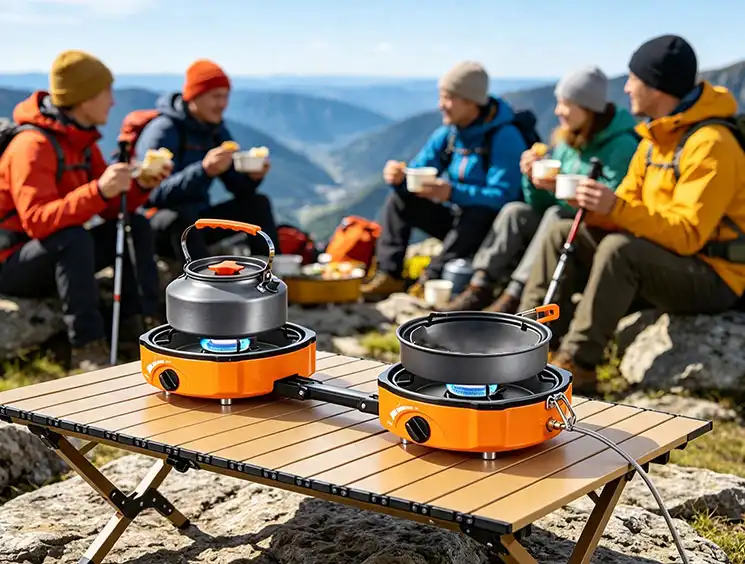
Understanding Portable Burners: Dual vs Single
Design and Functional Differences
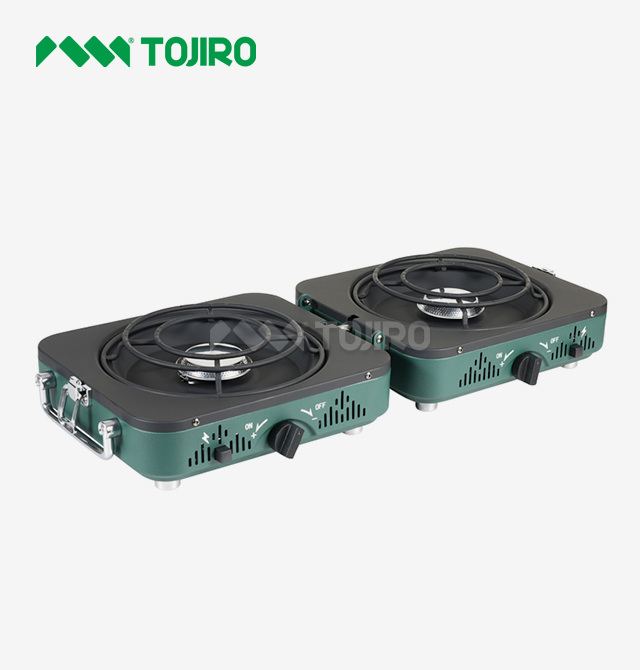
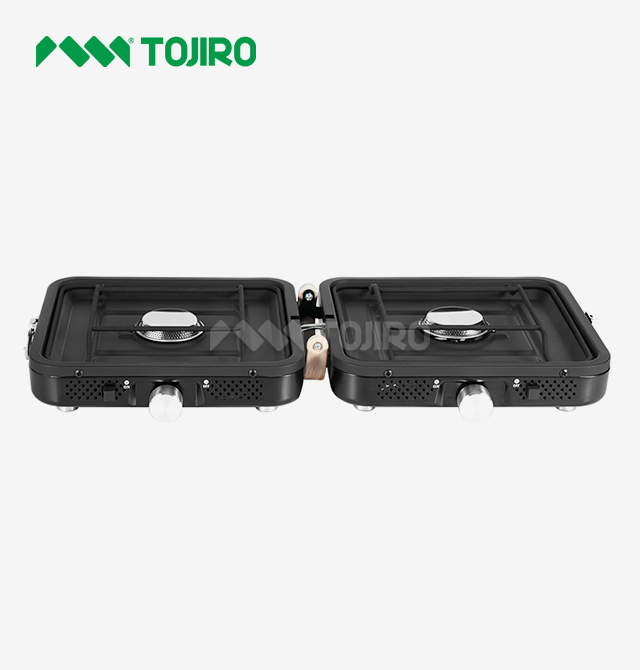
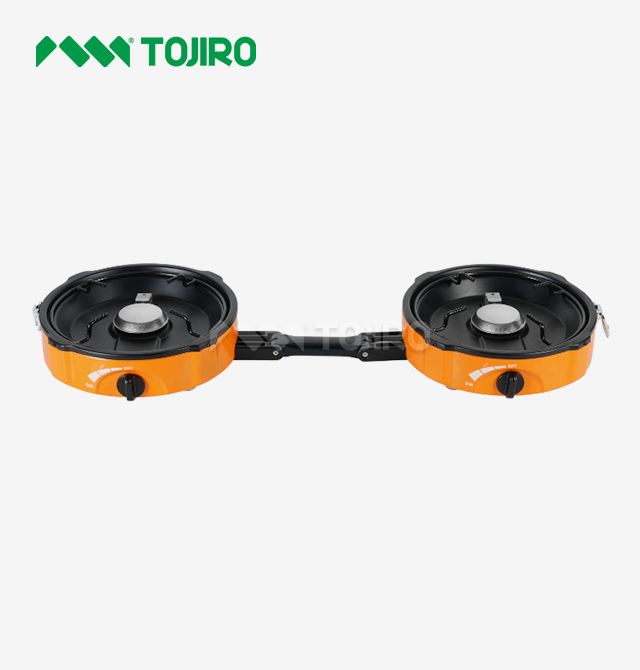
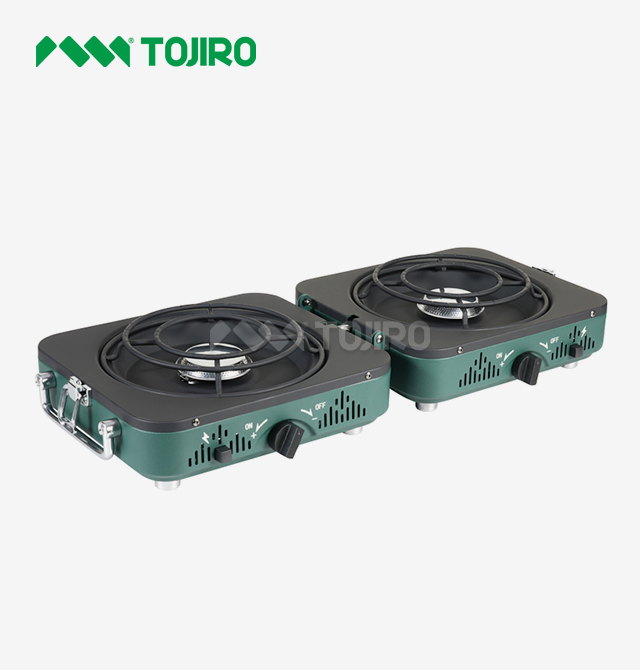
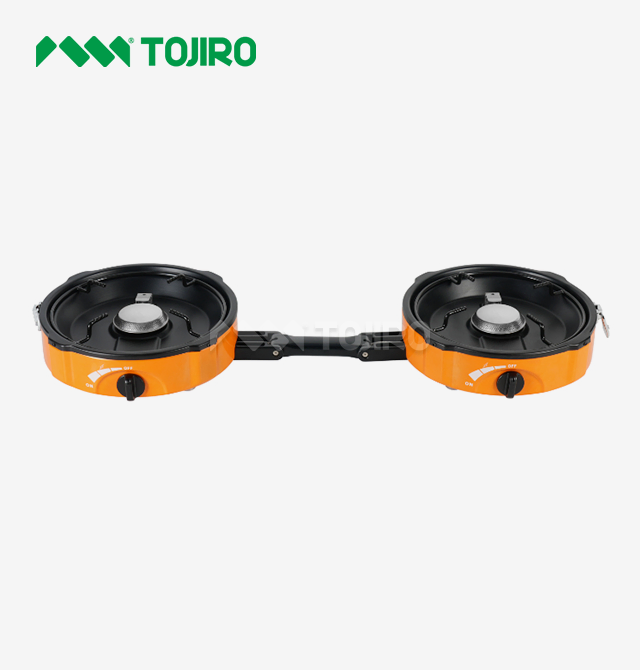
Dual burners have two separate cooking areas inside a single housing, so they can be used to control two different cooking temperatures at the same time. This way of thinking is shown by the TOJIRO TJR-BK39, which has 2.8kW of power per burner head and a total output of 10,000 BTU per element. This set-up lets you cook in a variety of ways, like soaking sauces while searing meat or boiling pasta while sautéing veggies.
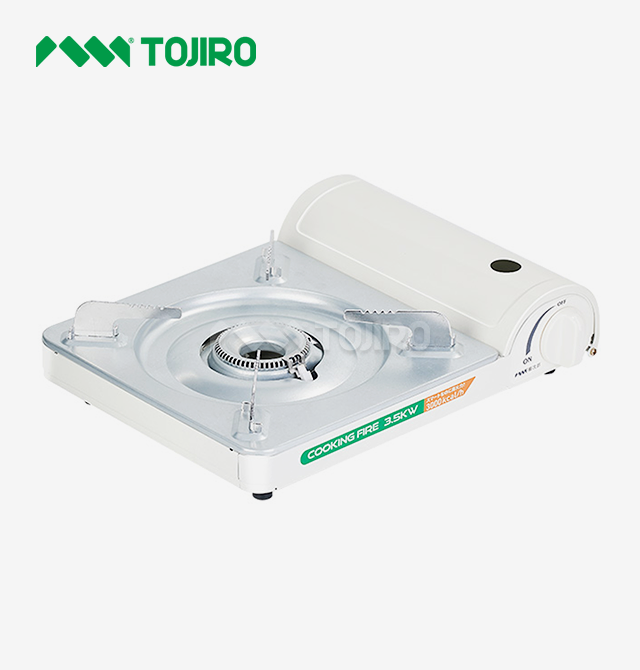
Single burners give off a focused source of heat and usually take up less table room and weigh less. Even though they're good enough for basic tasks, they slow things down during busy times when many dishes need to be made at once.
Fuel Types and Heat Distribution
Propane or butane fuel sources are often used in both setups. The TOJIRO model works with both European high-altitude gas cylinders and US propane standards, so it can be used in all kinds of markets around the world. Due to their dual flame patterns, dual-burner systems spread heat more evenly across their cooking surface, cutting down on hot spots that can make cooking uneven.
When it comes to businesses, precise temperature control is very important. With two separate burner controls, cooks can keep a delicate hollandaise sauce at 140°F on one side and high-heat wok cooking at 500°F on the other, which isn't possible with a single-burner machine.
Commercial and Outdoor Advantages
Dual burners are great for places where cooking options are limited. Catering businesses can save time and money by making appetizers and main courses at the same time at events. Outdoor food sellers can offer more meal options without having to buy more tools. The TOJIRO unit is made of cold-rolled steel and has a spray coating that makes it resistant to the weather. Its small folded size (245x210x59mm) makes it easy to move between service sites.
Key Factors to Consider When Choosing Between Double and Single Burners
Spatial Requirements and Portability Analysis
Optimizing space has a direct effect on how well operations run. A single-burner camping stove has a footprint that is 10 to 14 inches wide, while a two-burner stove has a footprint that is 20 to 24 inches wide. Without its packing, the TOJIRO portable dual burner weighs about 3.4 kg (7.5 lbs), which makes it easy to move around while still having a large cooking capacity.
Instead of just measuring space, procurement managers should figure out ratios of space to output. Dual burners take up 40–60% more counter space but can cook 200% more food, which is a good efficiency measure for businesses that are making multiple meals at once.
Fuel Efficiency and Operating Costs
Operational costs go beyond the price of the initial purchase. How much propane is used depends on how much the burner is used and how it is used. At full power, the TOJIRO machine uses about 200g of propane per hour, with 2.8kW per head. For a six-hour catering event, running both burners at the same time needs about 2.4 kg of fuel.
Single burners use less fuel overall, but they take longer to cook when you're making several dishes at once. Time-cost analysis often shows that dual burners lower labor costs by letting you cook at the same time, which makes up for the slightly higher fuel use.
Safety Features and Maintenance Protocols
Commercial-grade equipment should put worker safety first. Pressure-regulating valves are built into high-quality dual-burner systems to keep the gas flow stable even if the pressure in the tank changes. The TOJIRO model has burner heads made of stainless steel and valve bodies made of copper with coiled tubes. These materials were chosen because they can handle high temperatures and last a long time.
Maintenance needs are still very low for units that were built correctly. To clean, take off the water pan and wipe the powder-coated steel body down. The high-temperature paint spray layer on the black furnace frame keeps it from rusting and keeps its good looks even after being used outside for a long time. TOJIRO offers a one-year warranty, which shows that the company is confident in the quality of the build and the durability of the parts.
Temperature Control Capabilities
Professional technology is different from consumer-grade options because it can precisely control heat. Dual-burner configurations with separate controls let operators keep different temperature zones. This feature comes in very handy when recipes call for both gentle warming and vigorous cooking at the same time.
Each burner puts out 10,000 BTUs, which is enough power to boil water quickly while still letting you make small changes for more delicate recipes. Temperature granularity is affected by the design of the valve. Good copper valve bodies, like those used in TOJIRO products, make flame adjustment smoother across the whole heat range.
Performance and Application Scenarios: Which Burner Fits Your Needs?
Commercial Kitchen Applications
Food service businesses that serve a lot of people need tools that can boost output without lowering quality. When restaurants add dual heaters to their main cooking lines, they have more options during busy times. One burner is used for pancakes, and the other keeps sauces and sides warm. This is especially helpful for breakfast services.
When catering businesses make different meals at off-site sites with limited facilities, they face special problems. With a portable dual-burner system, any space can be turned into a kitchen. Because the TOJIRO unit works with standard cookware (pot diameters from 10 cm to 20 cm), you don't need any special tools to use it, which makes it easier to understand how it works.
Outdoor Cooking and Event Services
Food trucks, farmers market vendors, and outdoor event caterers work in places that don't have the infrastructure of a traditional kitchen. This practical gap is filled by dual burners that are portable and work at a professional level. It's important that the building is weatherproof; the spray-coated cold-rolled steel body keeps the interior parts dry and safe from extreme temperatures and wetness.
How quickly things are set up and taken down has a direct effect on service windows at outdoor events. One-piece ignition systems get rid of the need to mess around with matches or separate igniters when service is busy. The careful engineering that goes into making tools like the TOJIRO model takes these real-world operating needs into account. This is what makes useful tools different from frustrating liabilities.
Comparison with Electric and Induction Alternatives
Electric and induction cooktops get rid of the need to transport fuel, but they make you dependent on a reliable electrical grid. At temporary event sites, the power needs for the same amount of BTU output often go over normal circuit limits. Dual-burner gas systems are location-independent because they can work anywhere there is enough airflow, without the need for a generator or an electrical connection.
It takes longer for gas systems to heat up. Electric coil elements take two to three minutes to heat up to cooking temperature, while gas burners heat up in just 30 seconds. When changing temperatures, response time is also very important. Gas burners respond right away to changes in the control, but electric elements keep the heat in for longer, which causes the temperature to rise too high.
Durability Compared to Traditional Equipment
Traditional four-burner ranges have more total capacity, but they are not portable at all. When making decisions about what to buy, equipment features should be matched with how it will be used. Businesses that need to be mobile or need extra space will get more value from ruggedized dual-burner units than from stationary equipment that isn't being used.
Build quality affects how long something lasts and how much it costs to own. At their 10,000-square-meter factory, TOJIRO makes products that meet ISO9001:2015 quality standards. Products are dropped from a height of one meter at eight different angles to make sure that the packaging and construction can handle the rough conditions of shipping. This testing procedure mimics the conditions that equipment is put through when it is used for business purposes.
Procurement Considerations for B2B Clients: Making the Smart Purchase
Total Cost Analysis and Pricing Strategy
The purchase price is only one part of the costs of owning something. To figure out the total cost, you have to take into account things like maintenance, fuel use, replacement frequency, and changes in productivity. A $150 dual-burner that needs to be replaced every year will cost a lot more than an $80 single-burner that lasts five years and needs very little care.
When you buy in bulk, you can get price breaks that regular buyers can't get. TOJIRO's minimum order number of 1,000 units works well for wholesalers, big food businesses, and rental companies that are building up their fleets of equipment. The 45-day production cycle gives enough time to plan for changes in seasonal demand, like when there are a lot of events or catering seasons.
Supplier Evaluation Criteria
People who work in procurement should look at more than just prices when judging a manufacturer. Production capacity, quality certifications, and the ability to customize show how reliable a supplier is. TOJIRO's ISO9001:2015 certification shows that they have a method for managing quality, and their ODM/OEM skills allow them to meet the needs of specific markets by making changes to things like packaging or regional compliance.
Companies that serve more than one market find certification flexibility to be very useful. TOJIRO's statement that "certification applications are all possible" takes into account the different rules and regulations in North America, Europe, and the Asia-Pacific region. This ability to adapt makes it easier to buy tools for activities that span borders.
Warranty and After-Sales Support
When equipment breaks down during busy times, it causes problems that affect other parts of the business. The manufacturer's warranty terms show that they trust the product to last, and they protect you financially against defects. It is normal for industrial cooking tools to come with a one-year warranty on TOJIRO portable dual burner units.
Accessibility is just as important for after-sales help. Before placing large orders, distributors should make sure that replacement parts are available, that technical support is quick to respond, and that there are clear ways for distributors to communicate with manufacturers. Setting up these support systems during buying keeps delays from being frustrating when practical problems come up.
Packaging and Shipping Logistics
For bulk sales, the packing needs to be made so that it can be easily moved and stored in a warehouse. The TOJIRO unit ships at a weight of about 4.3 kg per boxed unit, and the packaging is custom-made for each customer. The stated drop-test certification (one meter, eight angles) makes sure that goods can withstand normal freight handling without damage claims cutting into profits.
Optimizing containers has a big effect on how much it costs to ship each unit. Working with manufacturers to agree on carton sizes and pallet layouts helps make the best use of containers, which lowers the cost of international freight. Suppliers who have worked with exports before know about these transportation issues and create packages to fit them.
Future Trends and Innovations in Portable Burner Technology
Fuel Efficiency Improvements
Concerns about the environment and pressures on operating costs drive ongoing improvements in efficiency. The flame patterns in next-generation burners are better designed so that heat stays on the food instead of spreading out into the air. Better thermal efficiency cuts fuel use by 15–20% compared to designs from ten years ago, which has a direct effect on operational budgets.
As propane and butane become more widely available, more alternative fuels can be used. Operational freedom is provided by dual-fuel valve systems that can work with either type of fuel without any changes. This flexibility is useful for doing business across borders or in places where certain types of fuel are the main source of income.
Smart Features and Digital Controls
Adding technology to portable cooking equipment makes it more accurate than it was before. Digital temperature readings take away the need to guess, so the results will be the same every time you cook. Programmable timers and automatic shutoff features make the machine safer and require less attention from the operator during long cooking processes.
Smart sensors that can detect when the flame goes out or when the gas flow isn't steady add another layer of safety. These automated reactions stop dangerous events from happening that could happen if workers aren't paying attention or if equipment breaks down. As the prices of the parts go down, you can expect these functions to move from high-end industrial equipment to standard portable dual-burner models.
Growing Market Demand Patterns
Demand for portable cooking equipment is driven by consumers' shifting tastes toward dining experiences and entertainment outside. From 2019 to 2023, the market for outdoor cooking equipment in North America grew by 23% per year, with dual-burner systems taking more market share from single-burner options. People are becoming more interested in versatility over just portability, as shown by this trend.
Similar trends can be seen in the European market, where camping and glamping tourism are driving demand for high-quality portable cooking gear. Growing middle-class populations and more people enjoying outdoor activities are speeding up growth in the Asia-Pacific region. Companies like TOJIRO that can serve this wide range of markets by offering open approval and customization options have an edge over their competitors.
Conclusion
To choose between dual and portable dual burner systems, you need to look at your specific working needs, volume needs, and budget limits. Portable units with two burners offer big benefits in cooking options, workflow efficiency, and menu variety that make up for their small size and higher price compared to single burners. The TOJIRO TJR-BK39 is a great example of how careful engineering can make equipment that meets professional performance standards and is still portable, which is important for a variety of cooking settings. Instead of just looking at the original purchase price, people making procurement choices should think about the total costs of ownership, how reliable the provider is, and how well the equipment fits with how it is used.
FAQ
1. What fuel types work with dual-burner systems?
Most commercial dual-burner units work with either propane or butane, and the valve configurations are set up to match the fuel standards in each area. European high-altitude gas cylinders and US propane tanks can both fit in the TOJIRO model, making it flexible for operations in different countries. Always make sure the fuel works with the equipment before you buy it, because valve threading and pressure requirements vary from place to place.
2. How long do commercial portable dual burners typically last?
The expected lifespan depends a lot on how often it is used and how well it is maintained. Commercial-grade units with burner heads made of stainless steel and valve bodies made of copper usually last between 5 and 7 years of daily use. Cleaning properly after each use and checking the valves once a year will make equipment last a lot longer. The TOJIRO one-year warranty covers problems with the way the portable dual burners were made during the first year of use.
3. Can dual burners handle standard restaurant cookware?
Good dual burner systems can fit pots and pans with bases that are 10 cm to 20 cm in diameter, which is the most normal industrial pots and pans. Make sure the space between the burners is big enough for your biggest pots and pans. Some small models might not let you use two big pans at the same time. The TOJIRO unit's burner spacing lets you use standard commercial cooking setups without any problems with the cookware.
Partner with TOJIRO: Your Trusted Portable Dual Burner Manufacturer
TOJIRO makes commercial-grade cooking equipment for tough jobs by combining traditional Japanese precision craftsmanship with modern industrial skills. As a well-known company that makes portable dual burners, we follow ISO9001:2015-certified production standards in our 10,000-square-meter factory. Our ODM/OEM services can meet the unique needs of each market, such as custom packaging, regional approvals, and changes to the brand's look. With a reliable 45-day production cycle and flexible minimum orders starting at 1,000 units, we help distributors, catering businesses, and equipment rental companies build up their stock. You can email us at [email protected] to talk about your purchasing needs and find out how our tech skills can help you make your products better.
References
1. National Restaurant Association, "Commercial Kitchen Equipment Trends and Purchasing Patterns in North America, 2019-2024," Restaurant Industry Operations Report.
2. International Organization for Standardization, "ISO 9001:2015 Quality Management Systems – Requirements," Standards Documentation.
3. American Gas Association, "Comparative Efficiency Analysis of Portable Gas Cooking Appliances," Technical Research Division Report.
4. Outdoor Industry Association, "Participation Trends in Outdoor Recreation and Portable Cooking Equipment Demand," Market Research Annual Report.
5. European Committee for Standardization, "Safety Requirements for Portable Gas Cooking Appliances Used in Commercial and Recreational Settings," Technical Standards Publication.
6. Canadian Standards Association, "Certification Requirements for Gas-Fired Cooking Equipment in Commercial Applications," Compliance Guidelines Documentation.

USER EVALUATE
Here is the customer's evaluation of us