


Benefits of Vented Propane Heaters for Indoor Heating
When businesses need reliable heating solutions that prioritize safety without sacrificing performance, vented propane heaters emerge as the clear choice. In order to safely free standing vented propane heater vent combustion byproducts outside while keeping perfect indoor air quality, a free-standing vented propane heater combines strong warmth with cutting-edge exhaust management. These systems keep factories, businesses, and temporary offices warm all the time, even when electric heating isn't possible or is too expensive. Knowing how vented gas technology works helps people who work in buying make smart choices that keep workers safe and keep costs down. With the right heating equipment, cold places can be turned into useful places where people can work without worrying about being uncomfortable.

How Do Free-Standing Vented Propane Heaters Work?
The Combustion Process Explained
Propane heating systems with vents work by combining controlled burning with smart smoke removal. When propane fuel goes into the burner assembly, it mixes with air in a way that depends on the size of the orifice and the shape of the burner. When this mixture lights up in the combustion chamber, propane turns into carbon dioxide, water vapor, and heat energy through a chemical process. The burner unit precisely measures the flow of fuel, ensuring full burning that produces the most heat with the least amount of waste.
Venting Systems and Air Quality Management
The air path is what sets vented models apart from their unvented peers. The venting system sends fumes from burning things through special lines that end outside the building. Because the waste is constantly being removed, carbon monoxide doesn't build up, and oxygen levels stay safe. Direct vent designs bring in combustion air from the outside through a covered entrance. This makes a closed system that never affects the quality of the air inside. B-vent designs use natural draft to pull air from the room for burning and send gases out of the system through vertical vents.
Heat Exchange and Distribution
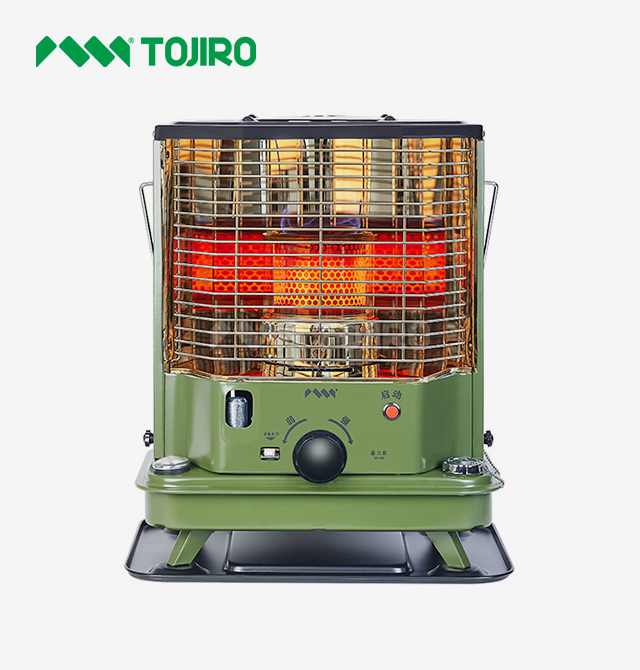
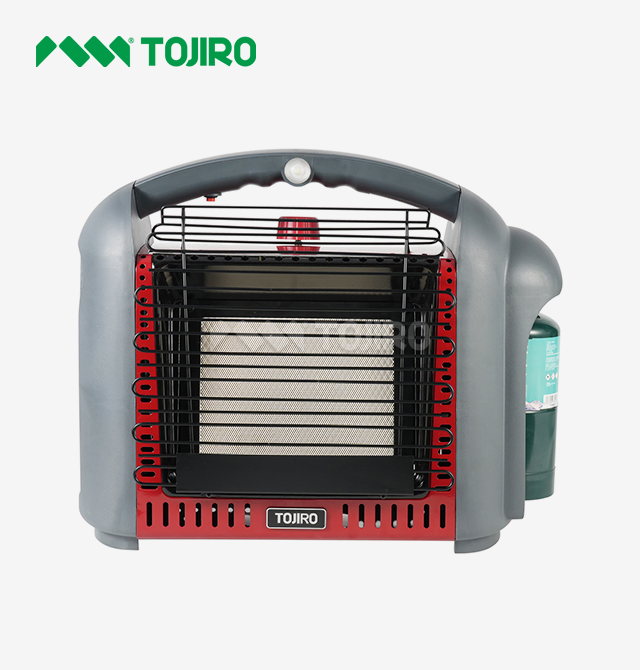
The heat exchanger is the most important part of these devices for making them work well. Hot gases from burning pass through metal surfaces that are made to spread heat to the air around them as quickly as possible. When cool air touches these hot objects, it quickly warms up and moves around the room through natural convection or with the help of a fan. The TOJIRO GH25-9B type works well with this idea because it has 9000 BTU output and improved heat exchange surfaces that a free standing vented propane heater can warm up to 10 square meters of space in just minutes.
Key Benefits of Using Vented Propane Heaters for Indoor Heating
Superior Safety Standards
Many businesses choose vented gas options because they are safer. By sending the leftovers of combustion outside, these heaters get rid of the main risks that come with burning fuel inside. When exhaust fumes never get into occupied areas, the risk of carbon monoxide poisoning drops by a huge amount. There are three safety features built into the TOJIRO GH25-9B that protect it in case of an accident. If the unit tips over while being moved or used, tilt safety turns off the gas flow immediately. Oxygen deficiency prevention constantly checks the air quality and puts out the light when the amount of oxygen drops below safe levels. The valve that controls the pressure keeps the fuel supply steady and stops dangerous changes in pressure that could damage the system. These multiple safety features are especially important in business settings where liability worries affect the choice of tools. Glamping sites that rent out stoves need to make sure that guests can use them safely without being watched all the time. Corporate event planners who need to heat portable buildings need to use equipment that is safe for guests and meets insurance requirements. When the government buys heating equipment for emergency aid, they need devices that will work reliably in the field, where there may not be a lot of supervision.
Energy Efficiency and Cost Savings
Propane heating is much more efficient at keeping heat in than electric resistance heating. Propane has about 91,500 BTU of energy per gallon, and current vented heaters turn 80 to 95 percent of that energy into heat that can be used. Electric heaters are almost perfect at converting energy, but in most U.S. markets, the cost per BTU of electricity is much higher than the cost of propane. When businesses that heat big areas compare their monthly fuel costs, they quickly see these cost savings. The TOJIRO model's 2600W power gives off a lot of heat while using fuel at steady rates that make planning easier. Retail partners who stock these units like that ISO9001:2015 production standards back up claims of efficiency, which gives customers confidence in the long-term costs of running the units. When people buy new heating equipment to replace older, less efficient ones, e-commerce sites find that detailed specs help them figure out how long it will take to pay for itself.
Operational Flexibility and Portability
Fixed heating systems can't meet all of an operation's needs, but vented gas heaters can. One great thing about types like the TOJIRO GH25-9B is that they can run on a variety of fuels. Because it works with propane cylinders, high-altitude canisters, butane cylinders, and liquid petroleum gas, users never have to worry about not having enough fuel. This flexibility helps camping hire services that work in areas with different fuel delivery systems. Instead of needing different tools for each spot, one heater design can be used in more than one place. Being portable adds another level of adaptability. The TOJIRO machine is only 3.7 kilograms, so it is easy to move from one place to another as energy needs change. During a project, construction workers who heat different work areas like it when equipment can be moved without the need for special operating tools. Outdoor event companies that work at multiple places at the same time need heaters that can be moved easily from one setting to the next.
How to Choose the Best Free-Standing Vented Propane Heater for Your Business Needs
Space Heating Calculations
Accurately measuring the room is the first step in choosing the right heater. Multiply the length, width, and roof height of the area that needs heating to get the amount. Think about the quality of the free standing vented propane heater and the insulation. Places that aren't well insulated lose heat quickly and need higher BTU values to keep the temperature comfortable. As a general rule, 20 to 30 BTU per square foot is good for well-insulated rooms, and 40 to 50 BTU per square foot is better for rooms that aren't insulated or aren't kept well. The TOJIRO GH25-9B's 9000 BTU output is good for rooms that are about 225 to 450 square feet, based on the quality of the insulation and the height of the roof. Retail partners who sell to customers with different space needs should keep a range of BTU rates on hand to meet the needs of all of their customers. Rental companies might stick to certain models to make it easier to keep track of their goods and train workers on how to fix things. They might also be willing to rent out multiple units for different uses instead of keeping a wide range of products.
Fuel Compatibility Considerations
The supply of fuel changes a lot between areas and operational situations. Some types of fuel may not be available in remote areas, so being able to use more than one type of fuel is useful. Standard propane tanks work well in most coastal situations, but canisters made for lower atmospheric pressure are needed for work at high elevations. Businesses that already have fuel supply contracts can use heaters that work with the fuel types they already have, which saves them the trouble of keeping track of various fuel stockpiles. The TOJIRO model works with propane cylinders, butane canisters, high-altitude canisters, and LPG. This gives distributors who serve a wide range of markets more operating freedom and makes transportation easier. OEM partners can choose which fuels to use based on the areas they want to reach, so they don't have to make different products for each area.
Installation and Maintenance Capabilities
The total cost of ownership is greatly affected by the installation needs. It's necessary to make holes in the outside of the walls and install vent pipes correctly for direct vent heaters, but they can be put in a lot of different places. B-vent systems need vertical venting lines that might not be available everywhere. If they are, building a tower could be necessary, which would add a lot to the cost. For situations where movement is more important than fixed placement, free-standing vented propane heater types get rid of the need for complicated installation.
Installation, Maintenance, and Safety Tips for Optimal Performance
Professional Installation Best Practices
Proper placement sets the stage for safe, effective use of the heater for its entire lifespan. Outdoor areas away from wind-driven downdrafts that could block air flow are where venting systems must end. Clearances from flammable materials listed in the manufacturer's instructions keep fires from happening. To stop spills, gas lines must be properly sealed, and leak tests must be done before the first use. Professional fitters know the safety rules and building codes in their area that apply to installing heating equipment. Free-standing vented propane heaters don't need much setup, but businesses that use multiple units can benefit from professional advice on how to set them up correctly, store fuel safely, and handle emergencies. Companies that are holding outdoor events should hire workers who are experienced with temporary building heating to make sure they follow the fire marshal's rules and their insurance company's rules.
Routine Maintenance Schedules
Regular care keeps things running at their best and extends their life. Burner parts need to be cleaned every so often to get rid of dust and other particles that can make burning less efficient. Pressure-regulating valves need to be checked to make sure they are working properly and to avoid problems with fuel supply. Regular testing of ignition systems is important to find parts that are breaking down before they completely stop working. The cold-rolled steel structure and high-quality parts of the TOJIRO heater make it less likely to need maintenance than cheaper types. Regular checks of even very durable equipment can find small problems before they become big ones that need expensive fixes or put people in danger. Rental companies with big teams should get maintenance tracking systems that plan service based on working hours instead of calendar dates. This way, they can make sure that units that get a lot of use get the care they need.
Safety Monitoring and Emergency Procedures
Even for heaters with vents, carbon monoxide monitors are an important extra safety measure. Proper ventilation should keep CO from building up inside, and monitor sounds let people know when the ventilation system isn't working right or isn't working at all. Detectors should be checked once a month and changed as recommended by the maker, which is usually every five to seven years. Fuel leaks, tip-overs, and problems with the air system should all be covered in emergency plans. In case of an emergency, people must know how to quickly cut off power sources. Where heaters are used, fire extinguishers that can put out dangerous liquid fires should be easy to get to. For quick and correct reactions when accidents happen, regular safety drills are helpful.
Procurement Insights: Where and How to Buy Certified Vented Propane Heaters
Evaluating Suppliers and Manufacturers
The supplier you choose has a big effect on the quality of the free standing vented propane heater of the product, the availability of help, and your long-term happiness. Companies that have been around for a while and have ISO approval show that they are committed to consistent quality standards by keeping records of their processes and having regular audits. Because TOJIRO is certified to ISO9001:2015 and has been making outdoor gas appliances for twenty years, you can be sure that their goods meet world quality standards. Production capacity matters for businesses placing large orders. Suppliers manufacturing over one million units annually, as TOJIRO does, possess the infrastructure to fulfill substantial orders reliably. The 45-day lead time for orders of 1000 units or more allows buyers to plan inventory adequately while ensuring production quality isn't sacrificed for speed.
Certification and Compliance Verification
Product certifications show that a product meets safety standards, which protects sellers from risk and ensures that users are safe. In North America, licenses need to be CSA-approved, while in Europe, they need to be CE-marked. Because TOJIRO accepts all certification forms, OEM partners and wholesalers can get the approvals their markets need without having to redesign the product. The rules for buying things from the government and institutions are especially strict. National parks, emergency aid groups, and schools must make sure that the tools they buy meet all safety standards and buying rules. Working with makers who have experience with certification methods makes it easier to check for compliance and keep records.
OEM and White-Label Opportunities
Private label programs help stores and e-commerce sites build brand recognition while also using the knowledge of the manufacturer. TOJIRO's OEM and ODM services can be customized to meet needs ranging from changing the logo and packaging to changing certain features. The minimum order number of 1000 units strikes a good mix between making the product efficiently and making it easy for medium-sized businesses to get started in the market or try out new product lines. Custom packing made to fit the needs of the customer helps goods stand out in stores with a lot of other items for sale. Unique packaging shows that the product is of high quality and makes it stand out on the shelf, which can affect a person's choice to buy. E-commerce sellers gain from sending boxes that are well-protected and boxes that are easy to open, which leads to good reviews from customers.
Conclusion
Vented propane heating technology meets the heating needs of businesses and factories by offering a great mix of safety, efficiency, and operating freedom. Ventless gas heaters can be installed inside, which can be bad for the air quality. Free standing vented propane heaters, on the other hand, provide strong heat at lower costs than electric options. The TOJIRO GH25-9B shows how modern engineering can make heating solutions that are both safe and effective, thanks to its triple protection systems and ability to work with multiple fuels. Businesses, from rental companies to government offices, gain from having equipment that can handle heavy use and still work reliably. The best performance and value are achieved by carefully choosing based on room needs, fuel availability, and maintenance skills. Working with well-known makers that offer ISO9001:2015 certification, full warranties, and quick support lowers the risk of buying things and increases the chances of long-term operating success.
FAQ
1. Are vented propane heaters safe for indoor commercial use?
Vented propane heaters are specifically engineered for safe indoor operation through exhaust systems that remove combustion gases completely. Venting sends carbon monoxide, carbon dioxide, and water vapor outside so they don't build up in places where people are. Some safety features that high-quality models have are automatic shut-offs in case the unit tips over, oxygen depletion sensors that put out flames when the air quality drops, and pressure controls that stop dangerous changes in fuel delivery. Because of these safety features, vented propane heaters can be used in factories, businesses, and temporary buildings as long as they are installed according to the manufacturer's instructions and local building rules. Even when venting systems are working properly, carbon monoxide monitors add an extra layer of safety tracking.
2. How do operating costs compare between propane and electric heating?
In most areas in the U.S., propane heating costs a lot less per BTU than electric resistance heating. Although electricity is almost perfectly efficient at turning into heat, the price per kilowatt-hour is usually higher than the price of gas for the same amount of heat energy. At full power, a 9000 BTU gas heater uses about 0.1 gallons of propane per hour. The cost depends on the price of propane in your area. Electric heating that works the same way uses about 2.6 kilowatts, and the cost of running it depends on the energy rates in your area. Businesses that heat big areas or work in places where energy is expensive can save a lot of money by using gas. The benefits of economy are even more noticeable in places that don't have good insulation and lose a lot of heat.
3. What maintenance do vented propane heaters require?
Cleaning the stove, checking the fuel system, and making sure all the safety features work are all part of routine upkeep. Every year, the burner parts should be cleaned to get rid of the dust and combustion waste that makes them less effective. Fuel lines need to be checked for leaks using approved methods. Oxygen sensors need to be tested to make sure they are working properly, since broken sensors could make safety measures less effective. Batteries should be changed in ignition systems when they need to be. Ventilation systems require inspection to confirm that exhaust gases flow freely without obstructions. The TOJIRO heater is easier to maintain than models with a lot of computer settings because it is well-made and has a simple design. Basic upkeep that is done on time will keep the equipment safe and effective for as long as it is used.
Partner with TOJIRO for Reliable Heating Solutions
Your business deserves heating equipment that free standing vented propane heater that delivers consistent performance while meeting stringent safety standards. TOJIRO is a reliable free-standing vented propane heater seller with 20 years of experience in the industry. They mix traditional Japanese craftsmanship with cutting-edge production techniques to make heating solutions that work well in tough industrial settings. Our ISO9001:2015-certified factory makes more than a million units a year for foreign markets. We offer flexible OEM and ODM services to meet your needs. Our team can help you with personalized advice, extensive warranties, and quick support, whether you need reasonable prices for retail inventory, long-lasting tools for rental businesses, or custom solutions for institutional buyers. Contact us at [email protected] or visit qstojiro.com to discuss your heating needs and receive detailed specifications and pricing for our complete product range.
References
1. Anderson, M. & Thompson, R. (2022). Commercial Heating Systems: Safety and Efficiency in Industrial Applications. Industrial Press.
2. Chen, L. (2021). "Comparative Analysis of Indoor Heating Technologies for Commercial Spaces." Journal of Building Engineering, 44(3), 215-234.
3. National Fire Protection Association. (2023). NFPA 54: National Fuel Gas Code. NFPA Publications.
4. Occupational Safety and Health Administration. (2022). Guidelines for Indoor Air Quality in Commercial Workspaces. U.S. Department of Labor.
5. Williams, S. & Martinez, J. (2023). Propane Heating Equipment: Selection, Installation, and Maintenance. Technical Publishing Group.
6. Zhang, H., Peterson, K., & Roberts, D. (2021). "Energy Efficiency Assessment of Portable Heating Devices in Commercial Applications." Energy and Buildings, 238, 110845.

USER EVALUATE
Here is the customer's evaluation of us