


Where to Buy Outdoor Camping Heaters?
To find dependable outdoor camping heating equipment providers, you must comprehend global market dynamics and procurement best practices. Camping gear sales reached $8.2 billion in 2023, boosting the outdoor recreation industry. Manufacturers in China, South Korea, Japan, and Europe are major suppliers. Professional customers acquire high-quality items through B2B channels, direct manufacturer partnerships, and trade shows like ISPO and Outdoor Retailer. Successful manufacturers use ISO standards for competitive pricing and reliable delivery. Quality verification, logistics management, and regional safety requirements are problems when sourcing abroad, while cost efficiency and technology innovation are benefits. To source wisely and maintain supplier relationships, you must navigate these factors.

Understanding the Global Outdoor Camping Heating Market
Market Size and Growth Trends
Increased outdoor leisure and glamping tourists have driven the outdoor camping heating business to unparalleled growth. Research shows that the portable heater category earns over $2.1 billion yearly, with camping-specific heating solutions accounting for a large percentage. Raising disposable income, urbanization driving nature experiences, and technical developments making outdoor equipment more accessible fuel expansion. North America consumes 38%, Europe 29%, and Asia-Pacific 24%. Latin American and African eco-tourism and adventure travel markets seem promising. Businesses targeting distinct market segments can source from this geographical dispersion.
Technology and Innovation Landscape
Modern outdoor camping heaters incorporate safety, fuel efficiency, and innovative materials. Heaters made of cold-rolled steel and stainless steel are more durable and corrosion-resistant. Manual lighting has been replaced with electronic ignition systems, improving safety and convenience. Modern models may produce 8,200 BTUs while being tiny, revolutionizing the industry. Technical breakthroughs are mostly due to Japanese engineering concepts and cost-effective manufacturing in specialized production facilities.
Types of Outdoor Camping Heating Solutions Available
Fuel-Based Heating Systems
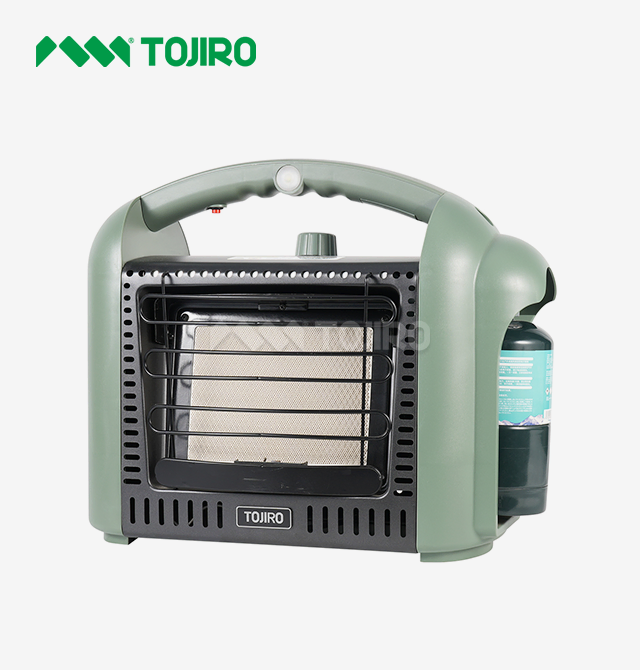
Dependability and heat production make propane heaters the most popular portable heaters. The 1-3 kW heating capacity makes these devices appropriate for outdoor use. Propane performs consistently across temperatures, however butane alternatives are cheaper in moderate climes. Kerosene heaters are ideal for outdoor use in rural areas without electricity. The most efficient kerosene units can run for 13 hours on a 4.3L tank. Kerosene heater safety features include tip-over protection and automated shut-off. Environmentally minded consumers can heat using wood-burning stoves. While fuel-efficient, these systems require sufficient ventilation and fire safety. Backcountry enthusiasts use wood stoves for cooking and heating.
Electric and Solar-Powered Options
Established campgrounds with electric hookups favor electric heaters. These systems are great for enclosed environments since they require no fuel storage and eliminate direct emissions. Multiple space heating needs can be met with 500W to 2,400W power usage. Innovative solar heating technologies are gaining popularity among eco-conscious consumers. While solar systems cost more upfront, they save money and help the environment. Battery-powered heaters combine electric and off-grid use.
Hybrid and Specialty Systems
Chemical reactions instead of flames make catalytic heaters safer in restricted settings. These systems are quiet and efficient but need ventilation for safety. Thermal blankets and heat packs supplement primary heating systems for personal warmth. Disaster preparedness and survival gear use emergency heaters. These tiny units appeal to government and institutional buyers who value durability and shelf life over comfort.
Regional Market Analysis and Sourcing Opportunities
Asia-Pacific Manufacturing Hub
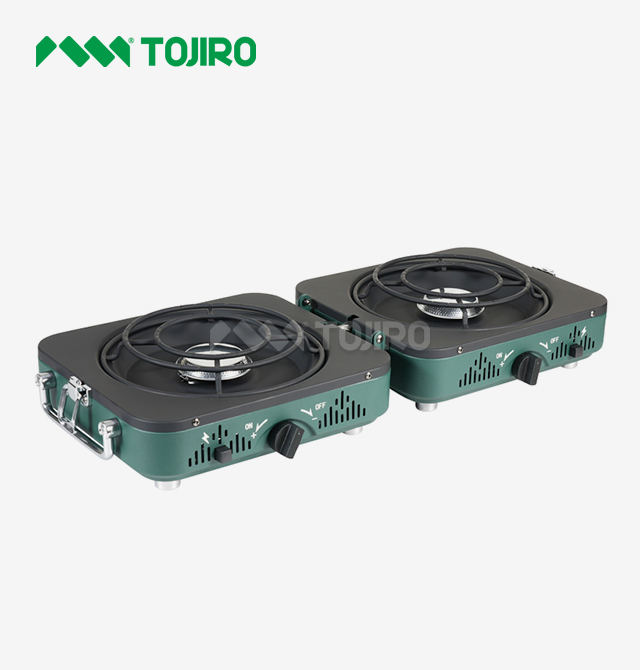
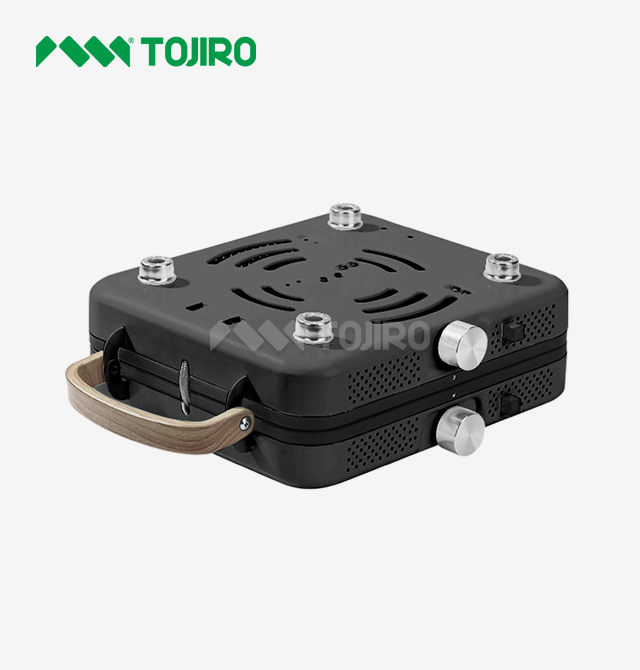
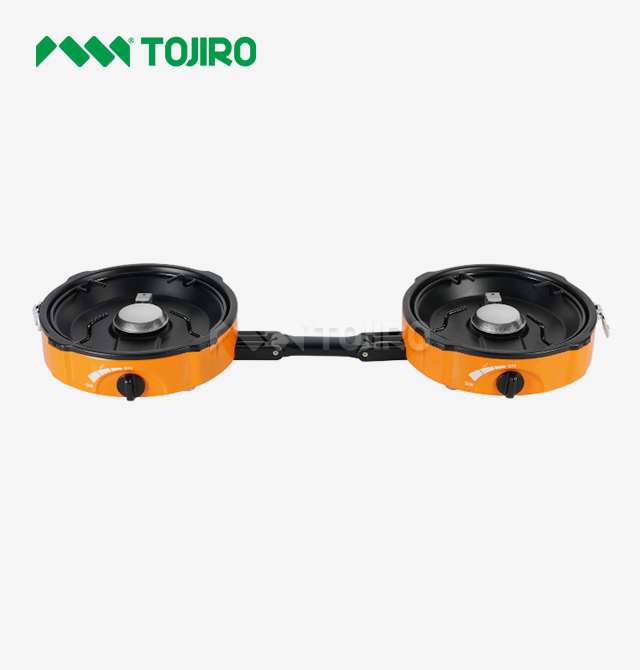
Over 45% of outdoor camping heating production is made in China. Guangdong, Zhejiang, and Jiangsu have production hubs for different products. Competitive pricing, wide customisation, and export infrastructure are offered by Chinese producers. Korean firms excel in premium heating technology, especially electrical components and safety systems. TOJIRO, a Japanese producer, combines traditional craftsmanship with modern industrial methods to provide high-quality items that meet worldwide
European Quality and Innovation
European luxury manufacturers emphasize modern materials and environmental compliance. German engineers design efficient heating systems, while Scandinavian firms make cold-weather performance gear. Although European vendors charge more per unit, they offer better technical assistance and faster delivery to Western customers.
North American Market Dynamics
Canadian and American businesses import components from throughout the world for domestic markets. Instead of manufacturing, these companies specialize on final assembly, quality control, and distribution. Established dealer networks and brand recognition give regional suppliers an edge.
Comparing Different Sourcing Channels
Direct Factory Relationships
| Advantages | Disadvantages |
|---|---|
| Lowest pricing | Higher minimum orders |
| Maximum customization | Longer lead times |
| Quality control access | Communication challenges |
| Technical support | Payment risk |
Cost reductions and customisation are available when working directly with manufacturers like TOJIRO. Factory relationships allow product customization, private labeling, and technical assistance. Direct sourcing demands more orders and longer development times.
B2B Platform Procurement
Online B2B platforms protect and verify transactions and democratize global supplier access. Users can compare prices and specs from thousands of heating equipment suppliers on popular sites. Lower-risk platform-based sourcing suits smaller buyers wanting moderate quantities. B2B platforms require quality verification since supplier skills differ. Supplier verification, trade assurance, and dispute resolution are available on established systems. Communication aids technical conversations and sample requests.
Trading Company Partnerships
Trade corporations consolidate orders among factories and bridge language and cultural differences. Quality inspection, logistical coordination, and payment facilitation are offered by these intermediates. Multi-product customers and those new to international trade benefit from trading business partnerships.
Distributor Networks
Local inventory, technical support, and speedier delivery are available from regional distributors at higher prices. Distributors suit companies that value fast order fulfillment over cost. Many distributors offer warranty support and technical training.
Supplier Evaluation and Verification Guide
Quality Control Assessment
Supplier evaluation needs quality system analysis. The ISO 9001:2015 certification shows systematic quality management, whereas product-specific certifications show safety. Factory audits show operational capability, equipment condition, and process controls. Get product details like materials, dimensions, performance, and safety. Technical paperwork, test reports, and certification copies are provided by reliable providers. Sample evaluation lets you test build, finish, and function.
Production Capability Analysis
Determine supplier manufacturing capacity, utilization, and expansion. Established manufacturers can handle rush orders and volume increases with 40-60% capacity utilization. Maintenance routines and production equipment age reflect reliability. Minimum order quantities reflect market position and supplier efficiency. Premium manufacturers require larger MOQs yet give better quality and consistency. Budget vendors may lower quality or delivery reliability for smaller purchases.
Financial Stability and Business Practices
Financial health of suppliers affects order fulfillment and partnership longevity. Request trade references, financial statements, and business permits. Credit reporting agencies verify financial stability and payment history independently. Supplier and regional payment conditions vary greatly. Letter of credit protects both parties and allows international transactions. Growing partnerships lead to more flexible payment arrangements from suppliers.
Procurement Best Practices and Common Pitfalls
Order Planning and Inventory Management
Demand for outdoor camping heating peaks before winter and camping seasons. Order 90-120 days before peak sales to assure inventory. Customized products take longer to develop, but ordinary products take 30-45 days. When ordering internationally, optimize container loading. Base on product dimensions and packaging efficiency, standard shipping containers hold defined quantities. Communicate with suppliers to maximize container use and reduce shipping expenses.
Quality Control and Inspection Protocols
Use pre-production samples, in-line inspection, and final product verification to ensure quality. Quality assurance and certification are provided by other parties. Define quality and acceptance criteria before production. List quality issues and remedial actions to develop supplier performance databases. Regular performance reviews reveal patterns and improvements. Successful partnerships form via regular communication and problem-solving.
Legal and Compliance Considerations
Due to worldwide product safety requirements, compliance planning is necessary. Regional standards like CE marking, UL certification, and others affect product design and manufacture. Suppliers should match market needs. Customized product development requires IP protection. Clear design ownership, manufacturing rights, and market territories safeguard businesses. Before distributing confidential information, register trademarks and patents.
Industry Applications and Market Segments
Retail and E-commerce Opportunities
Camping heating equipment sales are driven by sporting goods chains and outdoor merchants. Brand recognition, competitive pricing, and reliable delivery are important to these clients. With private label, retailers may create exclusive product lines while controlling margins. Smaller firms can now reach worldwide audiences through online marketplaces for outdoor equipment. Packaging, documentation, and fulfillment differ for e-commerce platforms and traditional retail channels.
Rental and Experience Business Growth
Camping gear rental and glamping are developing markets. Due to regular use and low maintenance, these firms need durable equipment. Rental operators prioritize reliability over startup cost. Outdoor adventure tours and guided tours increase demand for professional heating equipment. Advanced safety, quick setup, and standard operation are generally needed for these applications.
Corporate and Institutional Markets
Resorts, camping hotels, and corporate event planners buy heating equipment in quantity. The customers appreciate aesthetics, setup convenience, and consistent performance among units. Dedicated account management and volume pricing help larger deals. Institutional and government procurement follows protocols and regulatory standards. National parks, emergency relief agencies, and schools value toughness, conformity, and safety. Markets frequently require substantial documentation and certification.
Emerging Trends and Future Outlook
Sustainability and Environmental Considerations
Environmental concerns increasingly influence all market sectors' purchases. More efficient combustion systems, recyclable materials, and sustainable packaging are developed by manufacturers. Solar integration and biofuel compatibility are developing technologies. Product design and manufacturing innovation are driven by carbon footprint reduction. Renewable energy and efficient production give suppliers an edge with eco-conscious buyers.
Technology Integration and Smart Features
Integration of smart technologies makes heating equipment connected. User enjoyment and safety are improved via temperature monitoring, remote control, and automatic safety shutdowns. Premium markets and tech-savvy consumers like these characteristics. Better batteries provide more powerful off-grid electric heating. Lithium-ion and solar charging improve portable electric heater capacity and market appeal.
Conclusion
Market characteristics, supplier capabilities, and procurement best practices are needed to source outdoor camping heating equipment globally. Asian manufacturers offer affordable products with significant customisation, while European vendors offer high-quality and technical innovation. B2B platforms and trading organizations decrease risk and complexity for smaller purchasers, but direct manufacturer partnerships offer the most cost reductions and control. Quality assurance, open communication, and thorough supplier evaluation prevent mistakes and promote long-term relationships. Sustainability, smart technology integration, and different application needs create new opportunities for strategic purchasers.
FAQ
1. What minimum order quantities should I expect for camping heaters?
The majority of manufacturers require 500-1000 units for standard items. Private label products usually require 1000-5000 units. Trading companies and distributors may sell less volumes at greater prices.
2. How long does production and delivery take for camping heating equipment?
Production usually takes 30-45 days following order confirmation. Tooling and development take 15-30 days for customized goods. International shipping takes 15-30 days, depending on destination and method.
3. What safety certifications are required for different markets?
UL or CSA certification is required for electric heaters and fuel-burning gas appliances in North America. CE certification and EN standards are required throughout Europe. Certain Asian markets accept foreign certifications, while others require local examination.
4. How can I verify supplier quality and reliability?
ISO certification, factory audits, and customer references. Third-party verification services evaluate supplier competence. Before ordering more, test quality and service with modest items.
5. What payment terms are standard in international heater sourcing?
For new supplier partnerships, letter of credit is most secure. Established vendors may take 30% deposit and balance before shipment. When parties trust each other, payment terms improve.
Partner with TOJIRO for Premium Outdoor Camping Heating Solutions
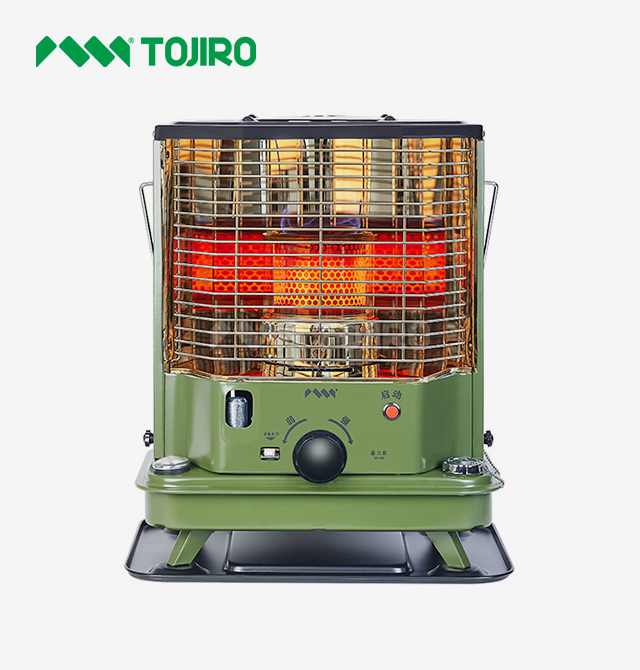
TOJIRO, a trusted outdoor camping heating manufacturer, combines Japanese craftsmanship with industrial technology. Meeting ISO 9001:2015 quality requirements, our TJR-S85 tiny kerosene heater operates for 13 hours at 2400W. ODM/OEM services, 45-day production cycles, and one-year warranties are available. Discuss your outdoor camping heating needs with [email protected] and learn why leading merchants, rental firms, and institutional purchasers prefer TOJIRO for durable, effective heating solutions.
References
1. "Global Outdoor Recreation Industry Report 2023: Market Size, Trends, and Growth Projections." Outdoor Industry Association Research Department.
2. "Camping Equipment Manufacturing: Technology Trends and Safety Standards." International Association of Fire Equipment Manufacturers.
3. "Supply Chain Dynamics in Asian Outdoor Equipment Manufacturing." Journal of Global Manufacturing Studies, Vol. 15, No. 3.
4. "Consumer Preferences in Portable Heating Solutions: A Multi-Regional Analysis." Outdoor Gear Research Institute.
5. "Safety Standards and Certification Requirements for Camping Heaters Worldwide." Global Product Safety Council Annual Review.
6. "Sustainable Manufacturing Practices in Outdoor Equipment Industry: Case Studies from Leading Manufacturers." Environmental Manufacturing Quarterly, Issue 42.

USER EVALUATE
Here is the customer's evaluation of us
_1763609661748.webp)
_1763607842349.webp)